Learn by Doing

Learn by Doing

Why active practice wins

Research shows that having students actively work on real problems, not passively listen to instruction or watch videos, is key to learning math.

Hands on the Problem

Children learn math by wrestling with real problems, not by watching someone else explain how it is done. Active effort is what builds understanding and retention.

That is why every Matarus session is built around the student doing the work, with support close at hand rather than a lecture to sit through.

Hands on the Problem

Practice Means Doing the Work

All of our work with students is oriented around actively doing the work with real problems, so learning comes from effort, not from passively watching.

Practice

Single topic focus on a specific problem type that has been a struggle to make sure they understand it.
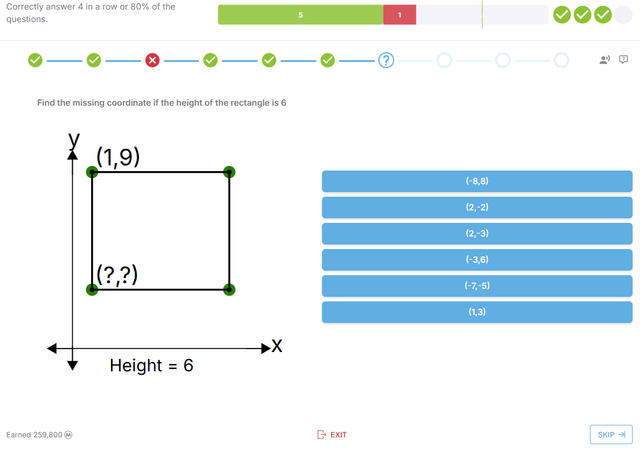
  • Identified challenges
  • Practice until perfect
  • Solid foundations

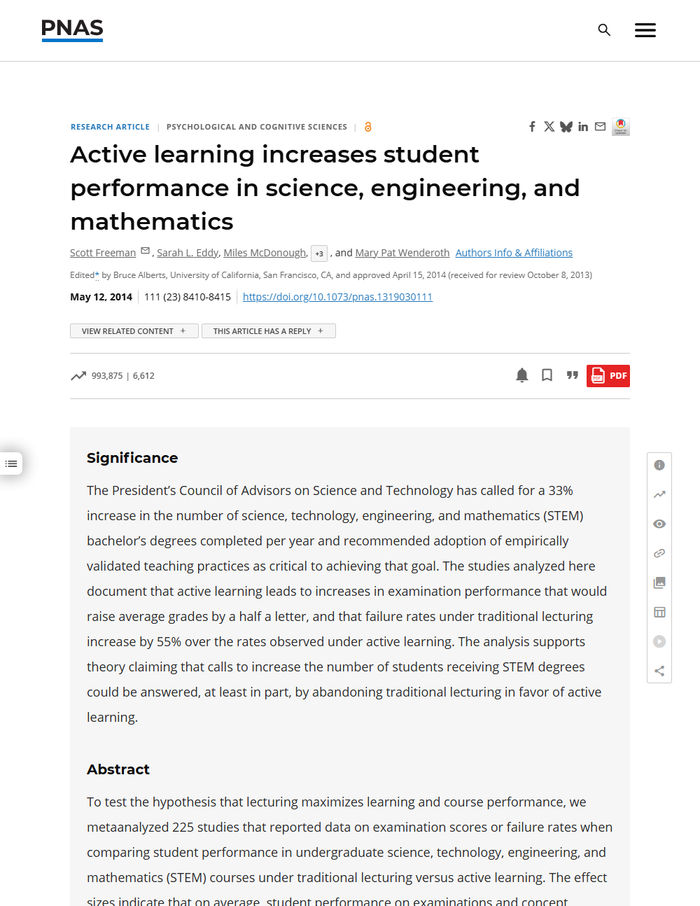
Active Learning Increases Student Performance in STEM

Freeman et al. (2014)

Kids learn math best by doing it — solving problems, discussing ideas, and practicing regularly — not just watching someone else explain.
First page of Active Learning Increases Student Performance in STEM

This landmark study pulled together 225 experiments comparing classes where students actively worked through problems with classes based on traditional lecturing. Active learning won clearly: students in those classes scored higher on exams and were far less likely to fail. The takeaway for math is direct — children learn more by doing the work, wrestling with real problems, than by watching someone else explain how it is done.

Read the research (2014)

Frequently Asked Questions

Start by grade for quick alignment, by topic for targeted reinforcement, or with skill leveling when placement is unclear. Choose the route that reduces confusion fastest.

It provides a practical readiness estimate to guide placement decisions. It is a low-pressure planning tool, not a high-stakes judgment of student potential.

Yes. Topic pathways can review prerequisites or extend challenge beyond current grade, which helps students progress based on readiness instead of fixed labels.

Use worksheets in short, consistent cycles with immediate review and reflection. Pairing worksheets with interactive practice helps reinforce understanding and reduce repeated error patterns.

Some practice experiences can start immediately, while account setup unlocks progress tracking, personalized pathways, and clearer long-term continuity across sessions.

Progress views show completion consistency, concept trends, and likely challenge areas. Families can use those patterns to choose practical next steps with less guesswork.

Practice can be a strong foundation. Tutoring becomes useful when bottlenecks persist, confidence drops, or goals require faster progress and guided accountability.

Consistent short sessions usually outperform occasional long sessions. Sustainable weekly routines improve retention, confidence, and follow-through better than irregular intensity.

Yes. Advanced learners can use topic pathways and higher-challenge sets to deepen reasoning and avoid plateauing while staying connected to long-term growth.

Parents can support consistency, review trends, and help maintain calm routines. They do not need to reteach math content for progress to improve.