Right at Their Level

Right at Their Level

Why readiness drives learning

Research shows that matching instruction to each student's readiness is crucial for learning, so work stays challenging without becoming overwhelming.

Not Too Easy or Hard

Children learn best when work is pitched right at their readiness, hard enough to stretch them but not so hard they give up.

When practice adapts to where a student actually is, progress is faster and deeper, motivation stays high, and confidence grows steadily along the way.

Not Too Easy or Hard

Unit Mastery Adapts Automatically

Unit Mastery provides adaptive learning within an area of math, adjusting automatically to each child's level and continually pushing their progress forward.

Unit Mastery

Adaptive units that scaffold concepts and explore the boundaries of their knowledge in an area.
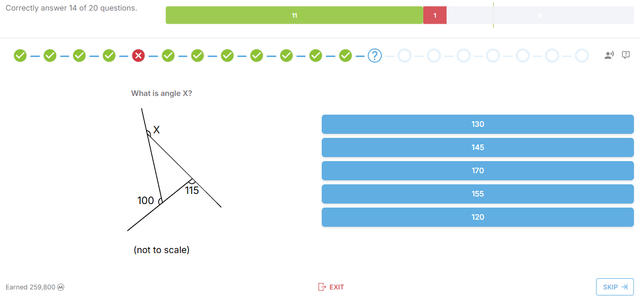
  • Scaffolded learning
  • Adaptive difficulty
  • Concept exploration

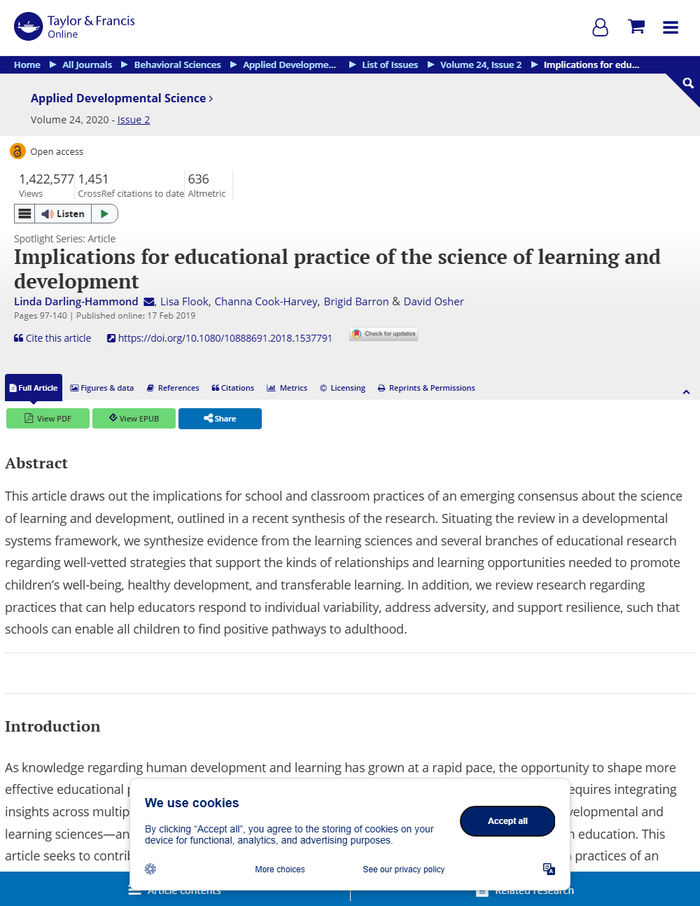
Science of Learning and Development Implications

Darling-Hammond et al. (2020)

Kids improve faster when practice matches their current level instead of being too easy or too hard.
First page of Science of Learning and Development Implications

Drawing on decades of research across many fields, this paper shows that children learn best when the work is pitched right at their current level of readiness — challenging enough to stretch them but not so hard that they give up. When instruction adapts to where a student actually is, progress is faster and deeper. That is why practice that continually adjusts to a child’s level keeps them engaged and moving forward instead of stuck or bored.

Read the research (2020)

Frequently Asked Questions

Start by grade for quick alignment, by topic for targeted reinforcement, or with skill leveling when placement is unclear. Choose the route that reduces confusion fastest.

It provides a practical readiness estimate to guide placement decisions. It is a low-pressure planning tool, not a high-stakes judgment of student potential.

Yes. Topic pathways can review prerequisites or extend challenge beyond current grade, which helps students progress based on readiness instead of fixed labels.

Use worksheets in short, consistent cycles with immediate review and reflection. Pairing worksheets with interactive practice helps reinforce understanding and reduce repeated error patterns.

Some practice experiences can start immediately, while account setup unlocks progress tracking, personalized pathways, and clearer long-term continuity across sessions.

Progress views show completion consistency, concept trends, and likely challenge areas. Families can use those patterns to choose practical next steps with less guesswork.

Practice can be a strong foundation. Tutoring becomes useful when bottlenecks persist, confidence drops, or goals require faster progress and guided accountability.

Consistent short sessions usually outperform occasional long sessions. Sustainable weekly routines improve retention, confidence, and follow-through better than irregular intensity.

Yes. Advanced learners can use topic pathways and higher-challenge sets to deepen reasoning and avoid plateauing while staying connected to long-term growth.

Parents can support consistency, review trends, and help maintain calm routines. They do not need to reteach math content for progress to improve.