Free Up Working Memory

Free Up Working Memory

Why fundamentals must be innate

Research shows that making the fundamentals automatic frees up working memory so students can spend their mental effort on harder, more advanced problems.

Room to Think

Working memory can only hold a few things at once. When basic facts are not automatic, students burn that capacity on simple steps and have little left for the real problem.

Make the fundamentals second nature and working memory is freed up for the harder thinking that advanced math demands.

Room to Think

Speed Sets Build Innate Fluency

Speed Sets use paced repetition to make core concepts innate, so working memory is freed up for the more advanced problems that follow.

Speed Set

Paced repetition on selected areas (times tables being the classic example) to free up working memory.
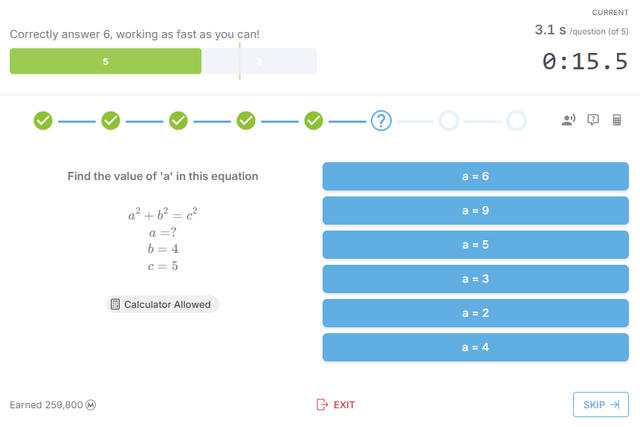
  • Second nature skills
  • Free working memory
  • Enable harder concepts

Cognitive Load Theory and Mathematics Learning

Aditomo (review of Sweller framework) (2009)
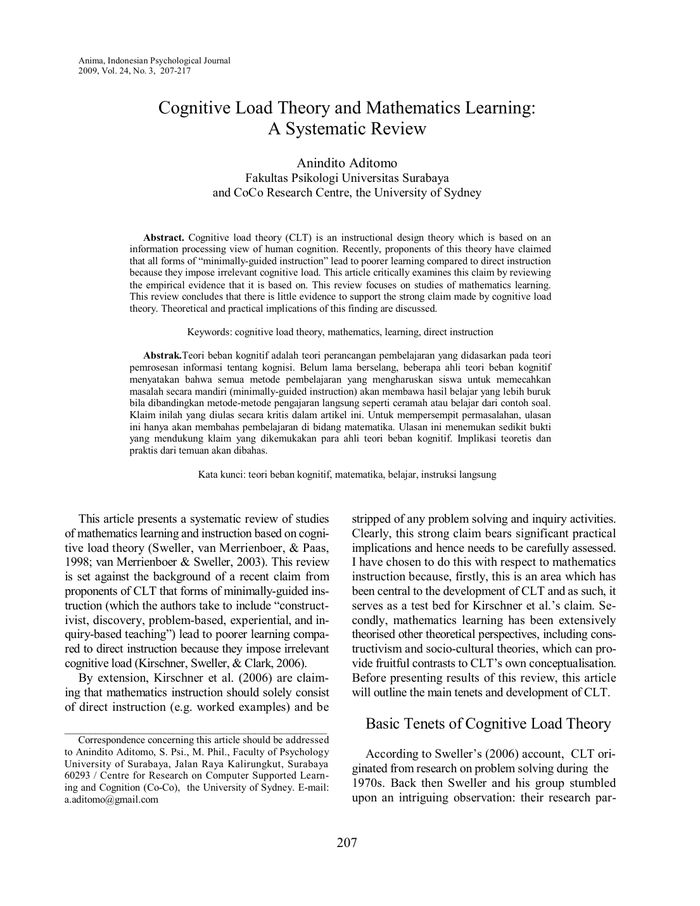
If multiplication facts aren’t automatic, higher-level math becomes much harder because the brain is juggling too many steps at once.
First page of Cognitive Load Theory and Mathematics Learning

Our working memory — the part of the brain that holds information while we think — can only handle a few things at once. This paper explains how, when the basics of math are not automatic, students burn up that limited capacity on simple calculations and have little left for the actual problem. When core skills become second nature, working memory is freed up, and students can tackle multi-step and advanced problems that would otherwise overwhelm them.

Read the research (2009)

Frequently Asked Questions

Start by grade for quick alignment, by topic for targeted reinforcement, or with skill leveling when placement is unclear. Choose the route that reduces confusion fastest.

It provides a practical readiness estimate to guide placement decisions. It is a low-pressure planning tool, not a high-stakes judgment of student potential.

Yes. Topic pathways can review prerequisites or extend challenge beyond current grade, which helps students progress based on readiness instead of fixed labels.

Use worksheets in short, consistent cycles with immediate review and reflection. Pairing worksheets with interactive practice helps reinforce understanding and reduce repeated error patterns.

Some practice experiences can start immediately, while account setup unlocks progress tracking, personalized pathways, and clearer long-term continuity across sessions.

Progress views show completion consistency, concept trends, and likely challenge areas. Families can use those patterns to choose practical next steps with less guesswork.

Practice can be a strong foundation. Tutoring becomes useful when bottlenecks persist, confidence drops, or goals require faster progress and guided accountability.

Consistent short sessions usually outperform occasional long sessions. Sustainable weekly routines improve retention, confidence, and follow-through better than irregular intensity.

Yes. Advanced learners can use topic pathways and higher-challenge sets to deepen reasoning and avoid plateauing while staying connected to long-term growth.

Parents can support consistency, review trends, and help maintain calm routines. They do not need to reteach math content for progress to improve.