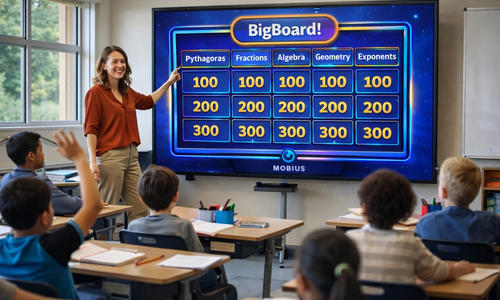
Begin with zero-friction classroom activities that teachers can launch fast. They build teacher confidence, engage students right away, and give a simple first use in class.
One Platform, Three Paths
Free for teachers and schools
Matarus gives schools three practical ways to support math, from fast classroom activities to co-curricular programs to a full classroom system, all on one platform and free for teachers and schools.
One platform, three practical school usage models.
One platform gives schools three practical math usage models. Choose the starting point that fits your staffing, timetable, and goals, then combine options as your plans develop. Begin with a zero-friction classroom activity, add co-curricular support, or build toward a fully differentiated classroom system for daily instruction.


Add co-curricular formats such as math games, practice hour, or competition math sessions. These programs extend math learning beyond regular class time in a practical school-friendly format.

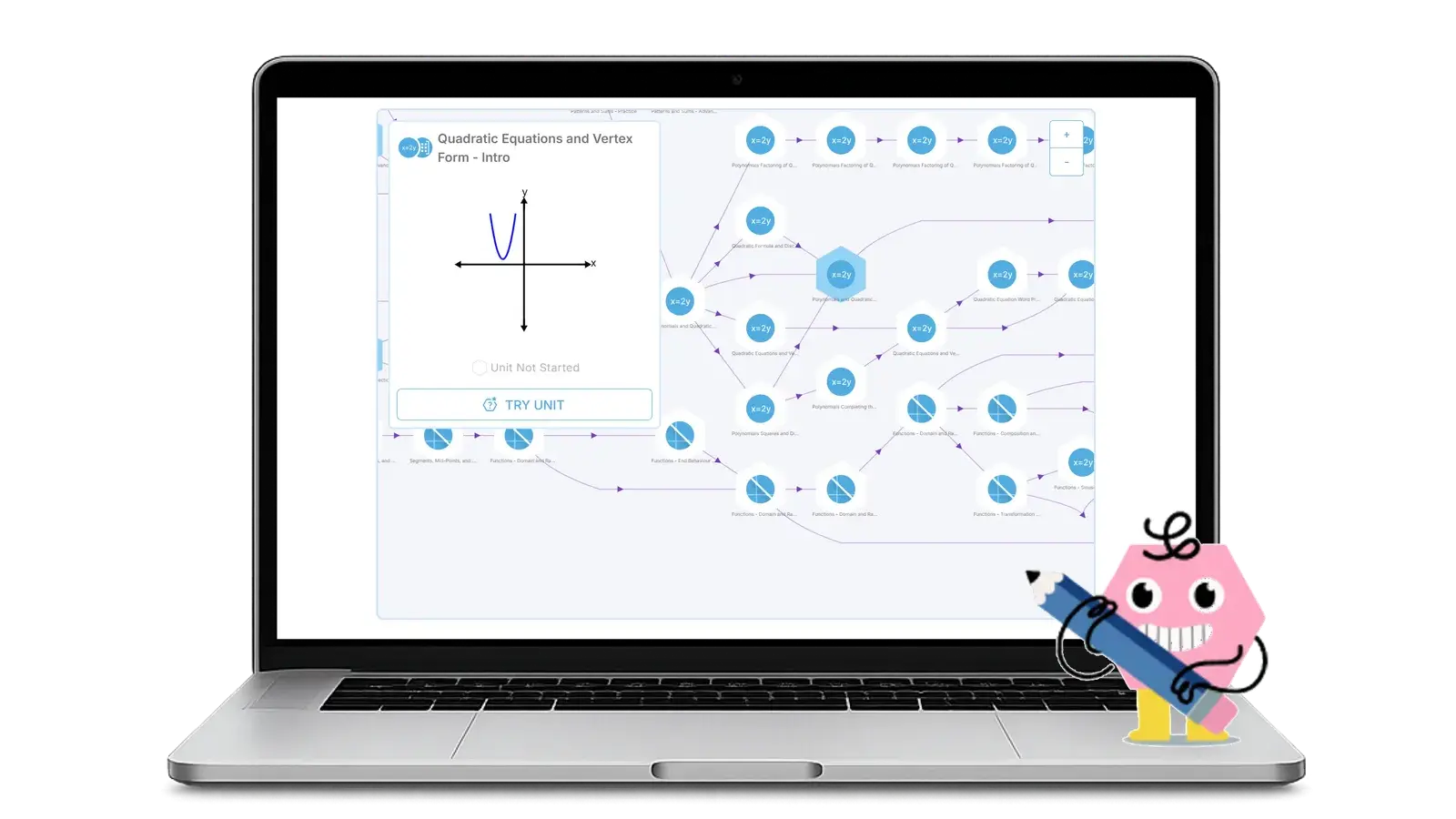
Set up class-based student accounts for teachers ready to run full differentiated classroom workflows. This supports daily instruction with students working at different readiness levels in one classroom.
1
Quick Activities
Co-curricular programs for lunchtime and after-school support.
Schools can run flexible co-curricular formats such as math games, competition math, and focused practice sessions at lunch, after school, or during another supervised block.
These programs extend the same Matarus platform beyond the regular class period. They are easy for schools to supervise, work across mixed readiness levels, and help create continuity between classroom instruction and extra practice opportunities.
Co-curricular activities are free for teachers and schools, giving staff a practical way to begin without committing to a full classroom rollout.
2
Co-Curriculars

Co-Curriculars
Schools can add co-curricular formats such as math games, practice hour, or competition math sessions. These programs extend math learning beyond the regular class period using the same platform.
They give schools another practical way to support student engagement, challenge, and continued growth outside daily instruction, without adopting a separate system or workflow.
3
Classroom Setup
Classroom Setup
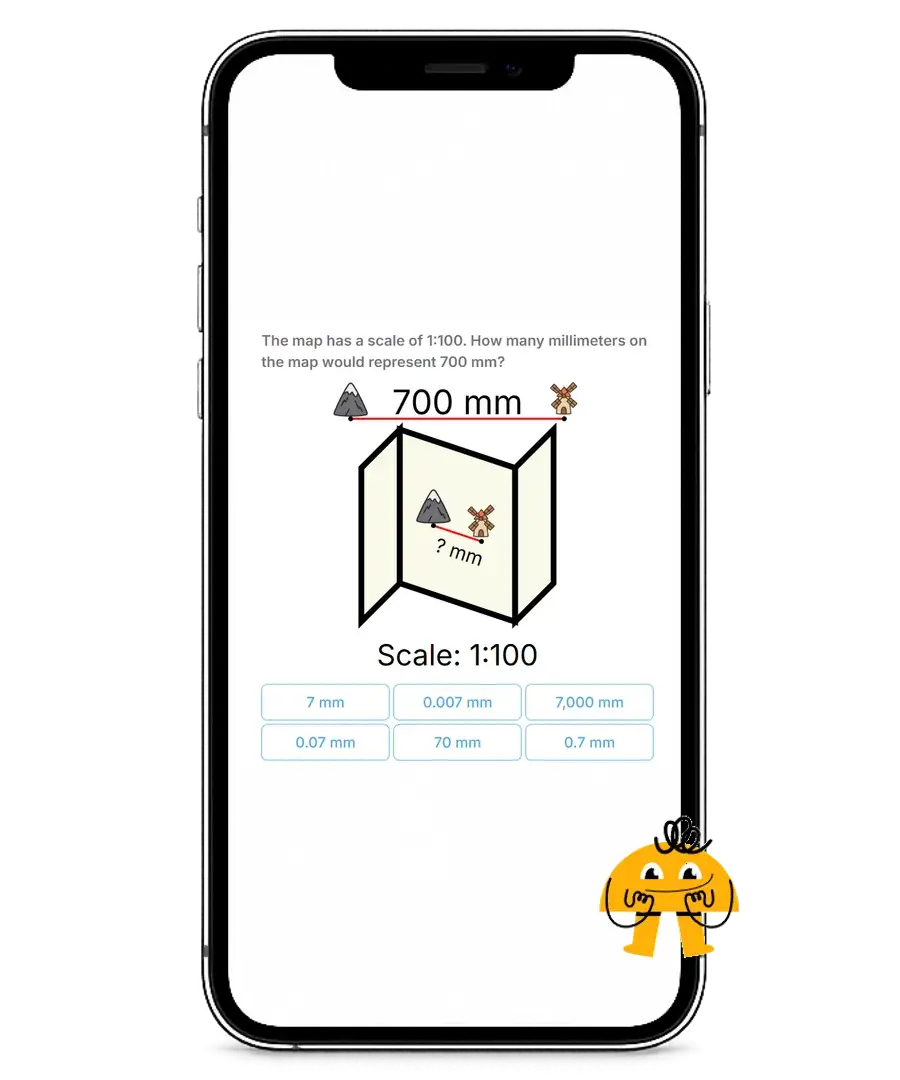
Teachers ready for daily use can set up class-based student accounts and run full differentiated classroom workflows. This supports daily instruction with students working at different readiness levels in the same classroom.
Leveling results feed directly into the exercises, homework, and challenge work each learner receives, so instruction meets students where they are.

A Fast Classroom Start
Teachers can launch a full-class Matarus activity in under a minute for rich math discussion, problem solving, and quick assessment. Zero-friction launch activities do not require student accounts.
The lesson can produce useful evidence about student thinking and readiness, giving teachers a clearer basis for planning what comes next. Other classroom workflows and systems may require student accounts, but this starting point keeps the first use simple and practical.
Because these activities are free for teachers and schools, staff can try Matarus in a real lesson before deciding how broadly to use it.
Start small, build steadily
Schools do not need to roll out everything at once. Many begin with fast classroom activities, then add co-curricular support, and later expand into a fuller classroom setup as teachers get comfortable.
That progressive path gives schools proof that Matarus can fit real staffing, schedules, and goals before they scale it more broadly.
School-Day Scheduling That Fits
Schools can run programs after school, at lunch, or inside another supervised block, using the timetable and format that fit the real school day.

Math-powered games keep younger kids engaged and working hard on math. Excellent for after-school or STEM camp formats.
Learn more
Competition math challenges ambitious students and prepares them for university or college career paths.
Learn more
Math practice sessions tied to in-class work to build fluency and confidence.
Learn moreCo-Curricular Support
Beyond regular class time, schools can use Matarus for structured math support and enrichment. Programs can run after school, at lunch, or during another supervised block.
That gives schools flexible ways to offer extra practice, challenge, or math-focused activities without needing to redesign the whole school day.


Co-Curricular support beyond class time
Schools can add co-curricular programs that bring structured math support and enrichment beyond the regular class period. Options can include math games, practice hour, or competition math sessions.
This gives schools another practical way to use the same platform outside daily instruction while supporting student engagement, challenge, and continued math growth.
Every week we see detailed results on what T did and anywhere she struggled. We can work on practice problems right then and there. This is much better than waiting for an end-of-year report card to know how things are going.
Families Notice Clearer Math Progress
When students receive work that matches their readiness, families can see more than a final grade. They can notice where a learner is growing, where support is needed, and how confidence develops over time.
Matarus gives teachers detailed progress signals to share and use, so students get clearer next steps instead of waiting for an end-of-term report. That steady visibility helps families feel connected to meaningful math growth.

One Classroom, Different Readiness Levels
In a real classroom, students do not all arrive at the same level or move at the same pace. Teachers need a way to support stronger students, struggling students, and everyone in between without splitting the class into disconnected tracks.
That is where a differentiated classroom system matters. It helps teachers keep one shared class structure while making room for students to work at a level that fits their current readiness.


Achievement
for every child



Each student follows work that matches their current readiness, pace, and confidence, even inside a shared tutoring group.
The platform keeps every child on a path that fits them, while the tutor guides pacing and steps in exactly where an individual learner needs support to keep moving forward.
That keeps the experience personal and makes the small-group format feel meaningfully different for every child, instead of one identical lesson delivered to the whole group.






Teacher Control, Clear Progress
In the full classroom model, teachers can see how students are doing as lessons unfold and respond sooner when someone needs more support or is ready for more challenge. That makes daily teaching more manageable and follow-up more focused.
The result is a steadier year-long system for math learning. Teachers spend less time sorting through manual checking, and students get clearer next steps inside a classroom structure that stays consistent.
Start with the School Model That Fits
Book a short call to see whether classroom activities, co-curricular programs, or a full classroom setup makes the best first step for your school. We can walk through staffing, timetable realities, student needs, and the simplest way to start using Matarus without overcomplicating rollout.
- Quick explanation and setup
- Don't worry, it's completely free for you and your school