
Admissions Math Preparation
Strong concepts and stronger execution
Prepare for SAT and ACT math through focused diagnostics, practical strategy cycles, and weekly guidance families can use right away.
A Clear Starting Point
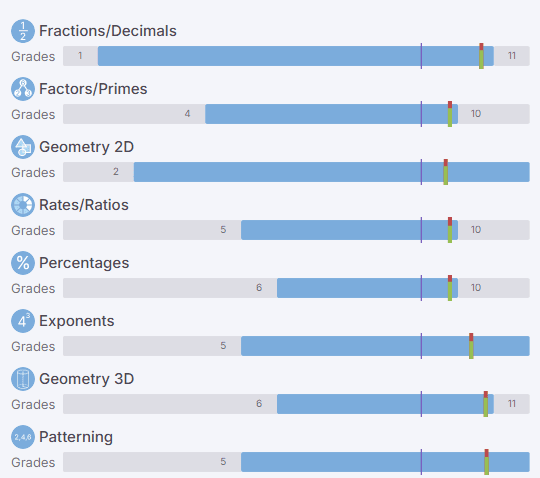
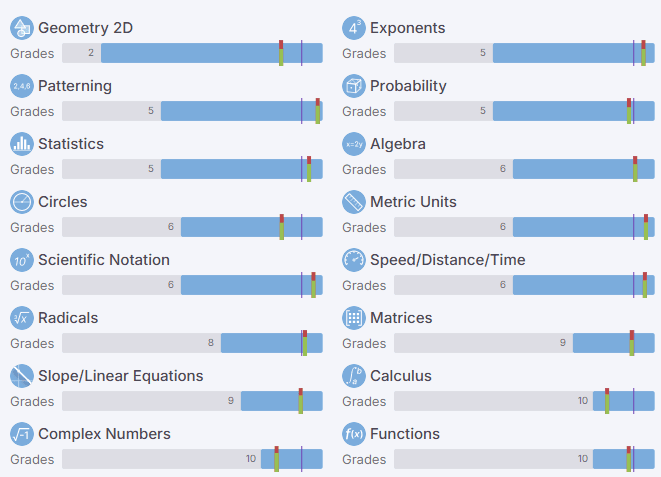
SAT and ACT preparation becomes more effective when students know which skills and habits are holding back performance. Matarus begins with a focused profile of algebra, data interpretation, problem translation, timing, and execution.
The review separates concept gaps from issues such as slow setup, uncertain decision-making, or avoidable errors under pressure. That distinction helps families understand why a student may know the math but still struggle to show it on test day.
With that starting point in view, tutoring can prioritize the foundations and test behaviors that matter most before practice becomes more demanding.
SAT and ACT Core Skills
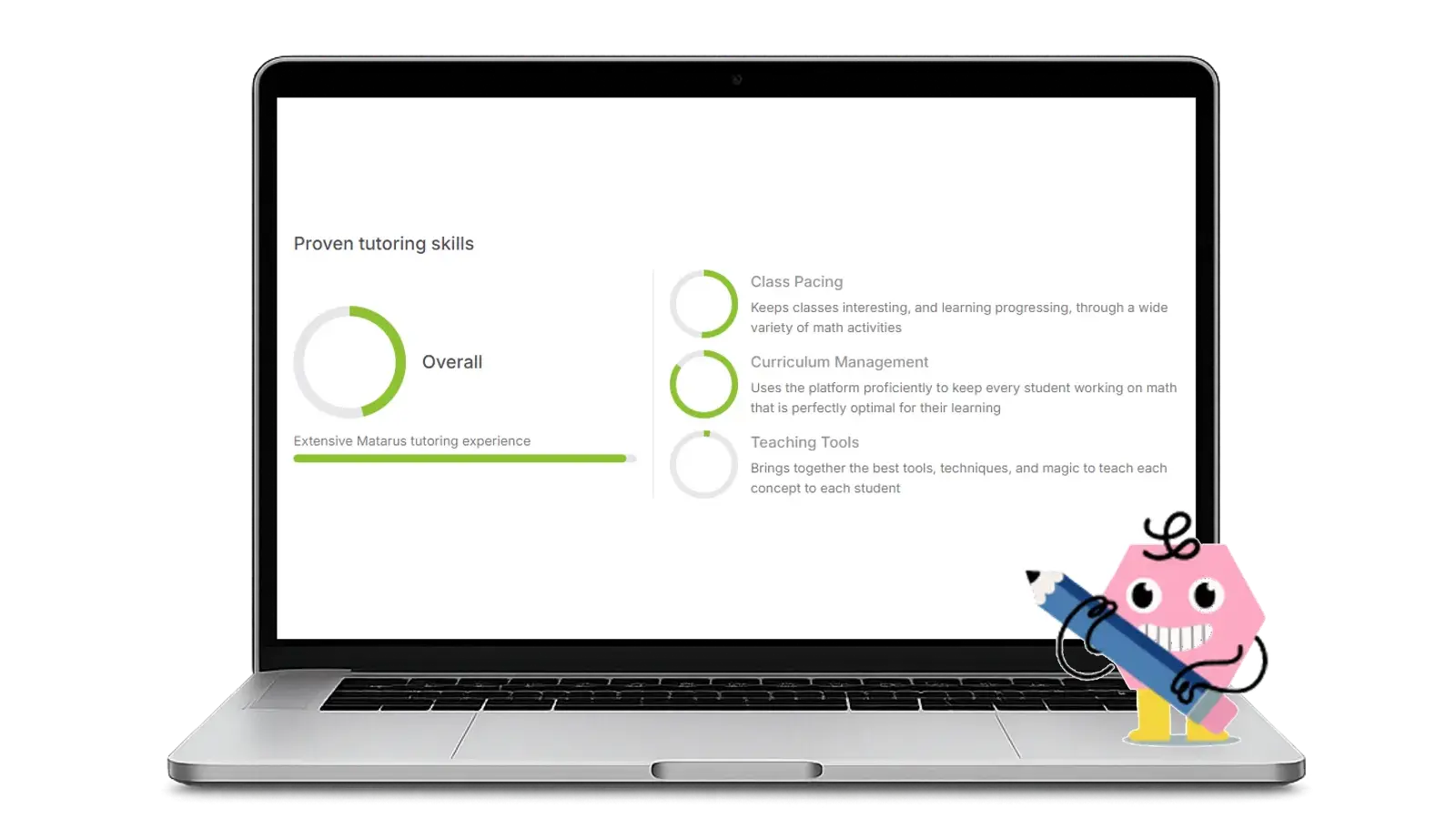
Students make the strongest gains when tutoring reinforces the core skills behind both tests: algebra fluency, data interpretation, equation setup, problem translation, geometry and trigonometry application, calculator judgment, and timed accuracy. As those skills improve, students usually miss fewer routine questions, work through sections with more control, and walk into test day with a clearer score target in reach.
Algebraic Equations and Expressions
Students solve equations and inequalities and convert word problems into algebraic models.
Linear Relationships and Graph Interpretation
Students interpret slope and intercepts and analyze variable relationships in graph form.
Ratios, Rates, and Percent Applications
Students solve proportional reasoning tasks involving rates, percentages, and real-world comparisons.
Functions and Functional Relationships
Students analyze function behavior through equations, tables, and graphs with confidence.
Geometry and Coordinate Geometry
Students solve geometry and coordinate problems involving distance, shape properties, and angle reasoning.
Students interpret charts and datasets using core statistical measures in context.
Students calculate event probabilities and evaluate possible outcomes efficiently.
Students apply exponent and radical rules accurately to simplify and solve faster.
Featured Skill
Algebraic Equations and Expressions
Students solve equations and inequalities and convert word problems into algebraic models.
Sample preview unavailable for this skill.
Smarter Choices Under Time Pressure
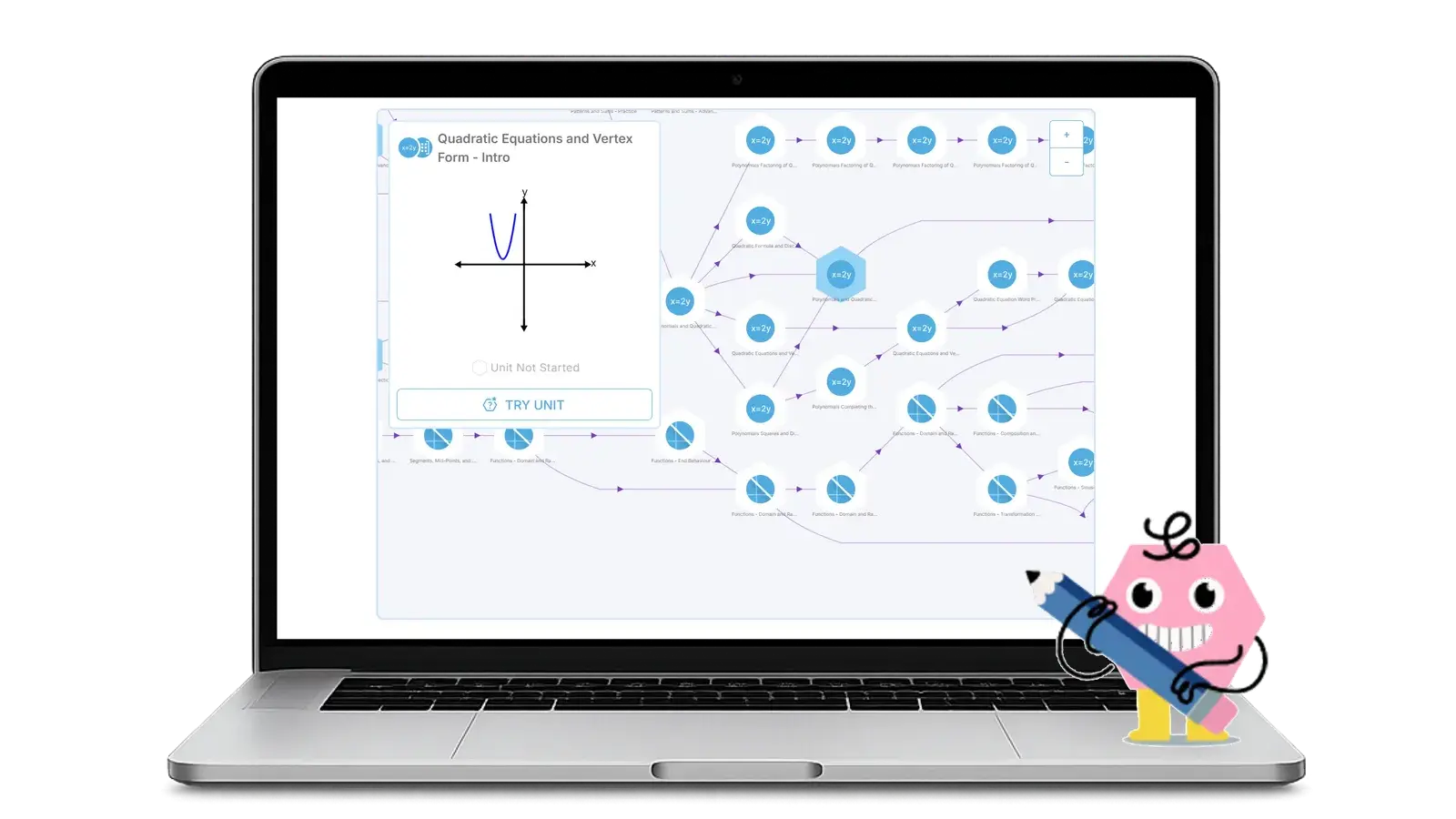
Students strengthen the core concepts behind both tests while practicing practical choices: when to solve directly, estimate, skip, or return later.
Tutors connect those choices to the question in front of each student, then review timing and execution so every practice set points to a useful next step.
With repeated practice across mixed question types, students develop steadier decision-making and more reliable performance under test-day pressure.
Reasoning That Transfers
SAT and ACT questions draw on many of the same mathematical ideas, but each test presents information and pacing demands differently.
Students practice recognizing the underlying structure of a problem, choosing an efficient method, and checking whether an answer makes sense. They then apply that reasoning across both test formats rather than relying on disconnected test-taking tricks.
This transfer helps students adjust to unfamiliar questions while keeping the mathematics clear and their decisions deliberate.


Feedback Students Can Trust
Tutors review missed and uncertain questions to identify recurring error patterns, such as misreading a condition, choosing an inefficient setup, or rushing a final check. Similar mistakes are grouped so the next step addresses a pattern rather than a single question.
For the coming week, the tutor selects one or two skills or habits to target and assigns focused practice across new questions. The work is sized to fit the student’s schedule and tied to the reason the pattern matters.
In a later review, students revisit the same skill in mixed or timed questions. Tutors use the results to refine the next target, turning feedback into a repeatable path toward more reliable performance.
Practical Study Rhythm
Admissions prep works best when the work between sessions is clear, limited, and realistic for a busy week.
Tutoring keeps practice focused on a few high-impact tasks, so students can build momentum without trying to cram every topic at once.
That steady rhythm makes preparation easier to sustain alongside school, activities, and other deadlines.

Ready for Harder Math
Some students need a stronger review of pre-algebra foundations before advanced work can stick. Others are ready to stretch into faster, deeper problem sets right away.
Tutors map that path student by student, so challenge rises at the right pace and long-term goals stay realistic and visible.
Visible Weekly Progress
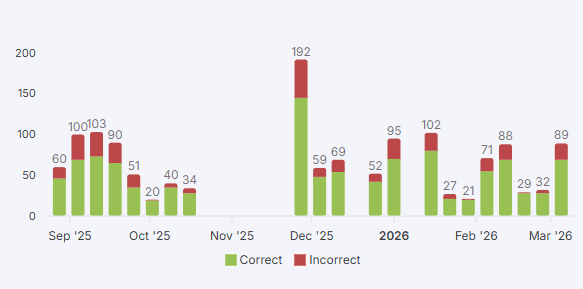
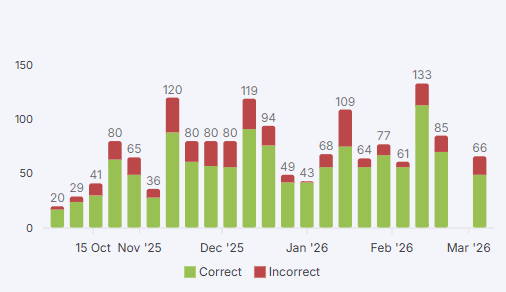
Families receive a clear weekly view of the domains a student practiced, including algebra, data reasoning, problem translation, and timed execution. Updates show which areas are becoming more reliable and which still need attention.
Tutors also track recurring errors, timed-set performance, completed between-session work, and habits such as checking answers or choosing an efficient approach. This gives families evidence of how preparation is changing, not just a list of completed questions.
Each update ends with concrete priorities for the next week. Families can see what the student will practice, why it matters, and how the next steps connect to stronger SAT or ACT performance.


Digital SAT Readiness
Digital SAT preparation includes reading graphs and tables on screen, choosing calculator use thoughtfully, and staying composed as the test adjusts to a student's performance.
Students practice digital question types with attention to both the math and the format. They learn when a built-in tool helps, when mental calculation is more efficient, and how to check work without losing valuable time.
That combination gives students a more deliberate approach to the digital exam and helps their underlying skills show up more consistently.

Adaptive Practice Planning
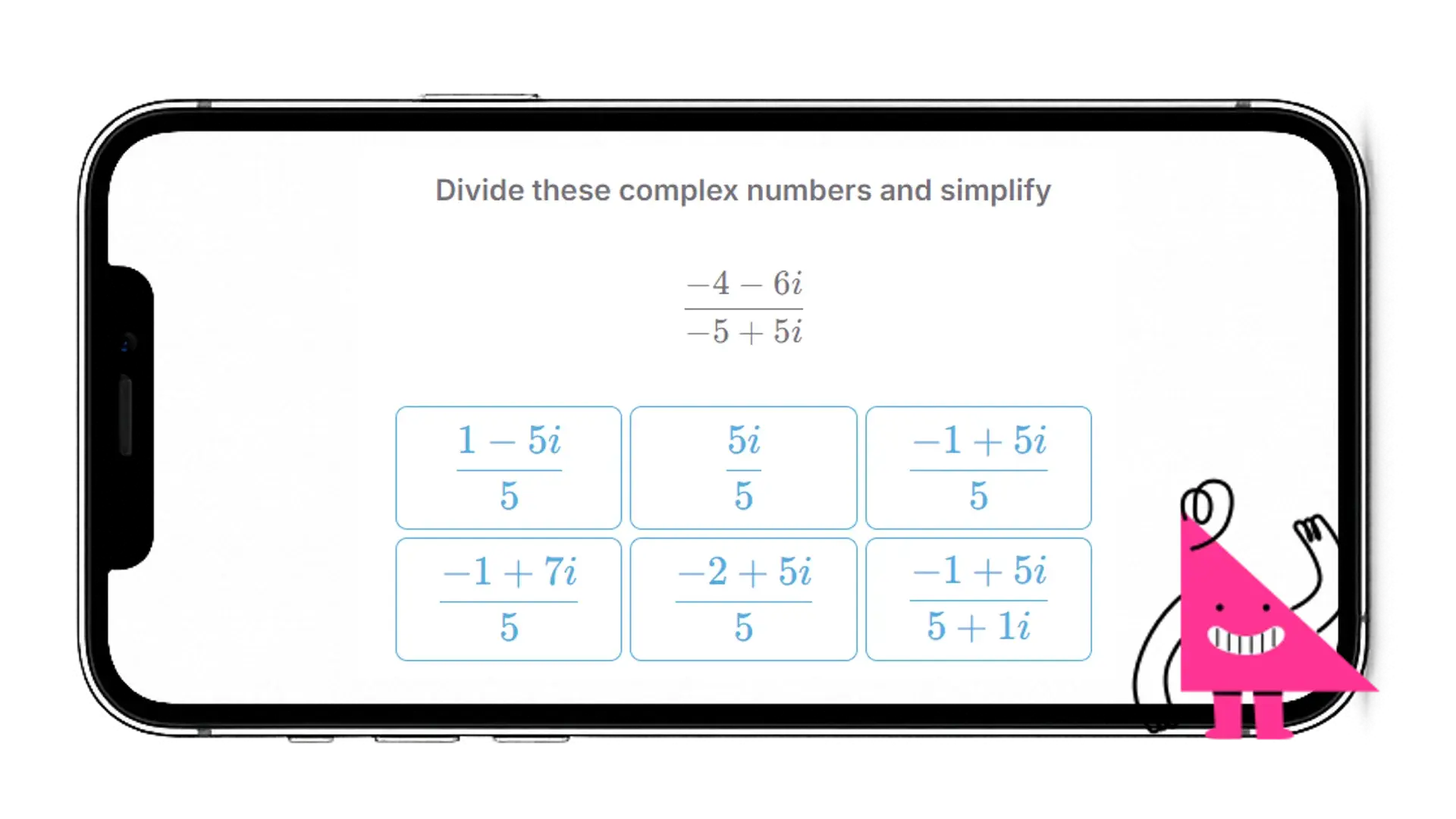
The digital SAT can shift in difficulty, so practice planning should do more than repeat a fixed set of questions. Students need review that responds to what they are ready to handle next.
Matarus uses performance patterns to decide which concepts deserve reinforcement, which question types need more exposure, and when a student is ready for a greater challenge. Tutors help students interpret that work and carry the right habits into the next practice session.
A responsive plan keeps preparation focused, helping students spend time on meaningful improvement rather than simply completing more questions.
Schedule Your Evaluation
Book a short evaluation call to review your child's current level, goals, and the best tutoring format for steady progress.
- Personalized math skill evaluation
- Insight into strengths and learning gaps
- No obligation to enroll