Choose a lunchtime or after-school block that fits your school calendar and gives students regular time for sustained challenge.
Competition Math Club
Free for teachers and schools
Start a free competition math club for grades 7-12 that school staff can run confidently, with challenging problems, full solutions, and adaptive support for mixed-level students.
A Practical Competition Math Program
Set up a competition math program around your school's schedule, staff, and ambitious students. Matarus provides adaptive problems and complete solutions so a shared club can support students from their first contest problems through deeper challenge.


Assign teachers or support staff who enjoy math and can supervise the group, without requiring deep competition-math expertise.

Enroll students and manage additions or removals locally so the club stays aligned with your school's policies and capacity.

Make sure every student has a laptop or Chromebook for individual problem solving during the session.

Choose 10 to 15 minute blocks for core-skill practice or competition problems, giving the session a clear and varied rhythm.

Focus on algebra, geometry, number theory, and combinatorics while Matarus adapts the challenge for each student.
1
Choose a Schedule
Choose a lunchtime or after-school block that fits your school calendar and gives students regular time for sustained challenge.
A predictable weekly rhythm makes it easier for students and families to plan around the club, while schools retain control over dates, frequency, and the size of each session.
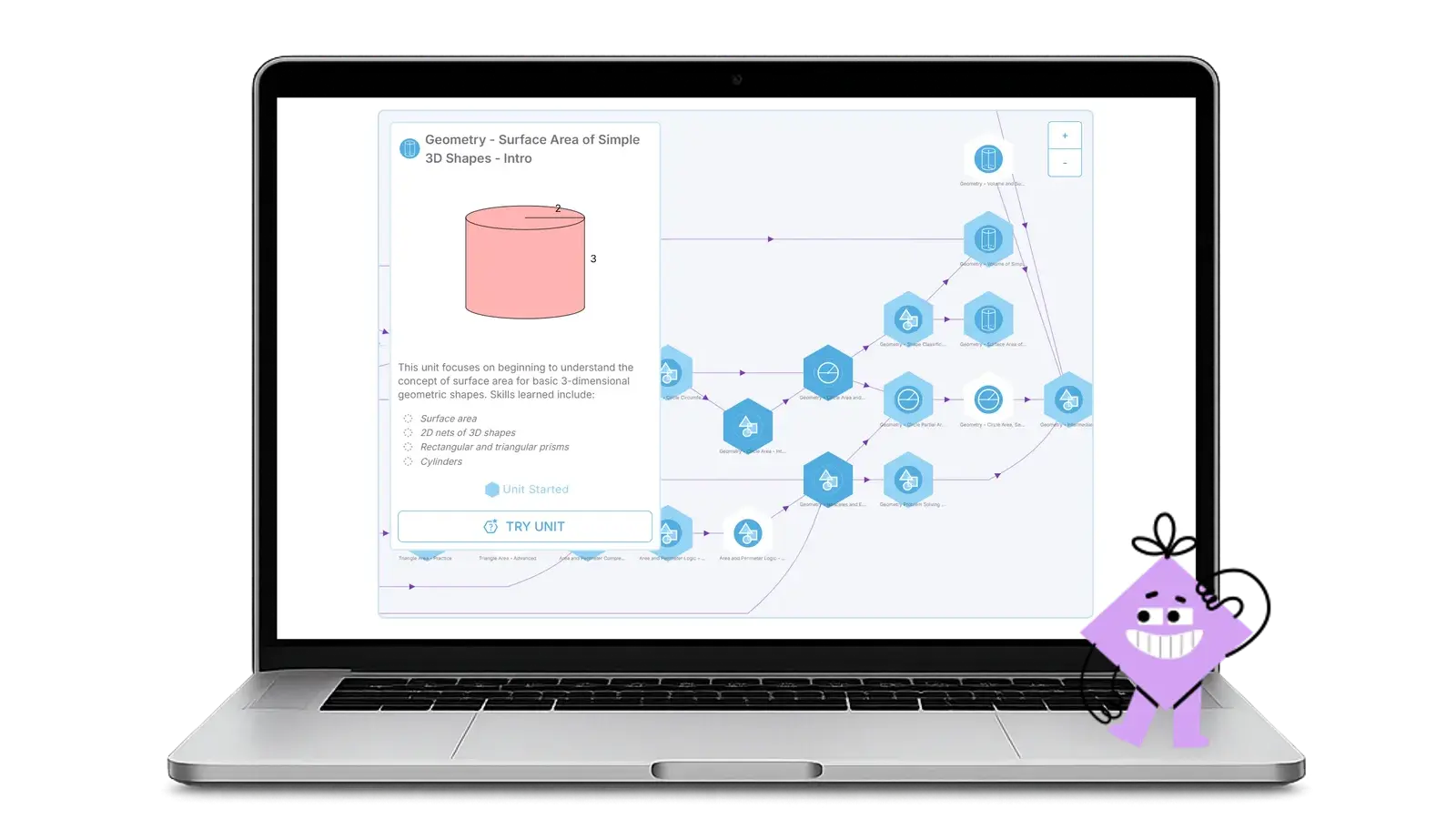
2
Assign Math Leaders

Assign a teacher, counselor, or support staff member to welcome students, explain the routine, and keep the session moving. The leader does not need competition-math expertise or to teach every solution; Matarus provides adaptive practice, explanations, and complete solutions for students to use.
The club leader can check participation, encourage persistence, and notice when a student needs help getting started. This gives students clear support while keeping the program practical for schools with limited specialist capacity.
3
Manage Enrollment
Set roster size, capacity, start dates, and student additions or removals according to your school's policies. A clear enrollment process helps staff prepare each session and gives families a straightforward way to understand the opportunity.
A recurring competition-math club gives ambitious students meaningful advanced learning beyond the regular school day. It also gives families a visible STEM-enrichment option and helps the school demonstrate a strong pathway for students who want deeper mathematical challenge.

4
Prepare Devices

Make sure every student has a laptop or Chromebook with reliable access to Matarus before the club begins. A quick device check helps prevent login, connection, or charging issues from taking time away from the session.
With devices ready, students can begin working independently as soon as the block starts. Staff can spend less time troubleshooting and more time keeping the club focused, welcoming, and productive.
5
Plan Practice Blocks
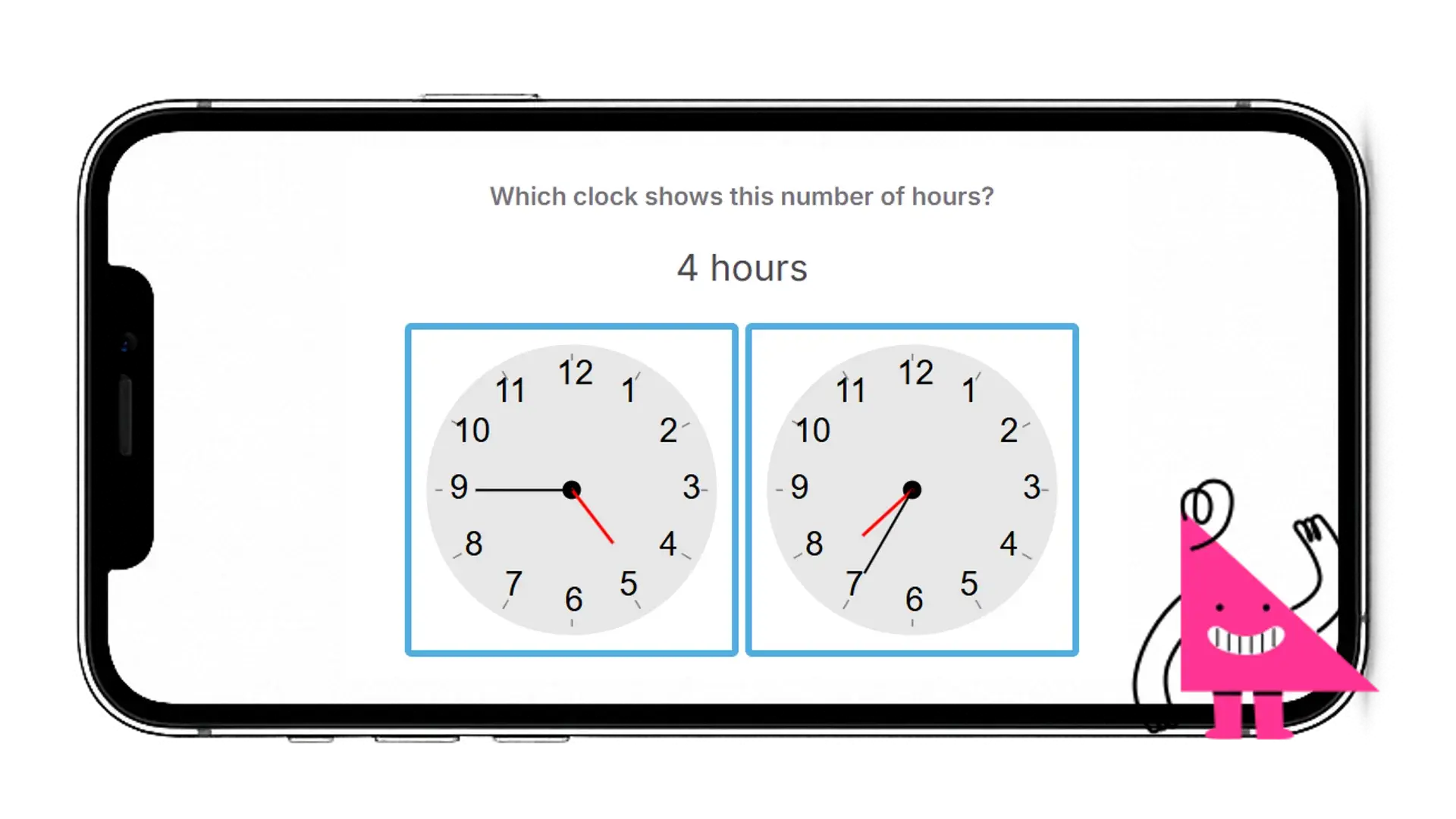
Choose 10 to 15 minute blocks for core-skill practice or competition problems, giving the session a clear and varied rhythm. Short blocks make it practical to combine focused fluency with richer non-routine questions.
Staff can select a balance that fits the group, the time available, and the skills students are building.
6
Build Contest Skills
Build contest readiness through algebra, geometry, number theory, combinatorics, and multi-step reasoning. Regular practice helps students recognize patterns, choose useful strategies, explain their thinking, and persist when the path is not obvious.
Explanation-backed practice helps students turn an initial pattern into a strategy, test whether it works, and write a clear justification. With repeated exposure to unfamiliar problems, they build habits that support contests and advanced mathematics.