
Choose an activity that fits the time you have and the kind of participation you want, from a fast warm-up to a longer team task.
Free Math Activities
No logins. Ready for class.
Free K–12 math activities with no student logins, ready to launch in seconds for active classroom participation.
Ready-to-Use Formats
Choose free classroom activities for warm-ups, quick checks, partner work, review, and short practice blocks across K–12 math topics.
Each format is easy to launch and designed for real class time, so students can start thinking and participating quickly. Teachers get meaningful practice without giving up instructional depth or adding a complicated routine.

Formats for Real Class Use
Explore free classroom math activities across K–12 topics and units for warm-ups, quick checks, partner work, review, and short practice blocks. They are easy to launch, simple to use in real class time, and built to keep students participating in meaningful math.
BigBoard!
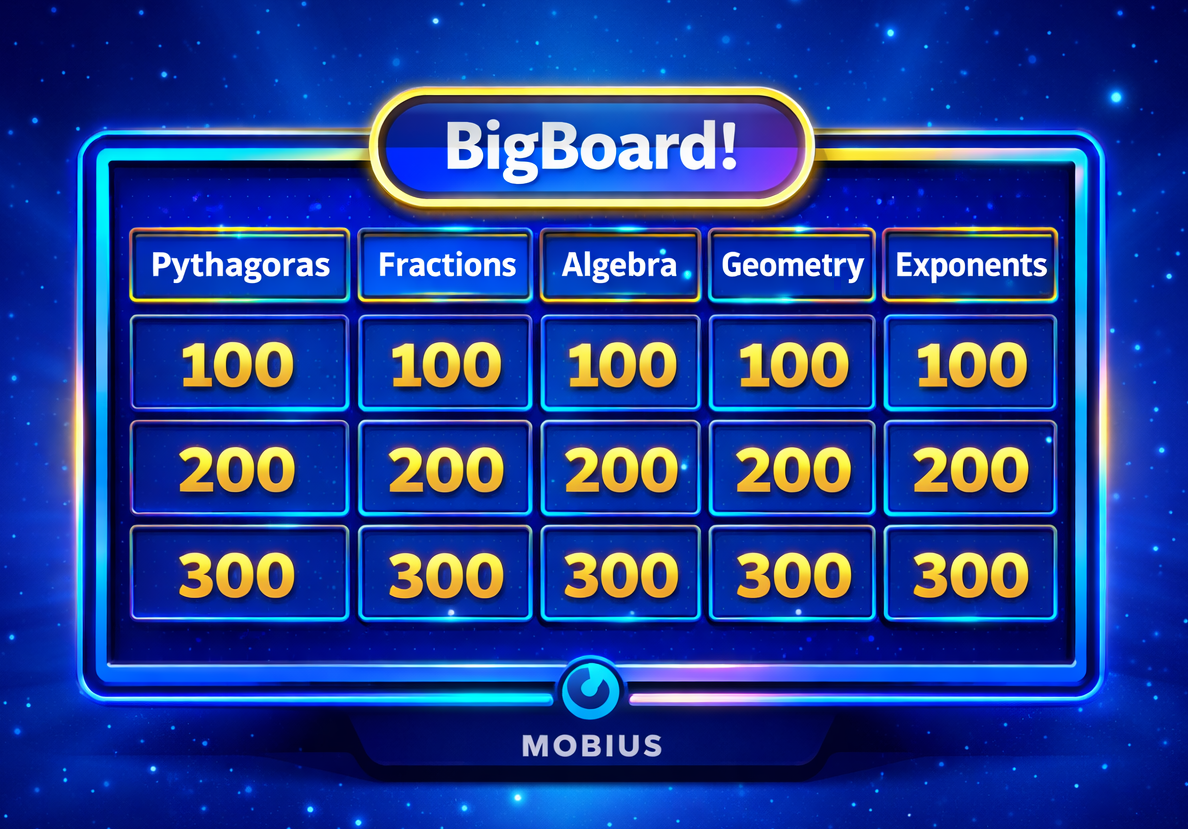
BigBoard is a zero friction quiz board for full-class review and engagement. Up and running in 45 seconds
Get StartedHigh Stakes

High Stakes is a zero friction 'millionaire' style quiz game to quickly understand class level on a math theme
Get StartedQuick Evidence, Clear Next Steps
Choose an activity, connect it to the current unit, and guide students through a format that fits the lesson. After class, use the activity record to capture a concise reflection and prepare a clear handoff for future planning.


Select a unit that matches what your class is working on now, so the activity connects to today's lesson.

Start right away with no student logins and almost no setup, so class time goes to math instead of admin.

Use the activity for individual, partner, or team work to keep students thinking, talking, and contributing.

Watch student answers reveal strengths and misconceptions while the lesson is still live.

Use that evidence to regroup students, choose a follow-up task, or decide what the class needs next.

Matarus classroom activities are free for teachers and schools, with no up-front cost or commitment required to start. Optional tutoring services are available separately.
1
Pick an Activity

Pick an Activity
Choose an activity that fits the time you have and the kind of participation you want, from a fast warm-up to a longer team task.
The range of formats helps you match the activity to the exact moment in your lesson, whether you need a quick opening hook, focused practice, or a richer collaborative task. That flexibility makes it easier to keep the lesson moving while giving students a meaningful reason to engage with the math.
2
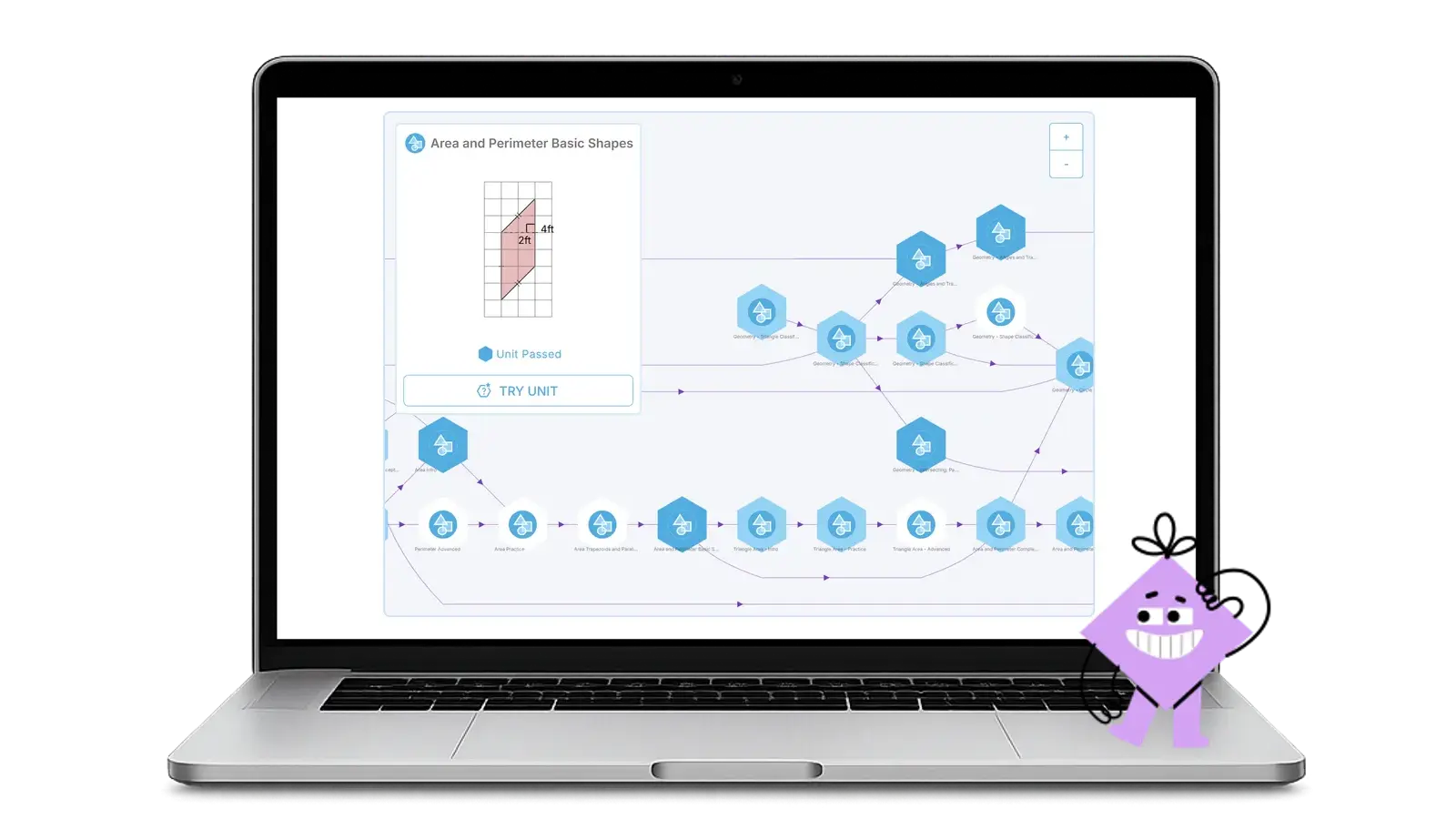
Choose Your Unit
Choose Your Unit
Select a unit that matches what your class is working on now, so the activity connects directly to today's lesson rather than feeling like a detour.
Aligning the activity to your current unit means the practice reinforces exactly what you are teaching, and the evidence you gather is immediately relevant to your next instructional decision.
3
Launch in Seconds

Launch in Seconds
Start right away with no student logins and almost no setup, so class time goes to math instead of admin. The zero-friction launch is what makes these activities easy to reach for on any given day.
Because there is nothing to configure, teachers can decide to run one on the spot in response to how a lesson is going.
4
Run Participation
Keep Students Engaged
Use the activity for individual, partner, or team work so students keep thinking, explaining, and contributing.
Change the social structure to fit your lesson goal, from quiet independent reasoning to collaborative discussion. Every format keeps the mathematical work at the center while giving more students a clear way to participate.

5
See Responses Fast
See Responses Fast
Review the activity summary to see class-wide response patterns, including which ideas most students handled confidently and where answers began to split.
You can also compare how different teams or parts of the class approached the work, giving you a sharper picture of the thinking happening in the room.

6
Adjust the Lesson

Adjust the Lesson
Use the pattern you see to shape the next part of the lesson. If most students are ready, move into a more demanding activity; if understanding is uneven, bring the class together around one worked example.
For instance, a class that is secure with calculations but divided on explanation may need a discussion task rather than more of the same practice.
7
Start Free
Start Free
Matarus classroom activities are free for teachers and schools, with no up-front cost or commitment required to start. Optional tutoring services are available separately, so schools can begin with the free classroom experience and expand later if they choose.
There is a genuine, no-risk way to try the activities before considering anything paid.

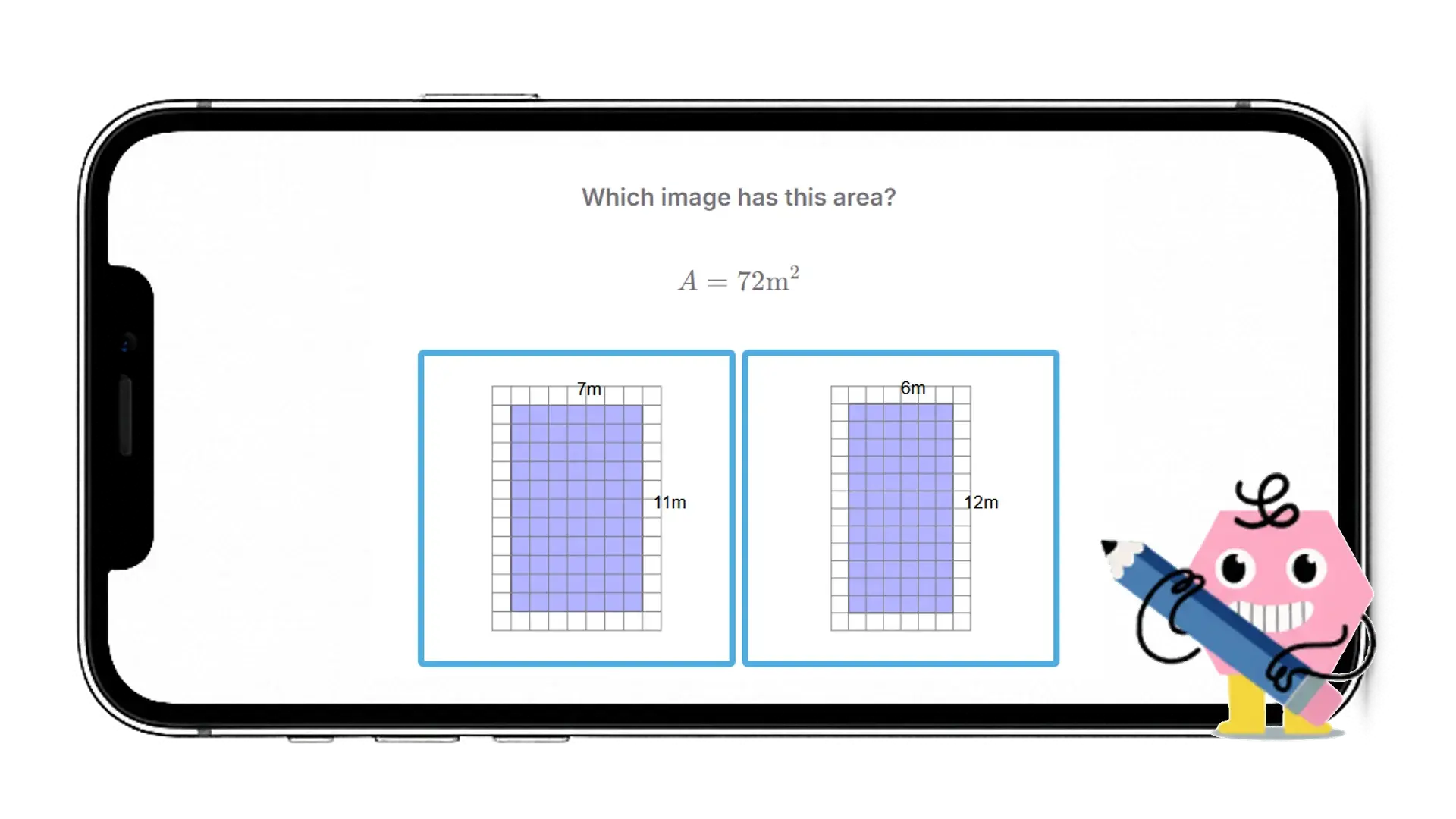
Classroom Benefits, Made Visible
See what students understand and where they need support without adding extra marking.
That quick evidence helps you spot misconceptions, group students, and choose the next question, classroom discussion, or follow-up lesson while the math is still fresh. You can respond to the class instead of relying on a few raised hands or finished answers.
Proof You Can Use
Inspect the summary for response patterns rather than relying on a few raised hands or finished answers. It gives you a quick view of how the class engaged with the activity.
The result is a more visible record of student thinking that can support conversations with colleagues, clearer lesson reflection, and better planning for the next class.


Achievement
for every child



Each student follows work that matches their current readiness, pace, and confidence, even inside a shared tutoring group.
The platform keeps every child on a path that fits them, while the tutor guides pacing and steps in exactly where an individual learner needs support to keep moving forward.
That keeps the experience personal and makes the small-group format feel meaningfully different for every child, instead of one identical lesson delivered to the whole group.