
Keep Math on Pace, Extend
Advanced challenge, still on pace
Matarus helps teachers stay aligned to unit goals and pacing while keeping advanced students challenged for college, university, and STEM futures.
Math Excellence Within the Unit
Matarus uses readiness signals to show what each student needs within the current unit. A learner who is missing a prerequisite can reinforce it, a student who is ready can deepen understanding, and an advanced learner can apply the same concept to a more demanding problem.
This gives teachers a clearer next step without creating a disconnected enrichment track. Students stay connected to the class objective while their work responds to what they already know and what they are ready to learn next.
Connected Paths, Clearer Progress
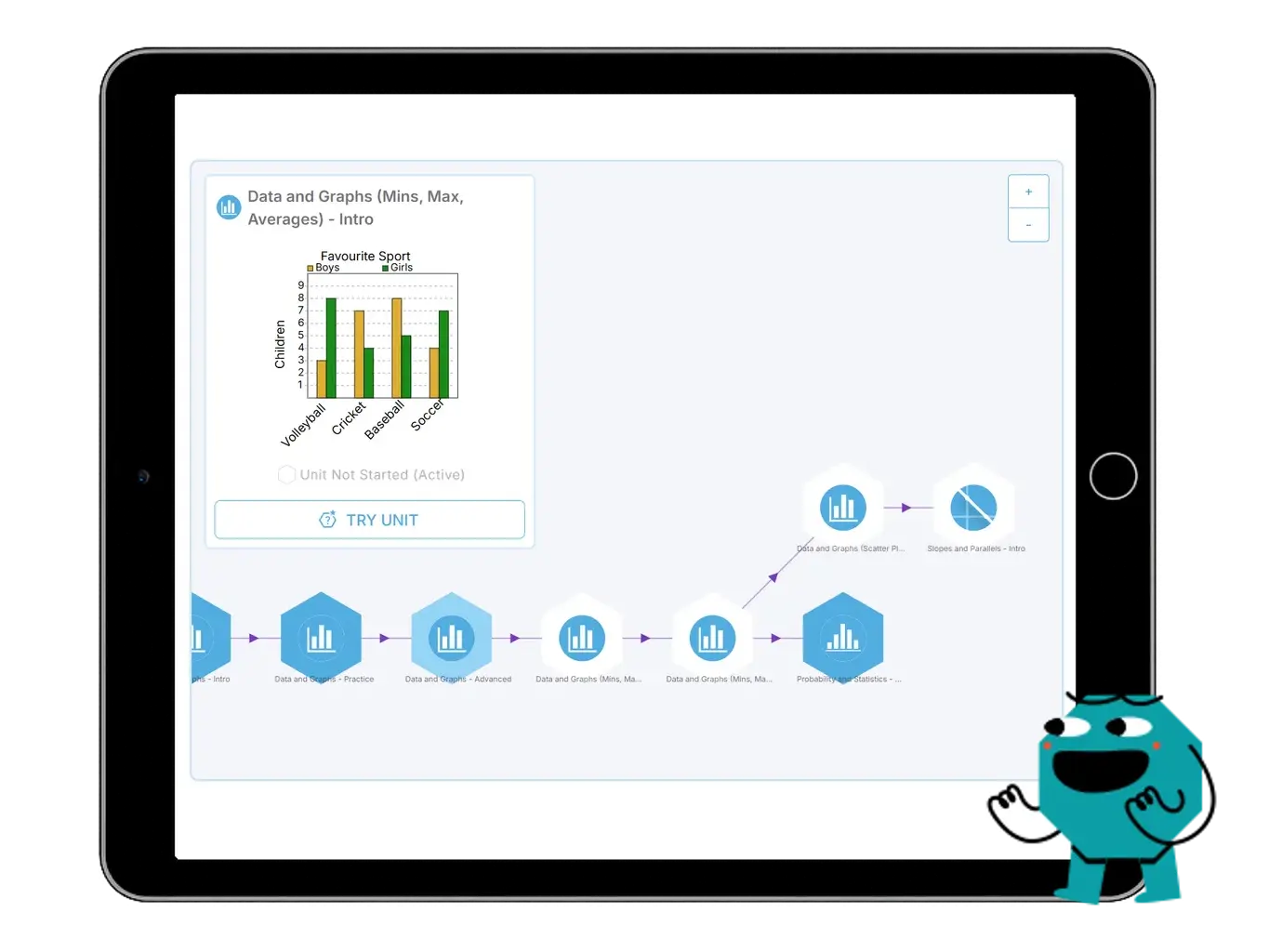
Placement connects each student’s readiness to the current unit, so reinforcement, core practice, and extension can sit within one classroom plan.
For example, a Grade 9 algebra team might map resources to a unit objective, add a short prerequisite review for students who need it, and attach an extension task for students ready for deeper application. Teachers preserve the pacing plan while giving students different paths toward the same objective. The shared map also makes planning easier to explain and reuse across classes.

Consistent Implementation Across Teams
Departments and schools can use shared mapping conventions so teachers describe objectives, prerequisites, and next steps in a consistent way. Reusable unit patterns make it easier to compare what is working across cohorts while leaving room for each teacher's classroom judgment.
A rollout can begin with one team or unit, then expand as staff build familiarity. Leaders gain a clearer implementation path, and teachers can collaborate around common curriculum language instead of creating disconnected systems for each class.
Visible Prerequisites, Better Next Steps
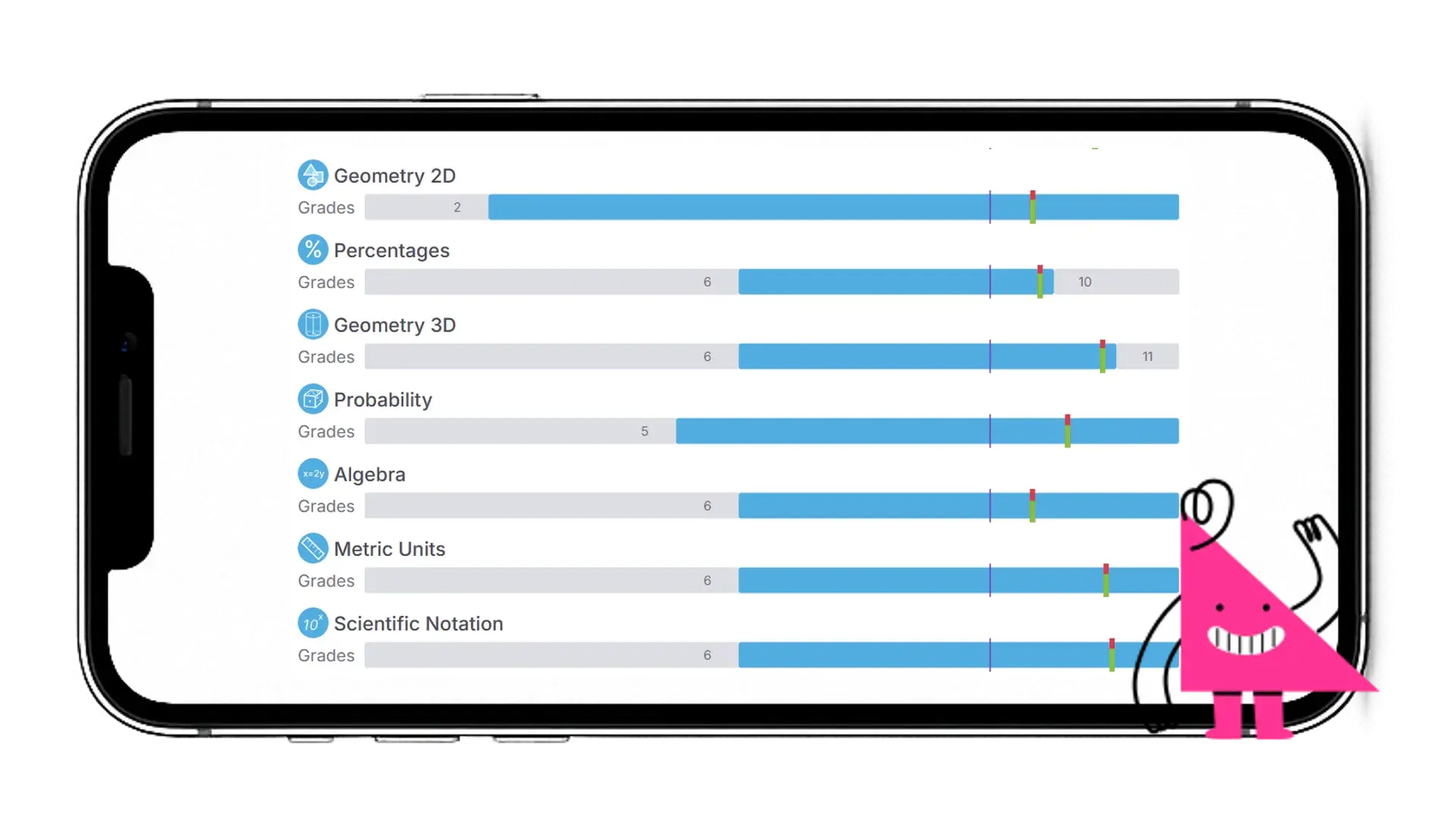
Teachers can see which prerequisite skills support the next concept and identify where a student may need reinforcement. This helps them choose a targeted resource without losing sight of the pacing guide or current unit objective.
A resource can point to a specific skill gap, such as fraction fluency before solving equations, so students spend time on the foundation that will help them move forward. Teachers can then return students to core work or extension when their readiness changes, rather than assuming every learner needs the same level of challenge.
A Practical School Rollout
Book a short call to see how Matarus can fit your curriculum, pacing, and student needs. We can discuss a rollout that starts with a current unit, shows teachers how to review readiness information, and grows across a department or school. The conversation can also cover implementation roles, teacher visibility, and how existing planning routines can remain part of the process.
- Quick explanation and setup
- Don't worry, it's completely free for you and your school