Set up your class with defined student accounts (no student PII required).
Place Every Student Well
Theme-Based Checks, Clear Next Steps
Theme-based placement gives every learner a stronger starting point, helping teachers build differentiated math classrooms and prepare students for college, university, and STEM futures.
A Practical Fit for Differentiation
Matarus gives teachers a practical view of readiness within the math theme they are about to teach. After students complete a brief check with defined accounts, the platform shows where learners can begin, where foundations need attention, and who is ready for more challenge. Teachers can use that evidence to plan groups, support, and extension without assuming everyone starts in the same place.
Schools do not need to provide student personally identifying information. Teachers choose the theme, review the results, and apply them to daily instruction.
Placement That Matches Readiness
Adaptive leveling places students at different points within the same math theme instead of giving everyone one shared starting level. Each learner answers questions that respond to performance, helping the check identify a useful entry point for the next stage of classroom work.
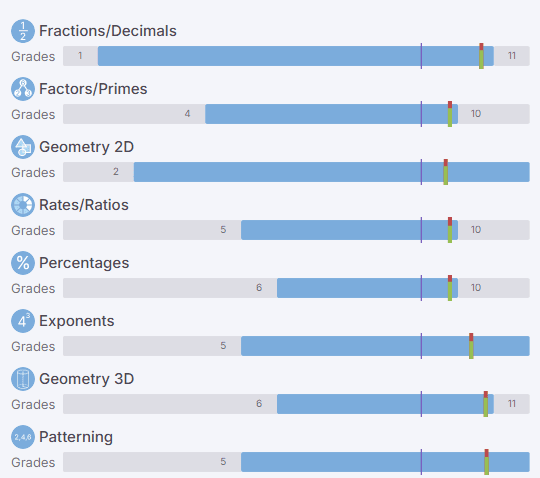
The process typically takes about 10 minutes, so teachers can gather this evidence without a separate testing day. Students may begin across several grade levels within one theme, giving teachers a clearer basis for reinforcement, extension, and daily differentiation.
How It Works
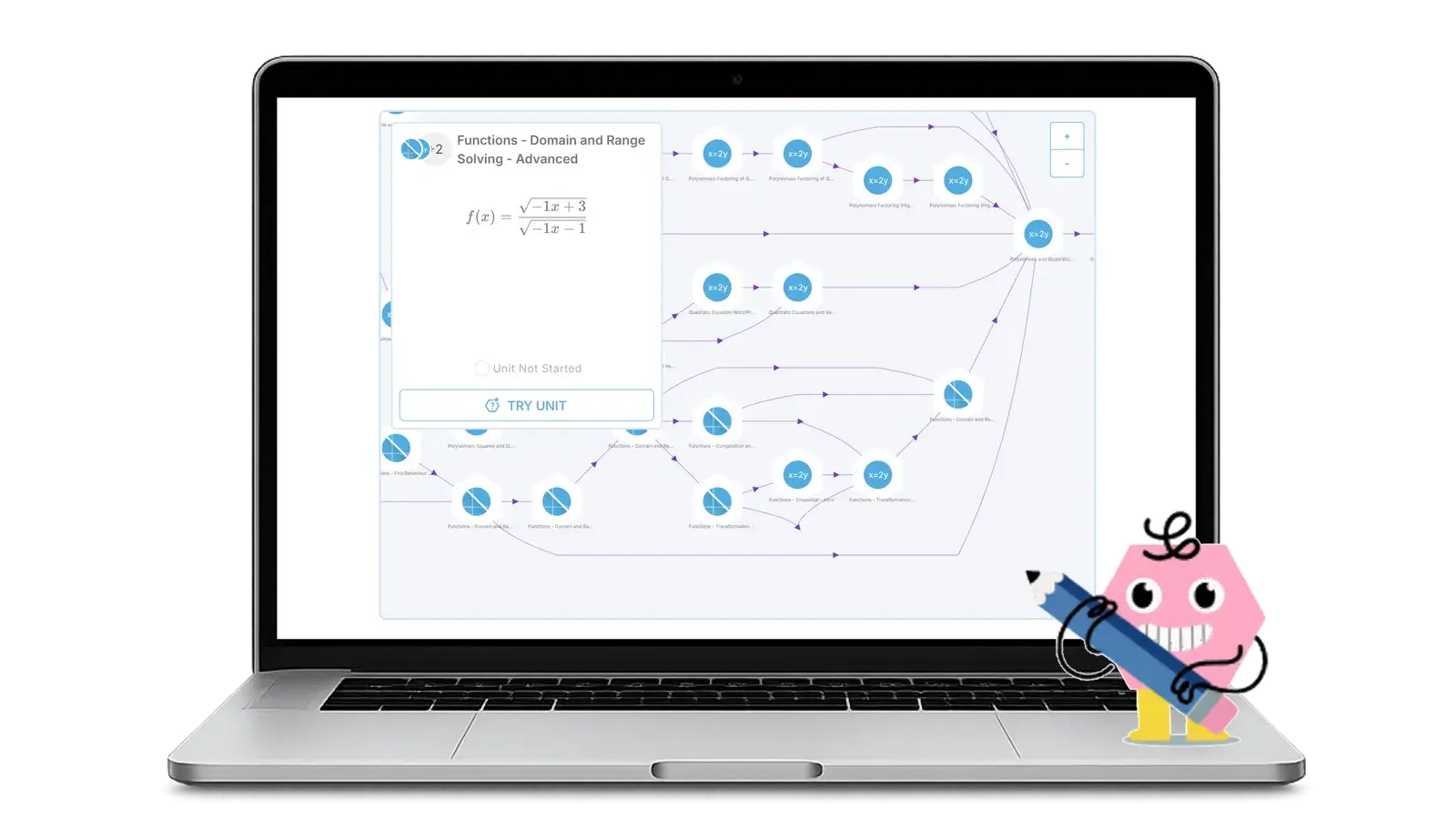
Follow eight connected steps: set up student accounts, choose the current math theme, launch a brief leveling exercise, let adaptive questions respond to performance, review each student’s personal path, examine class and student-level analysis, use the results to tailor daily work, and re-run leveling during or after the unit to measure growth and adjust instruction.


Choose a major math theme to level, based on current classroom focus.

Launch a brief leveling exercise, typically around 10 minutes.

Students answer adaptive questions that increase or decrease in difficulty based on performance.

Each student follows a personal path and may level at different grade points within the same theme.

Review class and student-level analysis showing current level, strengths, and challenge areas.

Use results to automatically tailor daily exercises, homework, and challenge work for each learner.
1
Set Up Your Class

Teachers set up a class with defined student accounts to begin. No student personally identifying information is required, so setup stays simple and privacy-friendly.
Even without personal data, Matarus can still track progress and adapt difficulty per learner, which means the leveling workflow starts quickly and respects the constraints schools work under.
2
Choose Your Math
Choose a Math Theme
Teachers select the major math theme that matches what the class is working on now. Keeping the check tied to current classroom focus makes the results useful for the next lesson and the next stretch of practice.
The evidence reflects readiness within that specific theme, rather than sending students through an unrelated assessment or treating a broad math score as the whole picture.

3
Level Readiness
Start at the Right Level
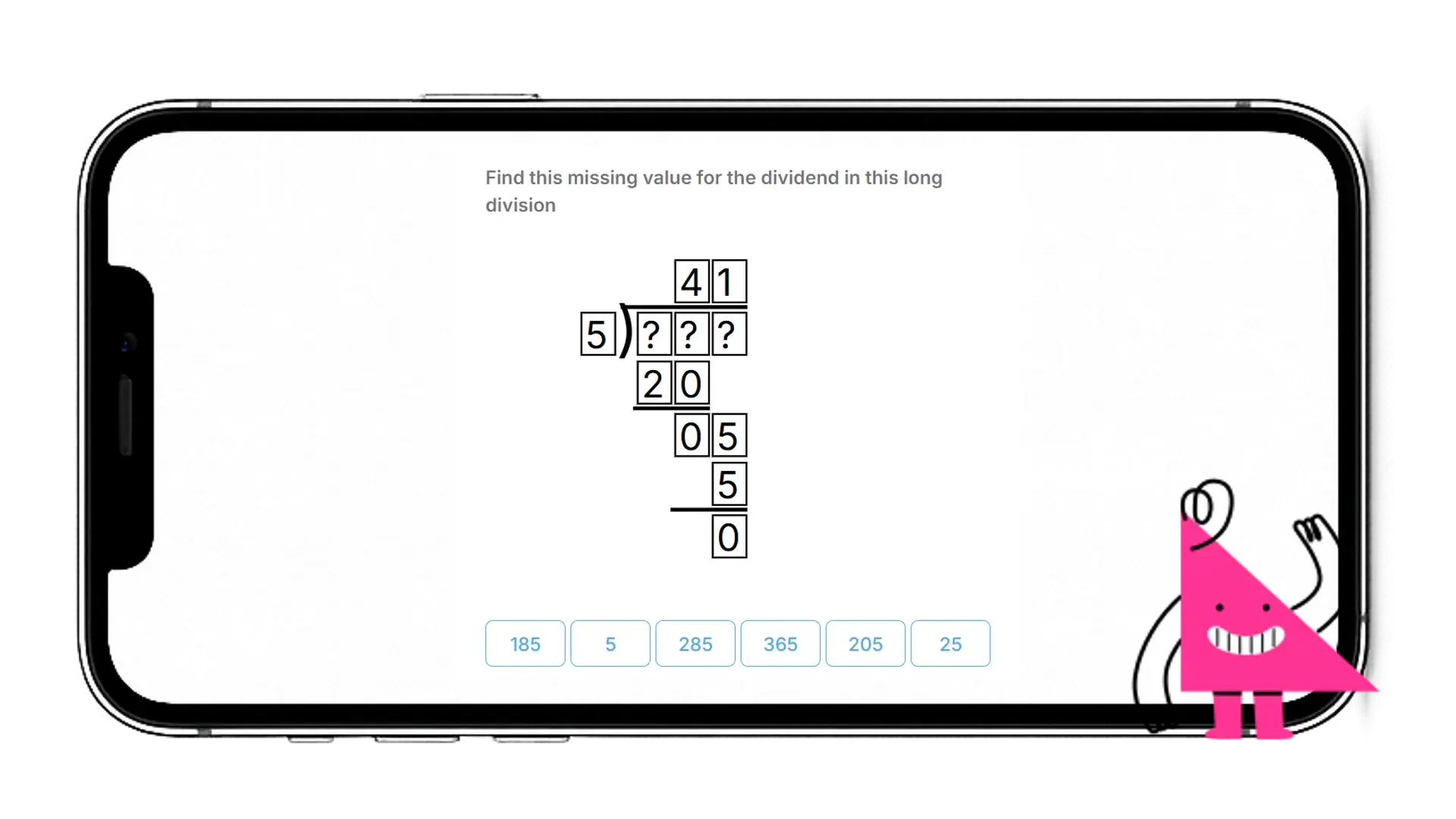
Launch the check at the start of a lesson or unit, usually in about ten minutes. Students work independently while you circulate, answer routine questions, and continue normal classroom instruction.
Because the activity runs without a separate testing period, you can collect useful readiness evidence without disrupting the flow of the class.
4
Adjust Difficulty
Match Questions to Readiness
Students answer adaptive questions that become more or less difficult according to their performance. The exercise narrows in on each learner’s readiness within the selected theme instead of assuming the class shares one starting level.
That adaptive path turns a brief classroom activity into a useful placement signal, helping teachers decide who needs reinforcement and who is ready for greater challenge.

5
Personal Paths
Each student follows a personal path through the same math theme, so one class may land across several grade levels. That distribution shows the real range of readiness instead of compressing every learner into one average starting point.
Teachers can use the spread to spot prerequisite gaps, plan targeted reinforcement, and identify students ready for extension. The result is a clearer basis for differentiated work within one classroom.

6
Review Analysis

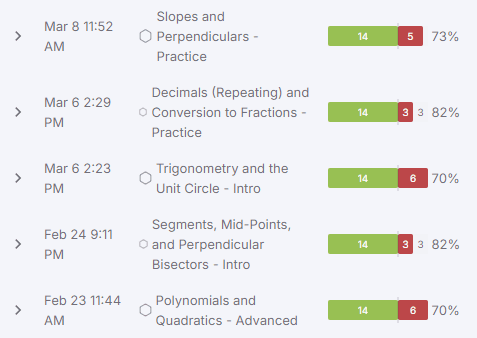
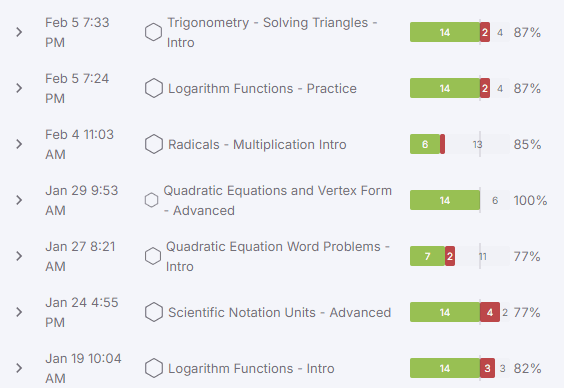
Teachers review class-level and student-level analysis showing current level, strengths, and challenge areas. Instead of one broad score, Matarus presents results in a format teachers can use during planning.
That makes it easier to group support, assign grade-level work more wisely, and extend the students who are clearly ready for more challenge.
7
Use Results
Teachers use the results to automatically tailor daily exercises, homework, and challenge work for each learner. Leveling data turns into differentiated daily instruction rather than a report that sits unused.
Teachers can also re-level over time to check growth, so the same workflow supports both the initial placement and ongoing progress monitoring.

Achievement
for every child



Each student follows work that matches their current readiness, pace, and confidence, even inside a shared tutoring group.
The platform keeps every child on a path that fits them, while the tutor guides pacing and steps in exactly where an individual learner needs support to keep moving forward.
That keeps the experience personal and makes the small-group format feel meaningfully different for every child, instead of one identical lesson delivered to the whole group.





Visible Growth Over Time
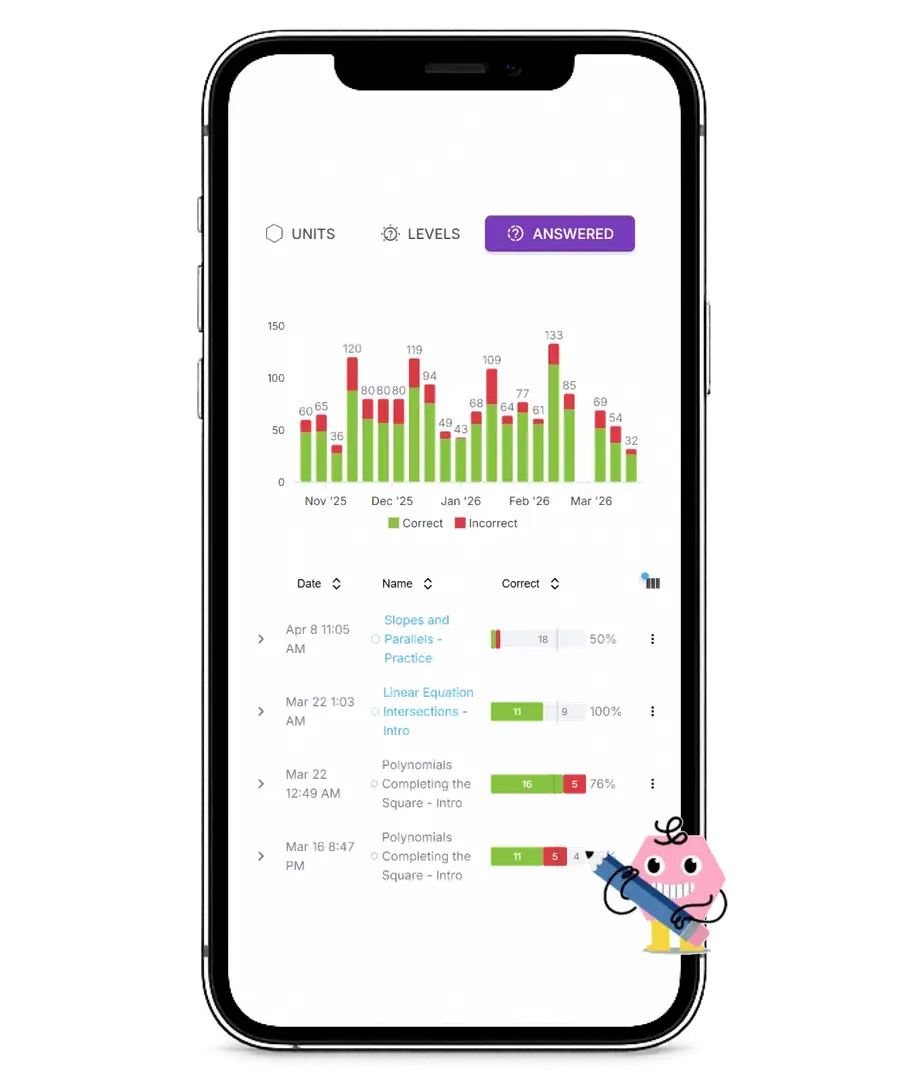
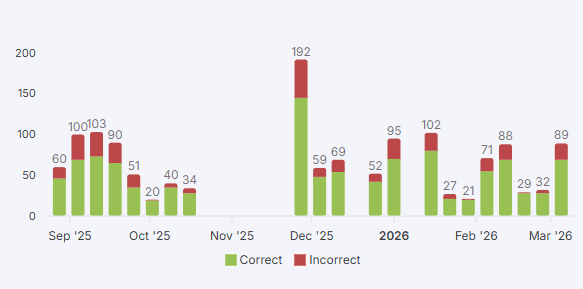
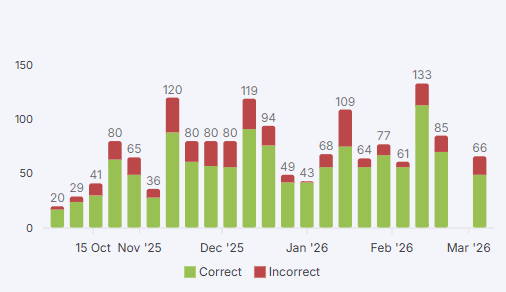
Teachers can level students again later in the same theme to see what has changed over time. Re-leveling makes growth easier to see student by student and across the class.
That fresh evidence can improve instructional decisions about support, regrouping, and added challenge while keeping teacher judgment at the center.
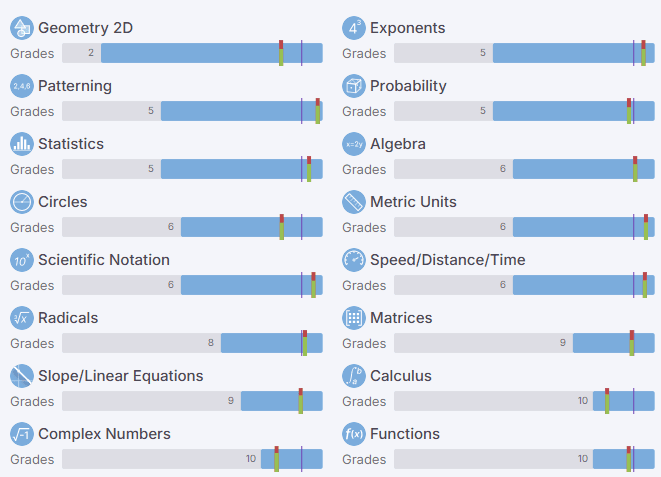

Mixed-Readiness Planning
When a class includes students at very different readiness levels, it can be hard to know where each student should begin in the same theme.
Clear placement helps teachers group support, stretch stronger students, and make starting-point decisions with more confidence without treating the whole class as if everyone is in the same place.
Start Using Matarus
See how Matarus helps teachers place students by math theme and turn readiness evidence into practical differentiated instruction. Start using Matarus at [/signup/teacher/](/signup/teacher/).
- Quick explanation and setup
- Don't worry, it's completely free for you and your school