Unit Mastery
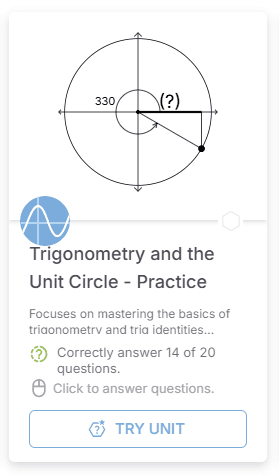
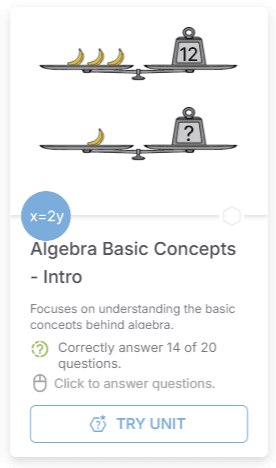
Adaptive units that scaffold concepts and explore the boundaries of their knowledge in an area.
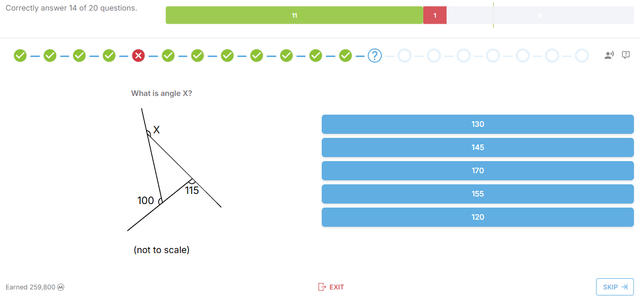
- Scaffolded learning
- Adaptive difficulty
- Concept exploration

Matarus helps teachers run daily differentiation with student accounts, right-level placement, adaptive work, and progress controls that support classroom decisions.
A connected classroom setup gives teachers a practical foundation for differentiation. Teachers create classes and student accounts first, without requiring student PII for that setup.
After setup, Matarus can place each learner at an appropriate starting proficiency, adapt daily work, and keep progress connected across sessions. This account-based workflow supports ongoing differentiation rather than a one-time activity.
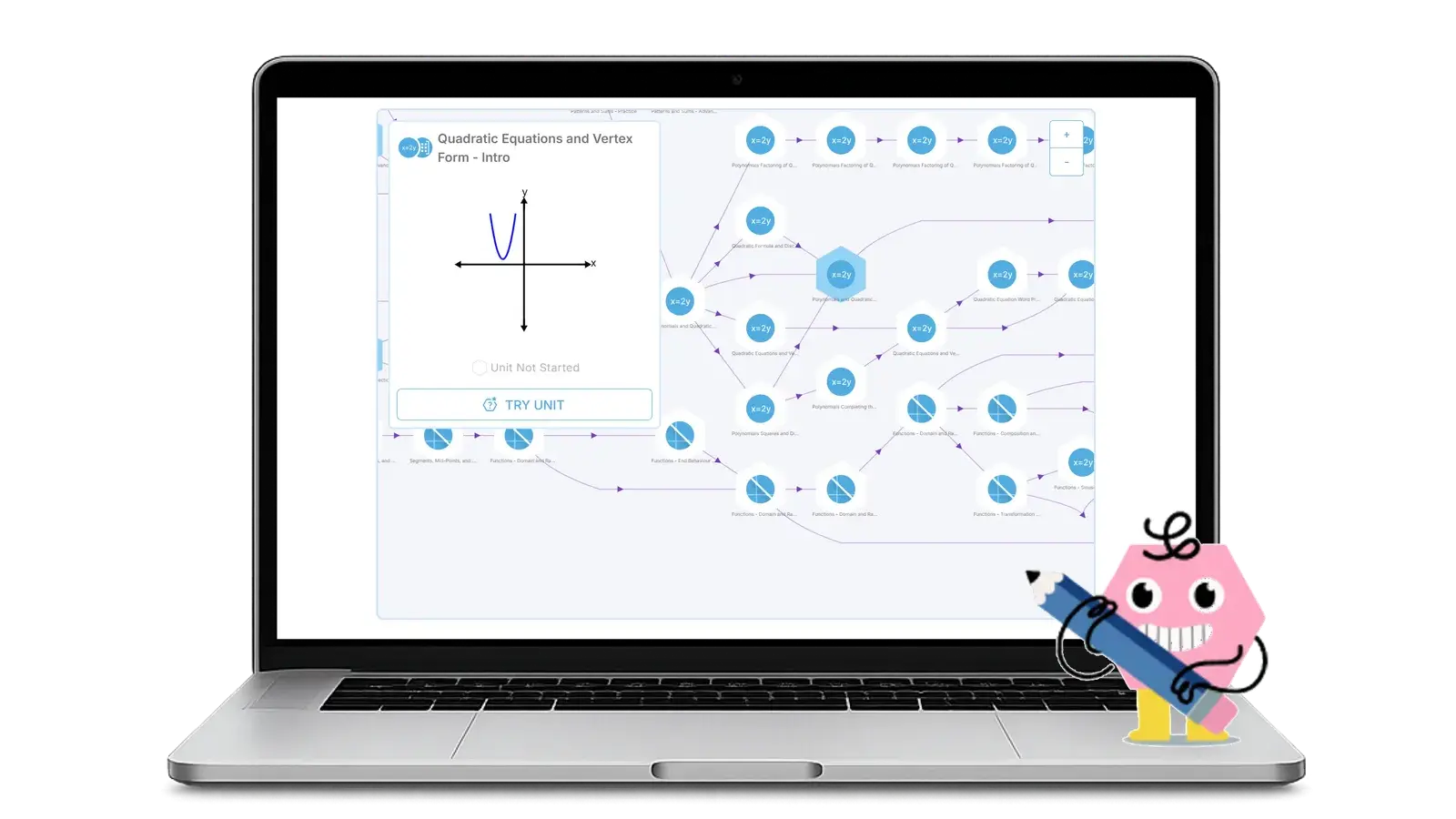
Advanced learners can move ahead without leaving the classroom’s shared math focus. Matarus can help them accelerate within the current theme, extending their work into more complex questions and deeper reasoning as their understanding grows.
When students are ready for a broader challenge, teachers can guide them toward deeper, competition-oriented problems and longer-term advanced pathways. Teachers remain in control of the level and pathway, choosing the right balance of acceleration, enrichment, and connection to current classroom learning.

After placement, daily theme-based units respond to each learner's level and pace. Students can study the same broad classroom focus while receiving questions and practice that fit their next useful step.
As learners work, the daily routine adjusts challenge and support while teachers review how students are responding. Teachers can override a student's level, pathway, or pacing when classroom evidence shows that another fit would better support learning.
That shared view helps teachers guide instruction, small-group attention, or a different next focus without manually tracking every response.
Daily adaptive units are one part of a broader differentiation routine. Practice targets challenge areas with guided explanation and reinforcement, helping students strengthen skills that are not yet secure.
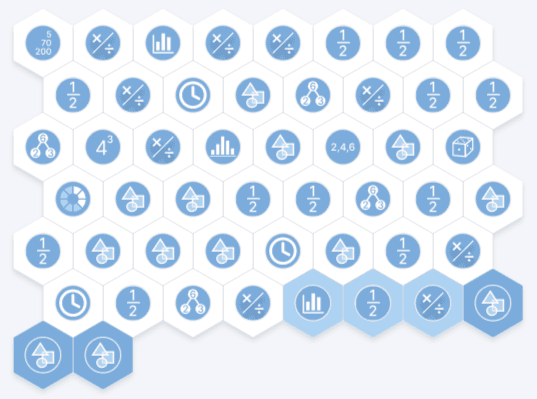
Speed Sets runs about every one to two weeks to build foundational fluency through focused repetition. Together, Practice and Speed Sets can improve accuracy, strengthen recall, and prepare students for more demanding problem solving over time.

Students master math through complementary learning modes that build strengths, shore up weaknesses, and stretch their thinking, so teaching stays catered to each learner instead of one fixed path.
Adaptive units that scaffold concepts and explore the boundaries of their knowledge in an area.
Single topic focus on a specific problem type that has been a struggle to make sure they understand it.
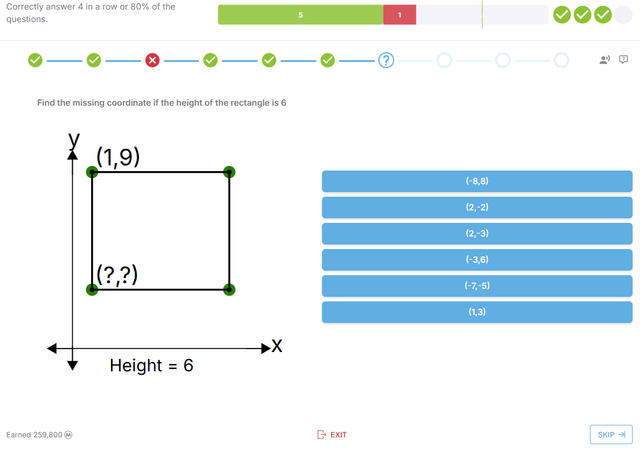
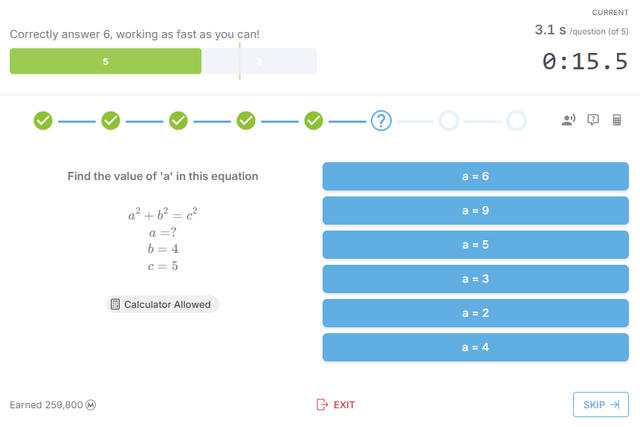
Paced repetition on selected areas (times tables being the classic example) to free up working memory.
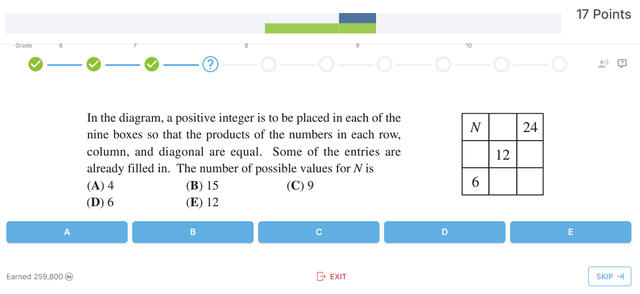
Creative problem solving that stretches their thinking and pushes deeper understanding of concepts.
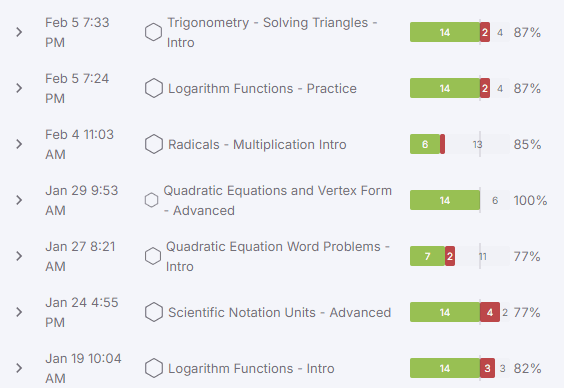
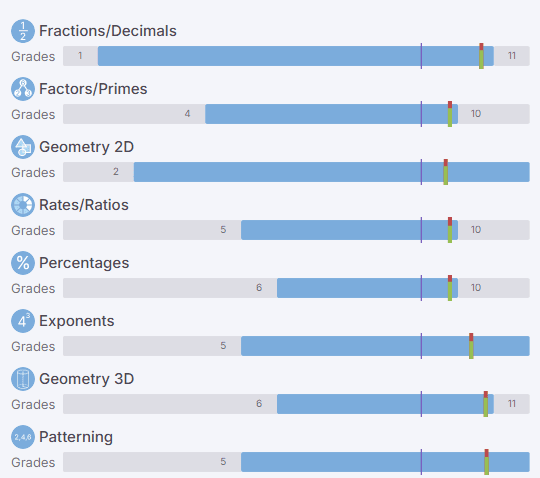
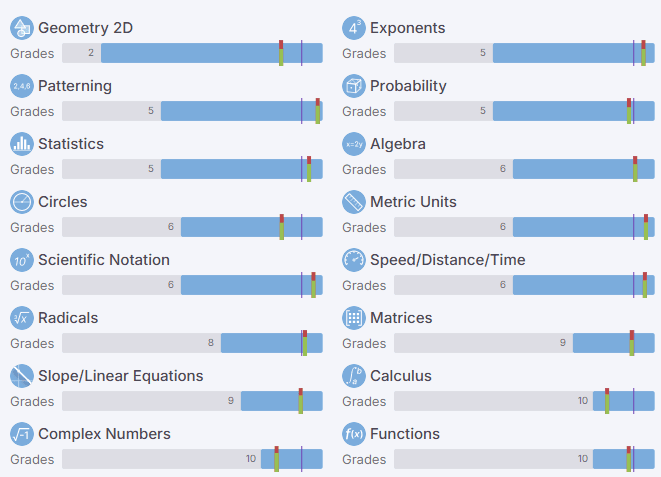
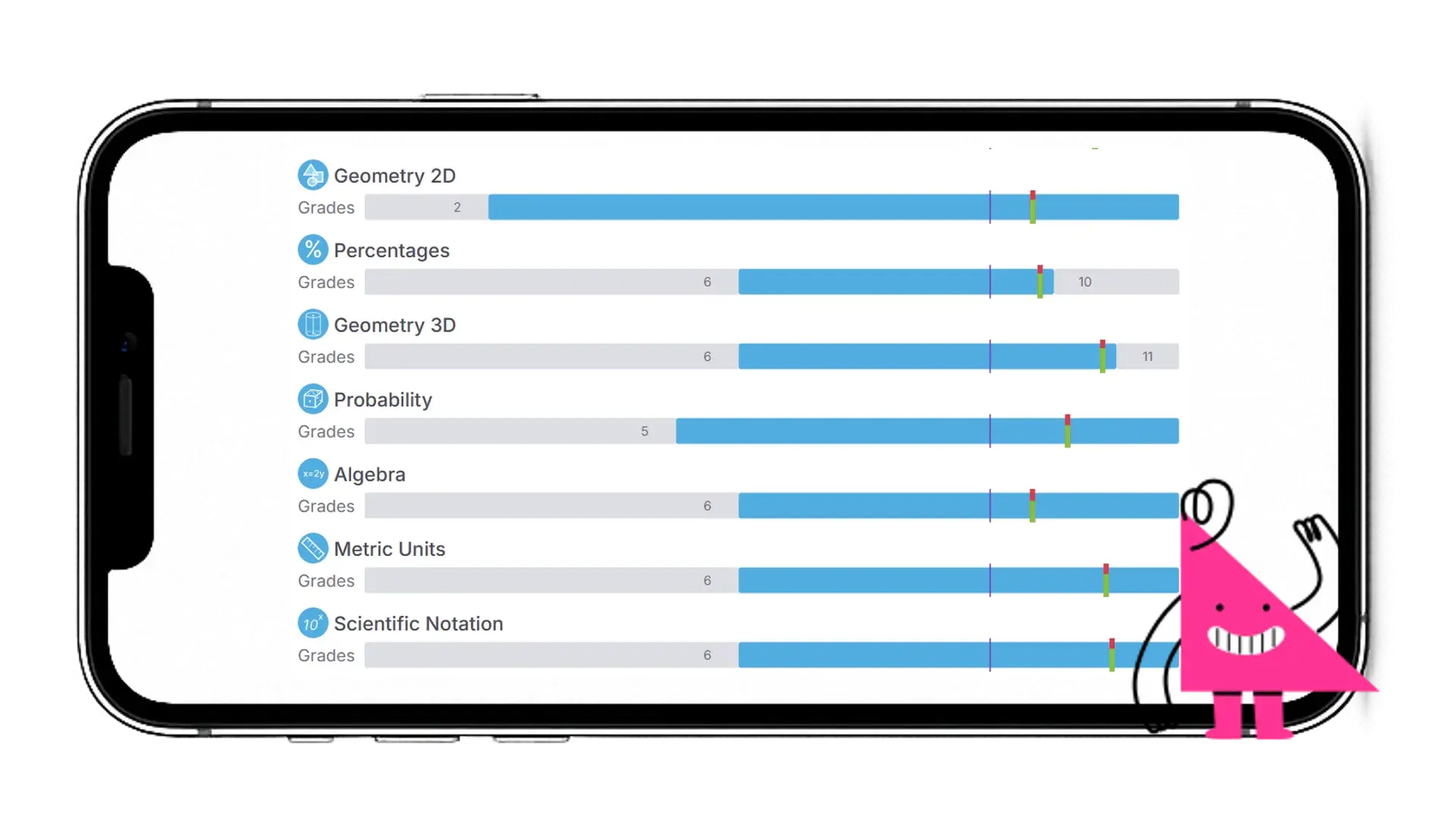
As students work, Matarus shows teachers which skills are secure, where errors cluster, and whether a learner is ready for more challenge. For example, a pattern of mistakes in fraction operations can point to a focused review before the next unit.
Teachers can use that evidence to regroup attention, revisit a prerequisite, or extend a student into richer problem solving. Clear progress information supports timely instructional decisions without requiring teachers to manually track every response.
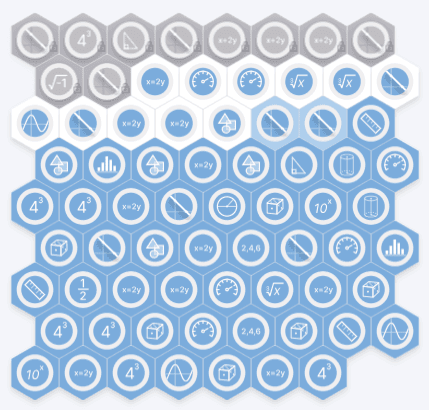
Advanced math development can open more options over time. Students may build from foundational understanding toward acceleration, deeper reasoning, and competition-oriented challenge as their readiness grows.
That progression supports longer-term preparation for college, university, and future STEM pathways. Teachers can encourage ambitious goals while keeping advanced work connected to the classroom's shared system.
STEM PATHWAYS
Strong math development can support a longer pathway toward future STEM possibilities for ambitious students.

GRADE 1-3
Early curiosity grows when strong math foundations make bigger questions feel reachable.

GRADE 4-6
Structure, persistence, and problem solving start to build an identity as a budding mathematician.

GRADE 7-9
As success increases, future plans in medicine, engineering, and technology become more ambitious.

GRADE 10-12
Ambitious students look toward competitive STEM programs at top-tier colleges and universities.
Connected progress gives schools a shared view of how learners are developing across classes and over time. Teachers and instructional leaders can compare patterns, spot students who need attention, and make more consistent decisions about support.
That continuity makes differentiation easier to sustain across a department. Staff can coordinate around evidence of skill growth rather than rebuilding a picture of each learner whenever a new unit, term, or class begins.

Choose a time to see how Matarus supports daily differentiation with student accounts, right-level placement, adaptive units, targeted practice, fluency work, and advanced pathways.