Anchor With A Visual Pattern
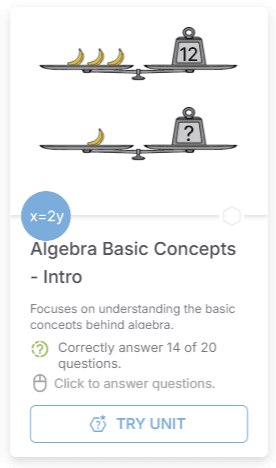
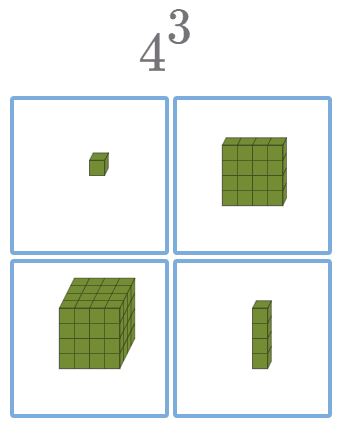
The first prompt grounds the concept in a visible repeated structure so the rule has a clear meaning.

Matarus helps students stay strong in everyday high-school math while building the foundation and confidence needed for AP or IB demands when that is their path.
High-school tutoring should help students handle today’s course work with more confidence while preparing them for the greater demands of AP or IB math. Matarus uses readiness evidence to identify the skills that matter now, strengthen the foundations behind them, and extend the work when the student is ready.
Families can choose the format that fits. Small-group tutoring provides the same Matarus platform and individualized learning at a more accessible price, with each student receiving distinct work, pacing, and challenge in a shared live session. Private math tutoring is the better fit when a student needs detailed attention to current classwork or session times arranged directly with the tutor.
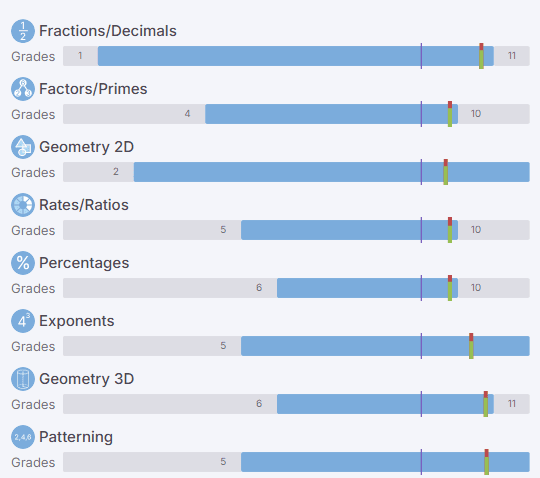
Advanced courses expose gaps quickly, especially when new ideas depend on older skills. Matarus identifies the foundations each student needs to strengthen.
Tutors then help students apply those skills to unfamiliar problems, while the platform keeps practice aligned with readiness and long-term AP or IB goals.
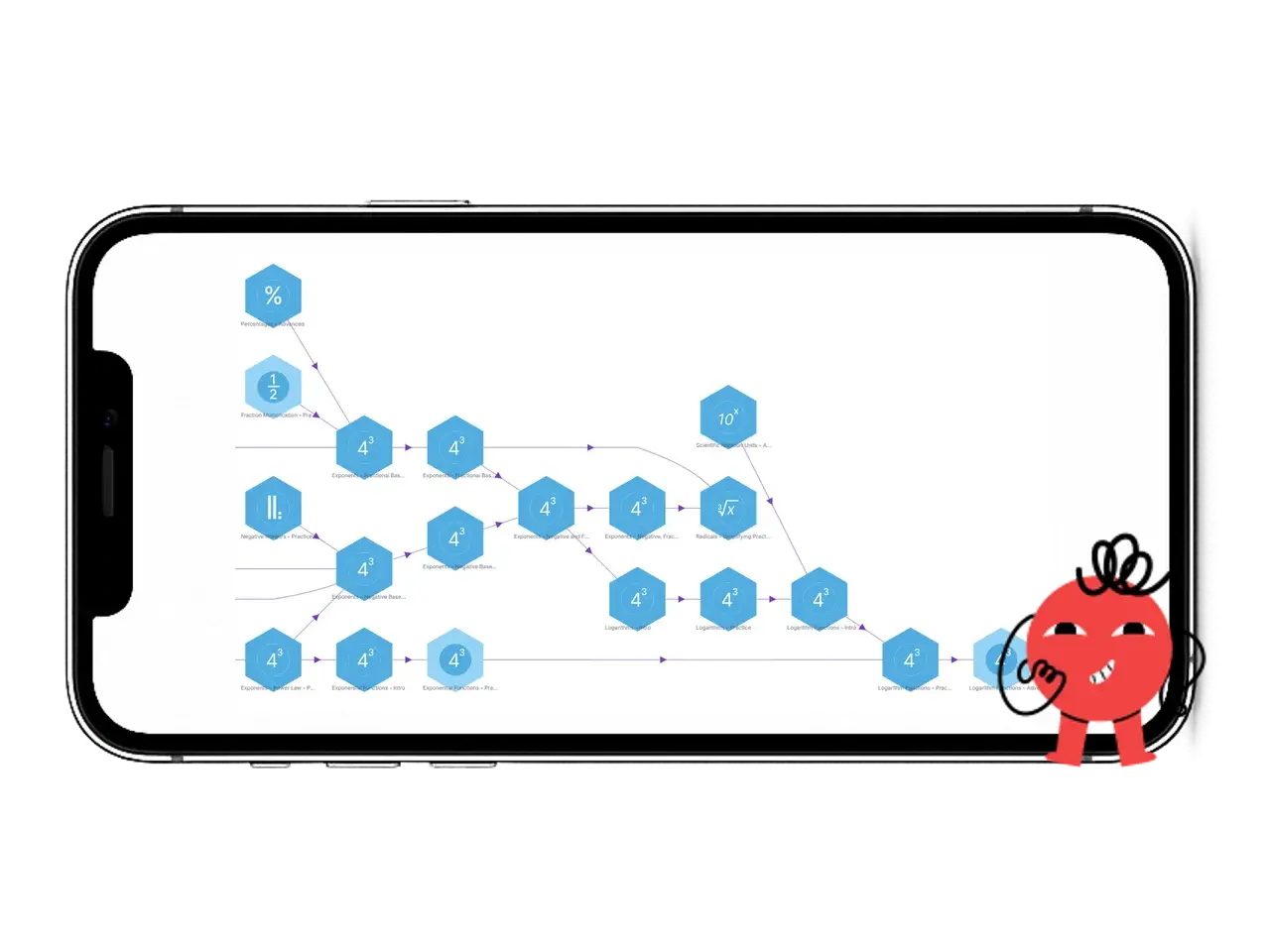
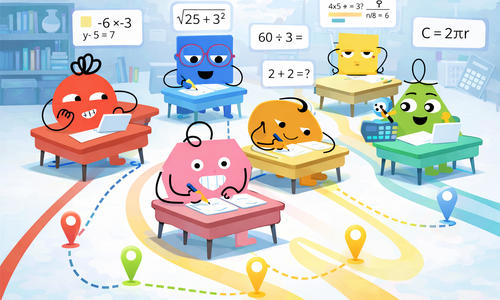
A demanding course becomes more manageable when each new idea rests on secure prerequisite skills.
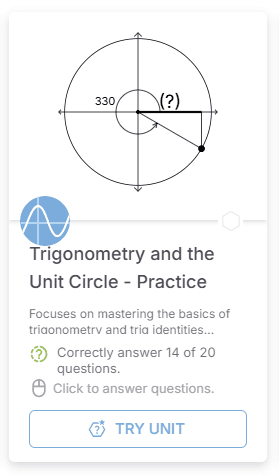
The example below shows how Matarus connects foundational knowledge to harder trigonometry work, with the platform shaping the sequence and the tutor guiding students through each step.
Grades 7-9 example
Even advanced topics improve when learners move through a controlled sequence: concrete pattern, formal notation, worked expansion, and abstract application.
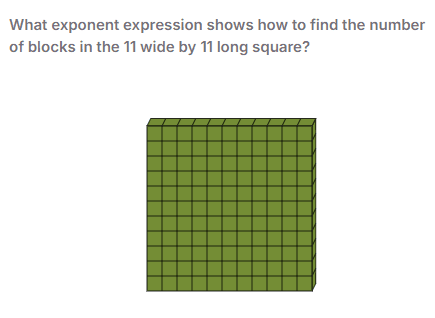
The first prompt grounds the concept in a visible repeated structure so the rule has a clear meaning.
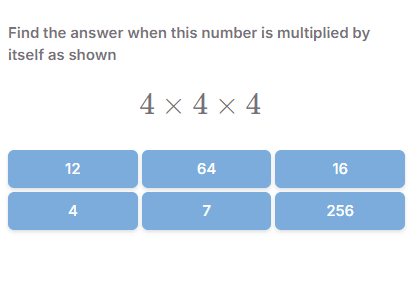
Students translate the visual structure into compact notation while the connection is still explicit.
The middle step asks for a correct expansion and computation so the learner rehearses the rule without losing the underlying pattern.
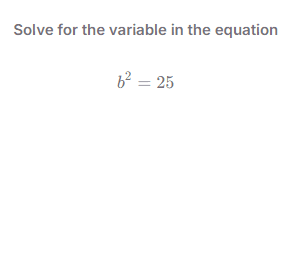
The final step shifts into algebraic notation, checking whether the student can generalize the same reasoning to symbols.
AP and IB preparation may call for stronger algebra, functions, trigonometry, statistics, or calculus readiness. The right priorities depend on the student’s current course and what readiness evidence shows.
Matarus helps families see which foundations deserve attention first, so practice supports both immediate class demands and long-term mathematical growth.

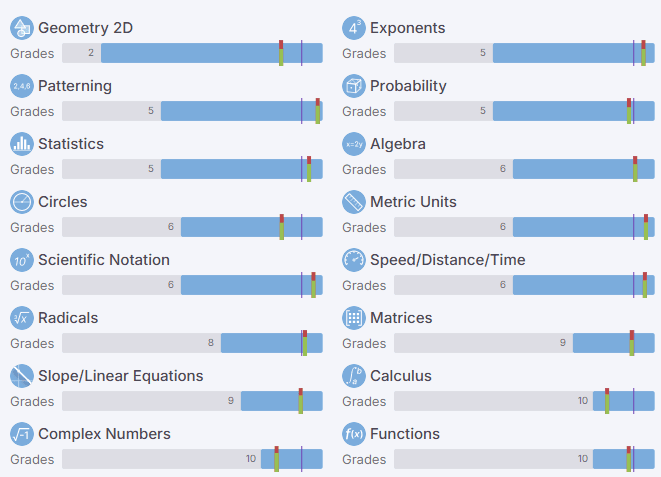
Students strengthen the core math domains that matter across high-school courses and support AP and IB readiness: algebra and equations, exponents and radical expressions, functions and graphs, trigonometry, probability and statistics, matrices, and introductory calculus. Matarus uses the platform to place each student at the right level in these areas, then tutors guide the work so students build stronger foundations, clearer reasoning, and better readiness for demanding class questions and assessments.
Advanced Algebra and Equation Solving
Students solve multi-step equations and inequalities while modeling complex relationships with algebra.
Functions and Graphical Analysis
Students analyze domain, range, transformations, and composition across graph and equation forms.
Exponents and Radical Expressions
Students apply exponent laws and simplify radical expressions with precision and confidence.
Students use trigonometric ratios, identities, and functions to solve advanced triangle and periodic problems.
Students model relationships with linear equations and solve systems graphically and algebraically.
Probability and Statistical Reasoning
Students interpret data, calculate probabilities, and communicate statistical conclusions clearly.
Students use matrices and matrix operations to represent and solve systems effectively.
Introductory Calculus Concepts
Students build understanding of limits, derivatives, and integrals for AP and IB readiness.
Featured Skill
Students solve multi-step equations and inequalities while modeling complex relationships with algebra.
Sample preview unavailable for this skill.
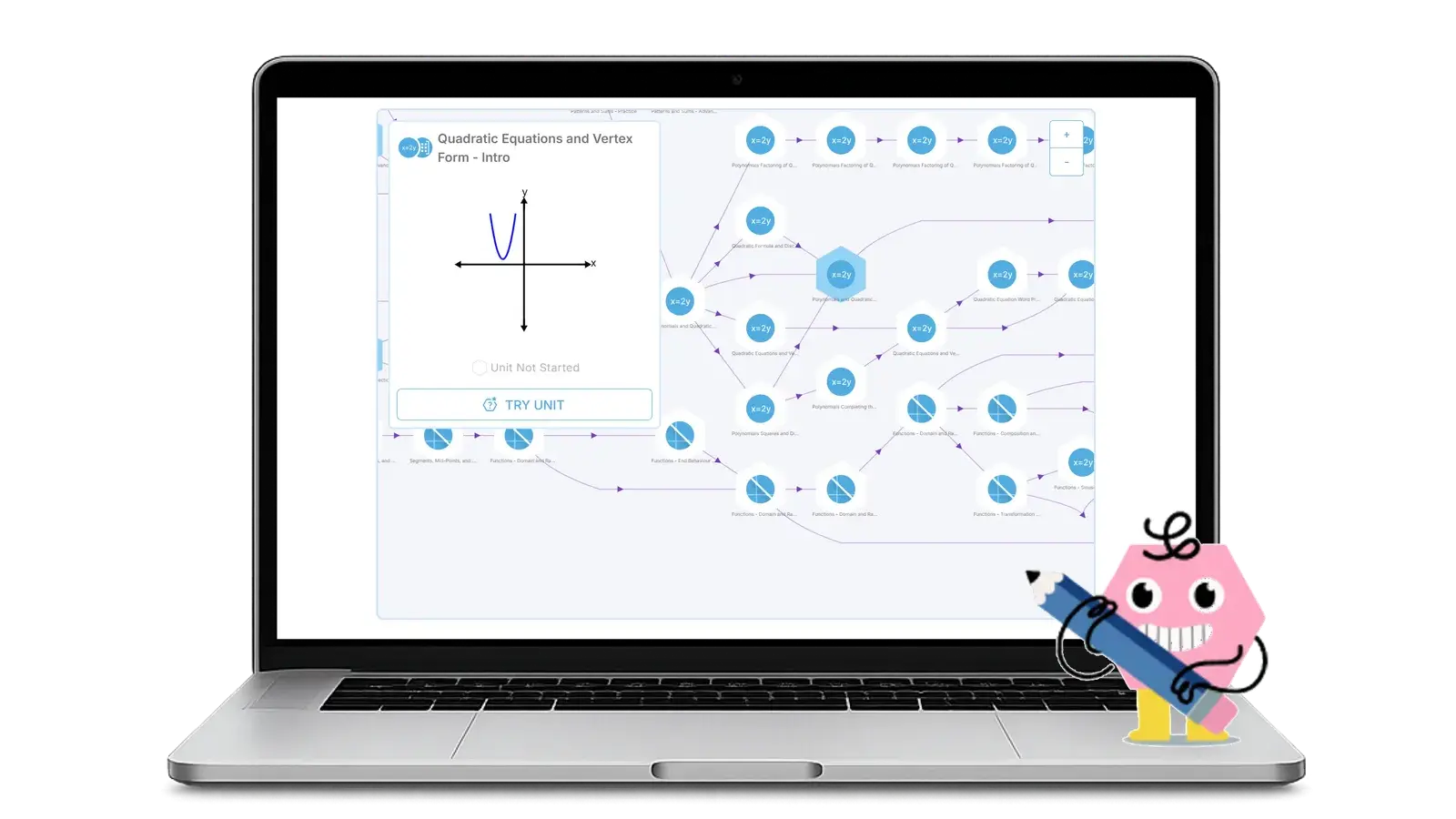
Tutors diagnose mathematical reasoning as it happens. They ask focused questions, listen for misconceptions, and use the Matarus platform to check whether a missing precursor skill is blocking progress.
When the evidence points to a gap, the platform helps sequence the next practice so the student can repair the foundation before returning to the harder question. The tutor then guides the student through that progression, helping them explain a method clearly and make more accurate decisions on unfamiliar problems.
Strong AP and IB support should build independence, not turn tutoring into homework completion.
In Matarus sessions, students work through challenging questions themselves while the tutor coaches their reasoning, spots gaps, and helps them recover when they get stuck.
That approach builds the skills behind class assignments, quizzes, tests, and AP or IB assessments, so students leave with stronger understanding instead of short-term help only.
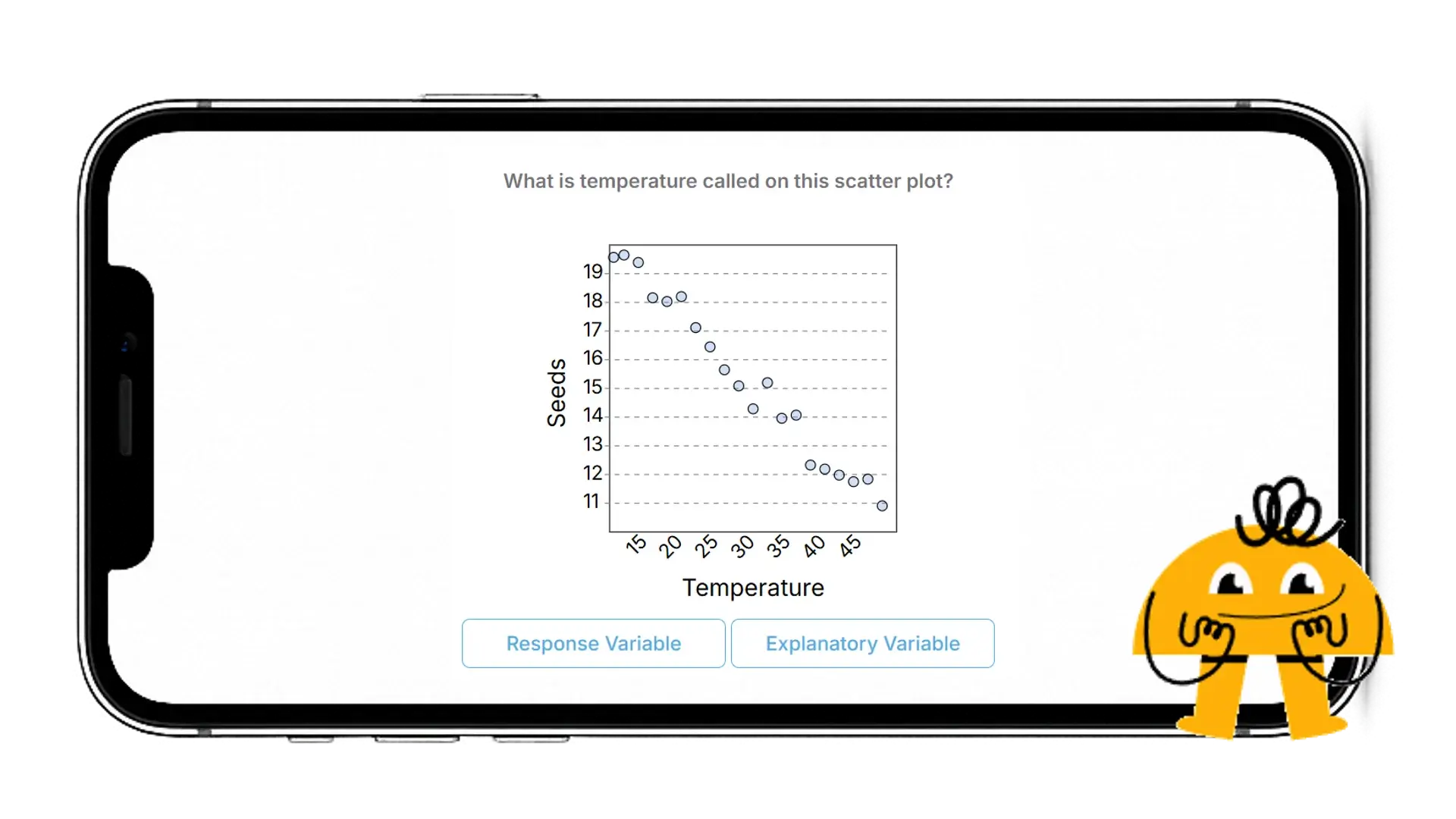
Families can choose small-group tutoring or private math tutoring based on the support their student needs.
Small-group tutoring offers the same Matarus platform and individualized learning at a more accessible price. The tutor leads a shared live session, but each student works at an individual level with personal pacing and challenge.
Private math tutoring fits students who need detailed attention on current classwork, targeted skill-building behind assignments and tests, or session times arranged directly with the tutor.
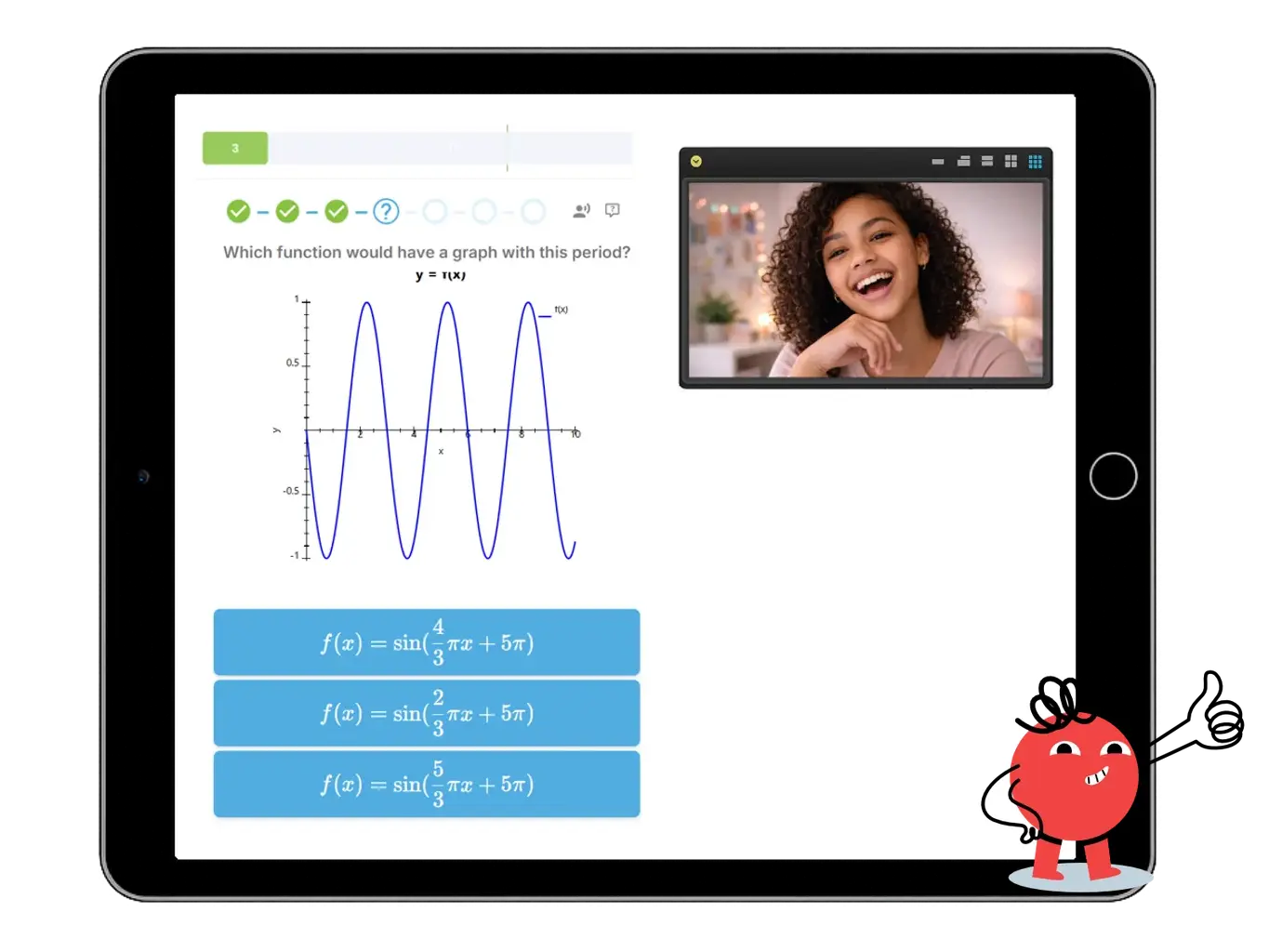
Families should not have to guess whether tutoring is helping. Weekly updates explain which skills are becoming stronger, where the student still needs support, and what the next learning focus will be.
That clear view makes progress easier to discuss at home and helps parents see how daily effort is building toward greater confidence in class and on important assessments.
Book a short evaluation call to review your child's current level, goals, and the best tutoring format for steady progress.