Small Group
Math excellence through small group learning.
- Accessible price point
- Math excellence
Explore small group

Matarus small-group math tutoring gives ambitious students individualized learning in a live shared setting, building the foundations, confidence, and problem-solving readiness that support advanced coursework and future STEM study at a more accessible price than private math tutoring.
Matarus small-group tutoring uses the same instructional method and platform as private math tutoring. Students build skills through scaffolded practice, tutor feedback, individualized work, and visible progress—not a watered-down version of the experience.
Choose small-group tutoring when peer energy and a recurring but changeable shared session help your child stay engaged. Private math tutoring is the better fit when detailed attention to current classwork matters most; session times are arranged directly with the tutor.
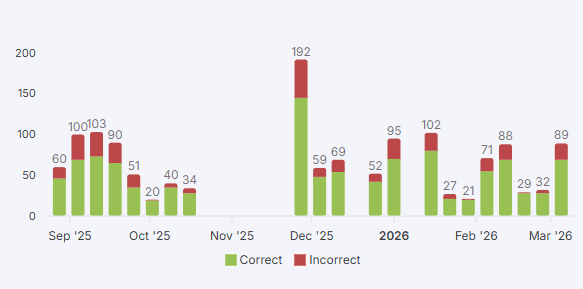
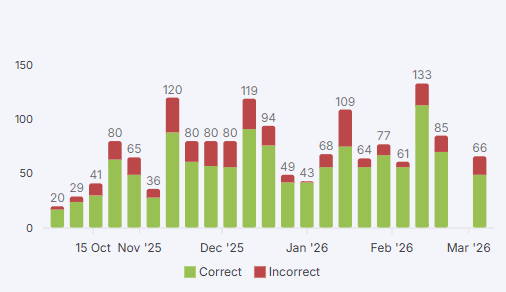
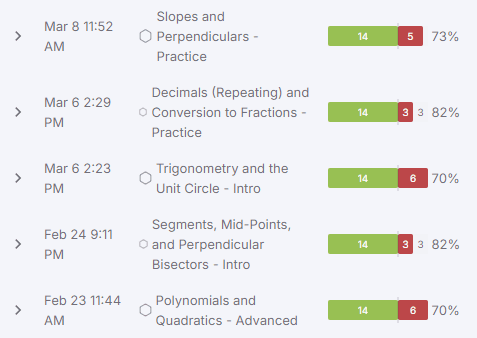
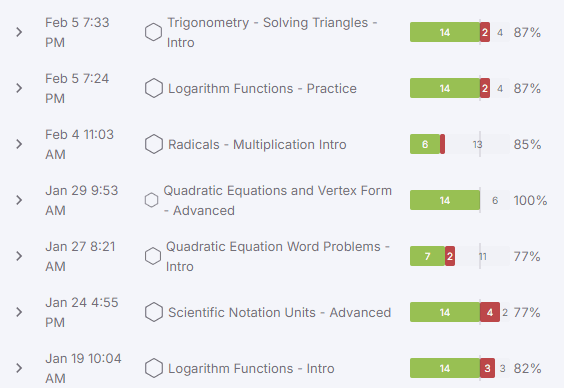
Weekly updates show what improved, where support is needed, and what to focus on next, so families can see progress and choose the format that fits.
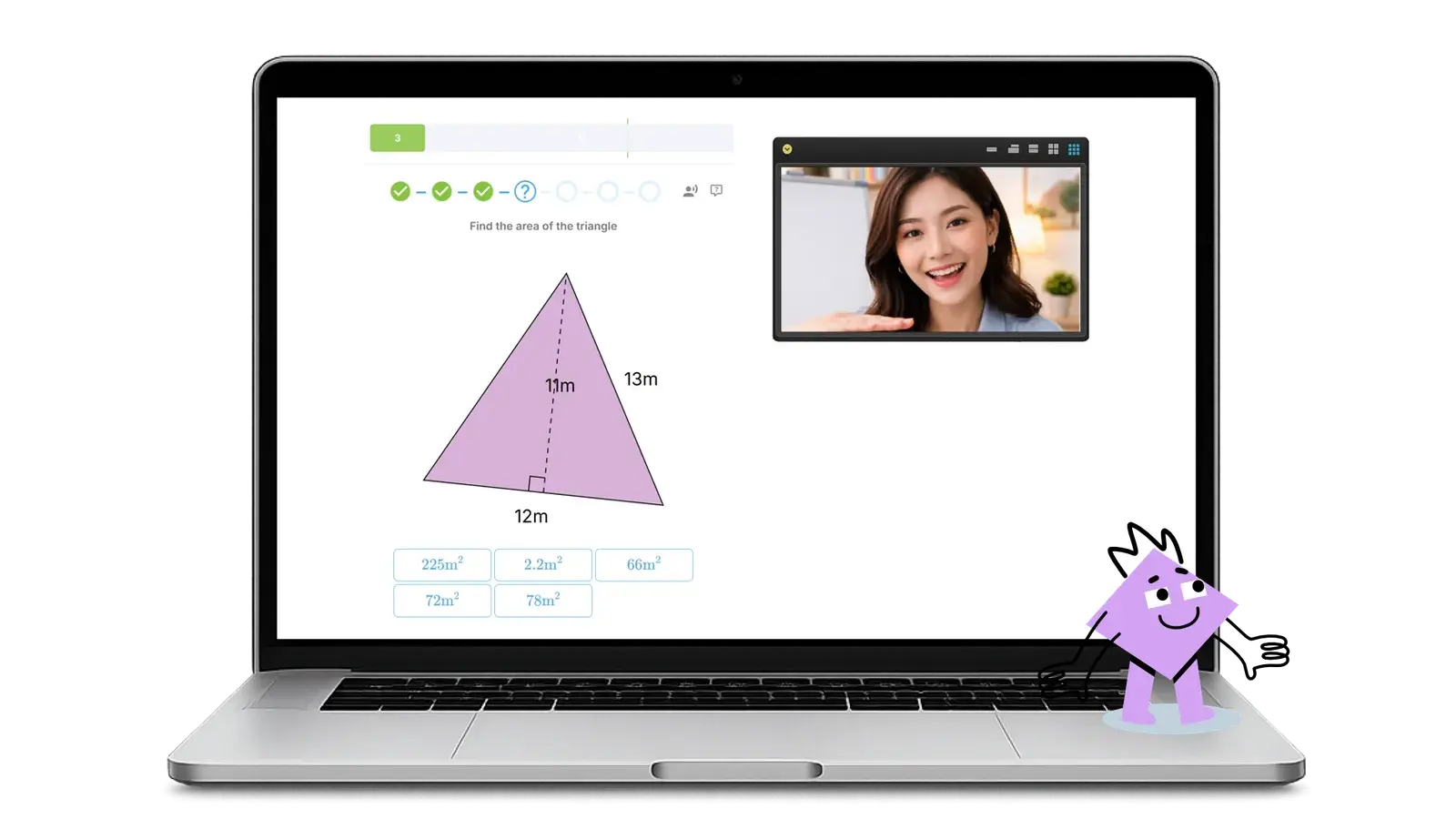




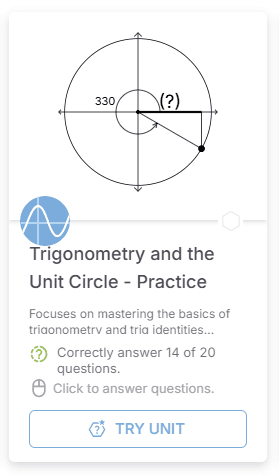
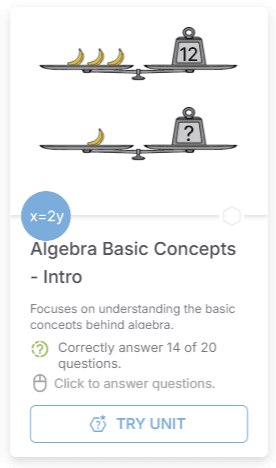
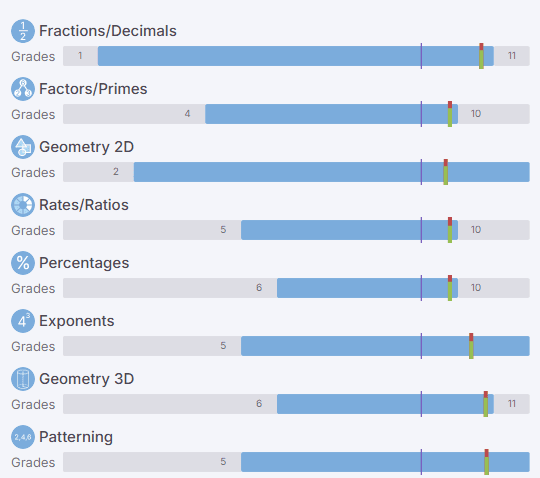
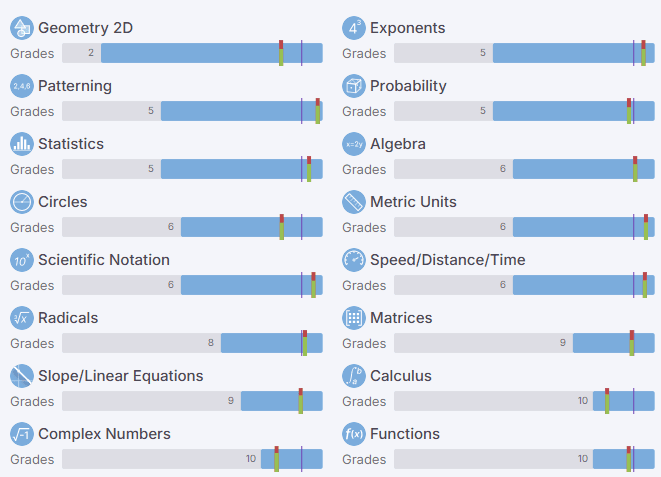
Each student follows work that matches their current readiness, pace, and confidence, even inside a shared tutoring group.
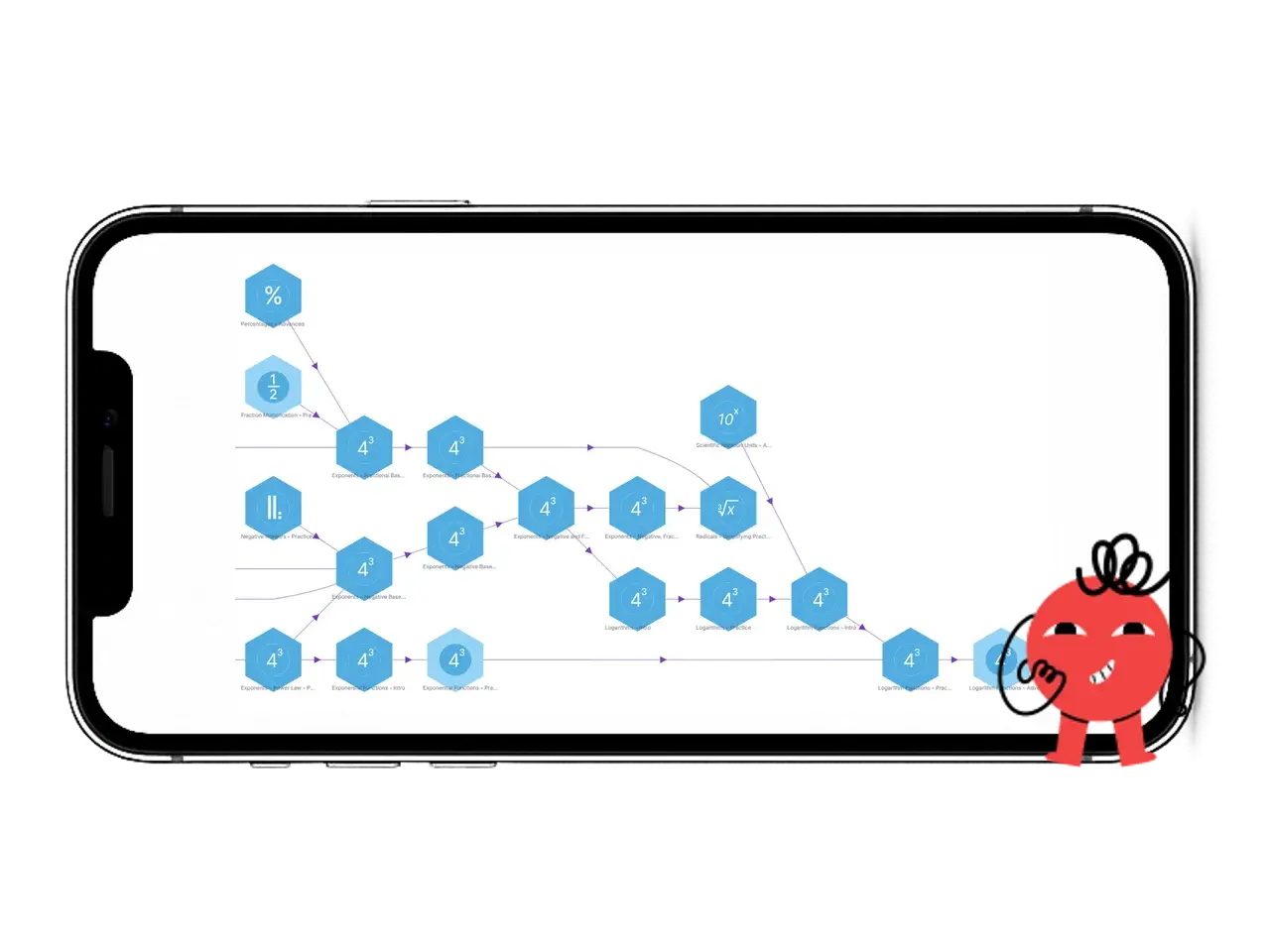
The platform keeps every child on a path that fits them, while the tutor guides pacing and steps in exactly where an individual learner needs support to keep moving forward.
That keeps the experience personal and makes the small-group format feel meaningfully different for every child, instead of one identical lesson delivered to the whole group.





Each session combines scaffolded platform work, active problem solving, and focused tutor guidance. Students practice ideas at an appropriate level, receive feedback, and move toward harder questions as the platform confirms their readiness. The tutor manages the live group, adjusts support for each learner, and keeps students engaged through challenge.
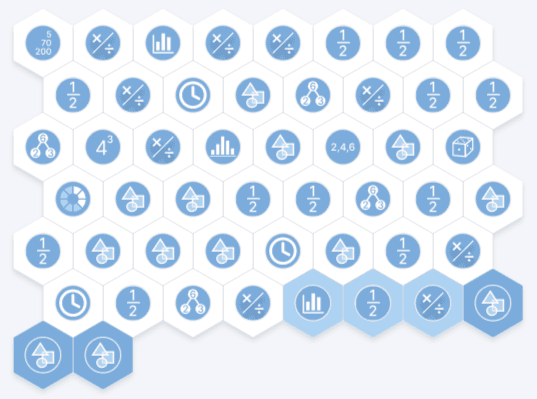
Each kid does math at their exact level.
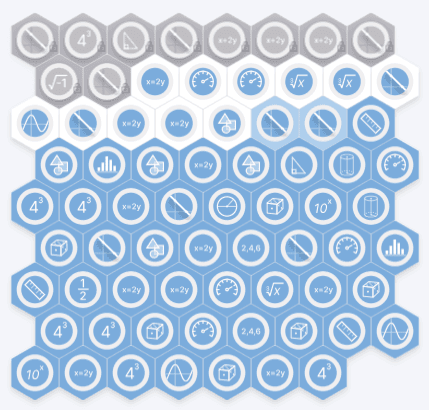
Concepts are revisited over time to ensure retention.
Majority of time spent solving problems not passively listening
Kids build understanding through small increments in difficulty.
Difficulty adapts with success to keep kids challenged.

In each Matarus small-group session, 2 to 5 students meet live with a tutor, but they are not pushed through the same work at the same pace.
The platform keeps each student at the right level while the tutor guides the live group, checks understanding, and helps students keep moving when the math gets harder.
Families get the energy of a shared session with individualized challenge, personal pacing, and real weekly math progress.
Families can choose a recurring small-group time so math stays on the calendar and the routine feels easy to maintain.
That consistency does not mean being locked into one fixed slot. If your week changes, you can switch to another available class time as needed, including from one week to the next.
Families can view recurring class options, choose a schedule that fits real weeks, and keep planning simple without losing flexibility.
| Mon | Tue | Wed | Thu | Fri |
|---|---|---|---|---|
5:00 PM 7:00 PM 8:00 PM | 5:00 PM 7:00 PM 8:00 PM | 5:00 PM 7:00 PM 8:00 PM | 5:00 PM 7:00 PM 8:00 PM | 5:00 PM 7:00 PM 8:00 PM |

The best format depends on the kind of support a student needs from week to week. Consider how much peer energy feels motivating, how closely a tutor should focus on one learner, and whether a recurring schedule or direct coordination is the better fit.
Small-group tutoring offers a live shared experience with individual work inside the session. Private math tutoring provides the closest attention when a student needs detailed focus on current classwork, assignments, or upcoming tests. The comparison below makes those differences easier to weigh.
Both formats use the same Matarus platform and teaching method. The difference is how much pacing control, peer momentum, and scheduling flexibility your family needs right now.
Feature | Small Group 2-5 students | Private 1-on-1 coaching |
|---|---|---|
| Use the Matarus method and platform | ||
| Guided active problem solving | ||
| Weekly family progress updates | ||
| Most accessible tutoring price point | ||
| Focus on current class work and upcoming tests | ||
| 1:1 accountability | ||
| Math fit | Math excellence | In-class work + math excellence |
| Scheduling model | Many recurring slots | Tutor-family matched |
| Format transitions later if needs change |
Most of each small-group session is spent actively solving math problems. Students apply ideas, test strategies, and explain their thinking at their own level.
The tutor uses targeted questions and timely feedback to help each learner notice errors, strengthen reasoning, and keep moving when a solution is not immediate. The platform guides students toward harder work as their understanding grows.
Peers add energy without making the lesson identical for everyone. Students stay focused on their own math while seeing persistence and problem solving modeled around them.
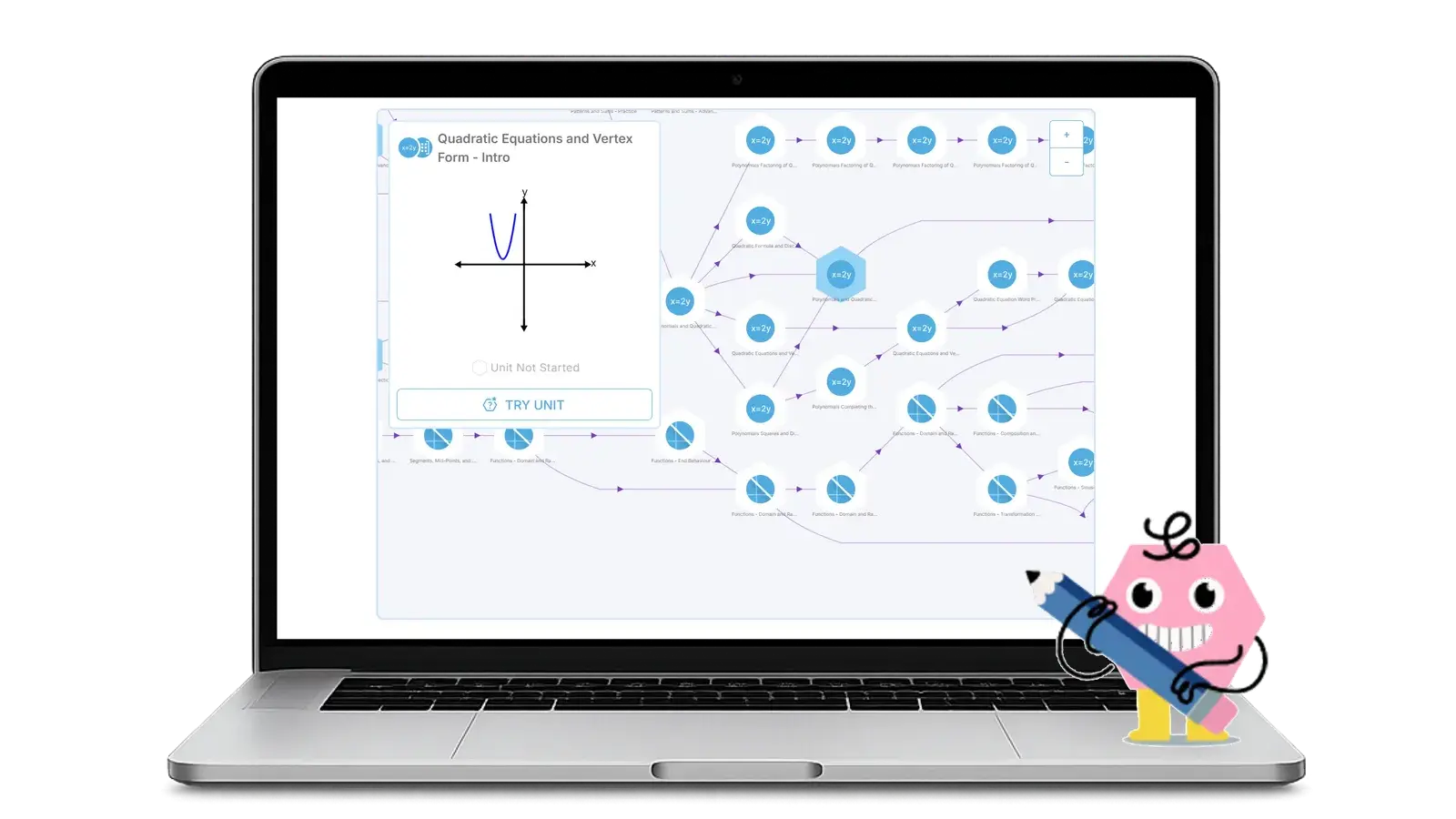
Families receive concise weekly updates that show what improved, where support is still needed, and which next focus area should guide the coming week of learning.
That gives parents practical learning evidence they can understand quickly, so decisions about pacing, reinforcement, and goals stay grounded in what the student is actually showing.
Start with a short evaluation to review your child's current level, goals, and whether small-group tutoring or private math tutoring is the better fit. If your child needs closer support around current classwork, private tutoring can focus on building the skills behind assignments and upcoming tests.