We start with a short evaluation, then help your family choose between small-group tutoring and private math tutoring based on your student's goals and support needs.

Clear Math Growth Path
From evaluation to weekly progress
Matarus gives families a concrete tutoring process: evaluate readiness, choose the right format, practice at the right level, and track progress each week.
How It Works
Small-group tutoring and private math tutoring use the same structured Matarus method informed by research. Families begin with a goal-setting evaluation and format choice, then move through readiness-based placement, shared priorities, active problem-solving, adaptive difficulty, and weekly progress updates. The platform reads learning signals and advances students into harder work when they are ready, while the tutor guides them through each new level. In small-group tutoring, the live conversation is shared, but every student receives distinct work and pacing matched to current readiness. Tutors revisit goals as strengths, gaps, school demands, or future plans change, using weekly evidence to guide the next focus. The aim is broad math excellence for ambitious students, including those preparing for college, university, and STEM futures.


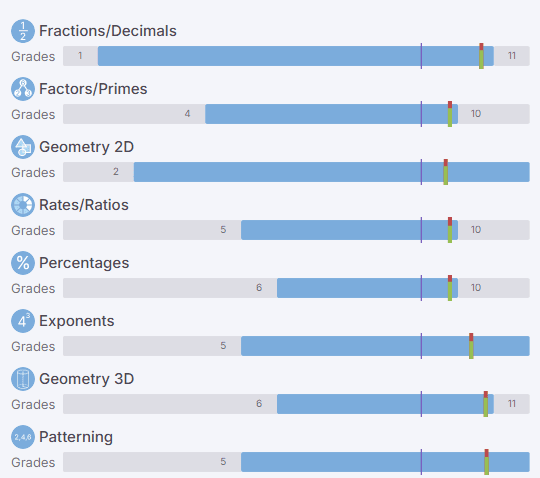
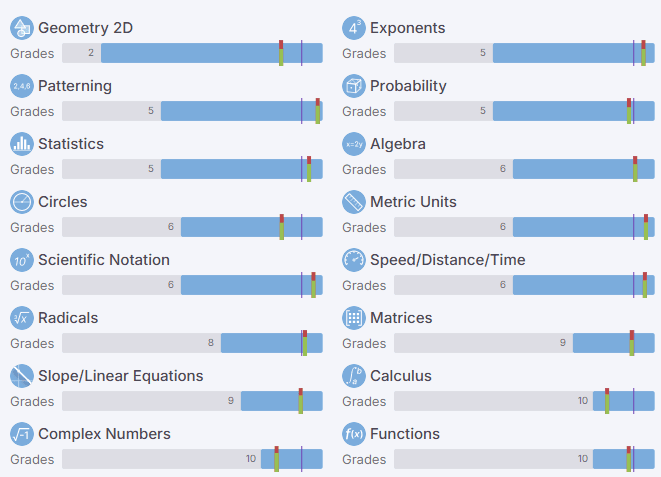
Your student works across key math themes so we can see current readiness and place them at the right starting level.

The tutor aligns with your family on focus areas and sets clear starting priorities for the first stage of tutoring.

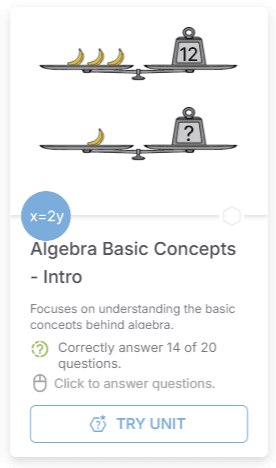
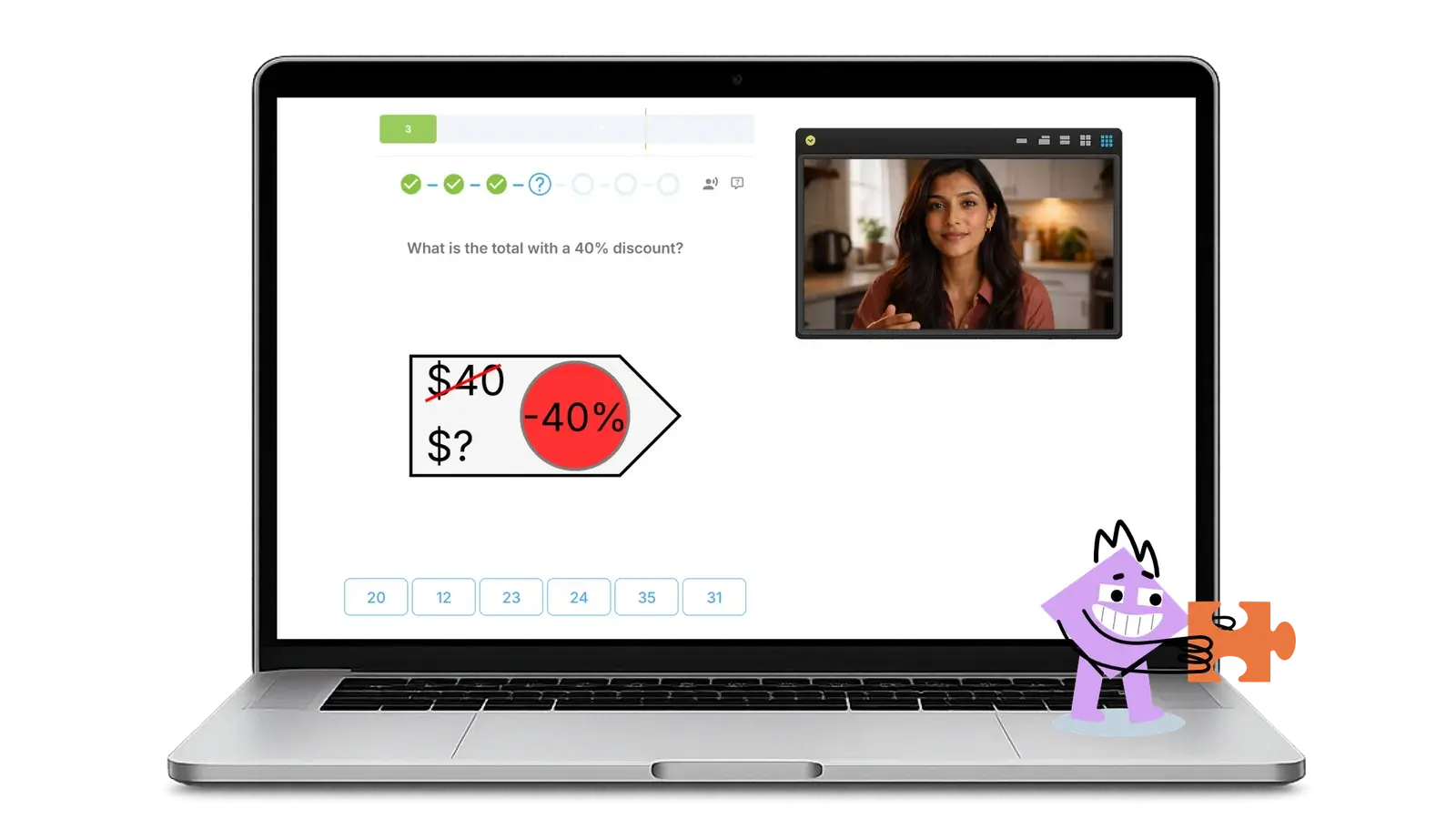
Sessions run in short tutor-guided challenge cycles, usually about 7 to 10 minutes per exercise block, with lots of active problem solving.

The work begins at an accessible level, gets harder with success, and steps back when needed so challenge stays productive.

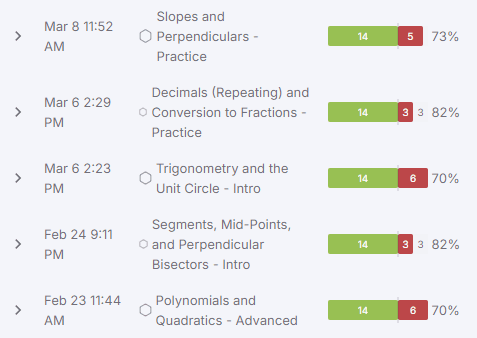
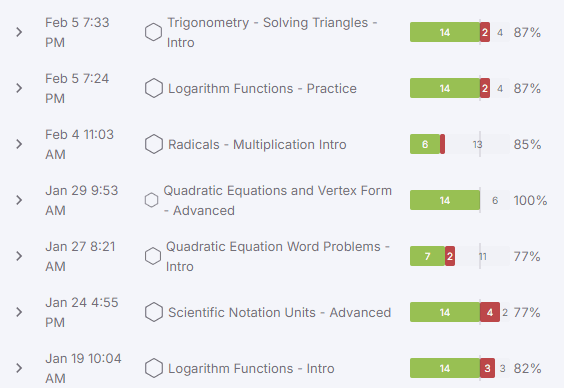
Families receive concise weekly updates on strengths, gaps, and the next focus areas.
1
Quick Evaluation
A Low-Pressure First Conversation
The first step is a short, low-pressure conversation about your student's goals, school context, and the kind of support your family is considering. It helps you compare small-group tutoring with private math tutoring without making a commitment.
The exercise-based level check comes next. That is the step that establishes current readiness and informs placement. The first conversation simply ensures the recommended format and starting plan fit your student.
2
Level Check

How Placement Works
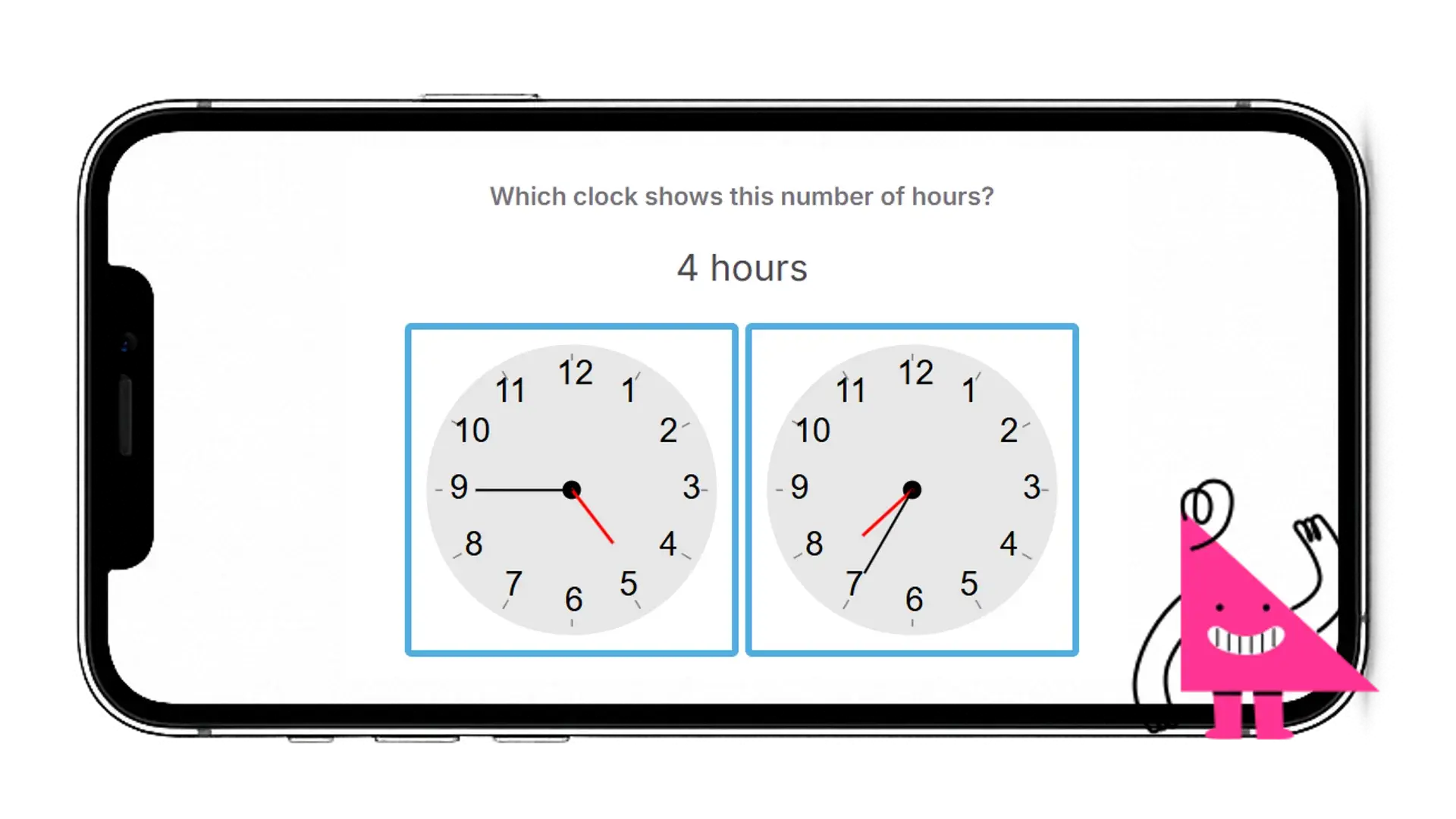
Your student works through short exercises across major math themes for their age. The platform looks at demonstrated readiness across those exercises, showing which skills are secure, where precursor understanding needs attention, and what kind of challenge is appropriate next.
This level check gives the tutor useful evidence before sessions begin. It replaces assumptions based on a grade label with a clearer view of what your student can do now and what will help them move forward.
3
Family Priorities
Shared Goals, Clear Direction
The tutor aligns with your family on the focus areas that matter most and sets clear starting priorities for the first stage of tutoring.
Shared priorities keep every session purposeful, and they make the weekly progress updates easy to interpret against goals you agreed on together rather than a generic checklist.
4
Challenge Cycles

Short, Active Problem-Solving Blocks
Sessions run in short tutor-guided challenge cycles, usually about 7 to 10 minutes per exercise block. Students spend most of the session actively solving problems, with a tutor nearby to give hints, feedback, and encouragement.
Time goes to real math work and productive struggle rather than passive listening or watching worked examples.
5
Adaptive Difficulty
Challenge That Adapts
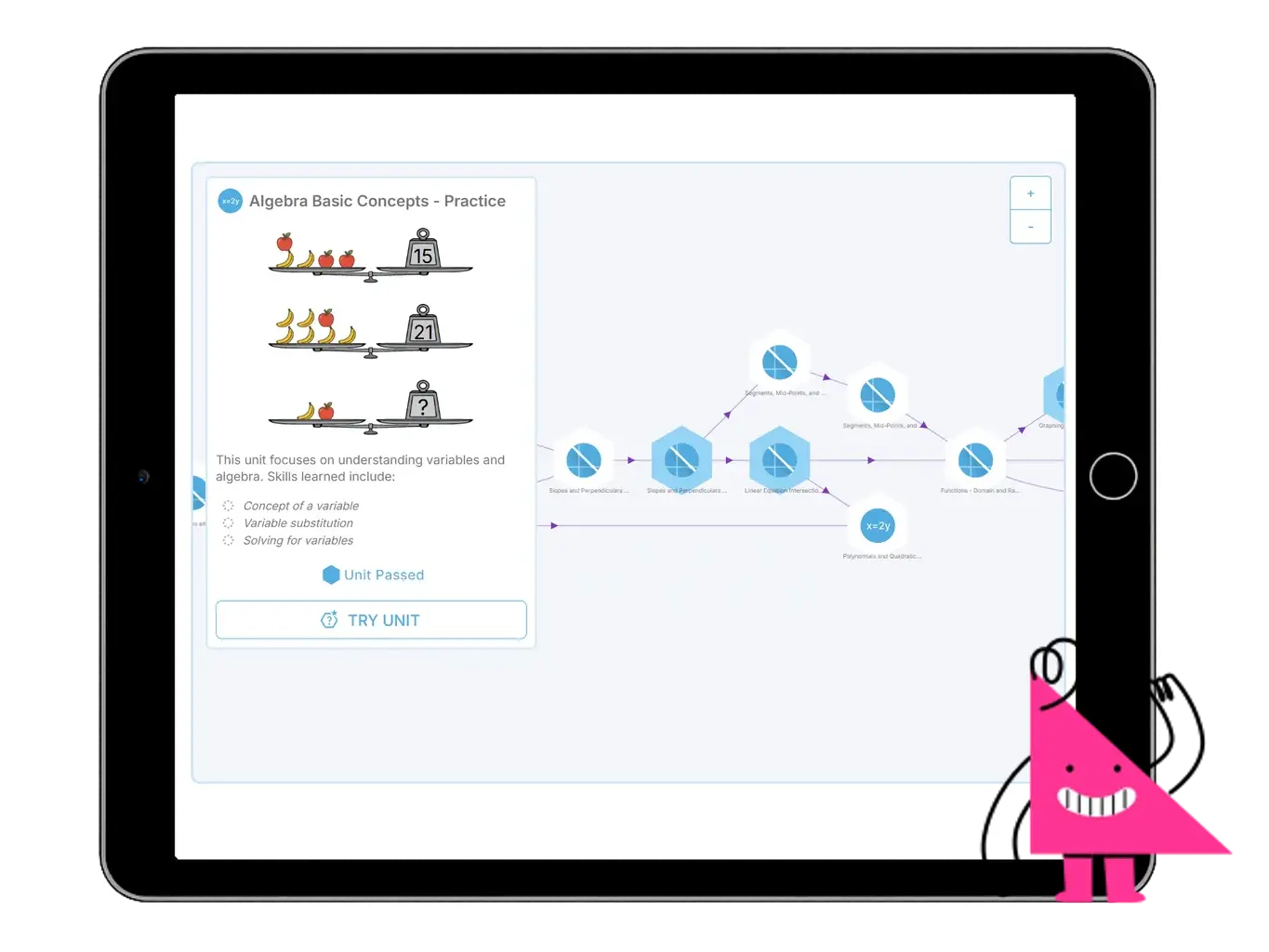
The work begins at an accessible level, gets harder as the student succeeds, and steps back when needed so challenge stays productive.
This adaptive rhythm keeps students in a healthy zone where the work is hard enough to build real understanding, but never so hard that it becomes discouraging or shuts down effort.

6
Weekly Updates
Updates Families Actually Use
Families receive concise weekly updates that show what improved, where support is still needed, and which next focus area should guide the coming week of learning.
That gives parents practical learning evidence they can understand quickly, so decisions about pacing, reinforcement, and goals stay grounded in what the student is actually showing.

Progress That Helps You Choose
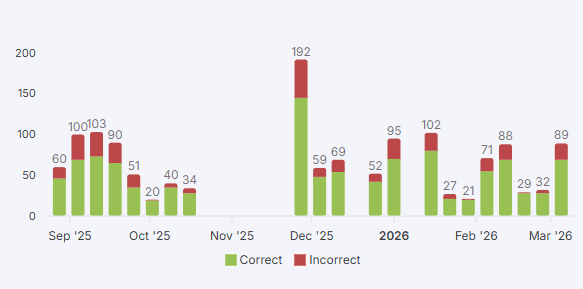
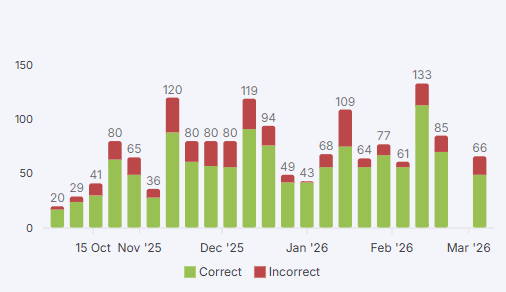
Weekly progress views show current level indicators, growing strengths, and recurring misconception patterns. Families can see which skills are becoming more reliable instead of relying on a general impression.
That evidence gives parents practical next steps. They can recognize when a student is ready for greater challenge, identify a skill that needs more practice, and discuss changing priorities with the tutor. Progress updates turn each week’s learning into a useful decision about what to reinforce next.



Choose the Right Format
Small-group tutoring and private math tutoring follow the same structured Matarus method and use the same platform. The difference is how the live support fits your student's needs and your family's budget.
Small-group tutoring keeps each student's work and pacing individual inside a shared session, making it a more accessible choice for broad math growth. Private math tutoring is the better fit when detailed attention to current classwork or direct scheduling flexibility matters most.


Schedule Your Evaluation
Book an evaluation to get a clear picture of your child's current math level and talk through the best next step. You will leave with a better understanding of where support can help most and which tutoring format makes sense to start with.
- Personalized math skill evaluation
- Insight into strengths and learning gaps
- No obligation to enroll