Small Group
Math excellence through small group learning.
- Accessible price point
- Math excellence
Explore small group

Private math tutoring keeps students active, supported, and working at the right level as they build the skills for advanced coursework, milestone exams, competition goals, and future STEM study.
Private tutoring is designed for students who benefit from close attention to current classwork, sustained accountability, or a schedule arranged directly with the tutor. It also gives ambitious learners room to build toward advanced coursework and other demanding goals.
Small-group tutoring remains a more accessible way to use the same Matarus platform and individualized learning approach. Private math tutoring is the stronger fit when detailed focus, direct scheduling, and one-to-one support matter most.
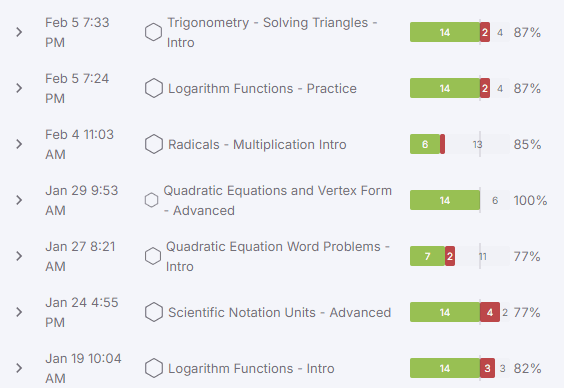
Between live meetings, students can continue practicing the skills the platform identifies as most useful. The work reinforces session learning without sending them into unrelated exercises.
When they meet with the tutor again, the record of that practice gives the session a clear starting point. Students spend more time applying ideas, explaining their thinking, and building independence.


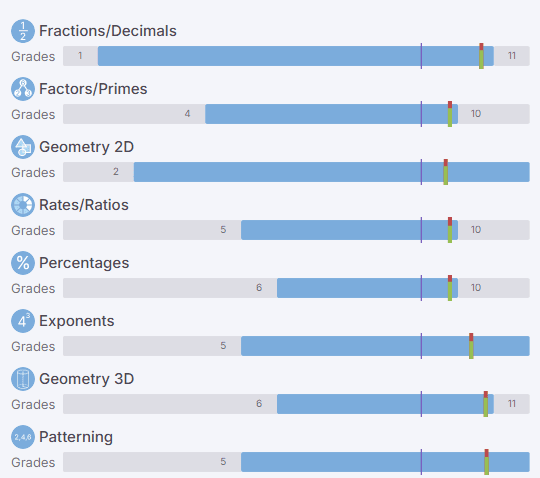
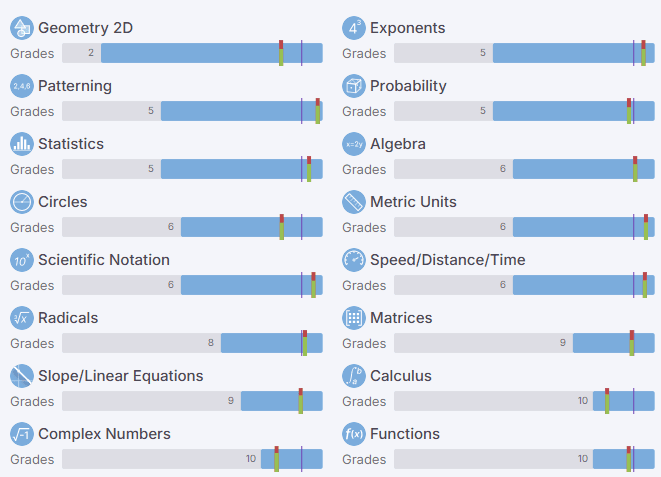
The Matarus platform helps identify a student's current readiness before the first focused session begins. It reveals which foundations are secure, where practice should start, and what level will provide a useful challenge.
The tutor then keeps the student active and accountable while guiding work at that individualized starting point. Students receive close attention without being placed on a one-size-fits-all path.
The comparison table helps families weigh practical differences before choosing a format. Consider how much control you want over pacing, whether your student benefits from one consistent tutor relationship, and how often the schedule may need to change.
Private math tutoring offers sessions arranged directly with the tutor and close control of the live pace. Small-group tutoring keeps individualized work inside a shared session and provides the same Matarus platform at a more accessible price.

Both formats use the same Matarus platform and teaching method. The difference is how much pacing control, peer momentum, and scheduling flexibility your family needs right now.
Feature | Small Group 2-5 students | Private 1-on-1 coaching |
|---|---|---|
| Use the Matarus method and platform | ||
| Guided active problem solving | ||
| Weekly family progress updates | ||
| Most accessible tutoring price point | ||
| Focus on current class work and upcoming tests | ||
| 1:1 accountability | ||
| Math fit | Math excellence | In-class work + math excellence |
| Scheduling model | Many recurring slots | Tutor-family matched |
| Format transitions later if needs change |
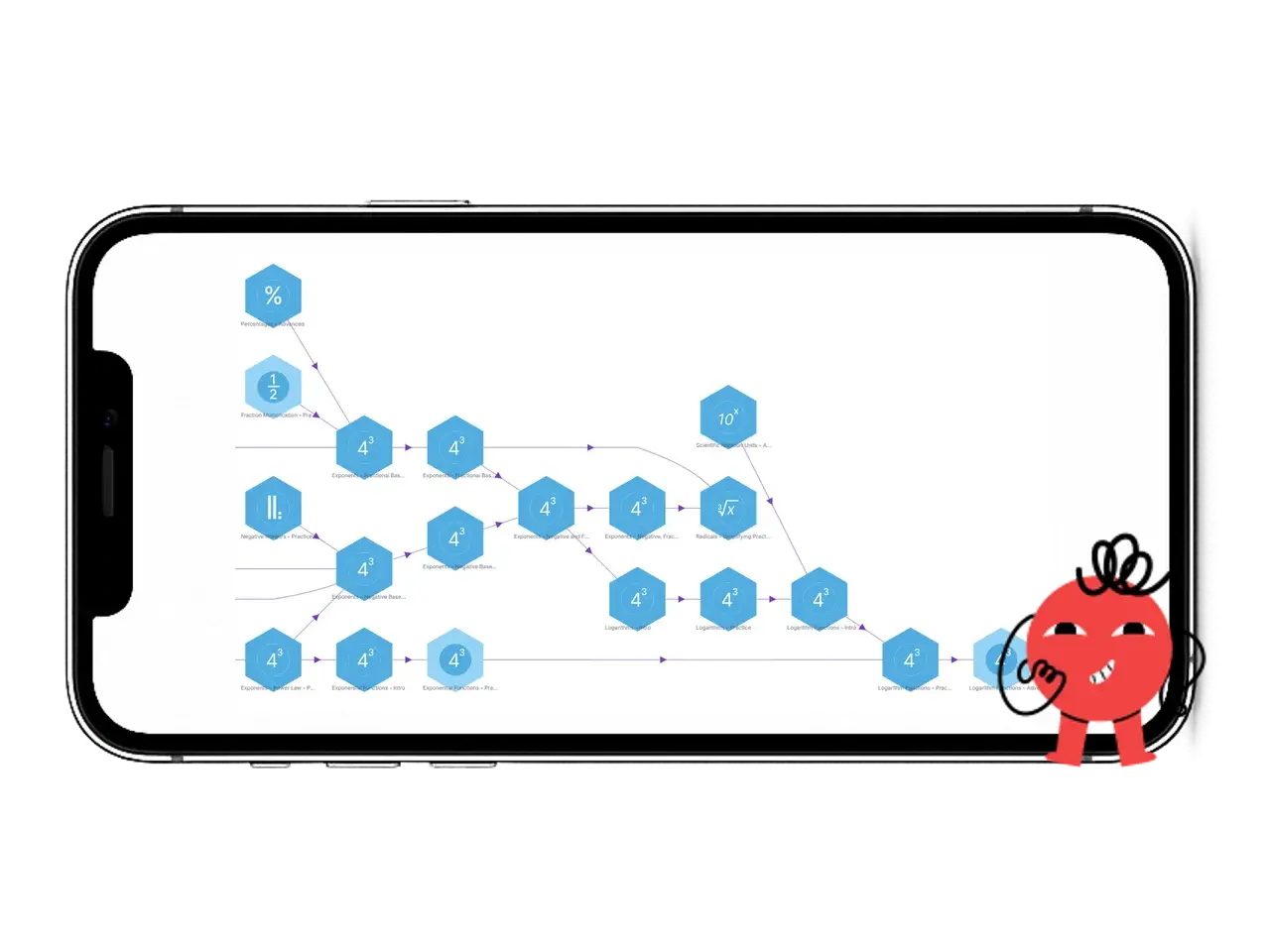
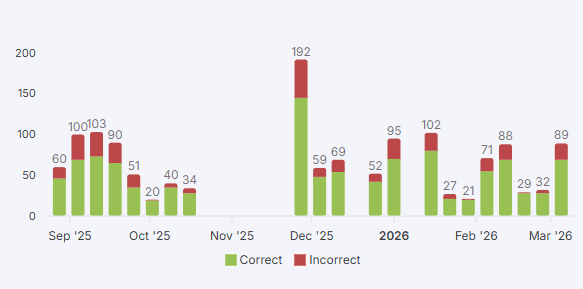
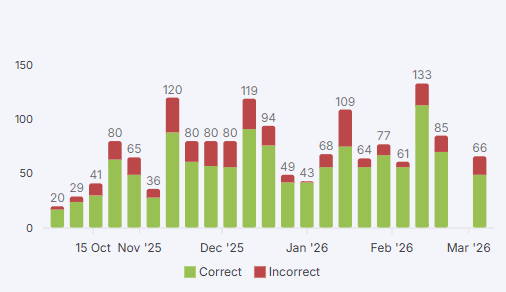
Private math tutoring does more than respond in the moment. The Matarus platform shows patterns in accuracy, readiness, and struggle points, while the tutor uses those signals to guide the live session and shape what the student should focus on next.
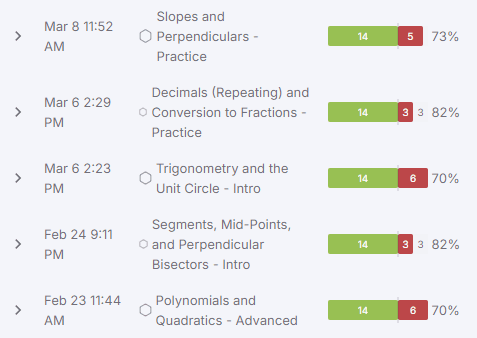
That support continues between meetings. Students can keep practicing the right skills between sessions, then return to tutoring with clearer evidence about what is improving and where they still need help.
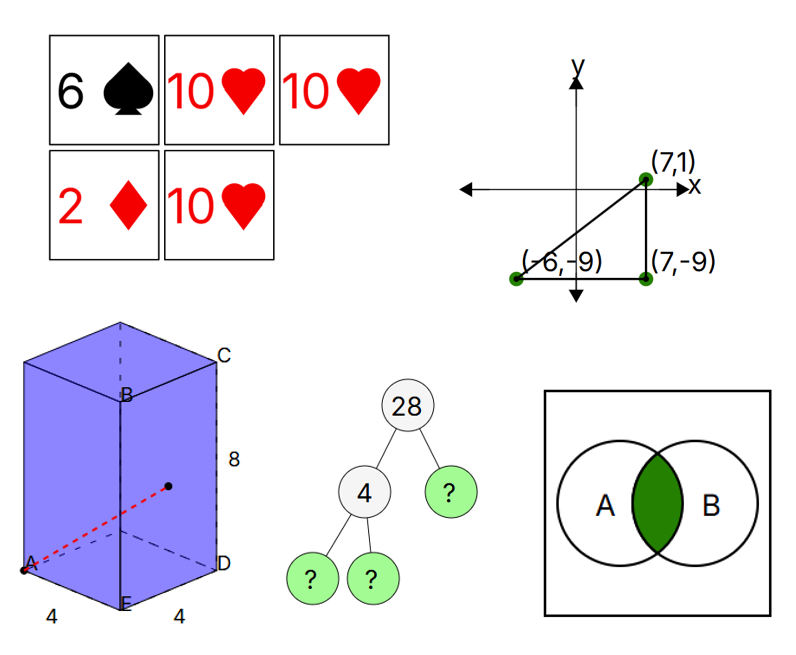
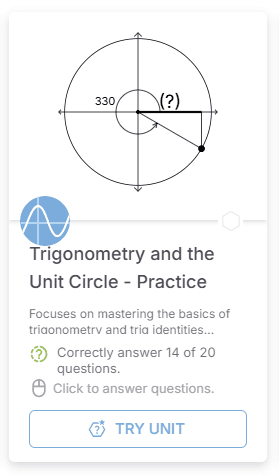
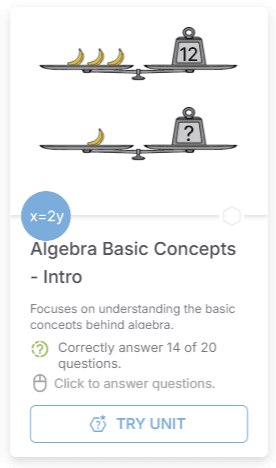
Try any unit to experience firsthand how Matarus starts work at an accessible point, then adapts the difficulty within that area as success appears.
Unit Recommendations
Concise weekly updates show what the student has strengthened, where support is still useful, and what deserves attention next. Students can see evidence of their own growth instead of relying on a vague sense of whether they are improving.
That shared picture builds confidence for the whole family. Parents can make informed decisions, while students learn to recognize progress and take greater ownership of their math.
Private tutoring gives students space to stay active, ask questions, and work through challenges without hiding in a group. As the platform tracks readiness and practice, families can see which skills are strengthening and where the next support should go.
One parent described the difference this way: “Our child is more willing to try difficult math now because progress feels visible.” That growing confidence is what the quotes below bring to life.

Book a short evaluation call to review your child's current level, goals, and timeline. We'll help you see whether private math tutoring is the right fit now, what kind of support makes sense, and how session times can be arranged directly with the tutor for maximum flexibility.