GRADE 1-3
Start strong
Early curiosity grows when strong math foundations make bigger questions feel reachable.

Begin with the goals that matter now, then combine or change focus areas as readiness, school demands, and long-term plans develop.
Families can choose a starting focus based on the student's most important goal now: stronger school performance, firmer foundations, competition math, advanced coursework, or SAT preparation.
That starting point can also support a longer journey. Strong foundations make later coursework more manageable, while steady progress in advanced math can help preserve options for college, university, and future STEM study.
Matarus connects the immediate goal with the student's broader development, so families can adjust the plan as readiness, school demands, and long-term interests change.
STEM PATHWAYS
Strong math development can support a longer pathway toward future STEM possibilities for ambitious students.
GRADE 1-3
Early curiosity grows when strong math foundations make bigger questions feel reachable.

GRADE 4-6
Structure, persistence, and problem solving start to build an identity as a budding mathematician.

GRADE 7-9
As success increases, future plans in medicine, engineering, and technology become more ambitious.

GRADE 10-12
Ambitious students look toward competitive STEM programs at top-tier colleges and universities.

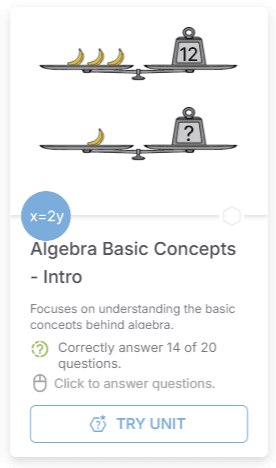
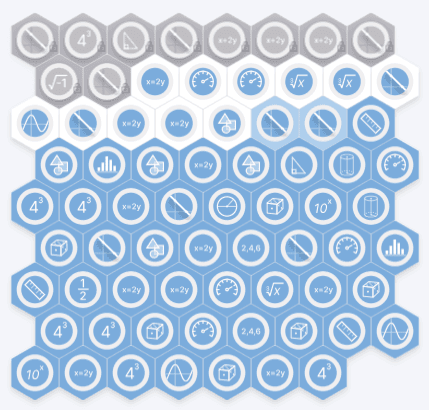
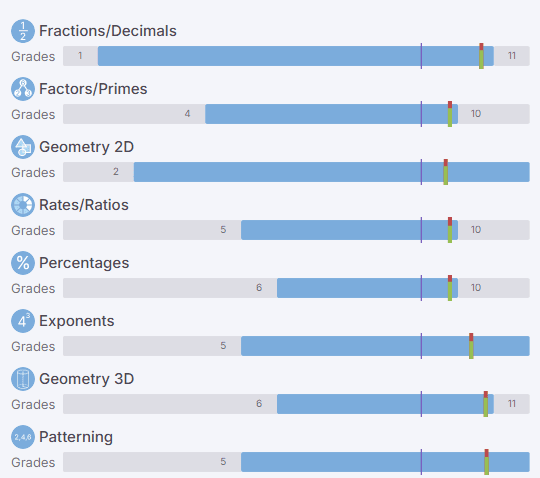
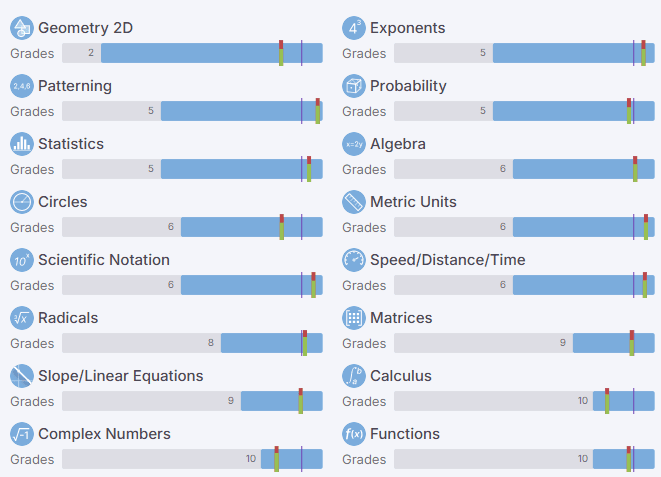
An evaluation gives Matarus a clear starting point. It shows what the student understands, where a prerequisite skill needs attention, and which focus area matters most right now.
From there, Matarus recommends a first priority and maps session work to it. Families can connect school needs, upcoming milestones, and longer-term interests without asking the student to pursue every goal at once.
Math growth can build over time. Early work strengthens number sense and core foundations; middle-school progress supports stronger problem solving and readiness for algebra; high-school study can extend into advanced coursework, competition math, and SAT preparation. As students master each stage, they can keep more college, university, and STEM options open. Matarus helps families connect today's focus with the next meaningful level without assuming one fixed outcome.

A student's focus area can stay the same even when the tutoring format changes. Families can move between small-group tutoring and private math tutoring without restarting the plan.
Small-group tutoring offers the same platform and individualized learning at a more accessible price. Each student receives work and pacing matched to their level.
Private math tutoring can be the better fit for detailed attention to current classwork or flexible times arranged directly with the tutor.

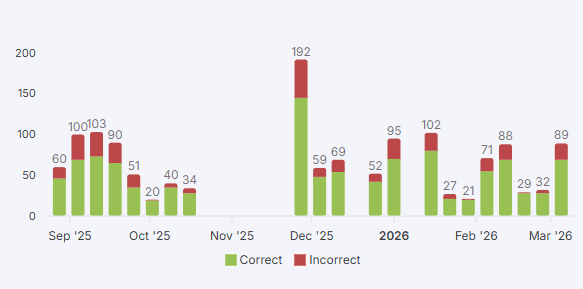
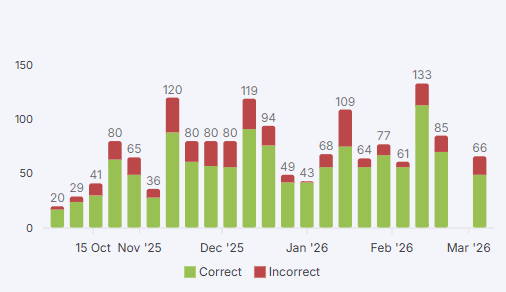
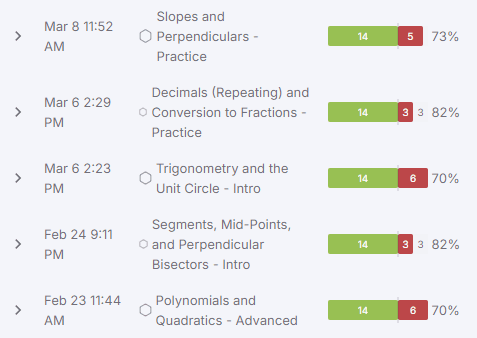
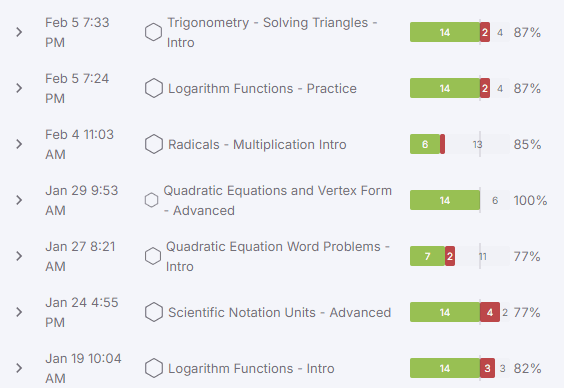
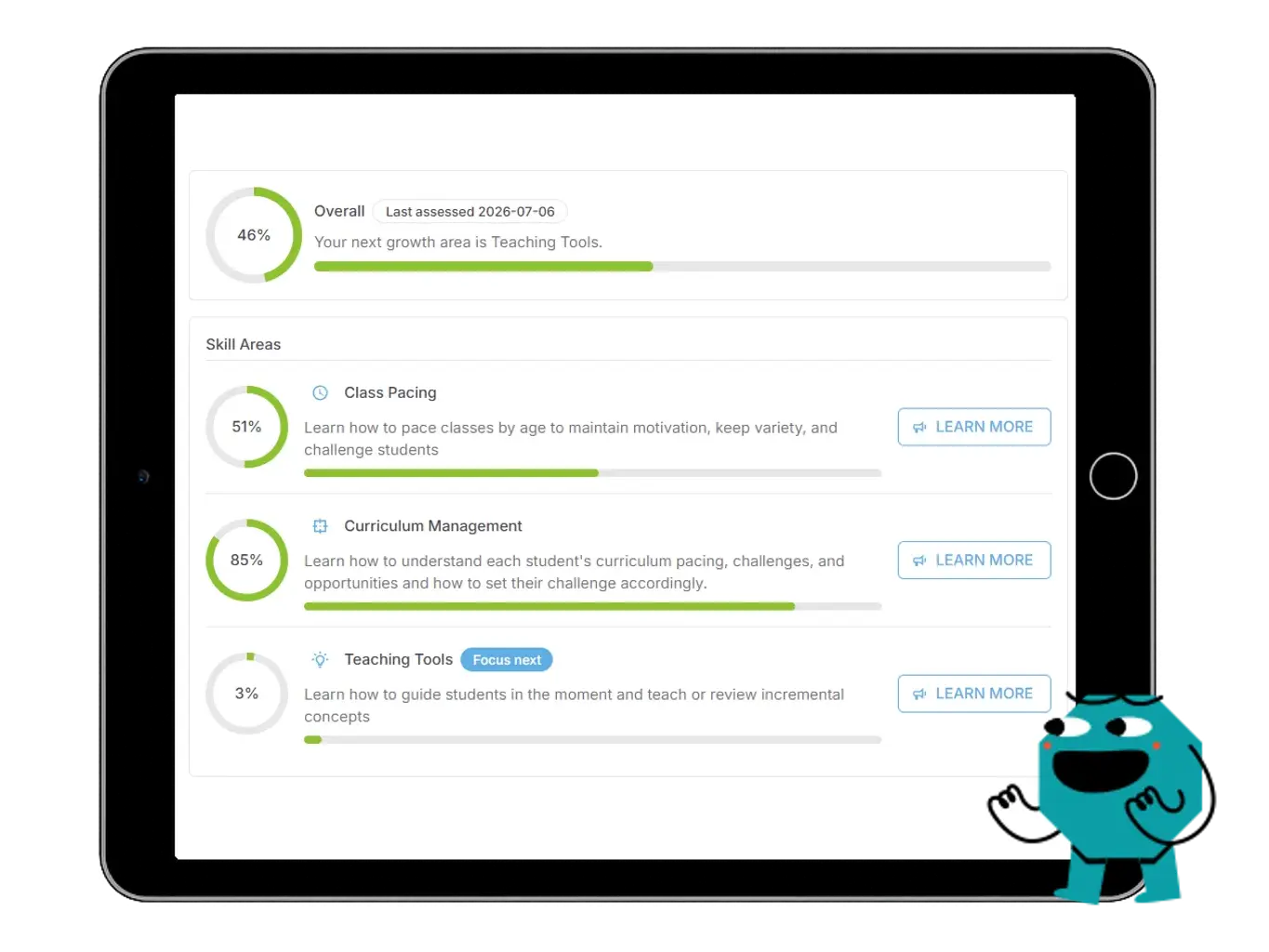
Families receive concise weekly updates that show what improved, where support is still needed, and which next focus area should guide the coming week of learning.
That gives parents practical learning evidence they can understand quickly, so decisions about pacing, reinforcement, and goals stay grounded in what the student is actually showing.
When exam preparation matters, Matarus pairs strategy and timed practice with review of the concepts underneath each question. Students work toward the test while strengthening the reasoning they need beyond it.
That balance helps students transfer what they learn to school mathematics, new problem types, and future coursework. Exam goals become part of durable math development rather than a short-term sprint.
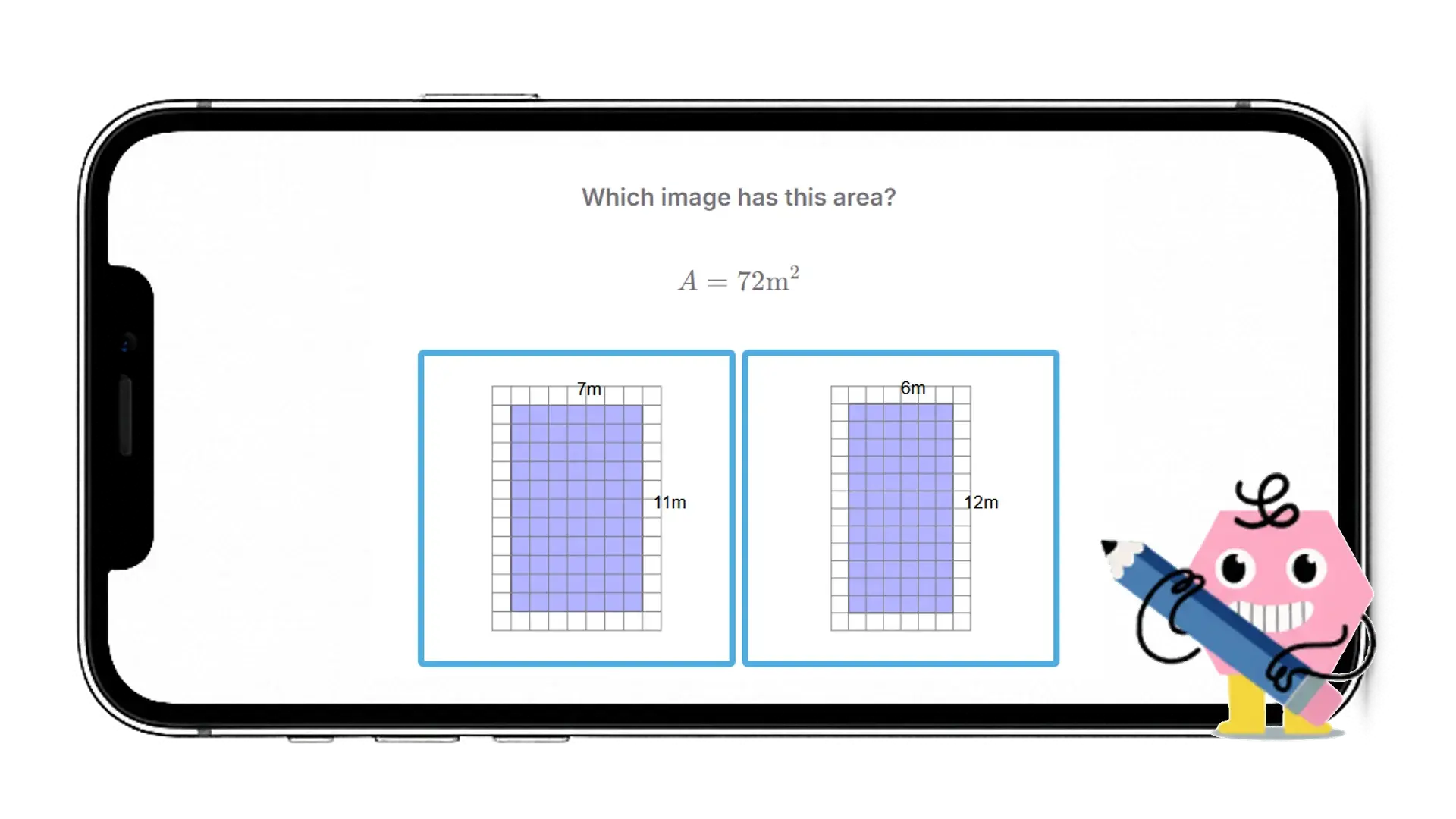
Some students need a stronger review of pre-algebra foundations before advanced work can stick. Others are ready to stretch into faster, deeper problem sets right away.
Tutors map that path student by student, so challenge rises at the right pace and long-term goals stay realistic and visible.
Matarus reviews readiness, upcoming school deadlines, confidence, and places where progress has slowed. These signals help identify whether the next priority is stronger foundations, a new challenge, or focused support.
When a prerequisite is not secure, the platform helps reveal it so the tutor can reinforce the foundation. When readiness is established, the platform advances the level and the tutor guides the student through harder work.

A student may need stronger school performance while also preparing for competition math. Matarus can sequence those priorities: reinforce the concepts needed for class, then add richer problem solving when the foundation is ready.
Another student may combine SAT preparation with advanced coursework, using test questions to strengthen the concepts that will matter beyond the exam. The plan gives each goal its place instead of treating every priority as equally urgent each week.

Book a short evaluation to share one or more focus areas, review your child's current readiness and upcoming milestones, and receive a recommended starting priority and tutoring format.