Choose the starting point that fits your child now: personalized tutoring or self-guided practice.

Start Math Strong
A clear start for STEM goals
Choose tutoring or self-guided practice and start with a path that supports ambitious math growth for college, university, and STEM futures.
Two Personalized Ways to Begin
Families can begin with private math tutoring or self-guided practice, depending on the support their child needs now. A short evaluation helps identify the right tutoring format and focus.
Small-group tutoring keeps the session live and shared, but the tutor still adjusts each student's challenge, pacing, and work. Students follow an individual math path rather than moving through one lesson in the same way.

Two Clear Ways to Start
Choose personalized tutoring or self-guided practice. Tutoring begins with a 30-minute evaluation and recommendation; practice begins with a free grade-level account.


If you choose tutoring, schedule a 30-minute evaluation to get a clear recommendation on the best format and first focus for your child.

If you choose self-guided practice, create a free account at your child's grade level to explore Matarus and begin learning right away.
1
Pick a Path

Compare Tutoring and Practice
Start by choosing between personalized tutoring and self-guided practice. Private math tutoring provides direct, sustained guidance. Small-group tutoring offers a live shared session while each student receives individual work, challenge, and pacing.
Self-guided practice can be a good fit for a child who is ready to begin independently. If your child would benefit from a clearer recommendation or direct support, the 30-minute evaluation helps your family consider private math tutoring, small-group tutoring, and the right focus.
2
Book Evaluation
Book Your 30-Minute Evaluation
If you choose tutoring, book a 30-minute evaluation to discuss your child's current skills, goals, confidence, and learning needs. The conversation gives the tutor useful context before sessions begin.
Your family receives a practical recommendation about the best tutoring format and focus. That may mean private math tutoring or small-group tutoring, depending on the kind of support your child needs.

3
Open Free Practice
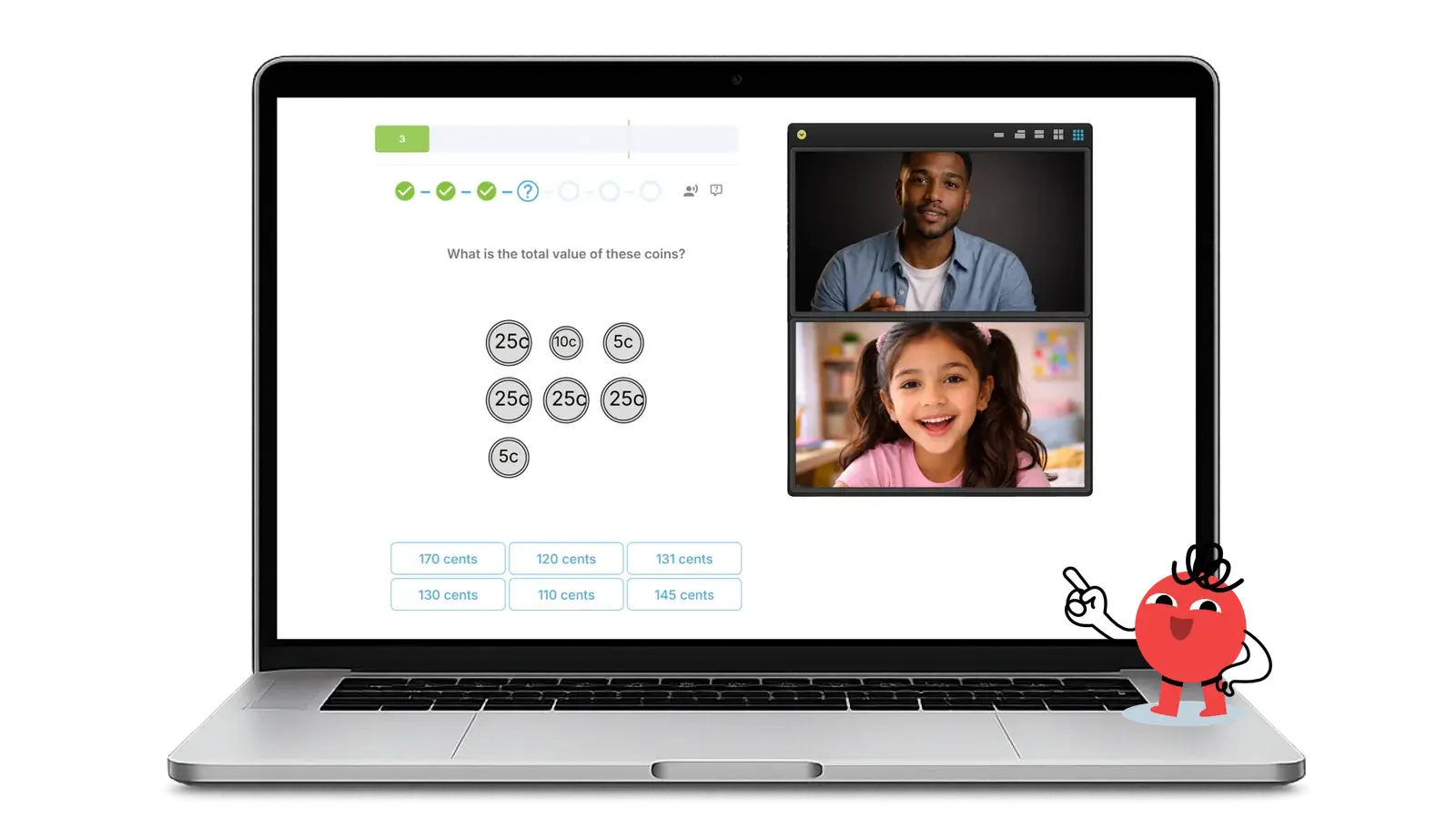
Explore Matarus Independently
If self-guided practice is the better first step, open a free account at your child's grade level. Your child can explore Matarus and begin working without waiting for a tutoring decision.
Starting independently gives your child a simple way to build a regular math routine. If more structure becomes useful later, your family can use that experience to decide whether tutoring would help.


Plan Next Steps with Progress
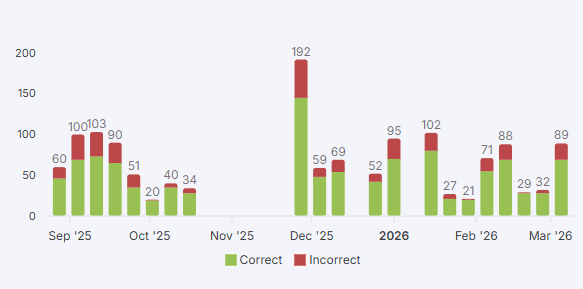
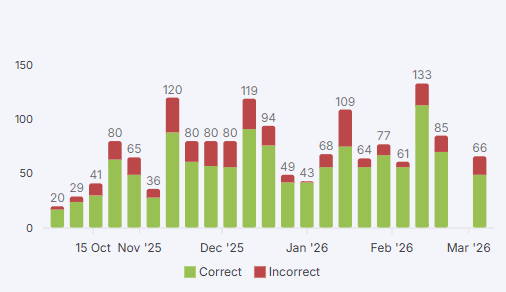
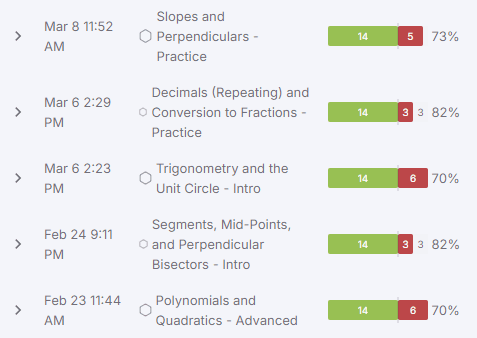
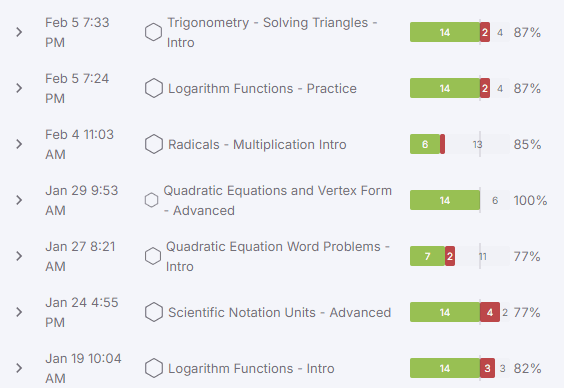
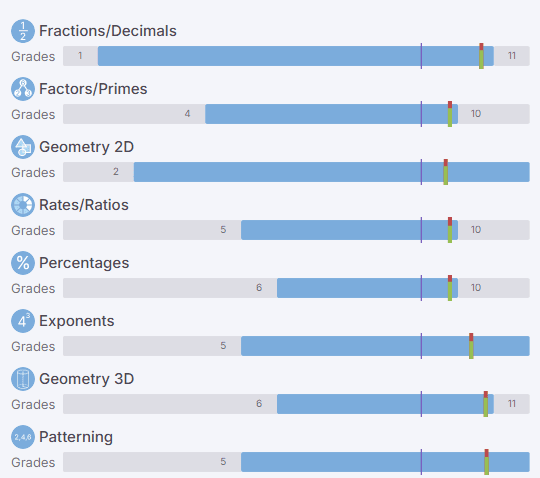
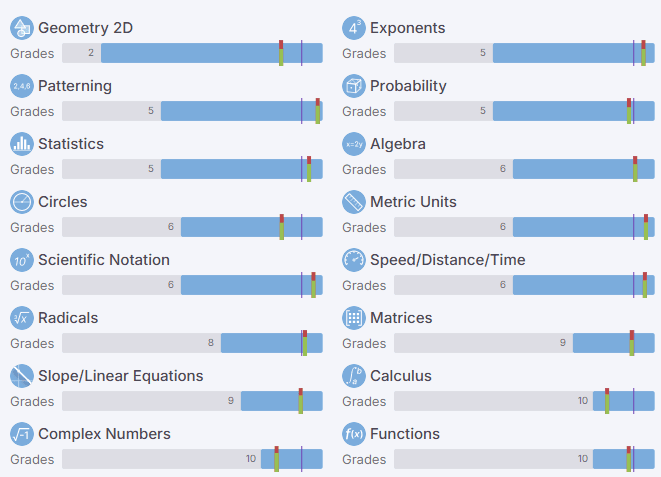
Each week, families receive a clearer view of how a child is engaging with math, which skills are developing, and where confidence or persistence may need support. The updates turn learning activity into information families can understand.
Whether a child uses tutoring or self-guided practice, these signals help families decide what deserves attention next. They can celebrate steady growth, adjust practice, or discuss a more structured tutoring path when the evidence points that way.

A Low-Pressure First Call
The evaluation is a practical conversation, not a commitment-heavy process. Families can talk through current level, goals, confidence, and what kind of support would help most.
By the end, you have a clearer next step. Whether that means private math tutoring, small-group tutoring, or starting with practice first, the decision feels grounded instead of rushed.
Build Comfort Before Tutoring
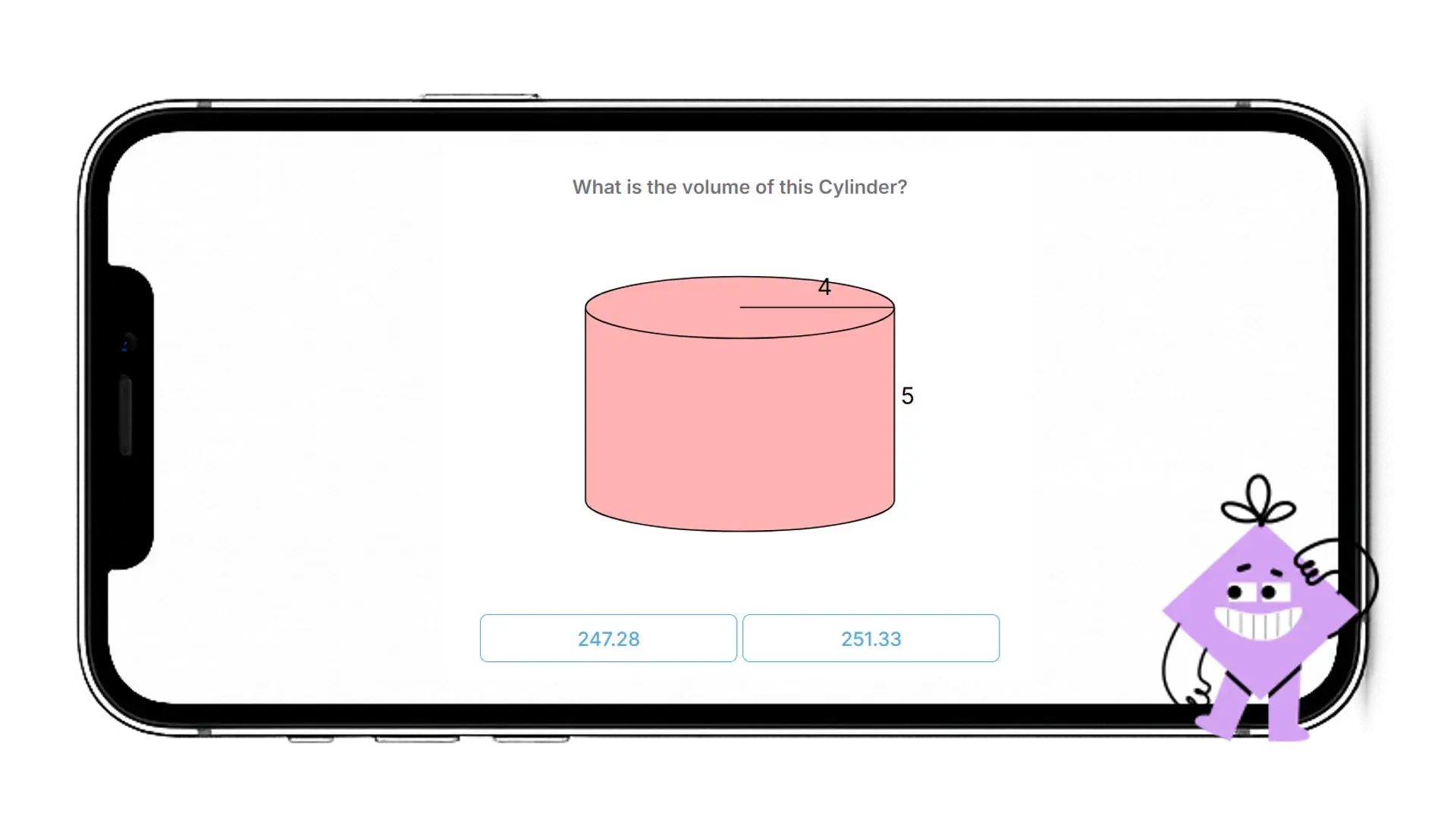
Some children prefer to explore independently before meeting with a tutor. Self-guided practice lets them begin at their grade level, learn how Matarus works, and develop comfort with regular math work.
This option is useful when a family wants a low-pressure introduction. If a student later needs more structure or direct guidance, the experience they have already built can make that transition easier.


Choose Based on Support Needs
The right starting point depends on how your child learns best right now. Independent practice may suit a student who can begin work, stay engaged, and explore new skills with limited direction.
An evaluation may be more useful when your child needs help finding a starting level, has uneven confidence, or would benefit from a personal recommendation. It helps your family compare private math tutoring, small-group tutoring, and practice with a clearer sense of fit.
See What Each Starting Path Shows
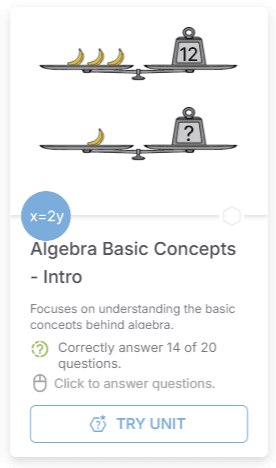
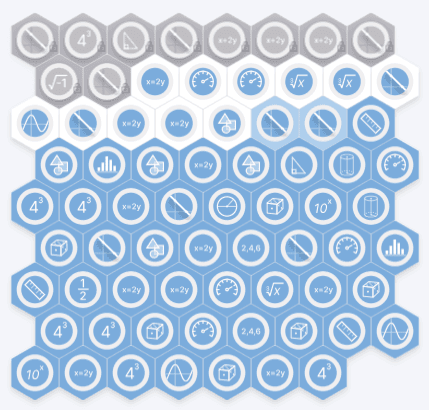
The free practice path gives your child a direct way to explore Matarus at a grade-level starting point and see how independent learning feels.
The tutoring evaluation adds a conversation about current skills, goals, confidence, and support needs. Together, those details help your family decide whether to continue with practice or consider private math tutoring or small-group tutoring.
Make the Next Transition Easier
A thoughtful start gives your child a useful foundation before the next decision. They learn how to approach Matarus, what kind of support feels comfortable, and where they are most ready to grow.
If tutoring becomes the next step, your family can enter that conversation with helpful context rather than starting from scratch. If independent practice is working well, your child can keep building the routine they have begun.

Schedule Your Evaluation
Book a short evaluation call to review your child's current level, goals, and the best tutoring format for steady progress.
- Personalized math skill evaluation
- Insight into strengths and learning gaps
- No obligation to enroll