The Matarus Method
A clearer path to math growth
Matarus helps ambitious students build stronger math understanding through active problem solving, individualized progression, and research-informed practice—not a uniform sequence of lessons.
How the Method Works
The same method principles support stronger challenge, better retention, and steadier confidence across the full learning journey.
Math Excellence
On-Level
Each kid does math at their exact level.
Spaced Repetition
Concepts are revisited over time to ensure retention.
Active Problem Solving
Majority of time spent solving problems not passively listening
Scaffolded Skills
Kids build understanding through small increments in difficulty.
Adaptive Difficulty
Difficulty adapts with success to keep kids challenged.
1
On-Level
Matarus establishes each student’s starting point from demonstrated understanding, not just a grade label or broad course assignment. The platform builds a readiness picture across math themes, so a student may begin advanced work in one area while strengthening prerequisites in another.
This helps families judge whether the instruction fits the learner in front of them. Students begin with work that is appropriately challenging for their current foundation, creating a focused path toward meaningful progress instead of assuming every learner needs the same sequence.

Research: Cognitive Load Theory and Mathematics Learning
Aditomo (review of Sweller framework) (2009)
If multiplication facts aren’t automatic, higher-level math becomes much harder because the brain is juggling too many steps at once.
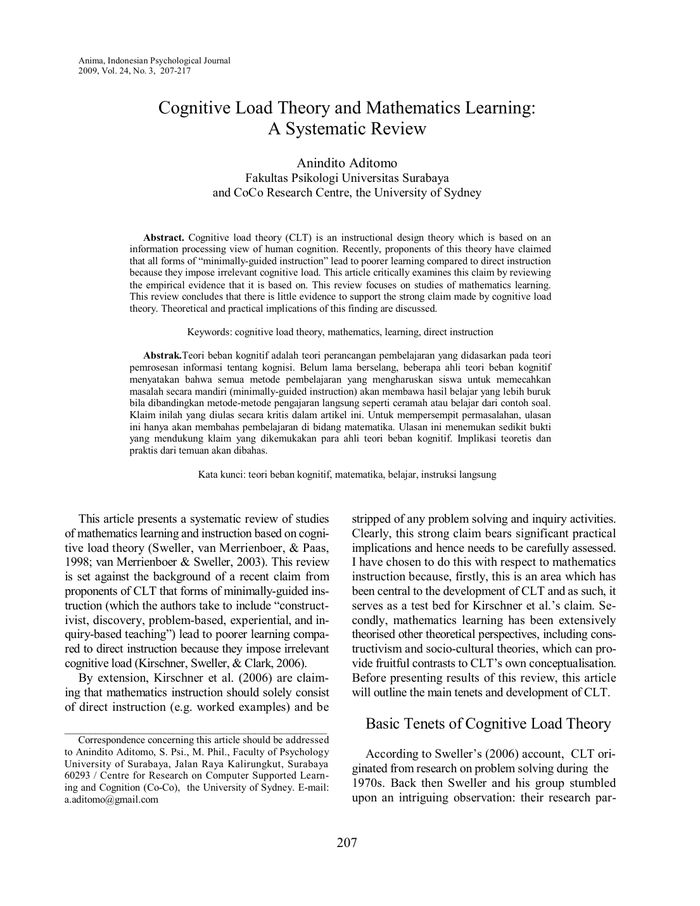
Our working memory — the part of the brain that holds information while we think — can only handle a few things at once. This paper explains how, when the basics of math are not automatic, students burn up that limited capacity on simple calculations and have little left for the actual problem. When core skills become second nature, working memory is freed up, and students can tackle multi-step and advanced problems that would otherwise overwhelm them.
Read the research (2009)2
Spaced Repetition

Important ideas return at useful intervals instead of appearing once and disappearing. This repeated practice helps students retrieve earlier skills while they take on new concepts, making review part of forward progress rather than a separate chore.
Short reviews make knowledge more durable and give students a stronger base for future work. Over time, students spend less effort relearning forgotten ideas and more time connecting familiar methods to new math. Families see a steadier foundation developing across sessions, not just a temporary boost before the next test.
Research: Distributed Practice in Verbal Recall Tasks: A Review and Quantitative Synthesis
Cepeda et al. (2006)
Kids remember math better when they practice a little regularly instead of doing everything at once.
This large review combined the results of many studies on how the timing of practice affects memory. It found that when people space their learning out — returning to the same material after a gap of days or weeks — they remember it far better and for much longer than when they cram it all into one session. For math, that means coming back to a topic again and again over time locks it into memory, so skills a child learned months ago are still there when they need them.
Read the research (2006)3
Active Problem Solving
Students spend most of their time doing math, not sitting through long explanations. In Matarus, they solve problems, explain their thinking, and make adjustments while guidance is still timely and useful.
That creates a more concrete learning experience than lecture-heavy instruction. Students practice in the moment, get feedback when it matters, and build understanding by working through the math themselves.
Research: Active Learning Increases Student Performance in STEM
Freeman et al. (2014)
Kids learn math best by doing it — solving problems, discussing ideas, and practicing regularly — not just watching someone else explain.
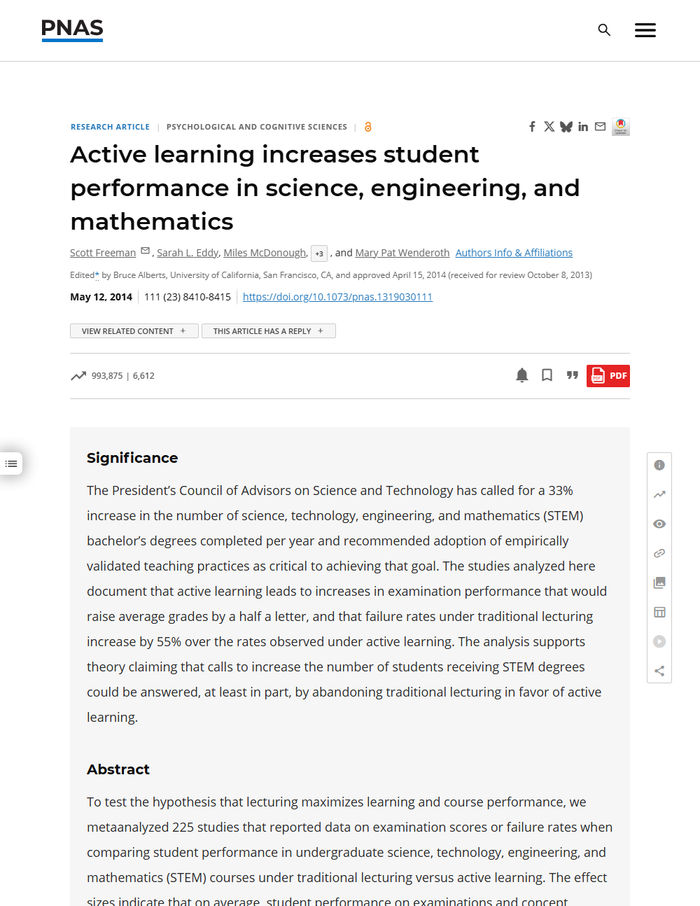
This landmark study pulled together 225 experiments comparing classes where students actively worked through problems with classes based on traditional lecturing. Active learning won clearly: students in those classes scored higher on exams and were far less likely to fail. The takeaway for math is direct — children learn more by doing the work, wrestling with real problems, than by watching someone else explain how it is done.
Read the research (2014)4
Scaffolded Skills

Matarus builds new ideas from skills a student already understands. When a difficult question exposes a gap, a tutor can use the platform to check the needed precursor skills and reinforce those foundations before the student moves deeper into the work.
The platform then shapes a gradual path into harder math, while the tutor notices struggle, offers guidance, and helps the student keep going. Students gain independence by connecting familiar ideas to new ones instead of being asked to make one unexplained leap.
Research: Scaffolding Mathematics Remediation
Brower (2017)
Kids learn math best when concepts build gradually rather than jumping straight to difficult problems.
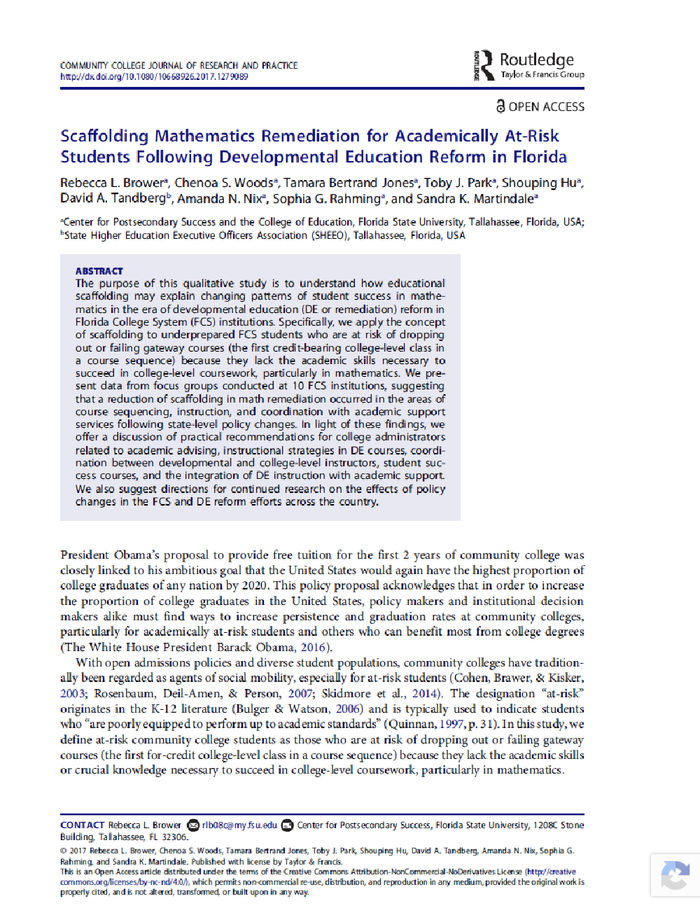
This study looked at students who were behind in math and gave them support that was broken into small, structured steps that gradually built toward harder work. Students who learned this way made stronger gains and grew more confident than those thrown straight into difficult material. The lesson is simple: hard math becomes reachable when it is broken into a staircase of manageable steps, each one building on the last.
Read the research (2017)5
Adaptive Difficulty
Challenge adjusts inside the work itself. When a student is ready, Matarus moves the work forward. When a student needs more support, it steps back enough to keep the thinking productive.
That means calibration happens continuously within each exercise, not only between lessons. Students stay closer to the right level in the moment, which supports clearer reasoning, steadier confidence, and stronger learning over time.

Research: Tracing Students’ Practice Behavior in an Adaptive Math Learning Program
Recent adaptive learning research (2025)
Kids who stick with math practice and complete their work steadily tend to make more progress.
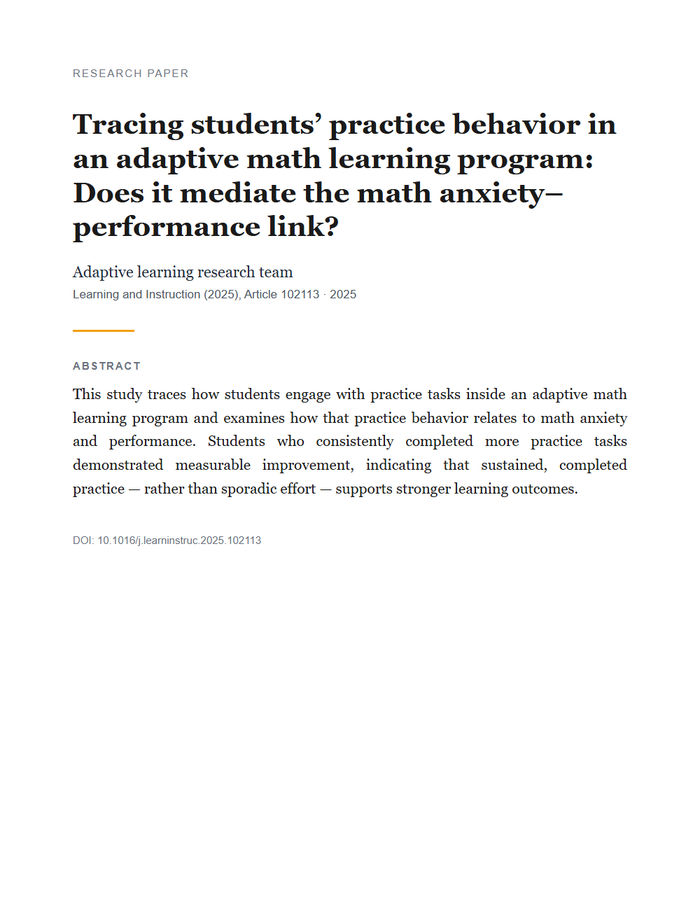
By tracing exactly how students used an adaptive math program, this study found that the children who completed more practice tasks showed stronger improvement. Sticking with the work — steadily finishing practice rather than starting and stopping — was tied to better outcomes. It reinforces that consistent, completed practice, not occasional bursts, is what drives real progress in math.
Read the research (2025)