In the first few sessions, students work through exercises that show how they understand the major math themes for their age. That gives Matarus a clear starting point based on demonstrated readiness, not guesswork.

How Sessions Work
Start right, build steadily
Sessions start at each student's level, keep them actively solving, and end with clear next steps for the week ahead.
A Clear Session Flow
Matarus sessions follow a seven-step flow: students begin with individualized leveling, work through focused exercises and skill practice, build fluency, take on advanced challenges, and receive clear weekly progress updates. Each session combines a repeatable structure with work that adjusts to the student's demonstrated understanding.


After leveling, sessions move through a sequence of short exercises, usually about 7–10 minutes each. The work builds from the student's current level, so the pace feels steady while still moving forward.

In Unit Mastery, students stay in one area of math long enough to build real understanding. Matarus raises the difficulty step by step as success is established, while tutors give feedback, hints, and guidance along the way.

Practice focuses on individual skills. Each question can come with added explanation, hints, and guided problem solving, so students strengthen the idea behind the work instead of just reaching one answer.

Speed Sets builds core skills with a focus on fluency and pacing. As students revisit foundational math in this format, important ideas become faster to recall and easier to use.

Older students can take on competition challenges built around non-routine problems and creative strategy. It gives ready students a chance to think more deeply and approach unfamiliar math with confidence.

Families receive weekly updates that show progress, challenges, and next steps. That keeps parents connected to what the student is learning and where growth is headed next.
1
Initial Leveling
Start at the Right Level
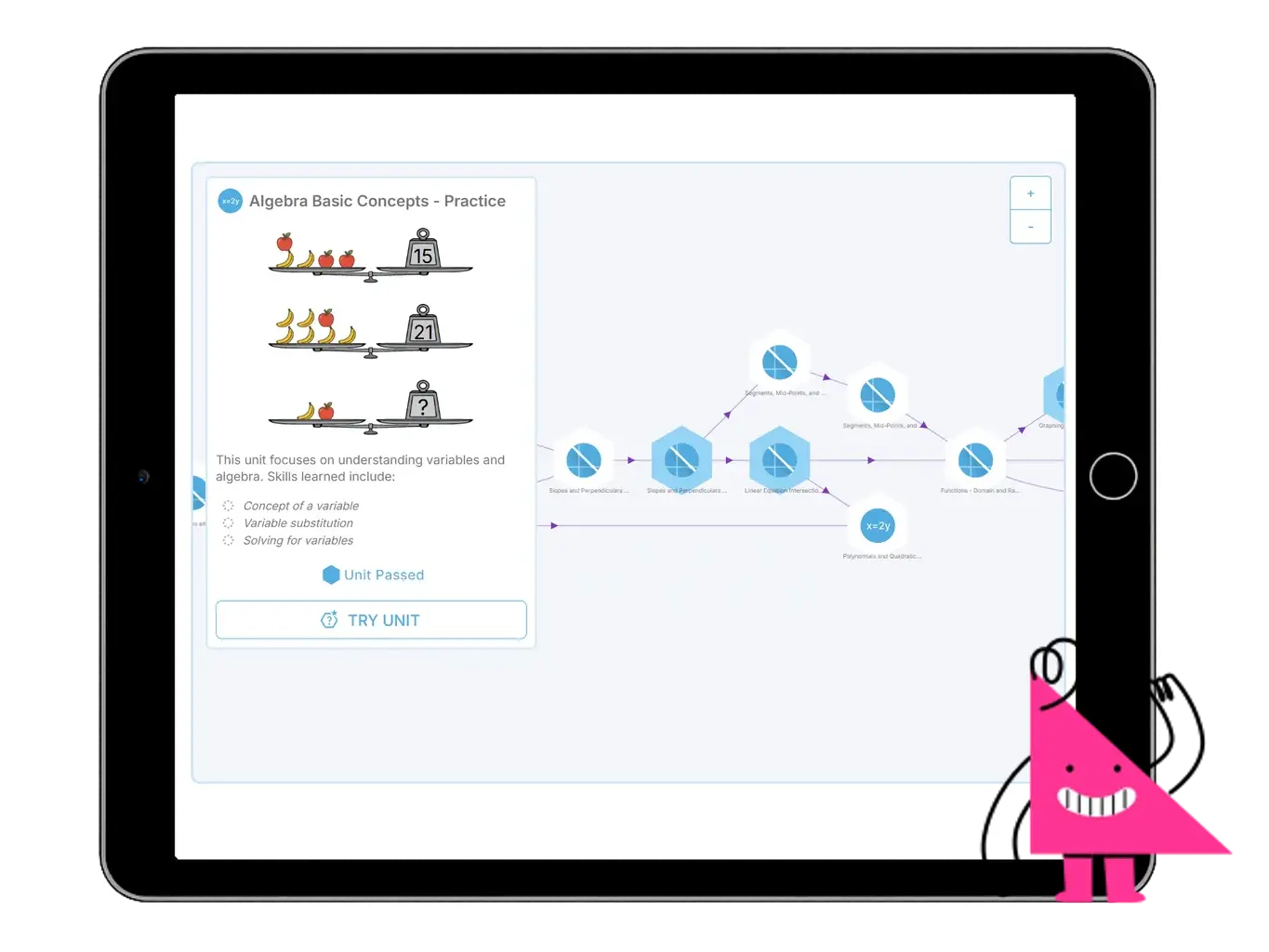
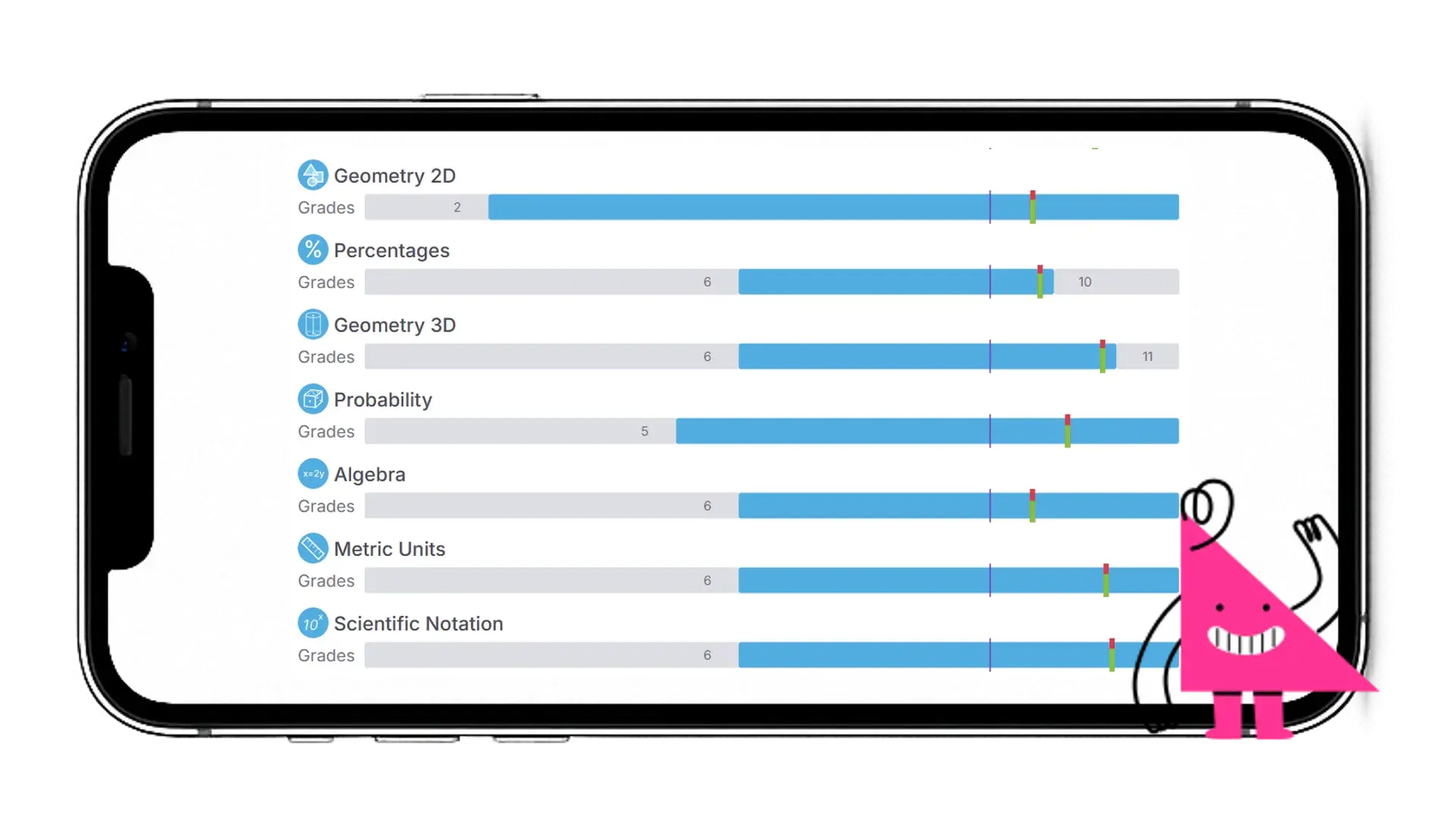
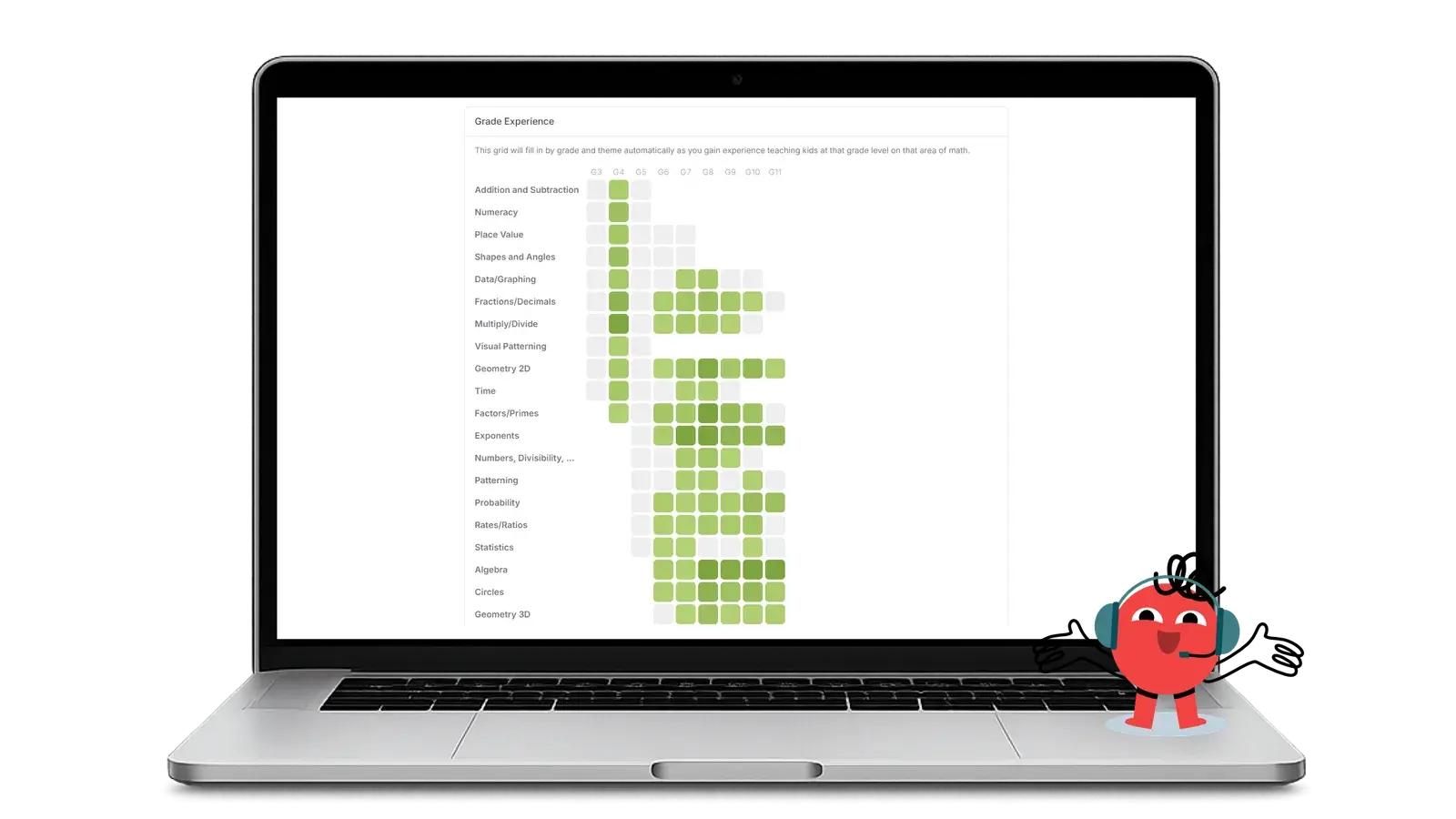
In the first few sessions, students work through exercises that show how they understand the major math themes for their age. That gives Matarus a clear starting point based on demonstrated readiness rather than guesswork.
Because placement reflects what a student can actually do, the work begins exactly where meaningful progress can start to happen.
2
Session Blocks

Session Blocks
After leveling, sessions move through a sequence of short exercises, usually about seven to ten minutes each. The work builds from the student's current level, so the pace feels steady while still moving forward.
These compact blocks keep students actively engaged throughout the session and make it easy for a tutor to adjust on the fly.
3
Unit Mastery
Unit Mastery
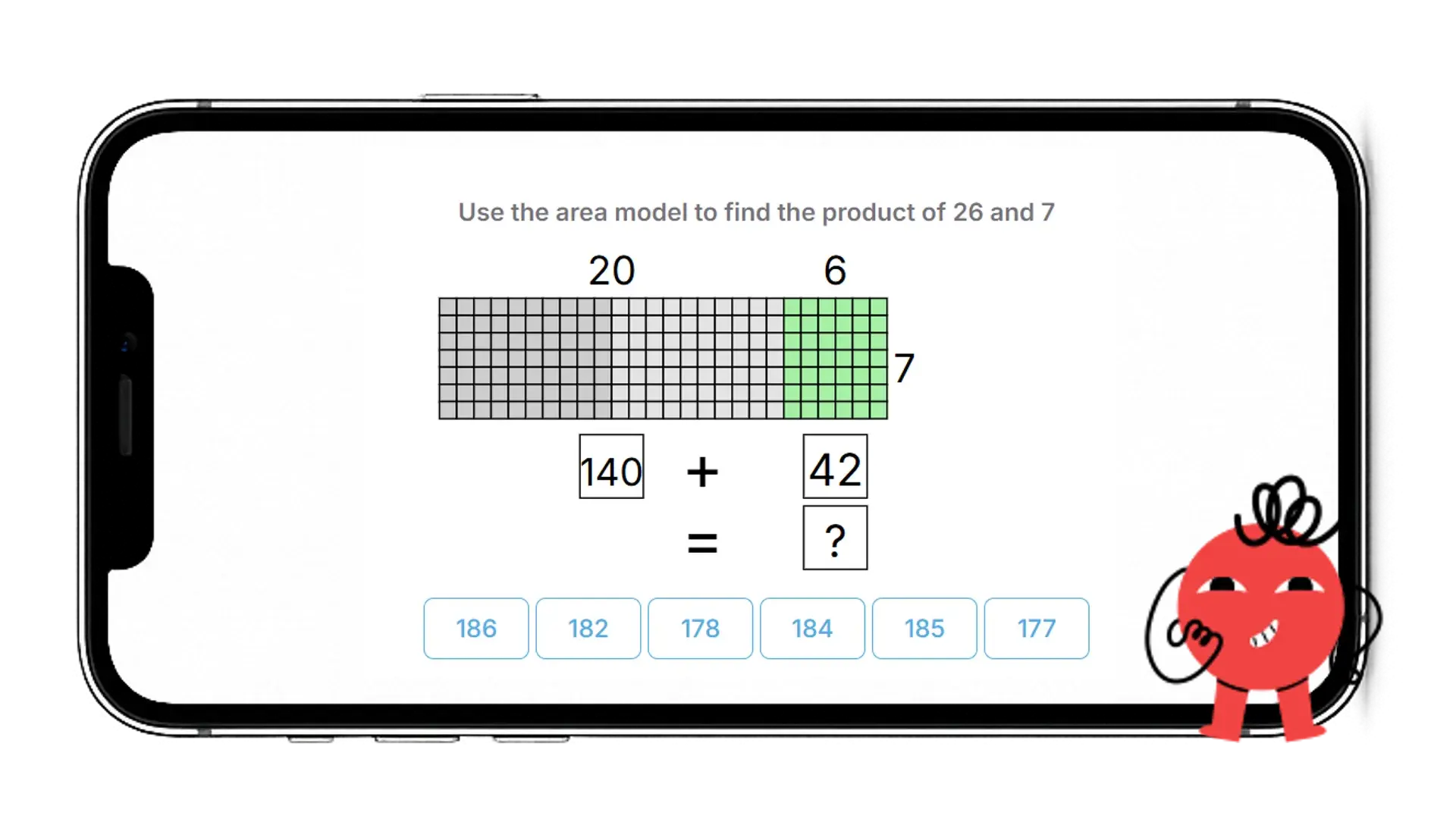
In Unit Mastery, students stay in one area of math long enough to build real understanding. Matarus raises the difficulty step by step as success is established, while tutors give feedback, hints, and guidance along the way.
The goal is for students to consolidate a concept and reach genuine fluency before moving on to the next one.
4
Skill Practice

Skill Practice
Skill Practice focuses on individual skills in a targeted way. Each question can come with added explanation, hints, and guided problem solving, so students strengthen the idea behind the work instead of just reaching one answer.
That emphasis on the underlying reasoning is what turns repeated practice into durable understanding rather than short-lived recall.
5
Speed Sets
Speed Sets
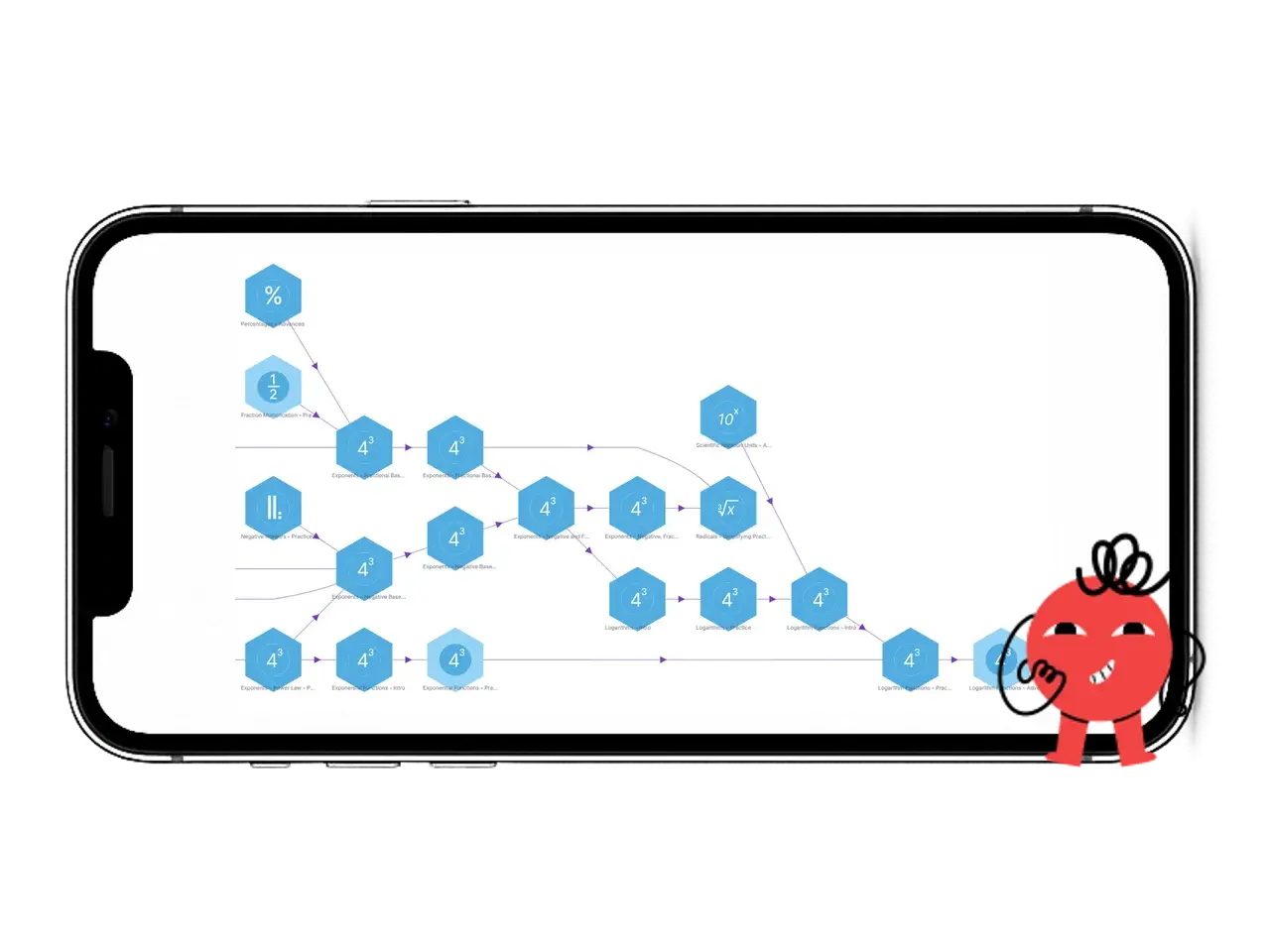
Speed Sets build core skills with a focus on fluency and pacing. As students revisit foundational math in this fast format, important ideas become quicker to recall and easier to use.
That automaticity frees up mental space for harder, multi-step problems later, because students are no longer slowed down by the basics underneath them.
6
Competition Work
Competition Work
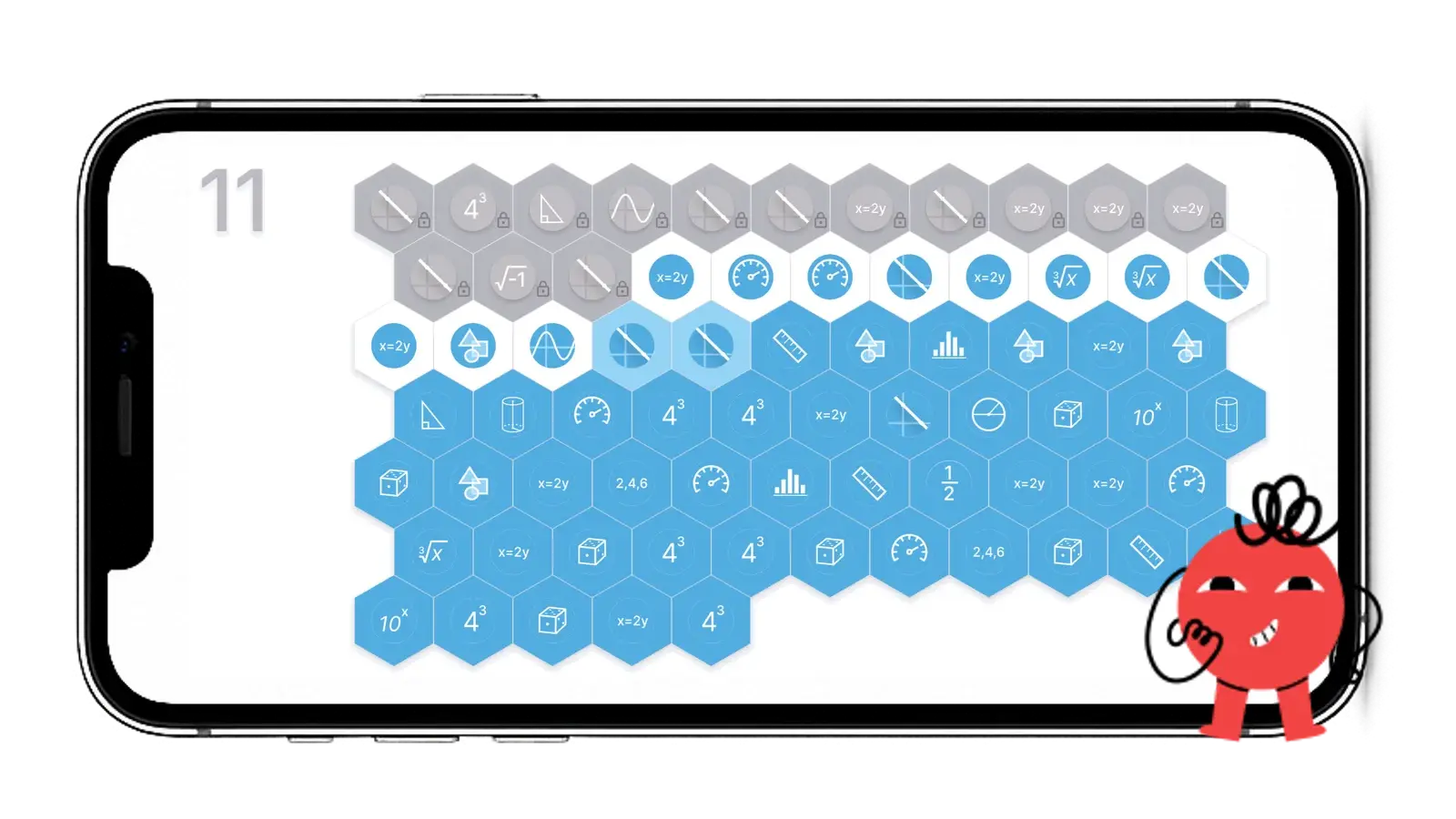
Older students can take on competition challenges built around non-routine problems and creative strategy. It gives ready students a chance to think more deeply and approach unfamiliar math with confidence.
This kind of work extends strong students well beyond routine practice and rewards persistence, flexible thinking, and a willingness to explore several approaches.
7
Weekly Updates

Weekly Progress, Clearly Shared
Weekly updates summarize the skills students practiced, the areas that still need attention, and the next focus for continued growth.
By closing the loop after each week, the update helps families understand how the session work is adding up and what the student is ready to tackle next.
Placement That Makes Progress Possible
Before regular sessions begin, students complete exercises across the major math themes expected for their age. Matarus reviews the understanding they demonstrate to identify a starting level that is appropriately challenging and useful.
This means students spend less time repeating work they already know and more time building the skills that unlock their next gains. Starting at the right level can help students complete more focused work, strengthen weak foundations, and see meaningful progress earlier.

Placed for Real Progress
Math excellence for ambitious students.
Matarus uses demonstrated understanding to shape the student's early work, so the first sessions have a clear purpose. Students spend less time repeating skills they already know and more time strengthening the ideas that will unlock their next gains. That focused start helps build confidence while creating evidence of progress families can follow.
Students Do the Math
Most of the session is spent actively solving problems with tutor support, not passively listening. Students are working through math, responding to questions, and building understanding through real effort.
Because the structure repeats from session to session, students know how to get started, stay engaged, and make progress inside work that adapts to their level.

Responsive Tutor Support
As students work, tutors respond in the moment with a hint, a clearer explanation, or a better question. Support arrives right where understanding starts to slip, so students can keep making progress.
That live guidance works alongside the platform instead of replacing it. Tutors help students stay engaged in the math while Matarus keeps the work visible, structured, and appropriately challenging.

Explore Progress in Practice
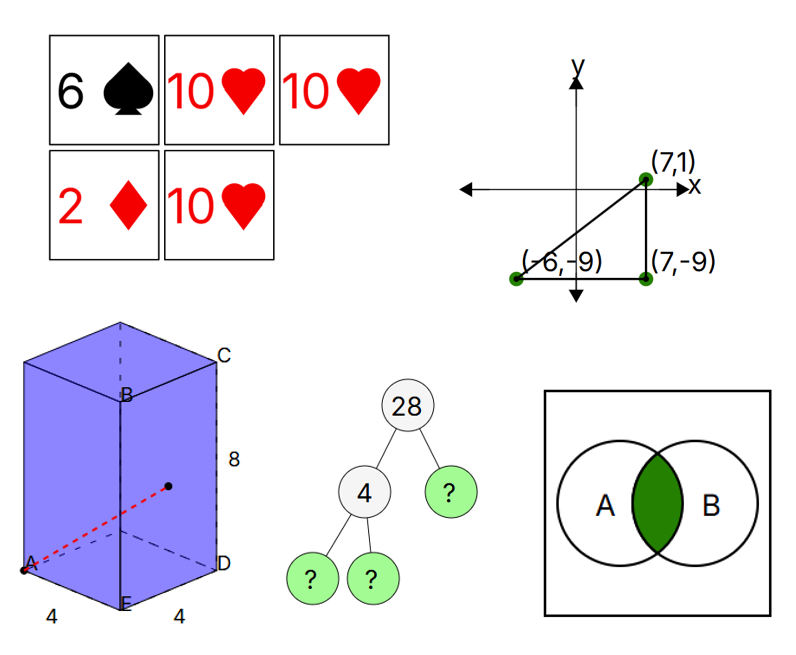
Try a Matarus unit to see how a student can begin with an accessible question and work toward more demanding math as understanding develops.
The experience shows how guided practice can build fluency within one area while making progress visible along the way.
See the Adaptive Platform for Yourself
Try any unit to experience firsthand how Matarus starts work at an accessible point, then adapts the difficulty within that area as success appears.
Suggested Search Terms
Unit Recommendations