
Structured Competition Preparation
Advanced reasoning with better execution.
Train for advanced math contests with weekly coaching that builds method flexibility, smarter pacing decisions, and confidence under timed pressure.
Find the Right Contest Fit
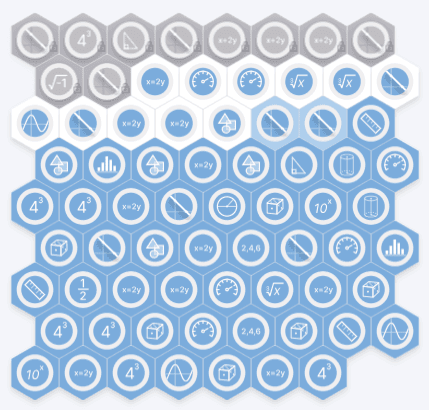
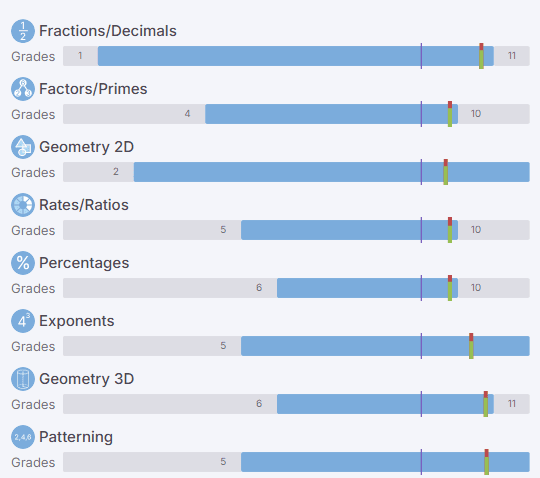
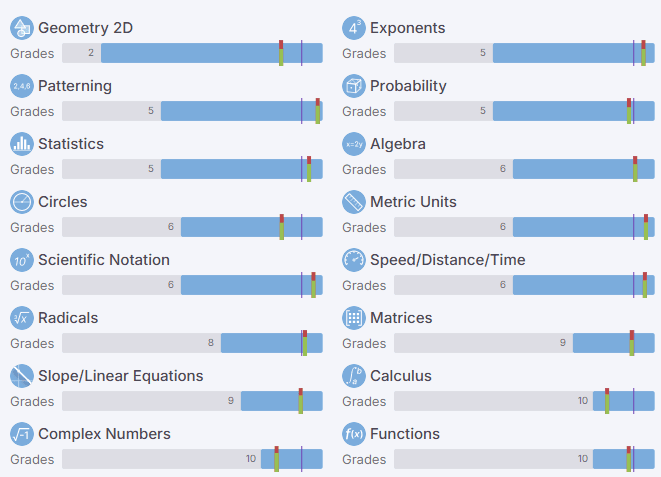
Competition preparation begins with a clear picture of how a student is developing. Matarus helps families see progress over time, while tutors learn where a student gets stuck and which explanations help ideas click.
That shared understanding gives each week a practical direction. Tutors can encourage students in ways that feel credible and motivating, then use their responses to shape the next stage of contest preparation.
Foundational Contest Skills
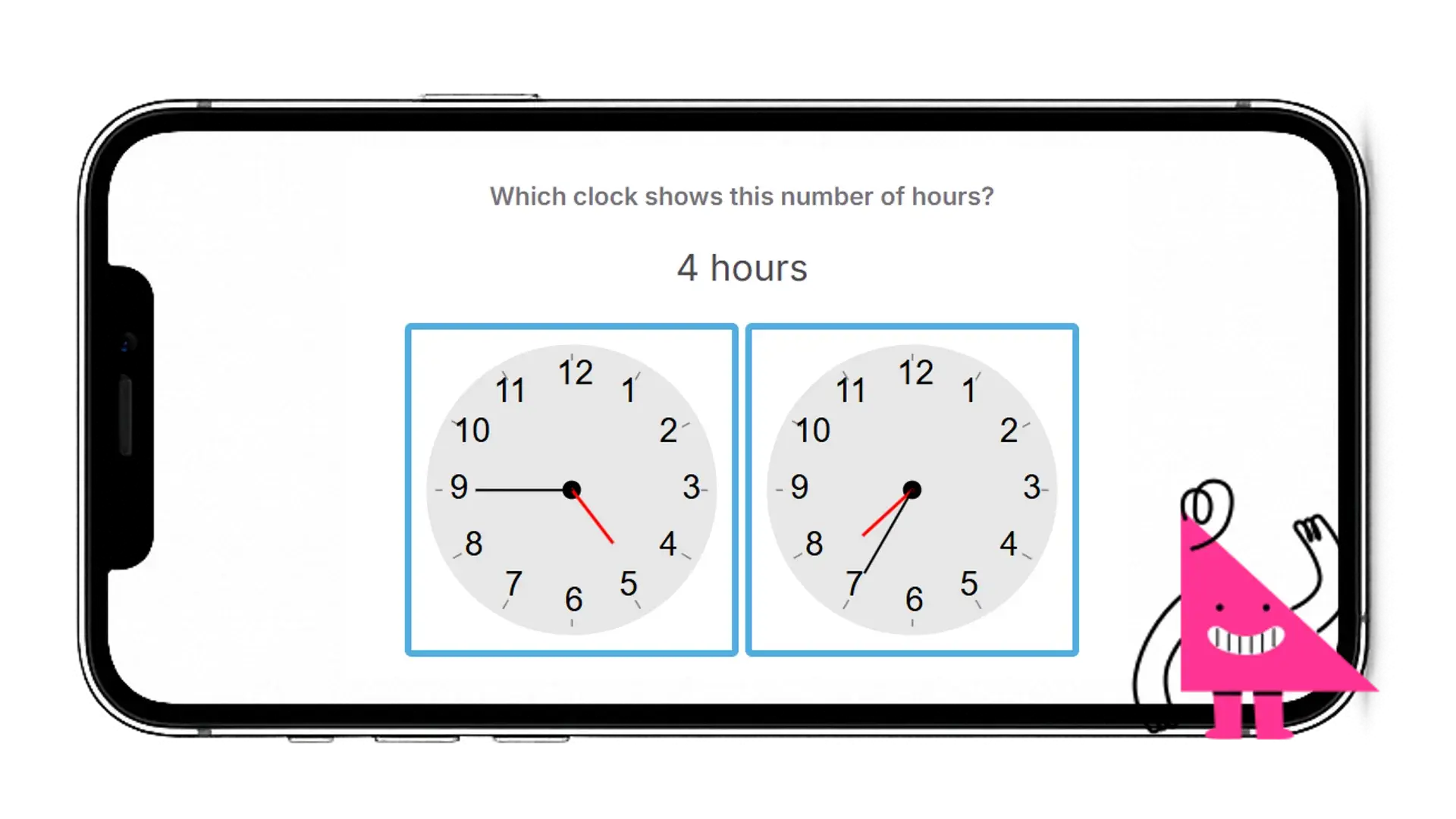
Strong contest results usually come from a clear base, not just harder problem sets. Students build reliable skill across algebraic manipulation, number theory, geometry reasoning, combinatorics, proof-style writing, and timed problem choice. As that foundation strengthens, practice can move into tougher sets and sharper pacing decisions without losing accuracy.
Number Theory and Prime Factorization
Students solve number problems using divisibility, factorization, and prime structure reasoning.
Algebraic Manipulation and Equation Solving
Students transform complex expressions and solve equations with strategic substitutions.
Geometric Reasoning and Visualization
Students use diagram logic and geometric constraints to solve unfamiliar shape problems.
Counting and Probability Strategies
Students count arrangements efficiently and apply probability tools in contest-style questions.
Pattern Recognition and Sequence Analysis
Students identify sequence rules quickly and generalize patterns across harder prompts.
Functional Relationships and Mathematical Modeling
Students model variable relationships and use functions to simplify complex setups.
Exponents and Radical Simplification
Students streamline calculations by applying exponent and radical rules accurately.
Advanced Geometric Relationships
Students apply theorem-based geometric reasoning to distance and triangle challenges.
Featured Skill
Number Theory and Prime Factorization
Students solve number problems using divisibility, factorization, and prime structure reasoning.
Sample preview unavailable for this skill.
Clear Written Reasoning
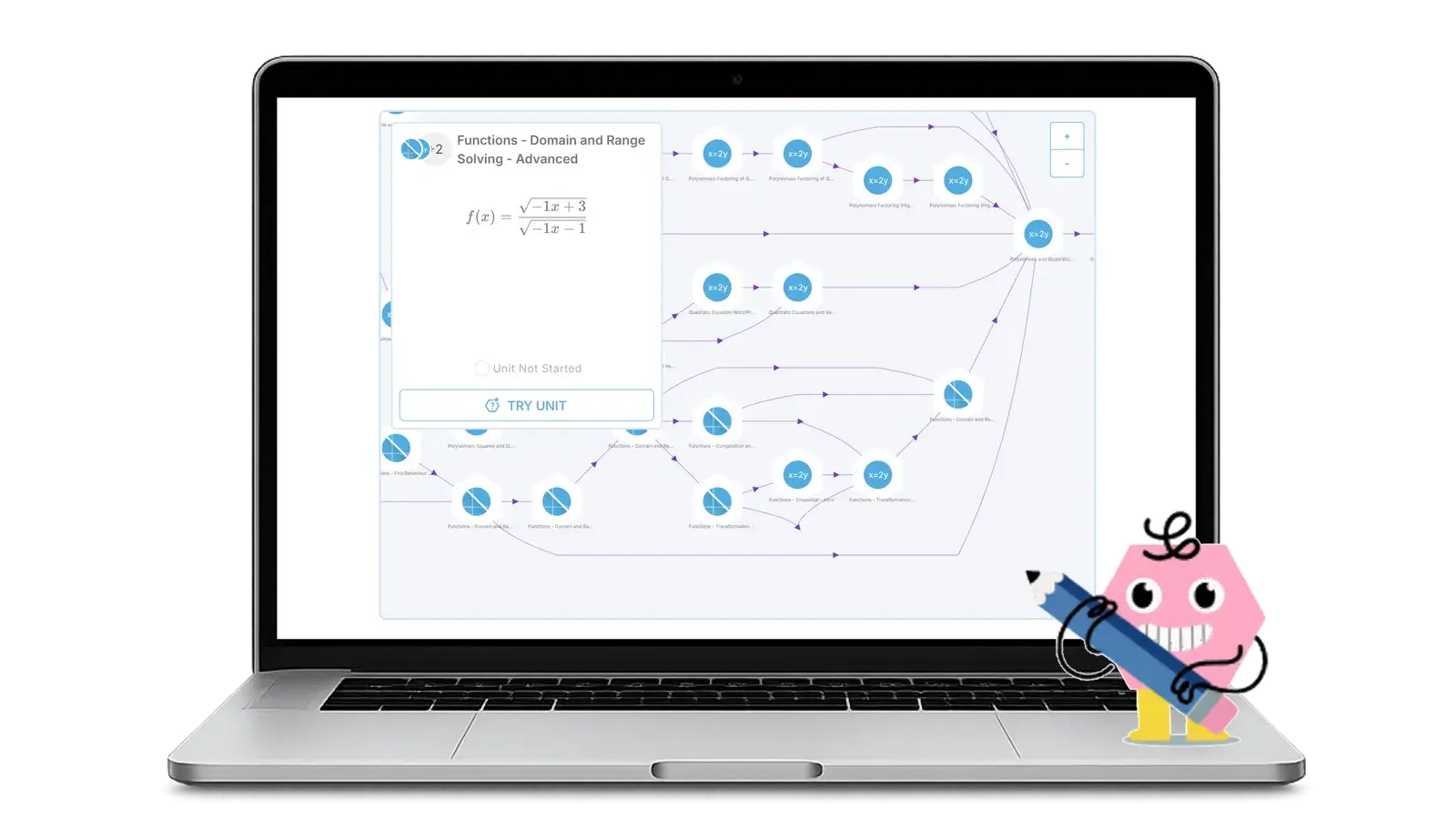
CEMC-style problems give students practice with unfamiliar situations that require careful interpretation. They learn to identify the information that matters, connect it to a useful idea, and compare possible paths before committing to a solution.
Review focuses on the reasoning choices behind each attempt. Students explain how an approach fits the problem and examine alternative methods, building the flexibility needed to handle contest questions that do not resemble routine exercises.
This work prepares students to communicate mathematical thinking clearly while continuing to develop the judgment needed for advanced AMC and CEMC preparation.
Competition snapshots
Real Competition Problems
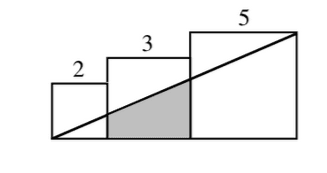
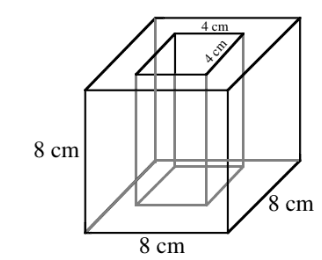
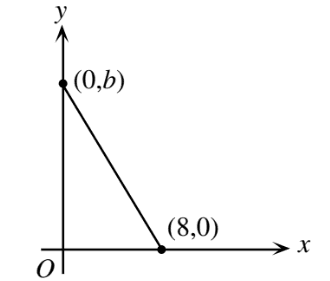
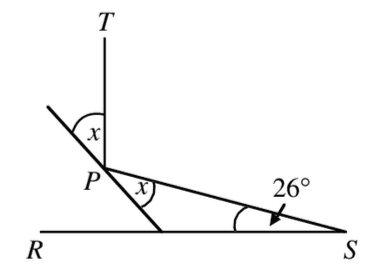
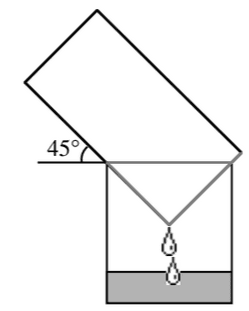
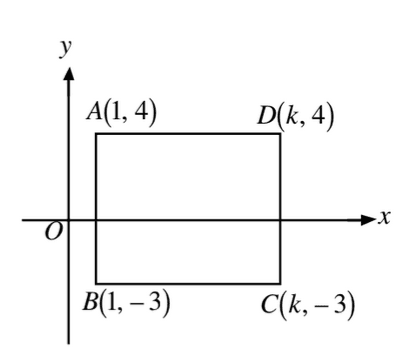
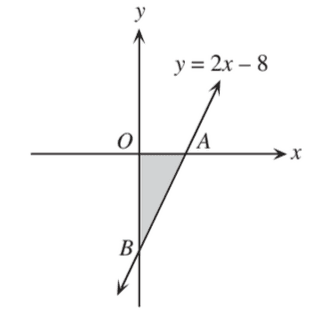
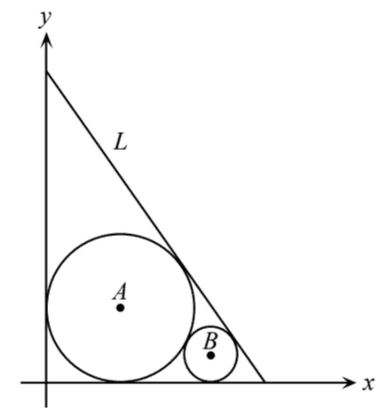
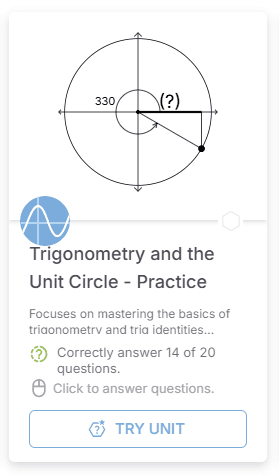
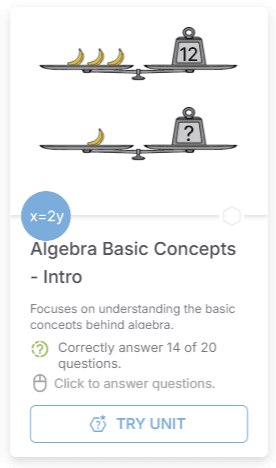
See a sample of the competition-style diagrams and problem layouts students can practice with as they build contest fluency.
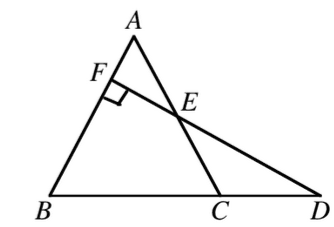
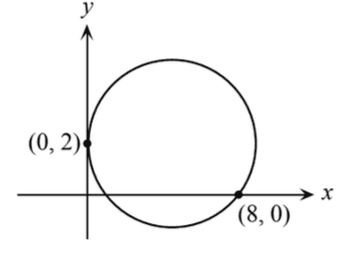
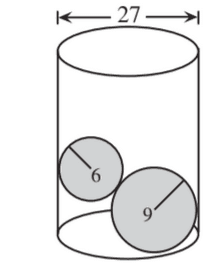
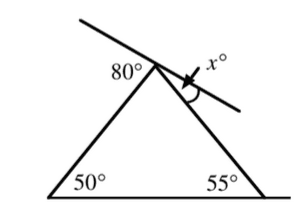





A Deliberate Method
Students learn to scan a contest set, compare candidate problems, and choose where their time is most likely to produce progress. They practice recognizing when a familiar method fits and when a different approach may be worth trying.
When a question stalls, students learn to reset their pace, switch methods, or move on without losing momentum. Those decisions help them use their preparation more effectively under real contest conditions.


A Family Perspective
Weekly progress updates help families decide what kind of support will help next, whether that means reinforcing a concept, adjusting the pace, or considering a different tutoring format.
“The updates gave us a clearer sense of what kind of support would help next. We knew when to keep building a skill and when our child was ready for a new challenge.”.
That perspective made it easier for our family to turn each week’s information into a practical decision at home.
— A Matarus parent.
Loved by parents and students alike
How the Method Works
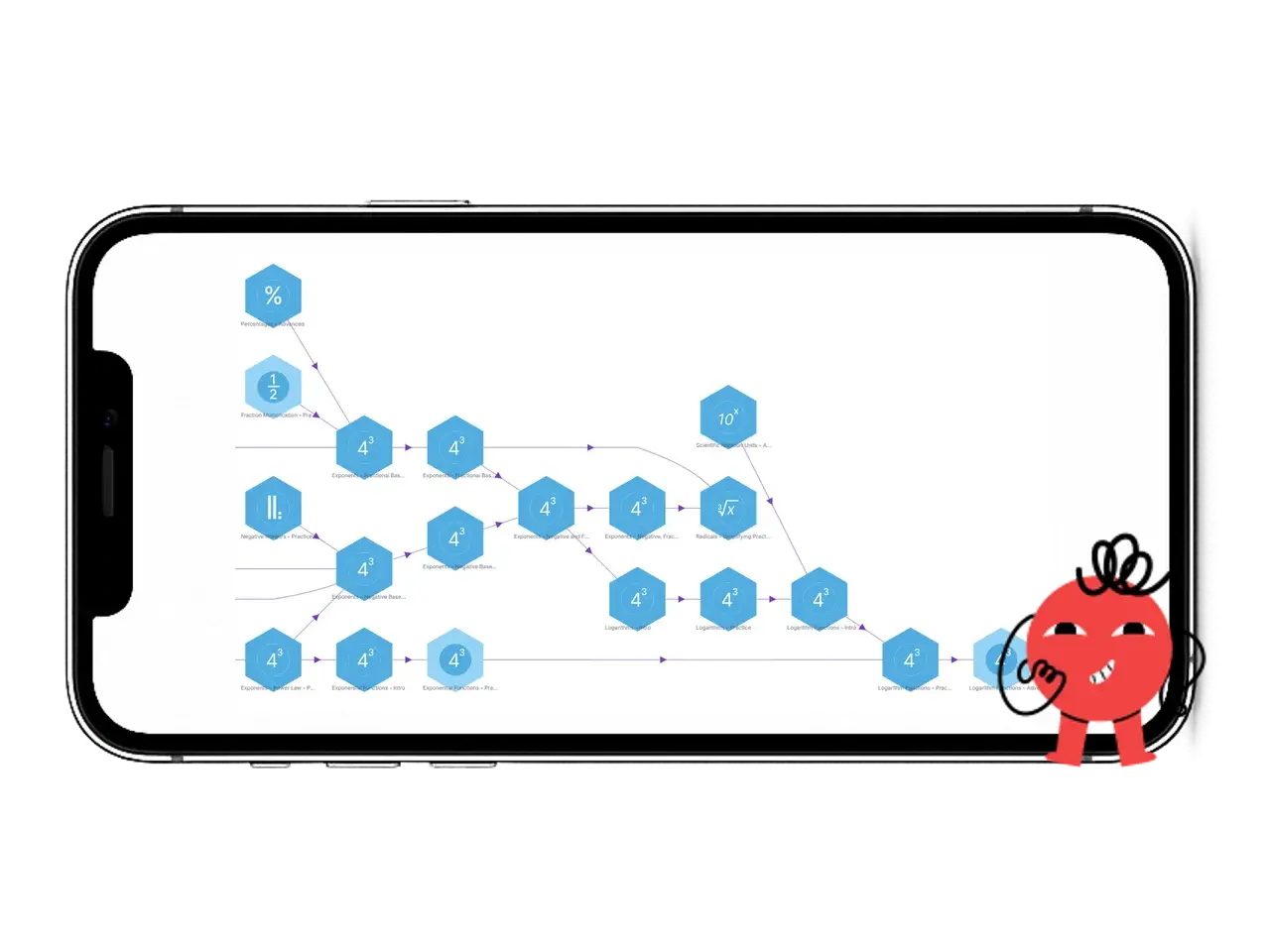
The learning cycle connects diagnostic priorities, unfamiliar-problem reasoning, deliberate problem selection, staged timed practice, and weekly review. The platform helps identify the next challenge, while tutoring turns each review into clearer decisions about what to practice and how to grow.
Math Excellence
On-Level
Each kid does math at their exact level.
Spaced Repetition
Concepts are revisited over time to ensure retention.
Active Problem Solving
Majority of time spent solving problems not passively listening
Scaffolded Skills
Kids build understanding through small increments in difficulty.
Adaptive Difficulty
Difficulty adapts with success to keep kids challenged.
Timed Simulation Cycles
Timed work begins after core skills are dependable. Students start with shorter sets that build accuracy, problem selection, and the habit of resetting their pace when a question takes longer than expected.
As those decisions become steadier, practice grows into longer contest-style simulations. Tutors review where time went, which choices helped, and where a different approach could have created progress.
Each post-set reflection shapes the next practice priority, so students move from reliable fundamentals to stronger judgment and full-contest execution in deliberate stages.

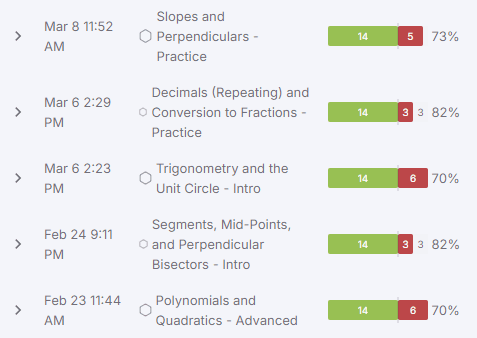
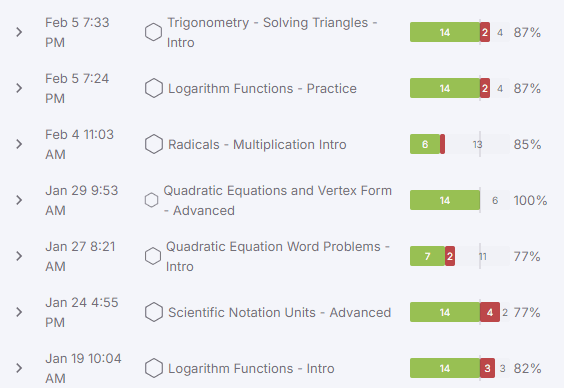
Visible Weekly Progress
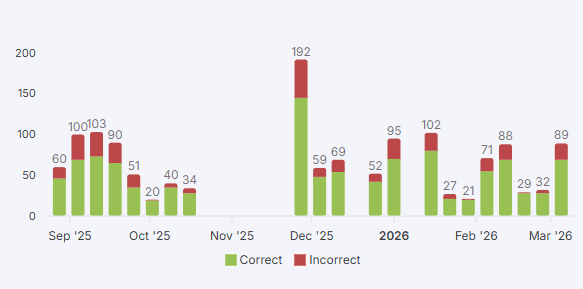
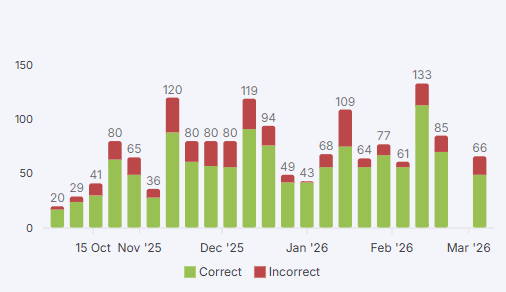
Families receive concise weekly updates that show what improved, where support is still needed, and which next focus area should guide the coming week of learning.
That gives parents practical learning evidence they can understand quickly, so decisions about pacing, reinforcement, and goals stay grounded in what the student is actually showing.

A Format That Fits
Competition-math tutoring can work well in either small-group tutoring or private math tutoring, depending on the kind of support a student needs most.
Small-group tutoring is a strong fit for students who want serious contest practice on the same Matarus platform at a more accessible price point, while still working at an individual level inside the live session.
Private math tutoring is the better fit when a student wants close attention on current contest work, detailed feedback on written solutions, and session timing arranged directly with the tutor.
Schedule Your Evaluation
Book a short evaluation call to review your child's current level, goals, and the best tutoring format for steady progress.
- Personalized math skill evaluation
- Insight into strengths and learning gaps
- No obligation to enroll