Build a Tutoring Business with Clear Economics

Rates, fees, referrals, and flexibility

Choose your session rate, understand the applicable Matarus platform fee, and keep the remaining session fee—while remembering that bookings and income are not guaranteed.

Try Matarus, Assess the Fit

Tutors can set up a profile, learn how Matarus works, and, where terms allow, work with initial students without an upfront platform cost. Use this period to assess the time involved in preparation, teaching, communication, and follow-up.

Free access does not guarantee students, bookings, or income, so review the current terms and decide whether the platform fits your availability and business goals.

Try Matarus, Assess the Fit

Tutor Rate Guide

Private Tutoring

Rates are set by you as the tutor, and depend on location, math area, experience, and many other factors. This page serves as a guide for what ranges of rates might be reasonable.

Rate categoryIn PersonOnline
Grades 1-6$40-70$30-50
Grades 7-9$45-75$40-60
Grades 10-12$50-90$45-70
Advanced Grade 12 (AP/IB/Calculus)$60-100$50-90
SAT/ACT/Admission Tests$50-100$45-90
Clear Communication with Families

Clear Communication with Families

Strong tutoring businesses depend on listening as well as explaining. Use family conversations to understand a student's needs, answer questions clearly, and make sure expectations fit the support you can provide.

Use the platform's communication tools to keep families informed about availability, session plans, and next steps. Clear, consistent communication helps families understand your work and decide whether your approach is a good fit.

Tools and Support Around Teaching

Matarus provides marketing support, curriculum, class management, teaching tools, communication tools, and billing support to help tutors handle more of the work around teaching.

These resources can reduce repetitive administrative tasks, support clearer family communication, and help you organize sessions and follow-up. They are designed to support teaching operations, while demand, bookings, and income still depend on each tutor's circumstances.

Referrals with Clear Boundaries

Experienced tutors who are open to new students may be connected with families looking for support. Matarus does not guarantee demand or income, so tutors can review each referral with realistic expectations.

Referral value can continue when a referred student purchases sessions, even if another tutor teaches them. The financial details explain the conditions, limits, and timing that apply.

Referrals with Clear Boundaries

Communication That Builds Trust

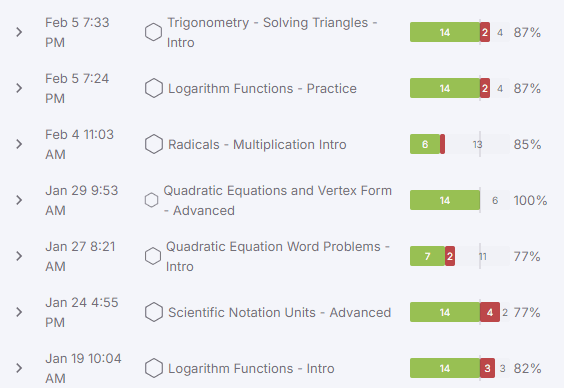
Use communication tools to share what a student practiced, where additional support may help, and what you plan to focus on next. Clear updates help families understand the value of your work.

Consistent progress notes can strengthen parent trust, support thoughtful follow-up, and make it easier to build an ongoing tutoring relationship without promising the same experience for every family.

Build Your Tutor Profile

Build Your Tutor Profile

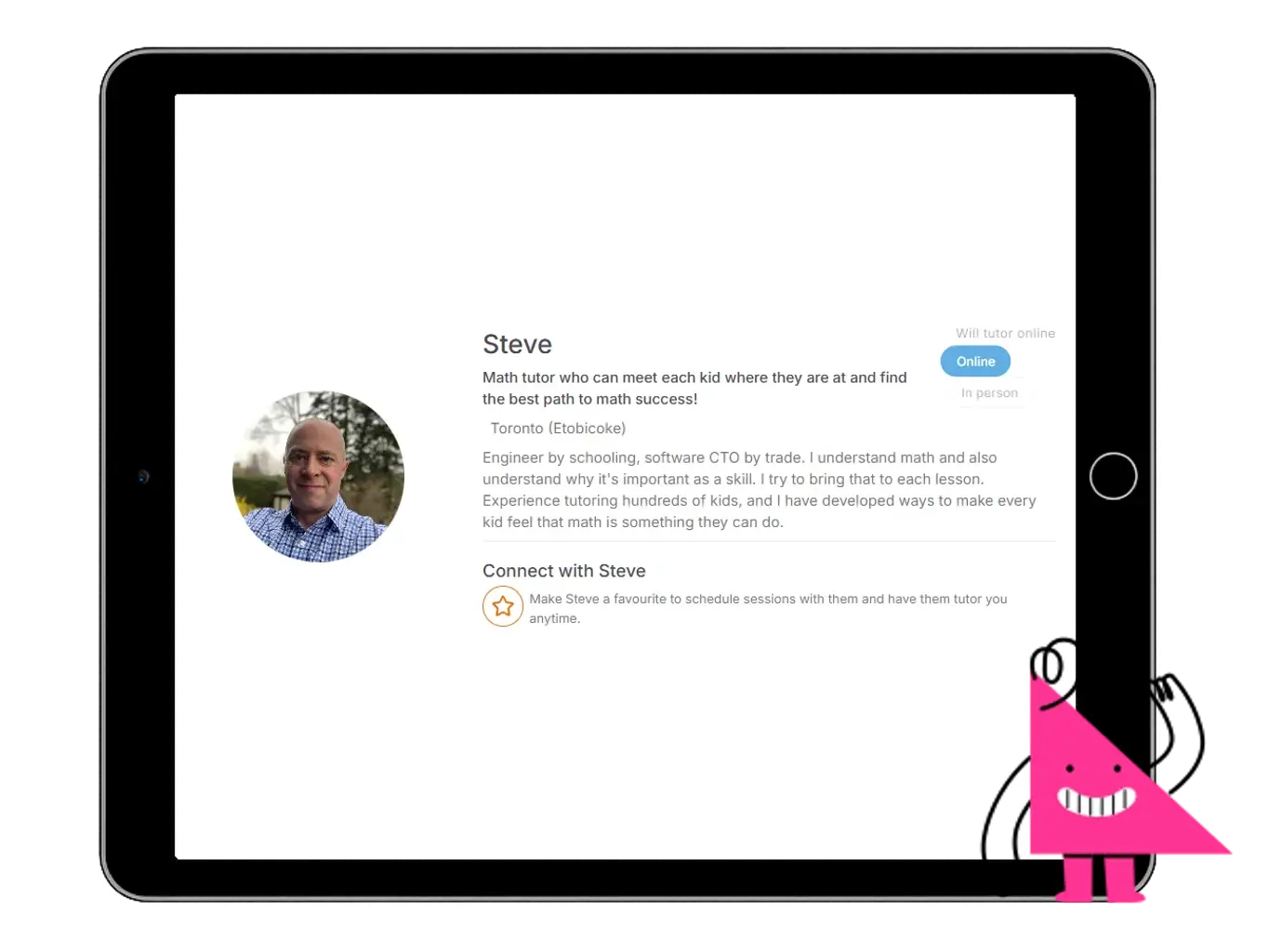
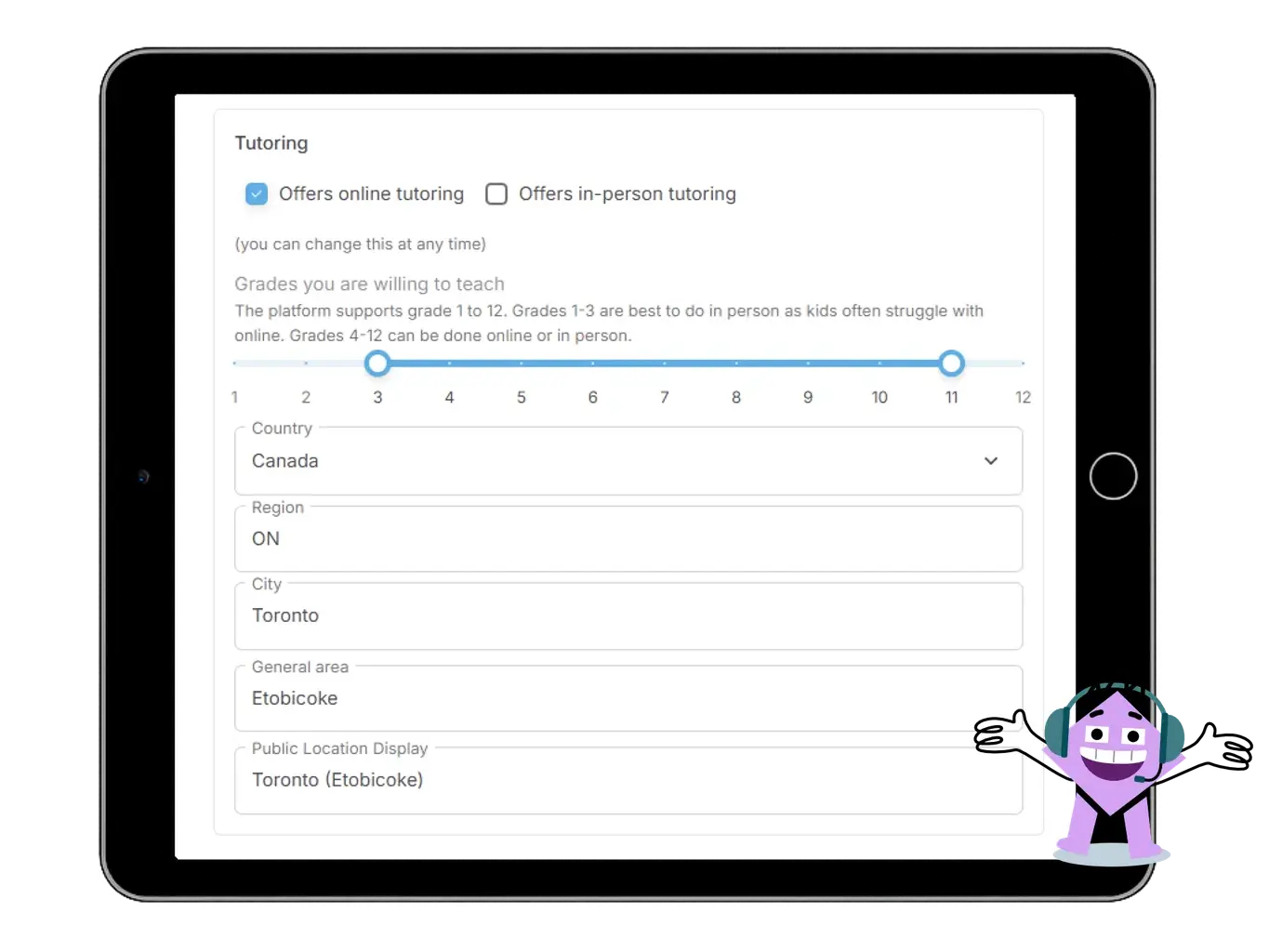
Create a clear tutor profile that explains your credentials, teaching experience, availability, and the learners you are prepared to support. Specific information helps families understand your approach before they reach out.

Keep your profile current as your experience, subjects, or availability change. A focused profile gives prospective families useful information for choosing a tutor.

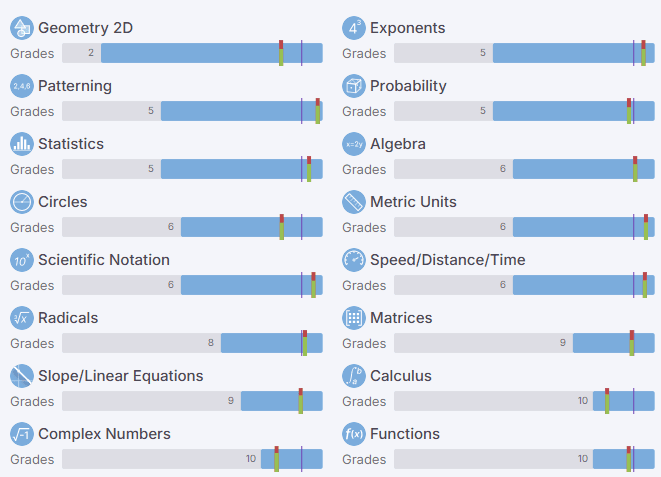
A Learning Pathway from Foundations to STEM

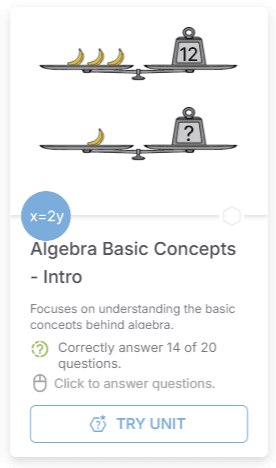
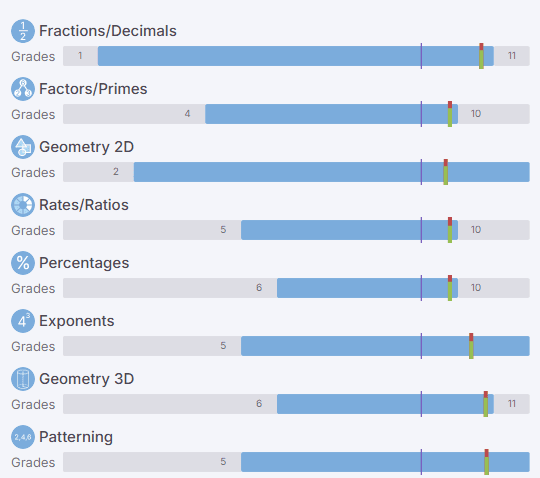
A strong tutoring plan can build from early numeracy and problem-solving to confident work with fractions, algebra, geometry, and data. Matarus tools and curriculum can help tutors see which skills are ready to strengthen next.

As learners reach high school, support can extend to advanced algebra, functions, calculus, and scientific reasoning. The goal is measurable progress toward independent problem solving, stronger course results, and readiness for university or STEM study.

A Learning Pathway from Foundations to STEM

Progress from Foundations to STEM Readiness

In the early grades, learners build number sense, fluency, and confidence with multi-step questions. In middle school, they connect arithmetic to ratios, expressions, geometry, and data, working toward accurate independent solutions. In high school, they develop algebraic, statistical, and calculus skills that support stronger course performance and readiness for university or STEM programs. Tutors can use this progression to match support to each learner's current skills and track outcomes such as solving multi-step problems independently and completing advanced coursework with greater confidence.

Review Net Earnings Over Time

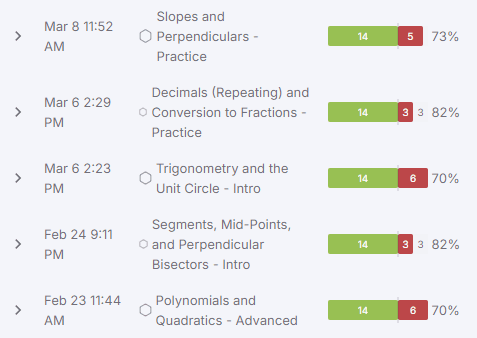
After initial setup, compare your actual net earnings with the time required to prepare, teach, communicate, and follow up. Consider whether your rate, booking volume, and student mix support the practice you want to build.

Review applicable platform fees and referral terms as your schedule grows. Adjust your availability or commitments when the numbers no longer fit your goals, and do not treat estimates as guaranteed income.

Review Net Earnings Over Time
Ready for the First Booking

Ready for the First Booking

Before accepting a first booking, verify that your stated availability matches the time you can reliably teach. Confirm the session format, the student's immediate learning goal, and how families can contact you so expectations are clear from the start.

Keep the first session focused on a realistic plan for the student's work and on the responsibilities you can support. Once those details are clear, you can decide whether to accept the booking and prepare the right materials.

Frequently Asked Questions

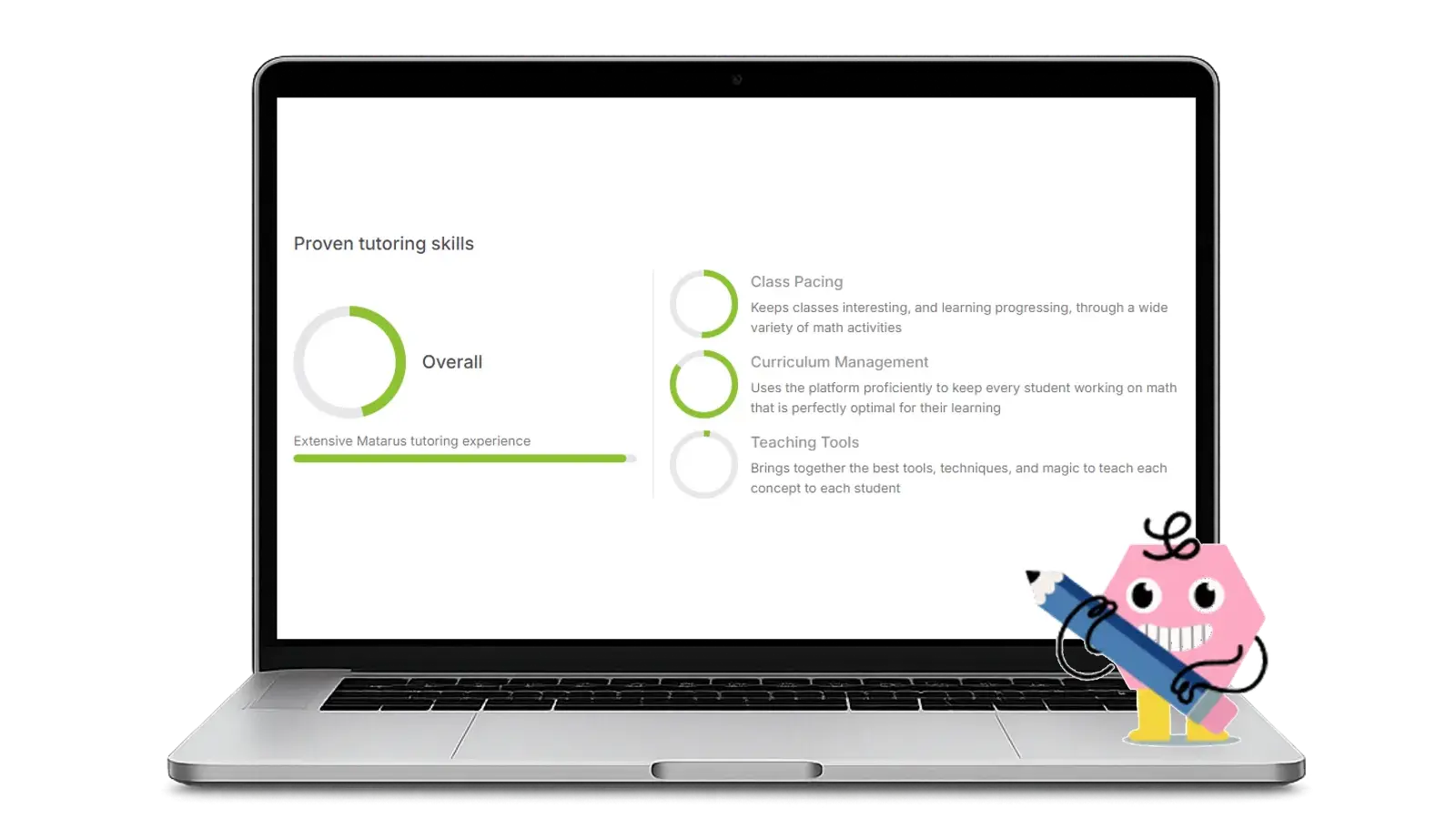
Tutors are expected to deliver clear explanation, active session flow, reliable communication, and consistent professionalism anchored in observable instructional quality behaviors.

Typical stages include profile submission, instructional evaluation, readiness review, and onboarding for selected applicants. The process is selective and criteria-based.

Yes. Selected tutors receive onboarding guidance for platform workflows, session standards, and family communication expectations before taking on active teaching responsibilities.

Strong profiles highlight teaching experience, subject depth, communication clarity, and practical learner-focused approach. Families need clear evidence of instructional fit.

Scoring includes instructional consistency, student engagement quality, communication reliability, and progress-support behaviors. It is used to guide coaching and quality improvement.

Relevant teaching experience is preferred, and instructional potential is assessed through structured evaluation. Selection focuses on quality, professionalism, and learner-centered execution.

Tutors are expected to communicate clearly, prepare reliably, and uphold consistent standards in session quality, family updates, and scheduling commitments.

Yes. Selective recruitment helps maintain consistent instructional quality for students and families. Admission decisions are made through criteria-based evaluation rather than open enrollment.

Tutors teach in a standards-driven environment with platform support, clear expectations, and ongoing feedback focused on practical instructional growth over time.