Set Rates With Confidence

Grow With Your Value

Choose your own tutoring rate, while Matarus keeps its platform fee fixed so a higher session rate can increase your earnings per session.

Rate Flexibility on Matarus

Choose a rate by comparing five practical factors: the student level you support, the scope of each session, preparation and follow-up time, comparable offers, and evidence of student outcomes. A specialized service or more involved preparation may justify a different rate than a focused session with a narrower scope.

Write down what families receive and what your rate needs to support. Then test the offer over time and use booking response, repeat sessions, and feedback to understand whether the price and service are connecting. Adjust when several signals point in the same direction, not because of one anecdote.

Tutor Rate Guide

Private Tutoring

Rates are set by you as the tutor, and depend on location, math area, experience, and many other factors. This page serves as a guide for what ranges of rates might be reasonable.

Rate categoryIn PersonOnline
Grades 1-6$40-70$30-50
Grades 7-9$45-75$40-60
Grades 10-12$50-90$45-70
Advanced Grade 12 (AP/IB/Calculus)$60-100$50-90
SAT/ACT/Admission Tests$50-100$45-90

Set Rates, Keep More

Tutors set their own session rates on Matarus, while the platform fee stays fixed. When you raise your rate, more of that session price can flow to you after the fixed fee. Use the economics table to see how different rates affect tutor earnings.

Before publishing a rate, make the offer easy to understand: explain the session scope, preparation involved, and student fit. Clear expectations help families compare your service fairly and help you choose a price that matches the work you can consistently deliver.

Set Rates, Keep More
See Your Tutoring Earnings

See Your Tutoring Earnings

The economics table shows how your session rate and Matarus's fixed platform fee translate into tutor earnings. Read across the table to see what remains at each rate, then use that information as one input in your decision.

The table is a planning tool, not a promise of income. Consider the session volume and workload that fit your schedule before publishing or revising your rate.

How the money works

Matarus is built so tutors can learn free, set their own rates, and grow significant revenue through sessions, direct students, and referrals.

How the money works
Business stageEconomicsWhat it means
Setup and learning the systemFreeTutors can start with a free profile, learn the platform quickly, and understand the workflow without paying to get started.
Tutoring practiceFreeTutors can practice on the platform and build familiarity with the teaching workflow without paying for access while they develop confidence.
Tutoring sessionsSet your own rate (typically $30-$120)As a tutor, you choose the session price. Matarus keeps a flat $15 platform fee for students we refer to you, or only $5 for your students, so you keep the majority of the session value.
Students you refer$10 on any session with any other tutor in their first 6 monthsStudents you refer stay attached to you as your referrals, so direct recruiting creates a strong revenue stream regardless of whether the student books sessions with you or other tutors on the platform.

Evidence for Rate Reviews

Before changing your rate, record a baseline: current price, typical session length, weekly workload, and the minimum return that makes the work worthwhile. Write down the conditions that would make a new rate practical.

Choose a review date and decide in advance what evidence will matter. At that date, compare your baseline with your workload, earnings, and the quality of delivery you can maintain. This keeps the decision deliberate rather than reactive.

Evidence for Rate Reviews
Plan a Sustainable Workload

Plan a Sustainable Workload

Your rate should fit the time you can reliably give to preparation, sessions, and follow-up. Use the economics table to test how different session volumes would fit your weekly schedule and business plans.

Choose a workload you can sustain while delivering focused tutoring. A practical plan gives you room to teach well and review your rate later as your practice develops. Read more about what you earn.

Read Demand and Retention

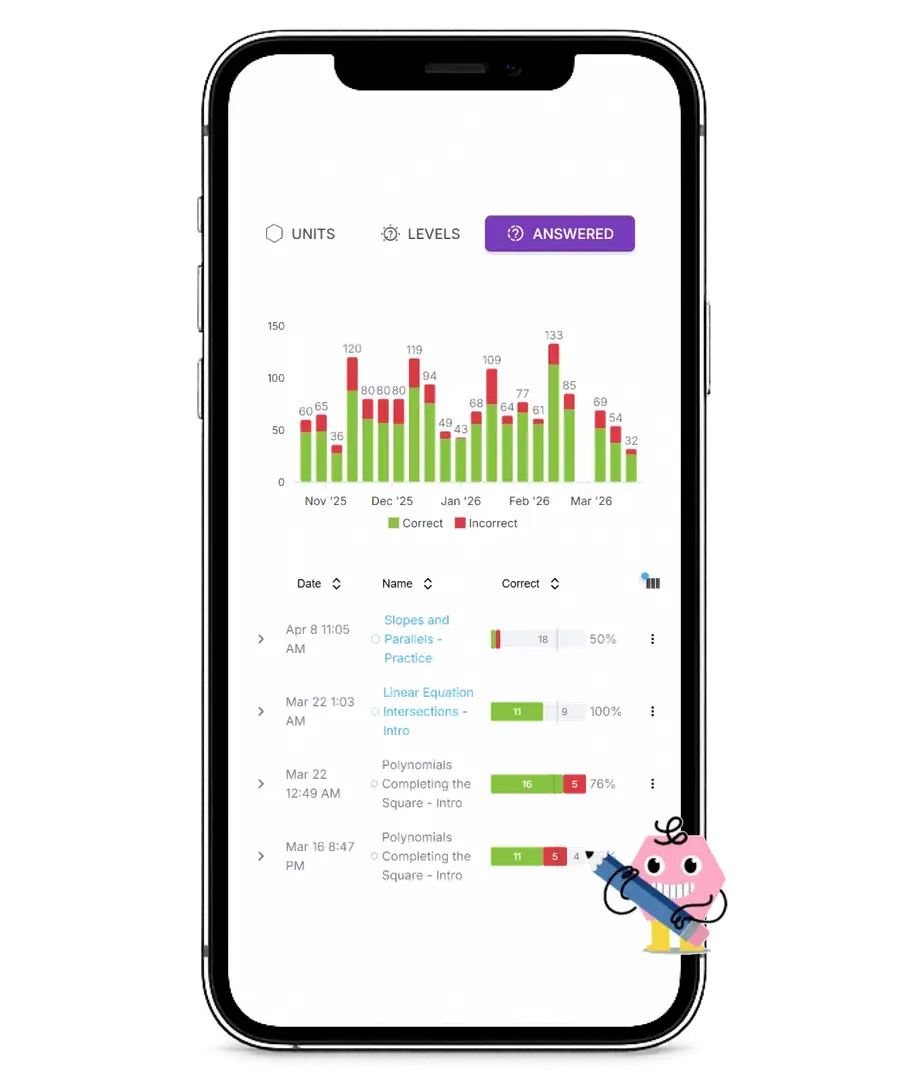
After a price change, repeat bookings and referrals can show that families see lasting value, while cancellations may signal that expectations or fit need attention. Look at these patterns together rather than treating any single inquiry as a verdict.

If inquiries remain strong but bookings fall, the issue may be how the offer is explained or who it reaches. If first bookings are healthy but repeat sessions decline, clarify the service experience, progress communication, or session scope before assuming the rate alone is the problem.

Read Demand and Retention

Show the Student Value Families Notice

Families notice more than a completed worksheet: they notice when a student stays engaged, accepts a challenge, and feels proud of working through a difficult math problem. Turn those observations into clear, family-facing communication after each session.

Summarize what the student worked on, what became clearer, and what the next step will be. The quote below reflects how challenge and enjoyment can work together, giving families a concrete sense of the value your tutoring provides.

Show the Student Value Families Notice

Y has always done well in math, but I felt like she wasn’t being challenged at school, Matarus helped with that. The first day Y tried Matarus, she told me she had a lot of fun and her brain had to work hard! Sounds like success to me.

Deborah, Grade 5 parent

What Families Notice

One parent described a child who enjoyed the work while being challenged to think harder. That perspective captures something a worksheet alone cannot show: a student can be engaged, stretched, and proud of the effort at the same time.

Before reviewing your rate, document observable signs such as a student choosing to continue after a difficult problem, explaining an idea with more confidence, or carrying a new skill into schoolwork. These specific moments give you useful records of the experience families can see.

What Families Notice
Build Reputation Through Evidence

Build Reputation Through Evidence

A strong reputation helps families trust your tutoring before they book. Keep concise records of student progress, meaningful milestones, and feedback that shows how your work helped a student engage with or understand math more confidently.

When families share a positive experience, ask permission to use a short recommendation appropriately. Present approved testimonials, concrete progress examples, and the student milestones you support on your profile so families can judge the fit and quality of your service.

Expertise Across Student Milestones

A tutor’s value can grow with the stages of a student’s math journey. Early learners need support with number sense and problem-solving habits; middle-school students may need stronger foundations for more demanding ideas; high-school students may need advanced coursework, competition math, or admissions-test preparation.

Each stage calls for different preparation and gives families different ways to recognize progress. Explain which milestones you are equipped to support, what students can work toward, and how you will make development visible. This clarity helps families understand your expertise and gives you a grounded basis for positioning and reviewing your rate.

Expertise Across Student Milestones

Loved by parents and students alike

Frequently Asked Questions

Tutors are expected to deliver clear explanation, active session flow, reliable communication, and consistent professionalism anchored in observable instructional quality behaviors.

Typical stages include profile submission, instructional evaluation, readiness review, and onboarding for selected applicants. The process is selective and criteria-based.

Yes. Selected tutors receive onboarding guidance for platform workflows, session standards, and family communication expectations before taking on active teaching responsibilities.

Strong profiles highlight teaching experience, subject depth, communication clarity, and practical learner-focused approach. Families need clear evidence of instructional fit.

Scoring includes instructional consistency, student engagement quality, communication reliability, and progress-support behaviors. It is used to guide coaching and quality improvement.

Relevant teaching experience is preferred, and instructional potential is assessed through structured evaluation. Selection focuses on quality, professionalism, and learner-centered execution.

Tutors are expected to communicate clearly, prepare reliably, and uphold consistent standards in session quality, family updates, and scheduling commitments.

Yes. Selective recruitment helps maintain consistent instructional quality for students and families. Admission decisions are made through criteria-based evaluation rather than open enrollment.

Tutors teach in a standards-driven environment with platform support, clear expectations, and ongoing feedback focused on practical instructional growth over time.