Choose Your Focus
A practical guide for tutors
Choose grade bands or specializations that fit your strengths, local demand, and the tutoring business you want to build with Matarus.
Think Through the Fit
Before you choose a focus area, ask practical questions. Which students do you teach most naturally? Where do your explanations stay clear under pressure? Which families are easiest for you to help with confidence?
Grade level matters here. Early grades often need warmth, energy, and confidence-building. Middle grades call for steady logic and patient explanation. High school students usually need stronger subject depth and comfort with advanced math.

Follow the Student Path
Many tutors find their best fit by thinking about the long path students follow in math: early confidence and number sense, stronger reasoning in middle grades, deeper subject work in high school, and preparation for college, university, or STEM goals later on.

- Grades 1-3Build a passion for math and enjoy the challenge.
- Grades 4-6Build confidence and establish identity as a math person.
- CompetitionsBuild creative problem-solving skills and confidence to tackle hard problems.
- Grades 7-9Develop the key skills that high-school math depends on.
- High SchoolAce the hardest high school math programs.
- SAT / ACTMaster the skills needed to ace the entrance tests.
- STEM FuturesCollege and university STEM programs
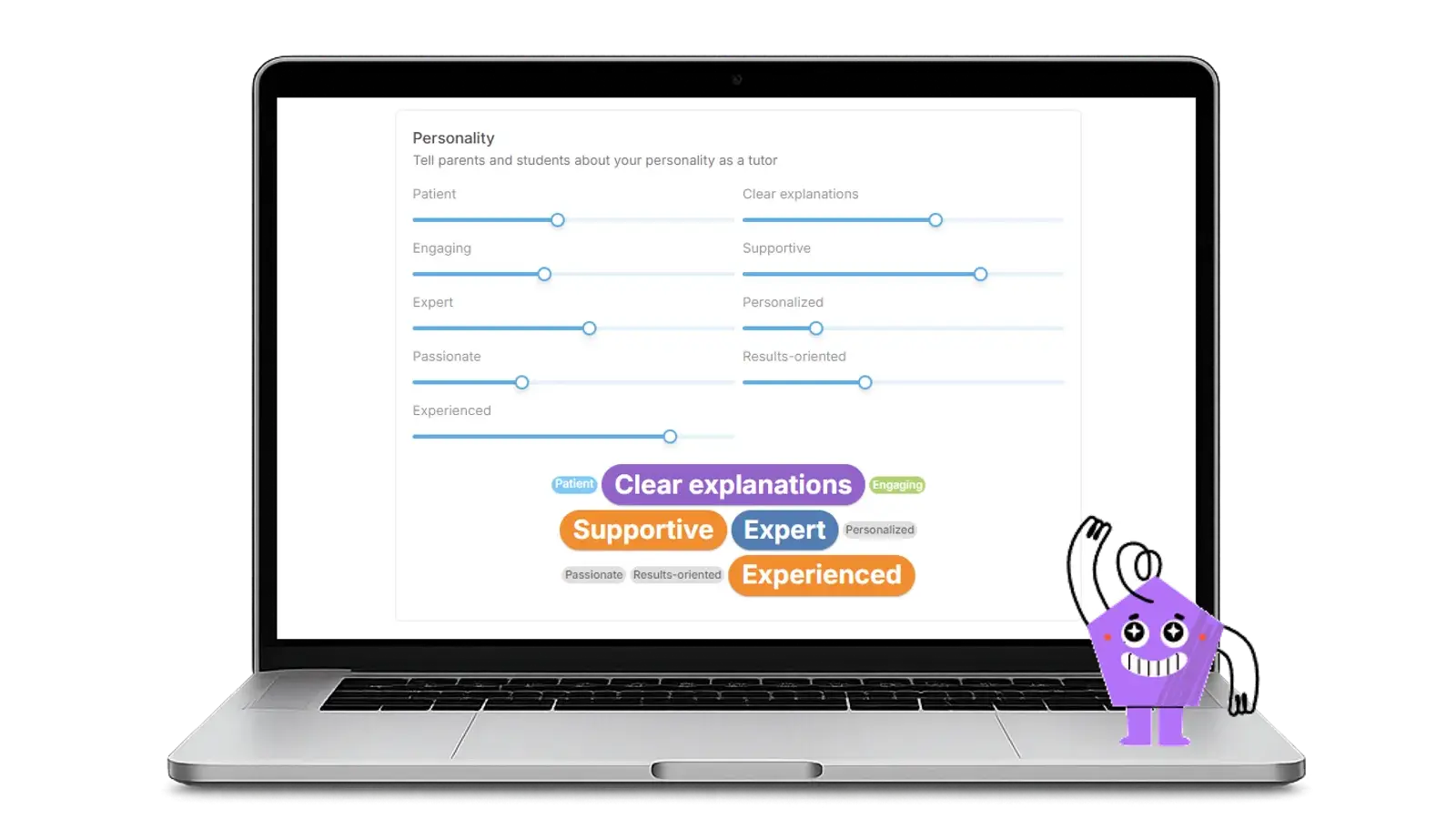
Match Strengths to Demand
A strong focus area sits where your math strengths meet real family demand. Look for the overlap between what you teach well and what parents in your area are actively seeking.
This is also where rate goals become clearer. If you want to charge more, you usually need a level of math depth or specialization that families can recognize and value right away.
Y has always done well in math, but I felt like she wasn’t being challenged at school, Matarus helped with that. The first day Y tried Matarus, she told me she had a lot of fun and her brain had to work hard! Sounds like success to me.
What Families Notice
When a tutor chooses the right math focus, families usually feel the difference quickly.
Sessions feel more natural, explanations sound clearer, and students are more willing to stay with challenging questions because the tutor knows how to keep the work demanding without making it discouraging.

Broad or Specialized?
A broad grade-band offer can be a strong choice when you teach a level range well and want to serve more families in your area. It gives you a simple offer that is easy to explain and often easier to fill.
A specialized focus makes more sense when you have clear math depth, families are actively looking for that help, and your rate goals depend on a narrower niche. The best option is the one you can teach confidently, describe clearly, and support with real local demand.
Choose a Clear Next Step
You do not need to cover every kind of tutoring at once. Start with the grade band or specialization where you teach with the most confidence and consistency.
Then sharpen your offer from there. Review local demand, think about the rates you want to earn, and choose one focus area you can explain clearly to families right now.

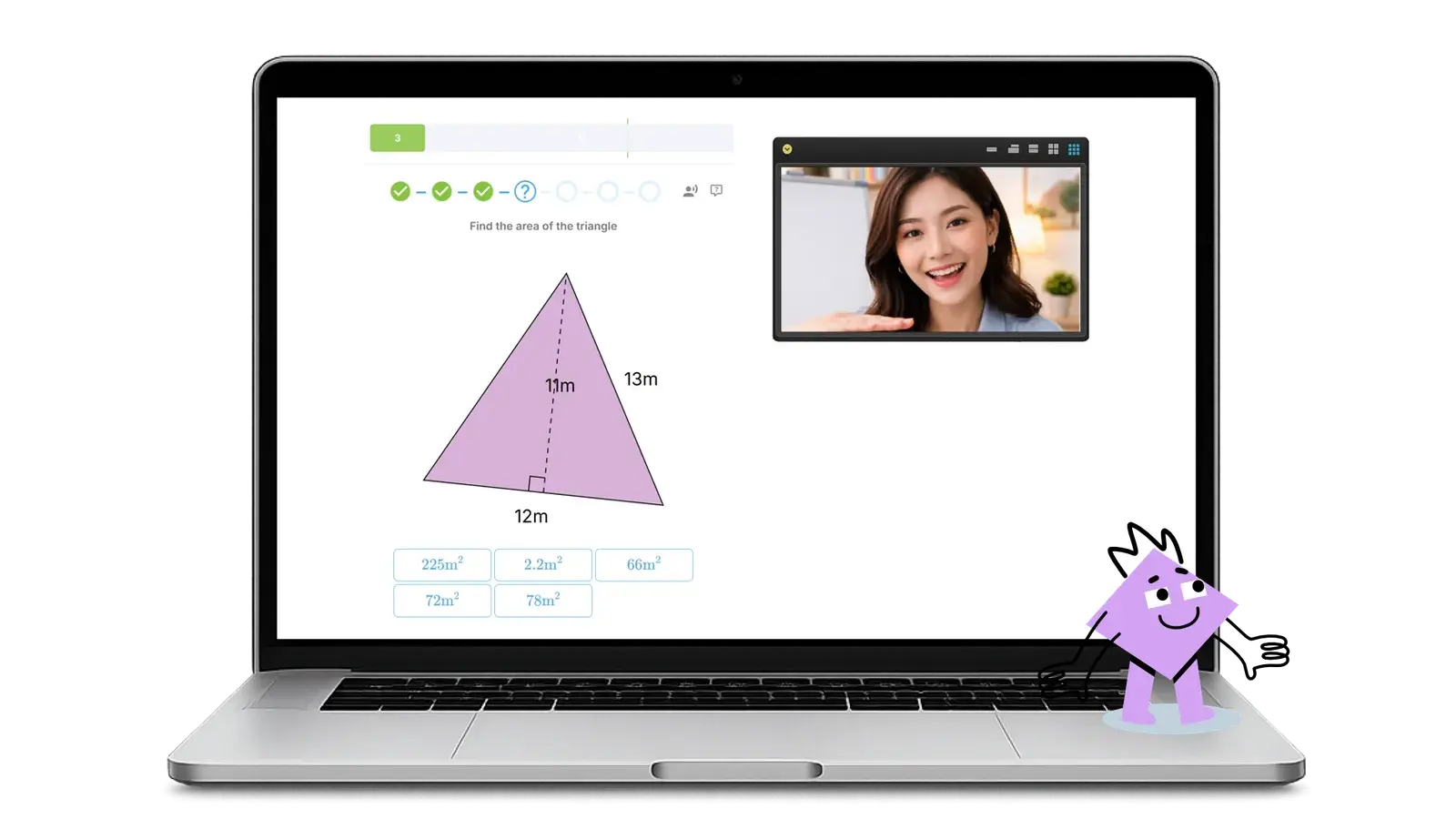
When Specialization Pays
A broad grade-band offer is often the easiest place to begin. Specialization makes more sense when you have clear subject depth and families can see why you are a strong fit.
Advanced coursework, competition math, or entrance test prep can support higher rates, but only when the market wants that help and you can teach it with confidence.
Loved by parents and students alike
Test Demand Before You Commit
Before you build your offer around one niche, check whether families in your area are actually asking for it. Notice the ages, goals, and math needs that come up most often.
You can test a focus gradually by taking a few students in that area and seeing whether demand stays steady enough to support your goals.