
Lead Math with Matarus
Human teaching, adaptive support
Matarus tutors lead active problem solving, use platform signals to choose the next scaffold, and adapt explanations and pacing as students respond.
Why Great Tutors Choose Matarus
A Matarus session gives you a clear teaching rhythm without turning instruction into a script. You begin with the student's current work, use the platform's guidance to choose an appropriate focus, and lead active problem solving throughout the session. You decide how to explain an idea, when to pause, and which question will help the student think next. The platform supports adaptive depth and careful scaffolding while you remain responsible for the teaching. You respond to the student's reasoning, reinforce important foundations, and help the student take on increasingly demanding math with confidence.
 Lead the InstructionYou lead the math teaching on an advanced platform that guides adaptive depth and scaffolds difficult problems.
 Platform Does the PrepThe platform selects the next focus area and question so you can focus on coaching, motivation, and understanding.
 Start Fast, Earn WellGetting started is easy, and strong tutors who build a reputation have real earning potential.
 Better Than MarketplacesMore freedom to grow your business and be known for your expertise than tutor marketplaces or learning centers.
 Business Handled for YouFocus on teaching while the platform supports the business side, unlike going fully independent.
 Quality, Clearly AssessedTeaching quality is continually assessed on instruction, reliability, engagement, and the ability to motivate.
 Teach Your WaySpecialize by age range and use one coherent method across small-group and private formats.
Lead the Instruction
Teaching at Matarus is professional instructional work with clear expectations. Tutors prepare for each session, explain mathematical ideas clearly, check student understanding, and maintain focus on reasoning rather than answer-getting. They help students develop durable habits such as showing work, testing an approach, and learning from an error.
Those standards shape the student and family experience. A student leaves with more than a completed task: they have practiced how to think through unfamiliar math and what to do when they get stuck. Clear communication also helps families understand the work being developed and the next useful step.

Platform Does the Prep
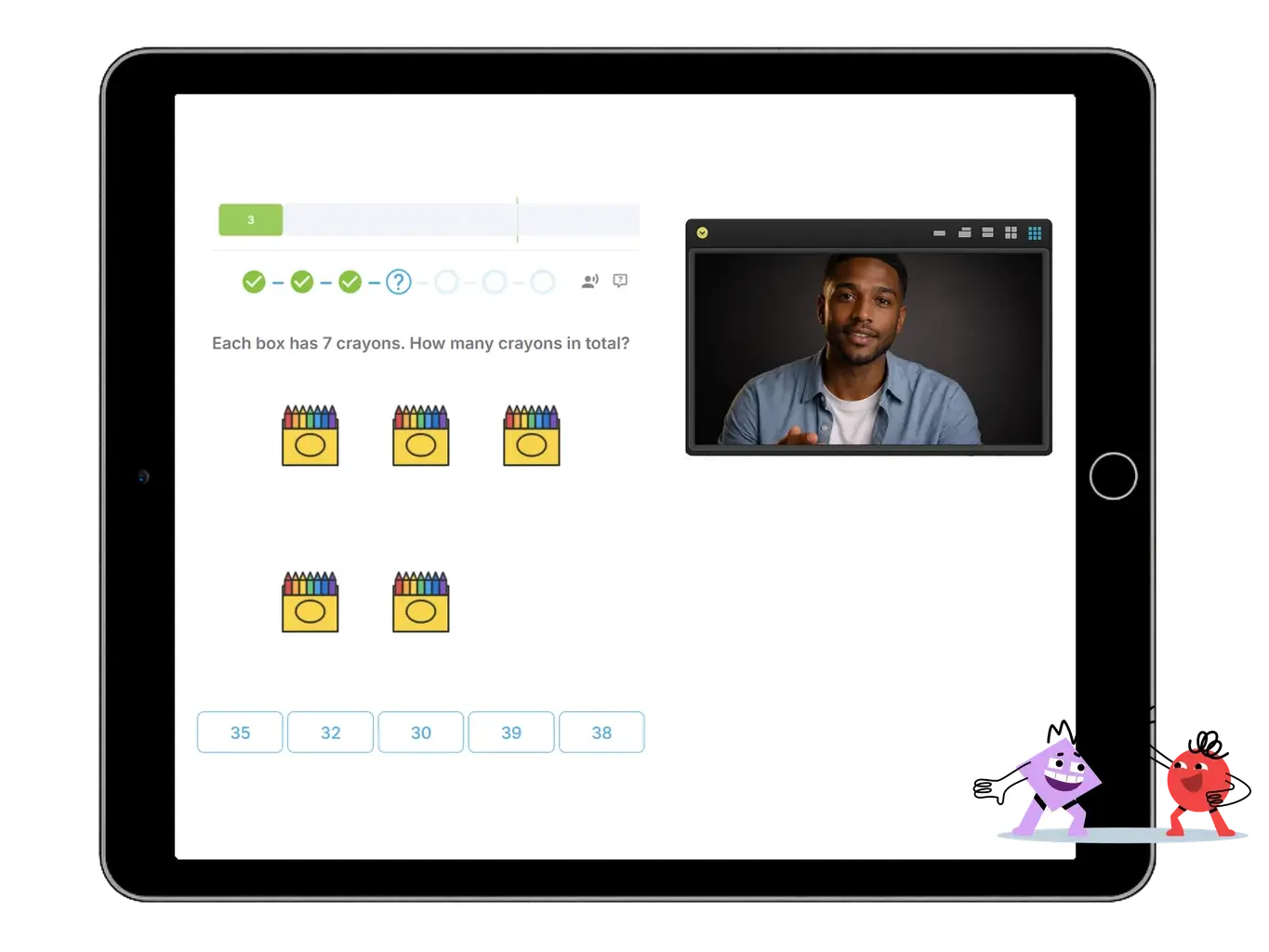
Before a session, Matarus brings recent student work, current level, curriculum path, and misconception patterns into one view. That information helps you see where to begin and reduces time spent piecing together a plan. You still make the professional judgment about the first diagnostic move and the most useful teaching focus.
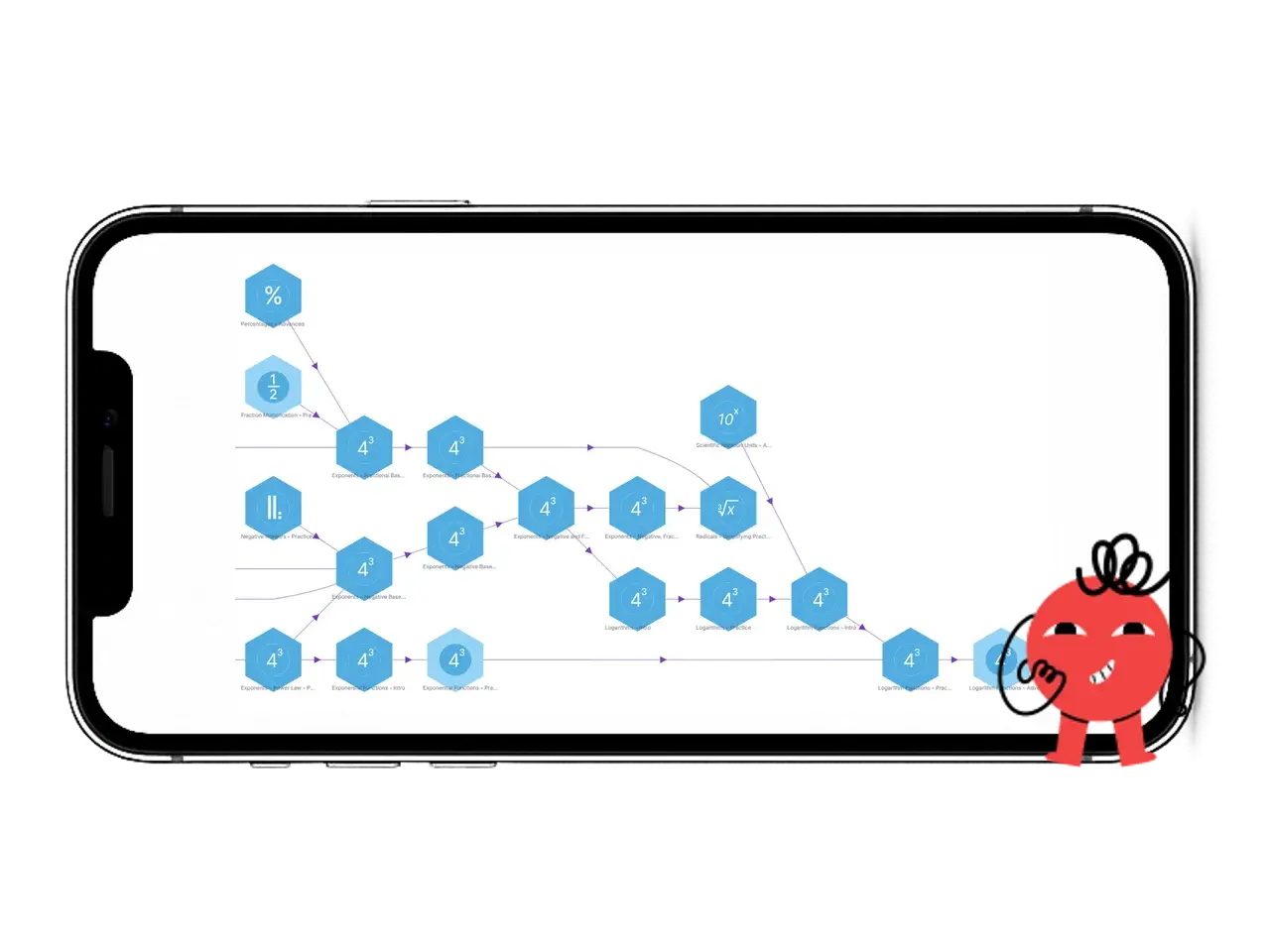
When a difficult question reveals a possible gap, use the platform to check the relevant precursor skills before moving deeper. Matarus then supports a step-by-step sequence into harder work, while you notice how the student is responding and guide them through the next stage.
Start Fast, Earn Well
After acceptance, first-session coaching introduces core routines, instructional expectations, and common student needs. You can then set your availability and highlight the subjects, grade levels, and types of math you teach best. This creates a practical route from onboarding to prepared, well-matched sessions.
Consistently strong teaching can build trust, positive experiences, and repeat demand over time. That reputation may support greater earning potential, although opportunities and earnings depend on role, experience, availability, demand, and instructional quality.

Better Than Marketplaces
Grow Without Chasing Leads
Tutor marketplaces often make educators manage lead generation, credential repetition, and the steps from an initial inquiry to ongoing work. Learning centers can provide a steadier flow of students, but may offer less control over teaching context, visibility, or schedule. Matarus brings those decisions into a more structured teaching model.
Your profile, student work, and quality evidence help families understand your strengths and approach. Matarus also supports the operational path around sessions, so you can focus more on teaching and less on competing for every lead or coordinating each business detail alone.
Which tutoring path helps you build more?
Tutors can find work through several different models, but the tradeoffs around freedom, business growth, and platform support are not the same. This comparison shows where Matarus combines independence with stronger teaching infrastructure.
Feature | Matarus | Marketplaces | Learning Centers | Independent |
|---|---|---|---|---|
| Set your own rates | ||||
| Control your own tutoring schedule | ||||
| Visible, independent validation of your expertise as a tutor | ||||
| Grow your business as large as you desire | ||||
| Curriculum/lesson preparation provided | ||||
| Advanced learning tools | ||||
| Detailed, automatic student assessments | ||||
| Source of new students | ||||
| Tutor from anywhere | ||||
| Payment, scheduling, zoom handled for you |
Business Handled for You
Running an independent tutoring business requires systems for enrollment, scheduling, billing, and parent communication. Matarus provides much of that operating infrastructure so qualified tutors can spend less time coordinating logistics and more time preparing for students and teaching well.
The platform also supports reliable communication and session follow-through. You remain responsible for the quality of the student experience and the professional decisions made during each lesson, while Matarus handles the practical systems that keep the work organized.

Quality, Clearly Assessed
Matarus makes teaching quality clear through published standards and ongoing review. Sessions and tutor communication are assessed against observable behaviors such as preparation, pacing, instructional quality, reliability, engagement, and motivation—not merely whether a meeting took place.
Weekly progress communication connects evidence from student work with the tutor's observations. Families can see meaningful strengths, current gaps, and practical next priorities, while tutors receive feedback they can use to improve. This evidence-aware process makes communication more useful and helps families understand how support is connected to student needs.

The Tutor Standards at a Glance
Every Matarus tutor is held to these published standards. Scan the list, then open the full standards page for the detail behind each one.
- ProfessionalismTutors say what they'll do and do what they'll say in a professional manner
- Platform ExpertiseTutors understand how to use all aspects of the Matarus math platform to optimize students' learning
- Math KnowledgeTutors understand the math they are teaching and are able to explain it clearly in a manner that helps each student
- EngagementTutors are able to connect with students and motivate them to do the hard work of learning
- Learning FocusTutors are focused on enhancing students' knowledge of math
Teach Your Way

Specialized Teaching Paths
Tutors can build a practice around the students and subjects they know best. Primary and middle school specialists can focus on strong foundations, while advanced and exam-preparation tutors can support complex reasoning and goal-specific skills. Different age ranges and math goals create distinct opportunities to apply your expertise.
Format choice shapes the work as well. In small-group sessions, tutors coordinate a live lesson while giving each student individualized challenges and pacing. In private math tutoring, they can follow one student's reasoning more closely and personalize the work around that student's current needs.
Coaching That Builds Range
Feedback creates a longer-term coaching loop. After sessions, review one practical improvement, test it in subsequent lessons, and use the results to decide what to refine next. This keeps development grounded in real student responses rather than general advice.
Over time, that cycle can expand your instructional range and help you work confidently with different student needs, formats, or age groups. It also gives you a clearer way to build a practice that reflects Matarus standards and your growing strengths.