Build Business Skills
A practical guide for tutors
Build a tutoring business on Matarus and learn practical business skills through real work with families and students.
Business Skills in Practice
Building a tutoring business teaches early-stage skills that are hard to pick up in classrooms or inside large companies. Tutors learn by doing the work that helps a young business get off the ground.
That path feels different from studying mature-company management. It puts tutors close to the first steps of growth, from winning early families to building trust through consistent service.

Real Business Practice
Tutors learn business skills by doing the work that helps a young tutoring business grow. That includes finding a first customer, handling outreach, explaining the offer clearly, and building trust through strong customer service.
Instead of only studying business ideas in a classroom or stepping into one narrow role at a large company, tutors get direct practice with marketing, sales, operations, communication, and referrals.
Recurring Classes Families Can Control
Families can view recurring class options, choose a schedule that fits real weeks, and keep planning simple without losing flexibility.
| Mon | Tue | Wed | Thu | Fri |
|---|---|---|---|---|
5:00 PM 7:00 PM 8:00 PM | 5:00 PM 7:00 PM 8:00 PM | 5:00 PM 7:00 PM 8:00 PM | 5:00 PM 7:00 PM 8:00 PM | 5:00 PM 7:00 PM 8:00 PM |
Systems That Support Growth
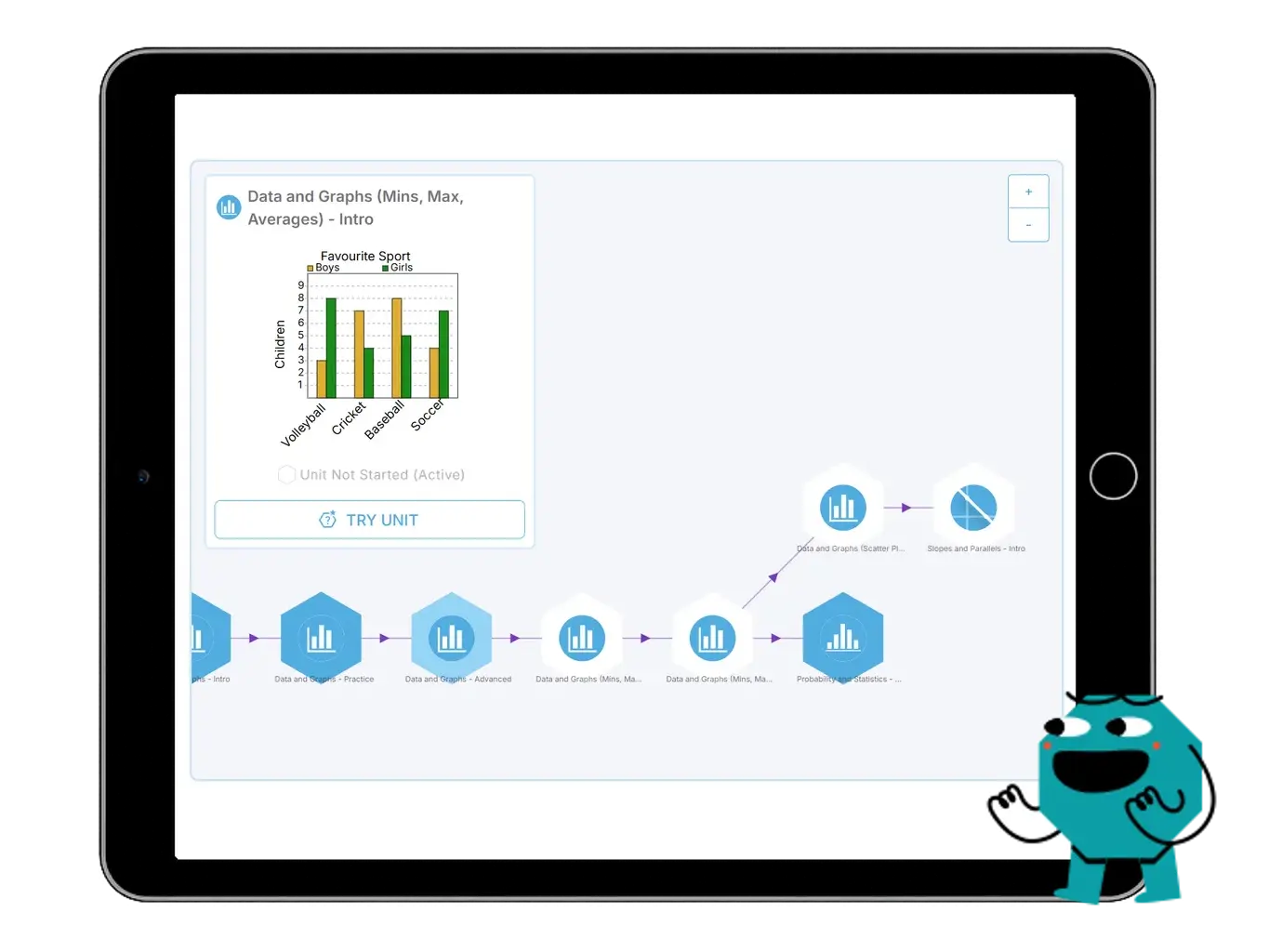
Matarus gives tutors hands-on exposure to the systems behind a working tutoring business, including scheduling, payments, family communication, curriculum, and day-to-day operations.
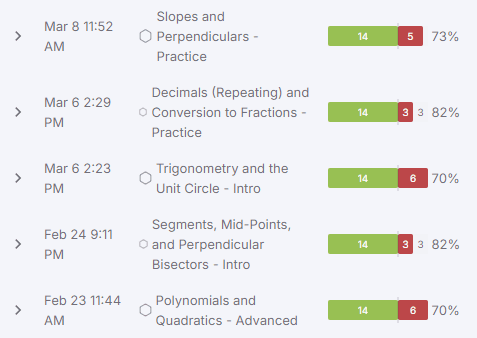
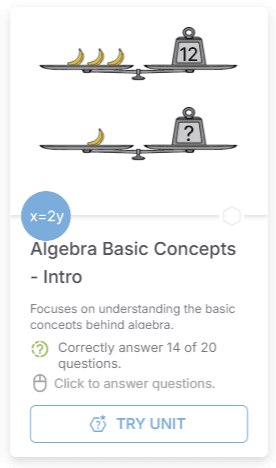
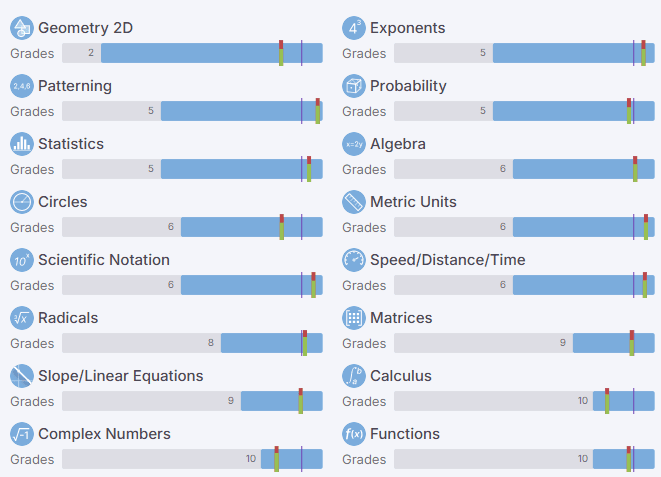
Tutors also see how the platform supports student learning. When a question is hard, tutors can use Matarus to check precursor skills, reinforce foundations, and guide students through harder work step by step.

Loved by parents and students alike

Skills That Stand Out
Even tutors who do not plan to become long-term entrepreneurs gain experience that stands out later. Running a tutoring business builds ownership, judgment, initiative, and the ability to communicate clearly with real customers.
Those strengths carry into future roles well beyond tutoring. People who have handled sales, service, operations, and follow-through on their own often bring stronger practical judgment to teams, leadership paths, and early-stage work.
Explore Math Support by Grade
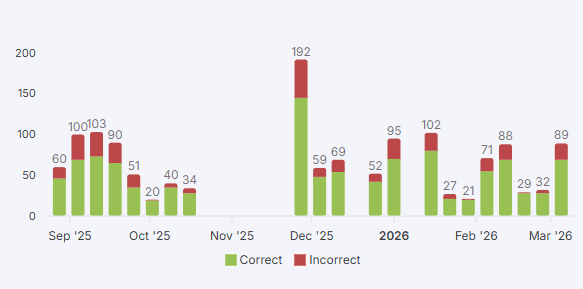
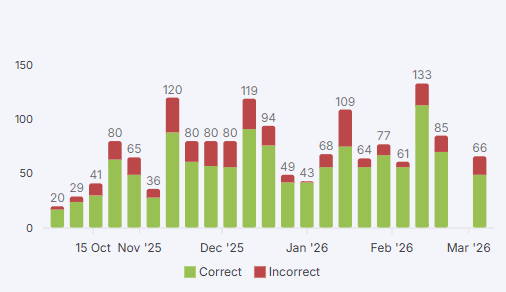
Visible Weekly Progress
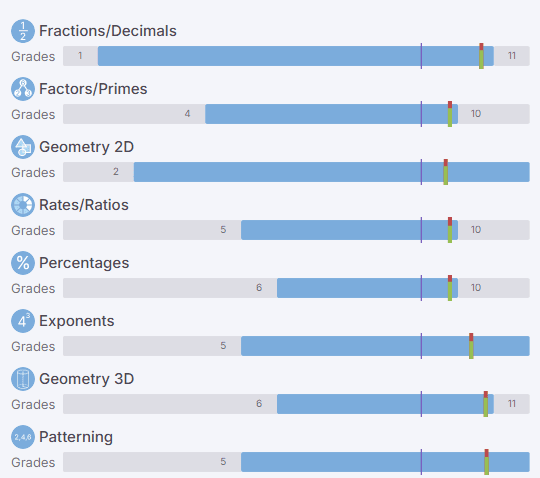
Families receive concise weekly updates that show what improved, where support is still needed, and which next focus area should guide the coming week of learning.
That gives parents practical learning evidence they can understand quickly, so decisions about pacing, reinforcement, and goals stay grounded in what the student is actually showing.