Resume-Building Experience
Build tutoring, business, and leadership skills
Building a tutoring business through Matarus gives STEM students real experience with math, communication, and responsibility that stands out on a resume.
Work That Counts
Building a tutoring business through Matarus is strong resume material because the work is real. You are supporting real students, earning parent trust, managing time well, and following through when people are counting on you.
That gives employers concrete evidence of ownership. It shows you handled responsibility in the real world, not just in a club, class project, or short-term campus role.

Initiative You Can Show
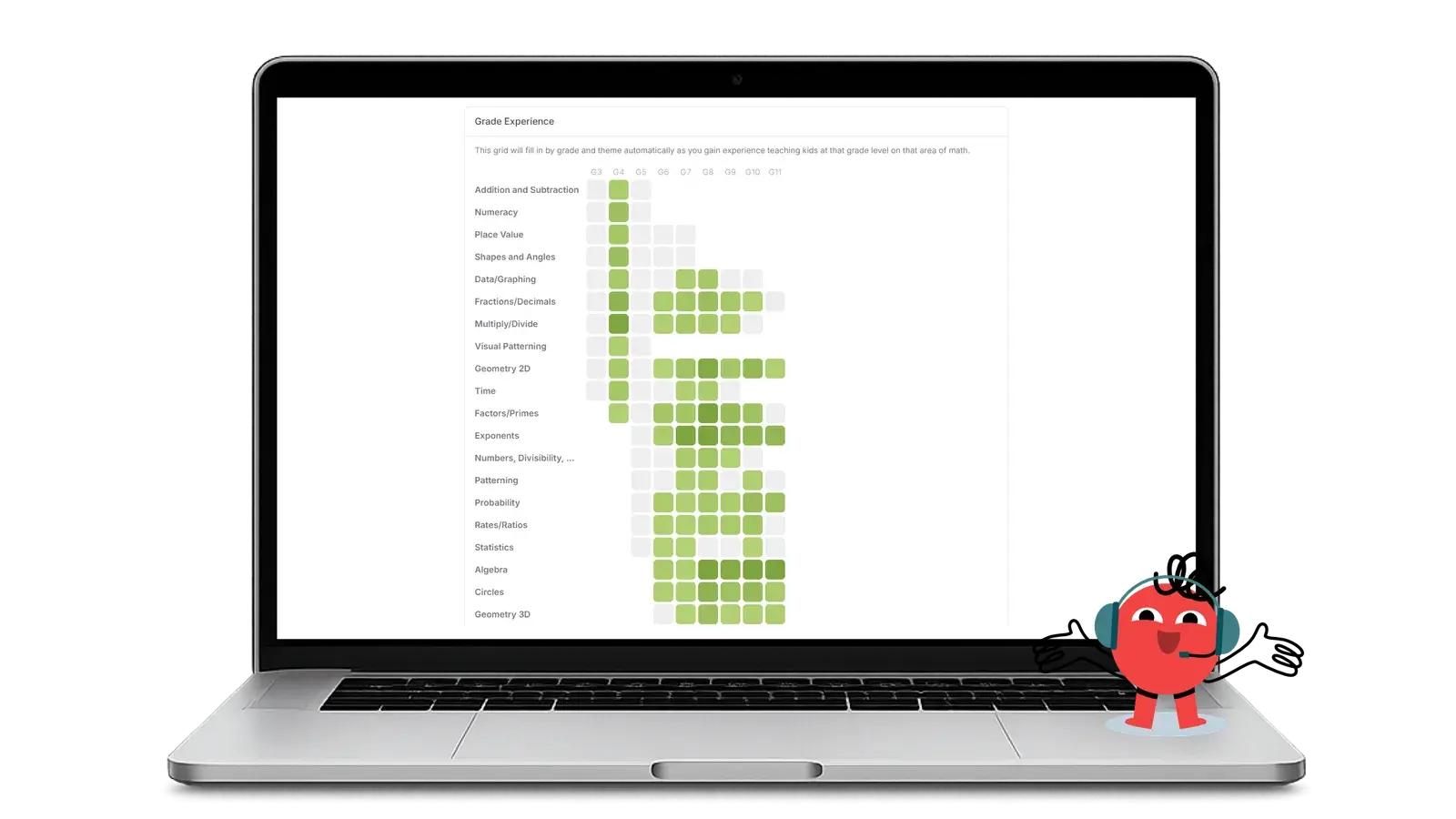
What makes this experience stand out is that you are building from scratch. That takes hustle, grit, and the willingness to keep moving when growth is not automatic.
The story is also credible because you can point to real students, real parent trust, real scheduling, and real responsibility. Through Matarus, you are not describing a simulation. You are showing work that families actually depend on.
Visible Weekly Progress
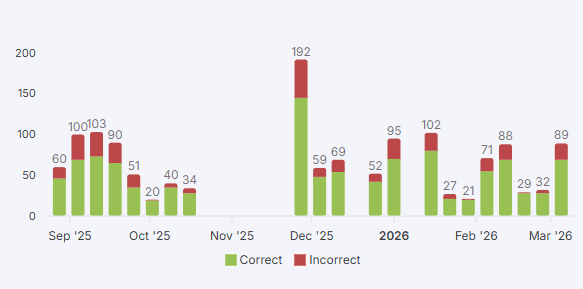
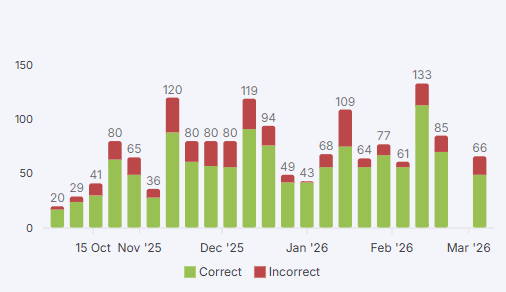
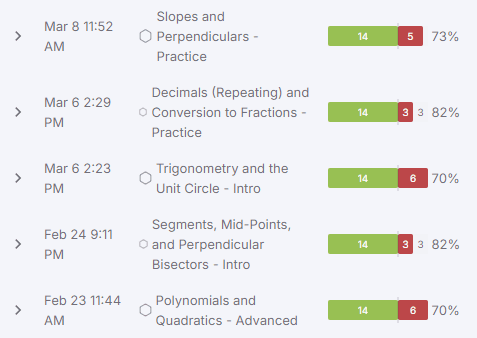
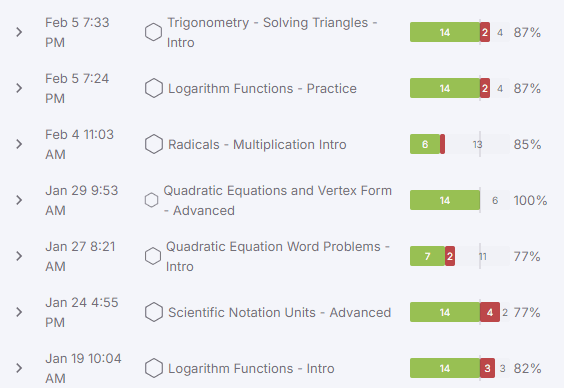
Families receive concise weekly updates that show what improved, where support is still needed, and which next focus area should guide the coming week of learning.
That gives parents practical learning evidence they can understand quickly, so decisions about pacing, reinforcement, and goals stay grounded in what the student is actually showing.
Broader Business Judgment
Employers value people who understand more than one part of the work.
With Matarus, you are not only tutoring math. You are also learning how families make decisions, how clear communication builds confidence, and how consistent follow-through supports growth. That broader business perspective gives you a stronger story for resumes, interviews, and future leadership roles.
Loved by parents and students alike
A Long-Range Learning Story
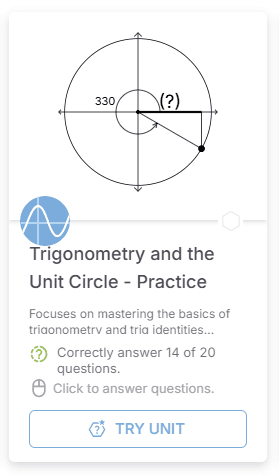
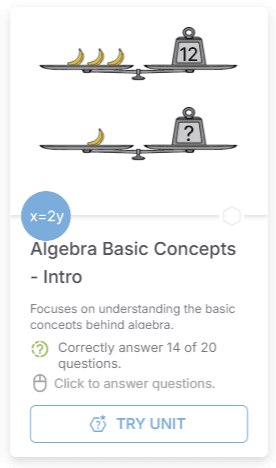
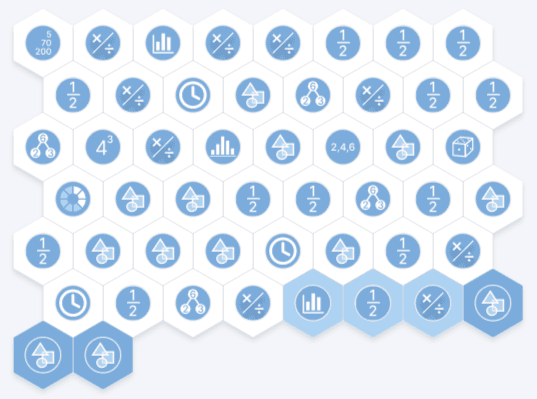
Part of what makes this work meaningful is that families are not just looking for a short-term fix. They want to see how a student can grow from strong foundations into more advanced math over time.
That long-range view helps you speak about the business with more credibility. You are helping families see a bigger path forward, from early skills to later readiness for advanced courses, contests, and STEM goals.

A Long-Range Student Pathway
Families can see a clear journey: elementary foundations, middle school algebra readiness, high school advanced math and competitions, then stronger preparation for university and STEM paths.

- Grades 1-3Build a passion for math and enjoy the challenge.
- Grades 4-6Build confidence and establish identity as a math person.
- CompetitionsBuild creative problem-solving skills and confidence to tackle hard problems.
- Grades 7-9Develop the key skills that high-school math depends on.
- High SchoolAce the hardest high school math programs.
- SAT / ACTMaster the skills needed to ace the entrance tests.
- STEM FuturesCollege and university STEM programs

What Families Notice
Families notice the difference when a student becomes more confident, more engaged, and more willing to stay with challenging math.
That kind of change helps you build trust that lasts. It also gives you real results to point to when you describe the work on your resume or in interviews.
Confidence, confidence, confidence. Matarus is great at building confidence by spending so much time on problems and having the problems get just a little bit harder each time. K gained so much confidence by seeing herself do problems she hadn't thought possible.
What Families Notice
Parents notice when a student feels more confident, stays engaged, and starts handling harder math with less frustration.
That kind of trust matters when you are building a tutoring business people want to recommend.