AI and Durable Skills
Build strengths that still matter
As AI reshapes entry-level business work, tutoring with Matarus helps students and graduates build two durable strengths: business-building experience and the human connection families still value from a real person.
An AI-Shifted Starting Point
AI is changing how many students and recent graduates enter professional work, especially in entry-level roles, and that shift may not be temporary.
That makes it more important to build strengths that last. Tutoring gives you experience in two areas that still matter: learning how to build something useful for families and doing work that depends on real human connection.
Growth Across School Years
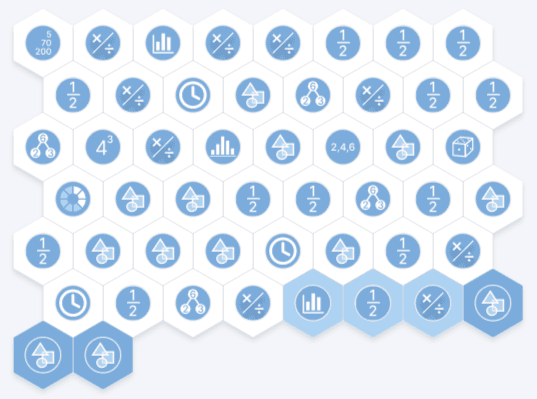
Tutors also see how math growth builds over time. In the early years, students need number sense and confidence. Later, they need steadier problem solving, stronger algebra readiness, and the habits to handle harder work.
That long view matters. By working with families over time, tutors see how consistent support can help students move toward demanding high school math and stronger preparation for university, college, or STEM pathways.
Long-Range Student Growth
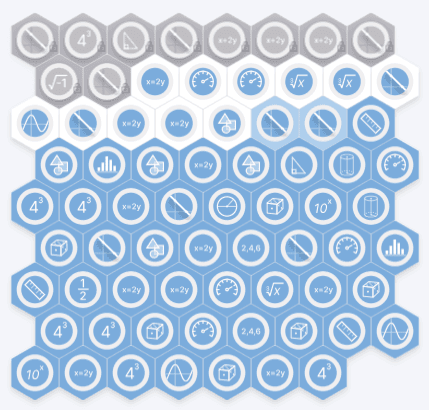
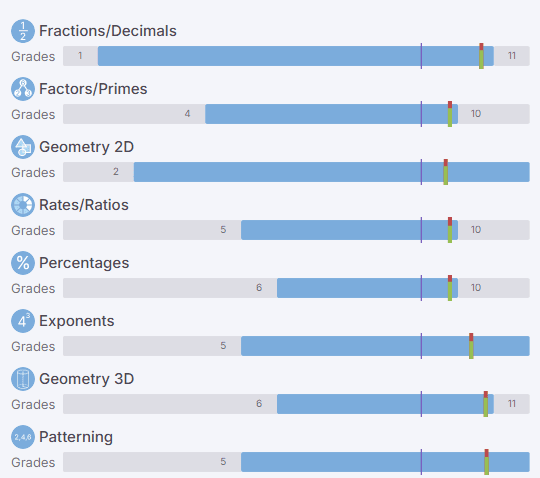
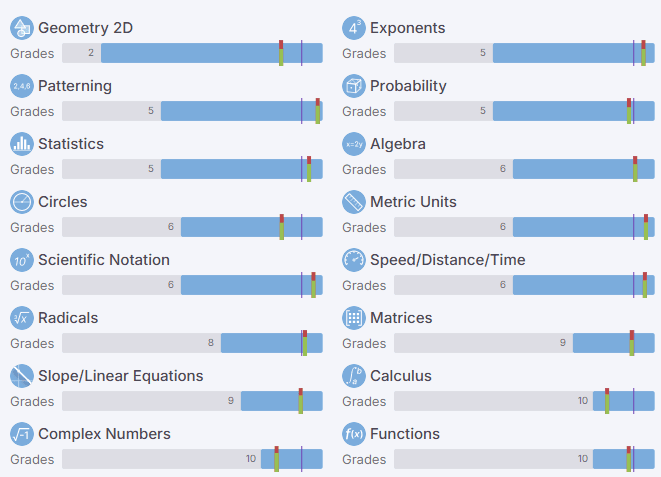
Families often think in stages: stronger number sense and confidence in the early years, steadier problem solving in middle school, readiness for demanding high school math, and better preparation for university, college, or STEM pathways. Tutors see that long-range progression up close and learn how sustained academic growth is built over time.

- Grades 1-3Build a passion for math and enjoy the challenge.
- Grades 4-6Build confidence and establish identity as a math person.
- CompetitionsBuild creative problem-solving skills and confidence to tackle hard problems.
- Grades 7-9Develop the key skills that high-school math depends on.
- High SchoolAce the hardest high school math programs.
- SAT / ACTMaster the skills needed to ace the entrance tests.
- STEM FuturesCollege and university STEM programs
Visible Weekly Progress
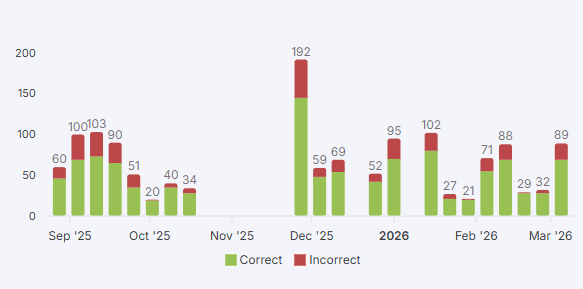
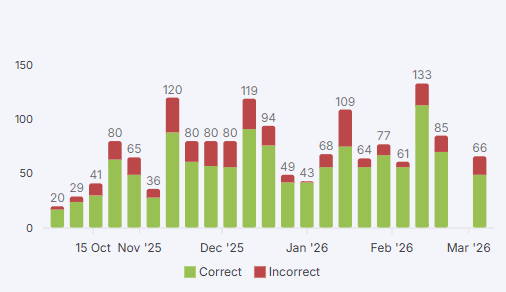
Families receive concise weekly updates that show what improved, where support is still needed, and which next focus area should guide the coming week of learning.
That gives parents practical learning evidence they can understand quickly, so decisions about pacing, reinforcement, and goals stay grounded in what the student is actually showing.
Seeing Opportunity Clearly
A difficult job market puts more weight on people who can spot a real opportunity and act on it.
Tutoring gives students and graduates a practical way to do that. You are working in an area families already care about, and you learn what it takes to build a business around a real need instead of waiting for ideal market conditions.
Human Connection That Matters
Tutoring also builds the kind of human connection AI does not replace well. Tutors encourage students when work feels hard, communicate with care, and earn trust from families over time.
Empathy, encouragement, judgment, and real responsibility are not extra benefits. They are durable relationship skills that matter in careers built on service, trust, and human understanding.
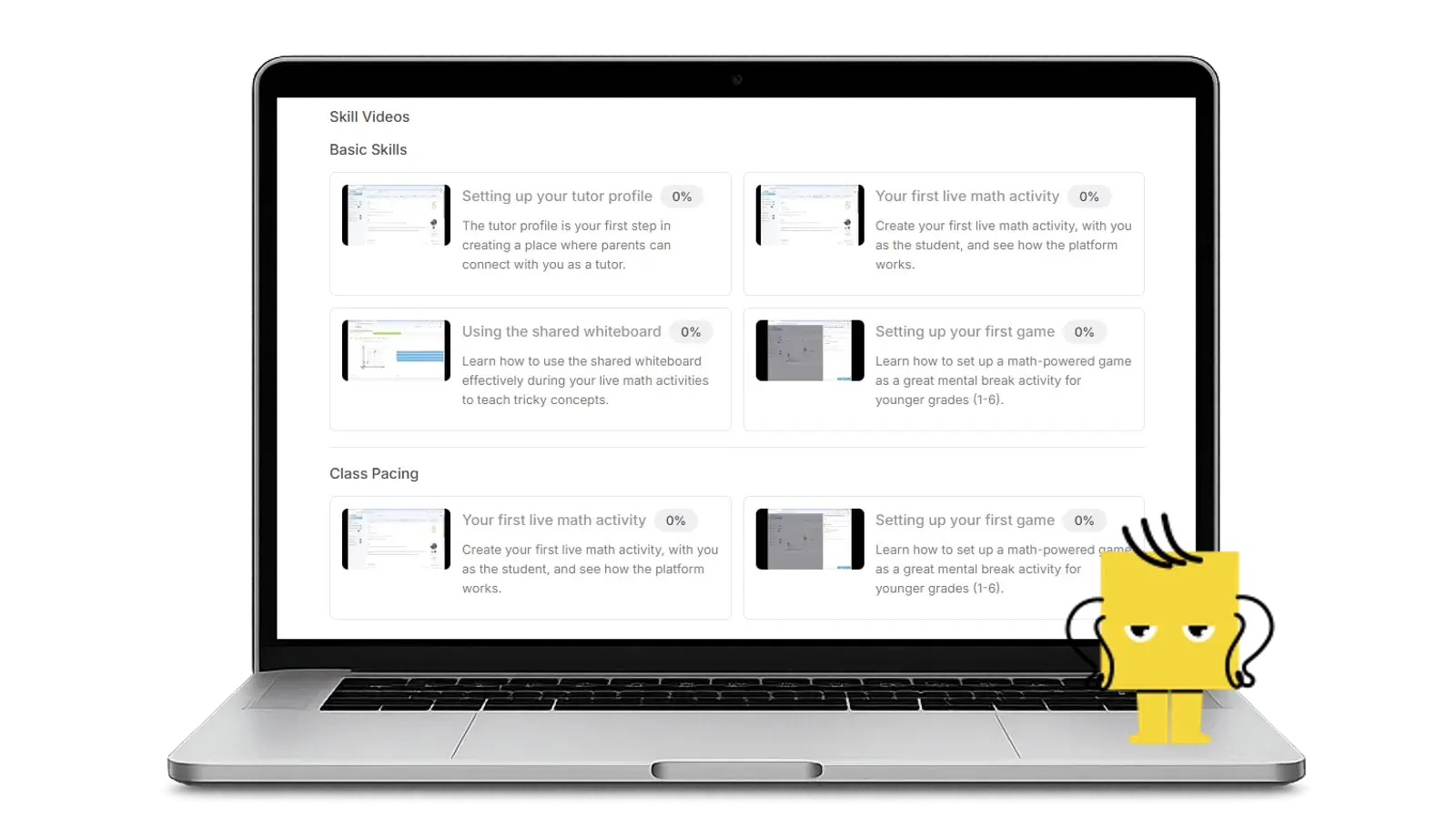
Seeing P grow in confidence is the best part. She knows that she can tackle any problem even if the solution is not obvious right away.
What Families Notice
"Seeing confidence grow is the best part.
Students start to believe they can tackle hard math, even when the answer is not obvious right away, and families notice that change. ".
Loved by parents and students alike

Weekly Responsibility Builds Judgment
Tutoring develops professional habits through repeated responsibility. Week after week, tutors prepare, show up on time, communicate clearly with families, and stay consistent for the student.
That kind of steady follow-through matters in any challenging job market. It helps students and graduates build judgment through real responsibility, not just classroom theory or short-term project work.