Skills That Last
Build durable human and business skills
As AI changes early-career work, tutoring gives students and new graduates a practical way to build human judgment, communication, and initiative that still create value.
Human Skills That Hold
AI is changing many early-career roles, especially the kinds of jobs where students and new graduates often get their first experience. That makes work built on judgment, initiative, and real human connection more valuable.
Tutoring is a practical way to build those strengths. Tutors learn to read what a student needs, communicate clearly with families, and earn trust through steady, person-to-person service that AI cannot deliver on its own.
How Trust Gets Built
AI can speed up routine work, but families still judge support by what actually happens around a real student. They notice whether a tutor comes prepared, explains clearly, follows through after confusion, and keeps communication steady when progress slows.
At Matarus, tutors practice those habits in real service. They prepare for sessions, respond thoughtfully to student struggle, and help families understand what is improving and what still needs work. Trust is not just a feeling. It grows from reliable action, good judgment, and clear follow-through.

Confidence Families Feel
Strong tutoring does more than explain math well. It helps students feel challenged without feeling lost, and it gives families confidence that someone is paying close attention to how the student is doing.
That experience matters. When tutors communicate clearly, respond to real struggles, and help students keep making progress, families feel the difference and are more likely to trust the support over time.
Loved by parents and students alike
Visible Weekly Progress
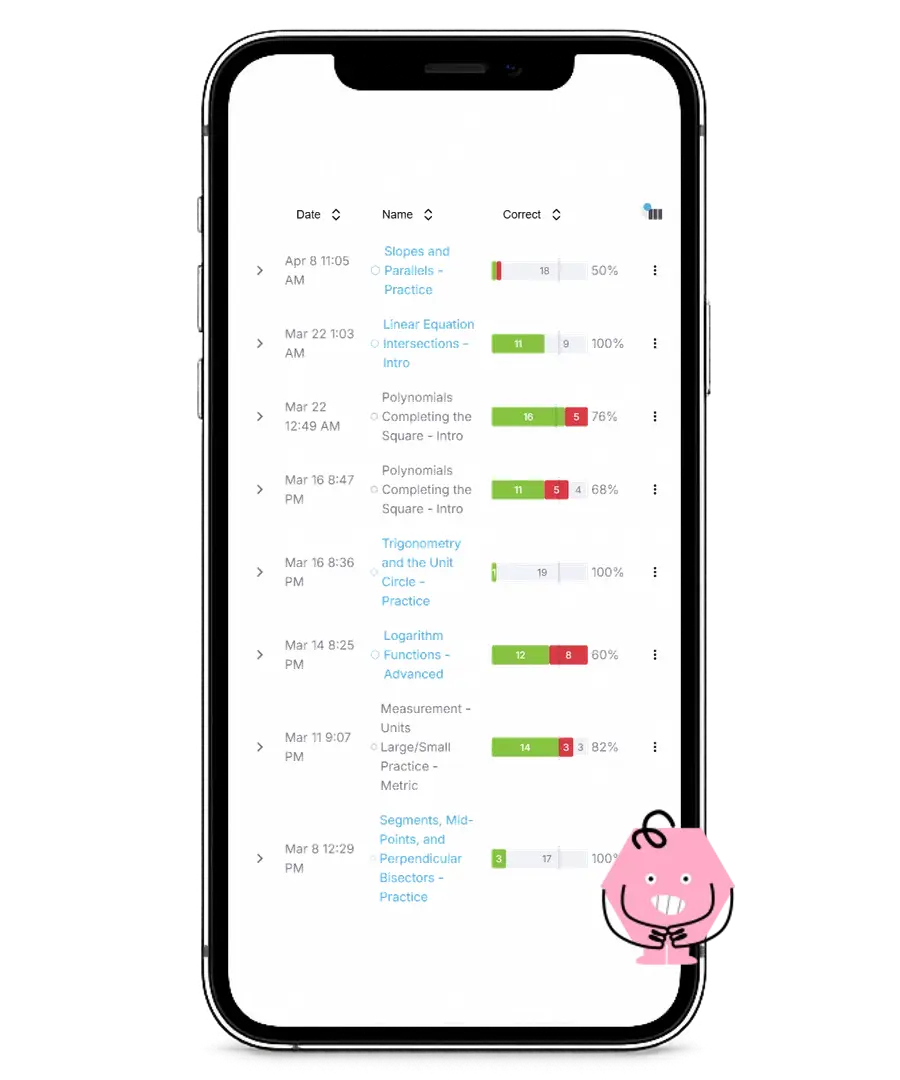
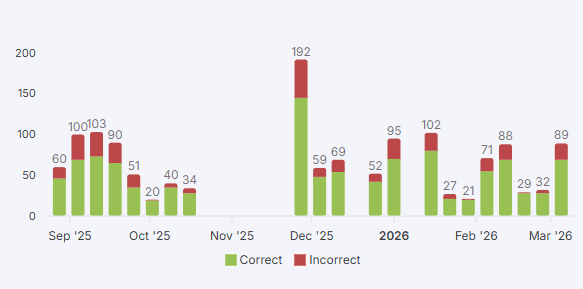
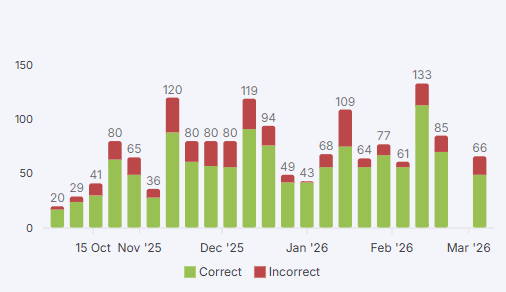
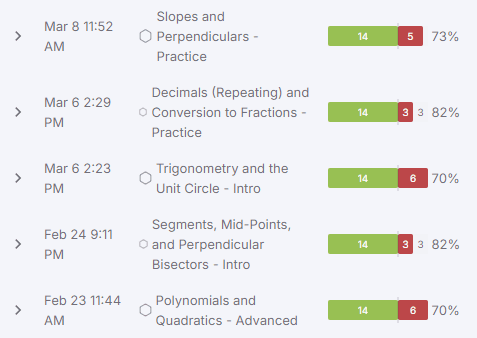
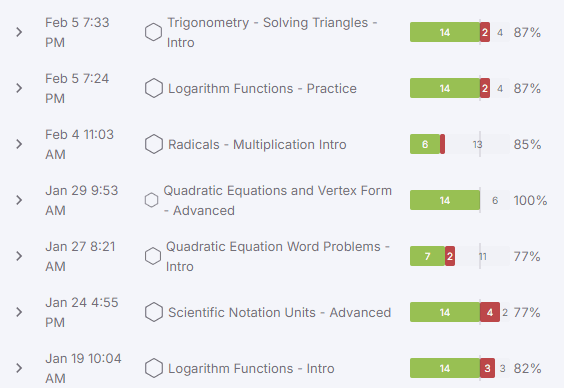
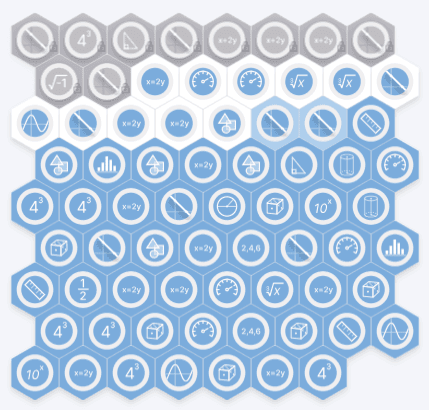
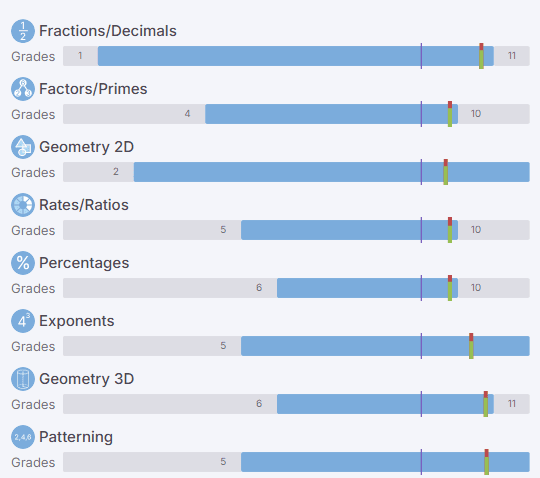
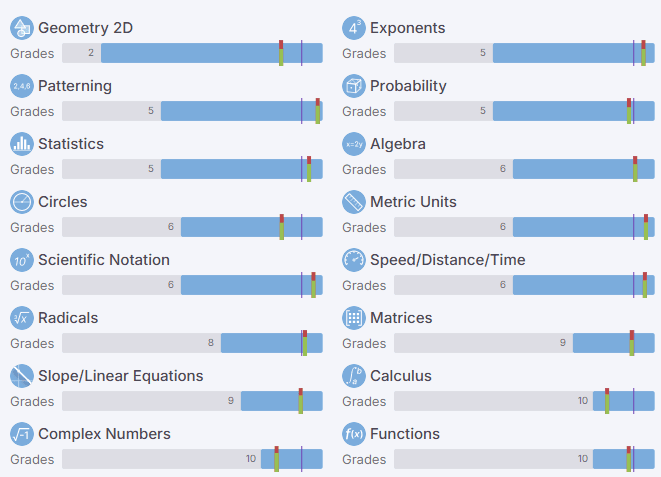
Families receive concise weekly updates that show what improved, where support is still needed, and which next focus area should guide the coming week of learning.
That gives parents practical learning evidence they can understand quickly, so decisions about pacing, reinforcement, and goals stay grounded in what the student is actually showing.
Business Skills That Transfer
Tutoring also helps people build practical business instincts. Tutors start to notice what families value most, where students get stuck, and which parts of the experience make support feel useful and worth continuing.
That pattern-recognition matters in an AI-changing economy. It teaches people how to spot unmet needs, shape a stronger service around them, and improve an offering over time—useful preparation for future roles, client work, and entrepreneurship.
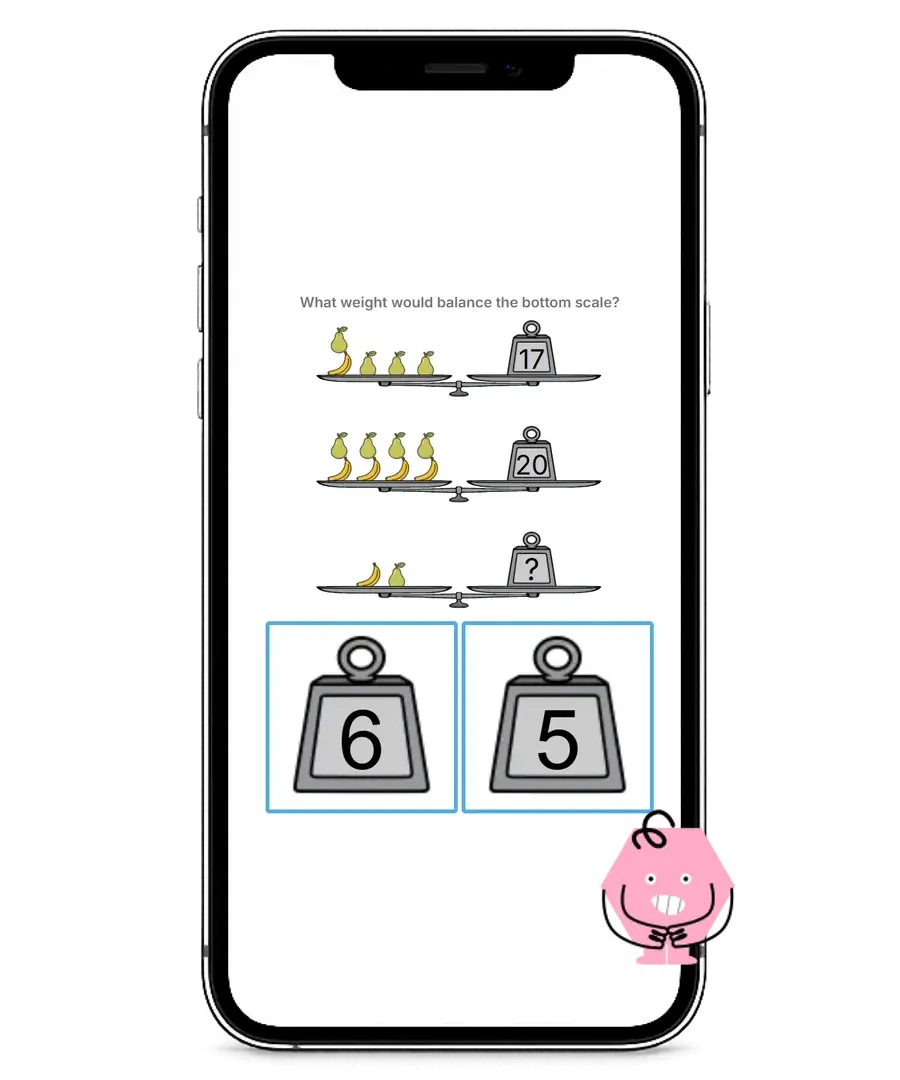
A Long-Range Math Pathway
See how strong foundations can grow into advanced math, competition work, and long-term STEM pathways.
- Grades 1-3Build a passion for math and enjoy the challenge.
- Grades 4-6Build confidence and establish identity as a math person.
- CompetitionsBuild creative problem-solving skills and confidence to tackle hard problems.
- Grades 7-9Develop the key skills that high-school math depends on.
- High SchoolAce the hardest high school math programs.
- SAT / ACTMaster the skills needed to ace the entrance tests.
- STEM FuturesCollege and university STEM programs
Ownership Builds Value
Tutoring builds real ownership. Tutors are responsible for preparation, communication, and the quality of the experience a student and family receive, not just for finishing a task.
That kind of responsibility transfers well. People learn to follow through, improve what they deliver, and take results seriously. In an economy where AI handles more routine work, that mix of judgment, initiative, and accountability becomes more valuable across roles, client work, and entrepreneurship.