Better Math Support
How Matarus blends tech and tutors
Adaptive technology finds the right math level and practice, while human tutors add judgment, accountability, and encouragement.
Technology Finds the Fit
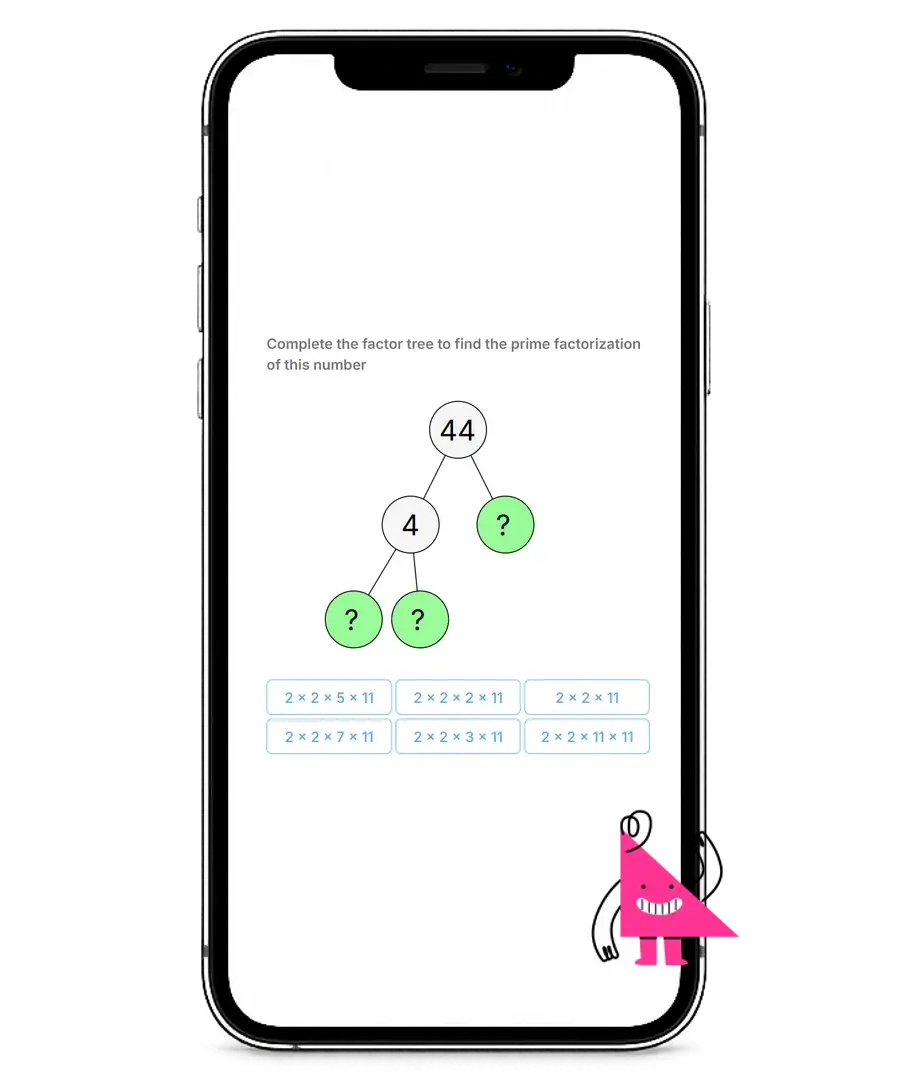
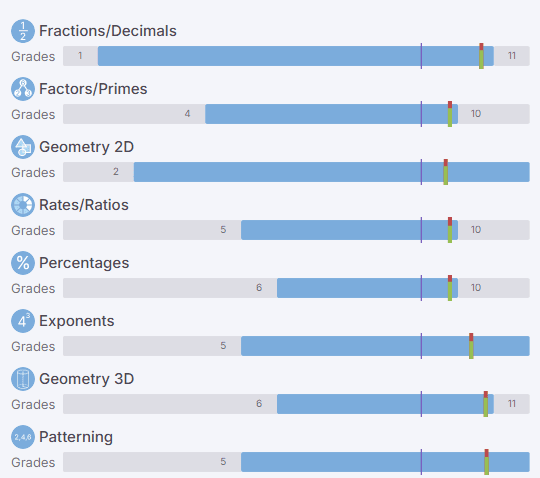
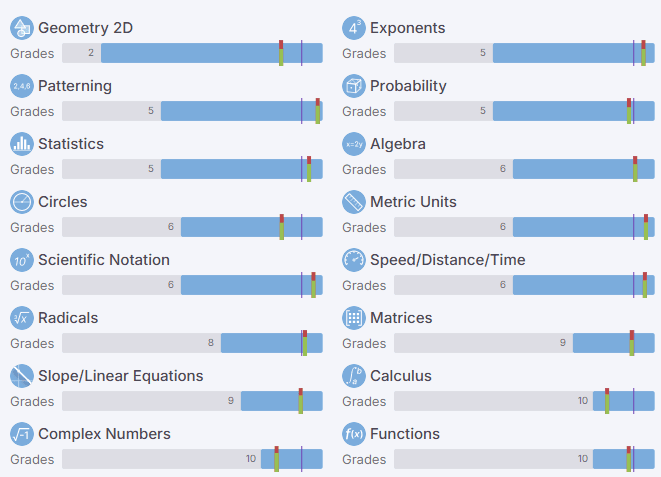
Technology helps identify where a student should begin and what kind of practice will be most useful next. That gives each session a clearer starting point than giving every student the same work.
It does not replace the tutor. It helps the tutor and student begin in the right place, with work that matches the student's current level and needs.

Human Support Matters
Strong math tutoring needs more than well-chosen practice. Students need a tutor who can notice frustration or a drop in focus and respond in a way that feels credible and motivating.
Matarus tutors bring judgment, encouragement, and accountability to each session. They respond in the moment, help students stay with challenging math, and support the kind of steady progress that builds confidence over time.
Why the Mix Works
Technology gives each session a more accurate starting point. The tutor turns that information into a better live experience for the student.
At Matarus, that means less time guessing, less time stuck on work that misses the mark, and more time noticing how the student is thinking. Tutors can step in with encouragement, keep focus from slipping, and help students stay with hard questions long enough to make real progress.
Growth Over Time
Good math support should help now and prepare students for what comes next. The goal is not just a better week in math, but stronger readiness over time.
At Matarus, technology helps place students at the right level and move them forward when they are ready. Tutors guide the day-to-day work so progress builds toward harder school math and future STEM opportunities.

Visible Weekly Progress
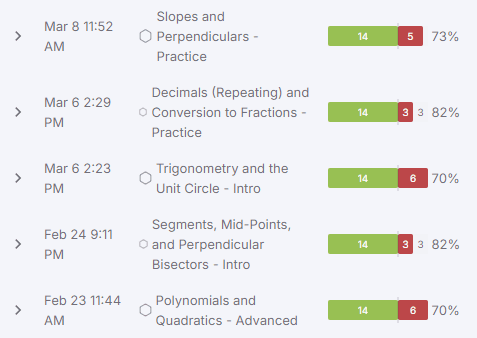
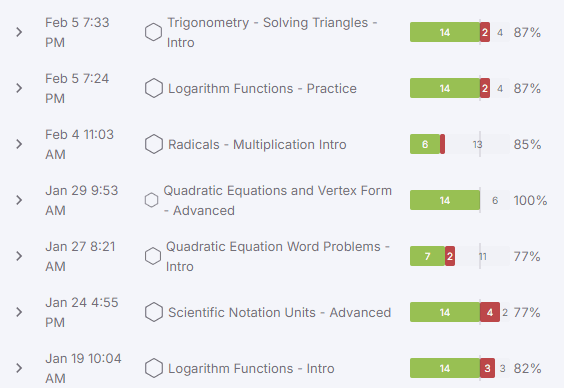
Families receive concise weekly updates that show what improved, where support is still needed, and which next focus area should guide the coming week of learning.
That gives parents practical learning evidence they can understand quickly, so decisions about pacing, reinforcement, and goals stay grounded in what the student is actually showing.


A Better Starting Point
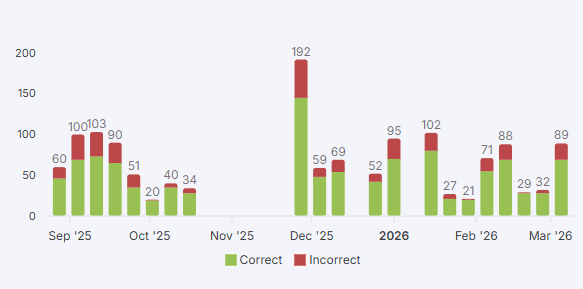
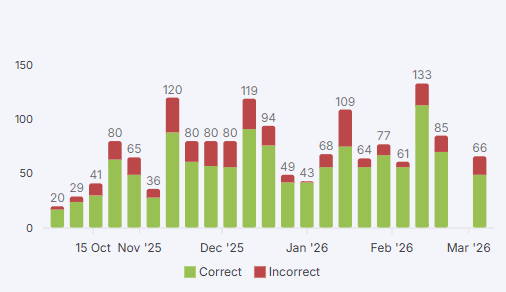
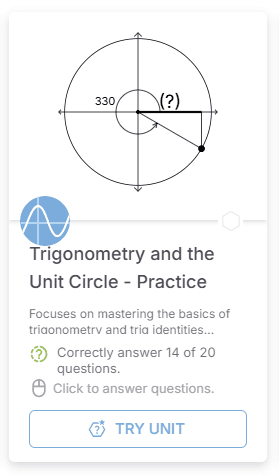
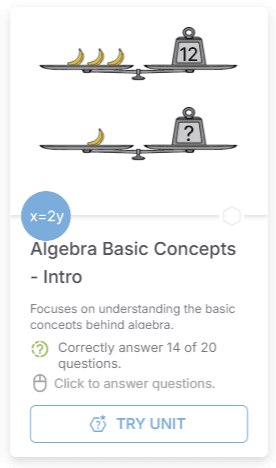
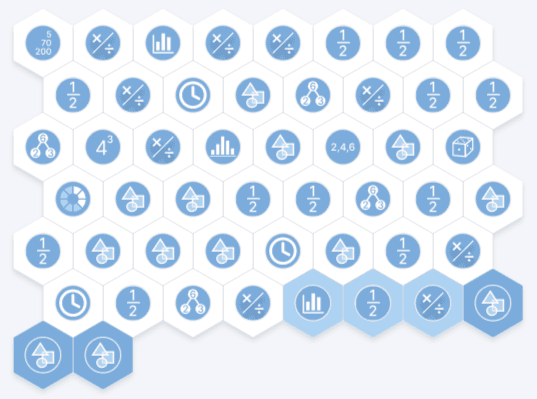
Matarus uses technology to spot the level and practice type that make sense for the student in front of us. That gives each session a more accurate starting point than assigning the same work to everyone.
That clearer fit also helps explain why parents and students feel so positive about the experience. Instead of spending the session guessing, the tutor can focus on how the student is thinking, where support is needed, and how to keep progress moving.
Loved by parents and students alike
Confidence, confidence, confidence. Matarus is great at building confidence by spending so much time on problems and having the problems get just a little bit harder each time. K gained so much confidence by seeing herself do problems she hadn't thought possible.
Strong challenge without overload
Families can see the difference when tutoring raises challenge at the right pace, keeps students engaged, and turns stronger confidence into steadier school progress.
Confidence Families, Can See
Families often notice the change in everyday moments first. A student feels calmer with hard questions, shows more confidence, and sticks with math longer instead of shutting down.
Those visible changes help parents trust the process. When progress feels real at home and in school, reviews and testimonials sound less like marketing and more like what families are already seeing.