Why Human Support Still Matters
Technology helps, but people drive progress
Matarus pairs technology-supported math practice with real human support because students make stronger progress when challenge is backed by focus, encouragement, and accountability.
Help at the Right Time
Good math learning depends on more than correct placement. Students also need support in the moment when attention slips, frustration rises, or a hard problem starts to feel out of reach.
That is where a tutor matters. A real person can notice hesitation, respond in a way the student trusts, and help the student stay engaged long enough for productive learning to continue.
Human Support Still Matters
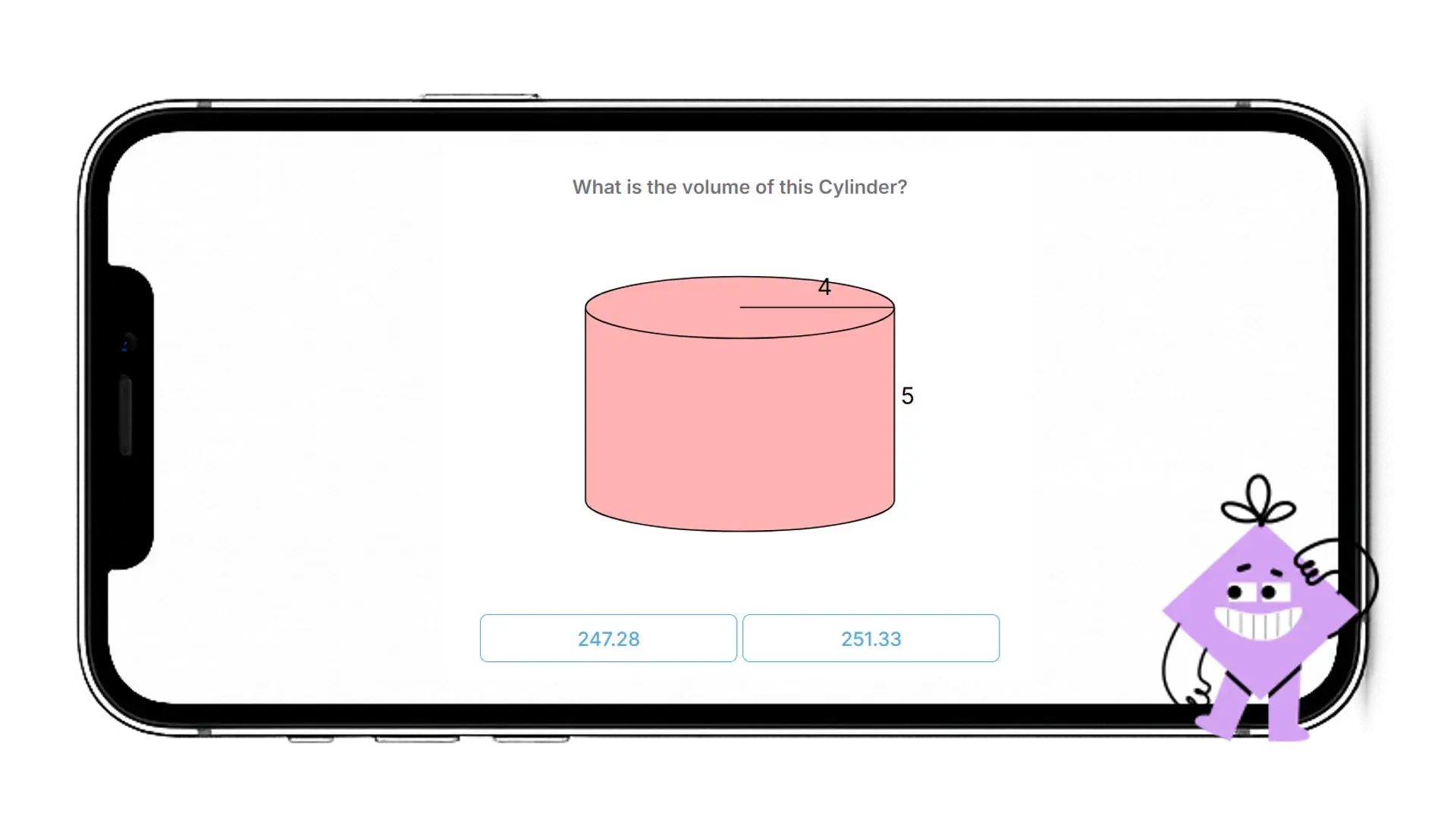
Technology can help place a student in the right math, but it cannot replace the human side of learning.
Tutors keep students focused, encourage them when work feels hard, and build the kind of trust that helps a child stay engaged long enough to make real progress.

Achievement
for every child



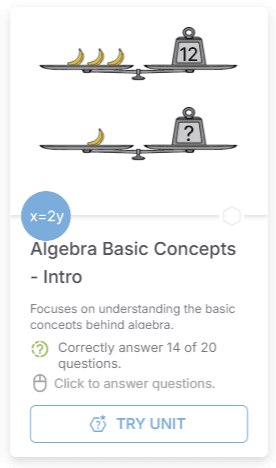
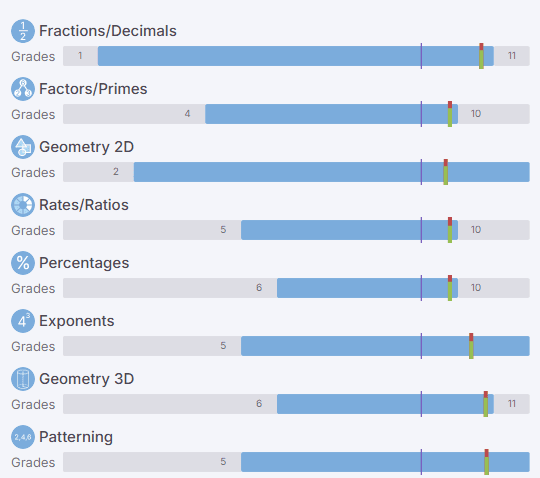
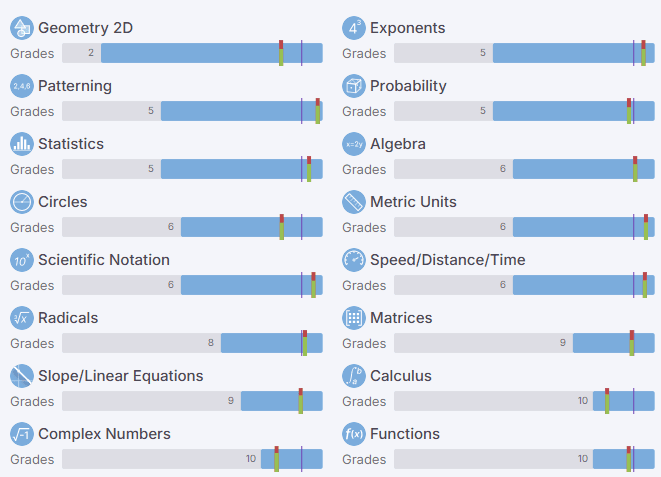
Each student follows work that matches their current readiness, pace, and confidence, even inside a shared tutoring group.
The platform keeps every child on a path that fits them, while the tutor guides pacing and steps in exactly where an individual learner needs support to keep moving forward.
That keeps the experience personal and makes the small-group format feel meaningfully different for every child, instead of one identical lesson delivered to the whole group.





Credible Encouragement
Research on learning and attention points to the same idea: students do better when challenge is supported by real human engagement.
Tutors build the kind of encouragement students actually believe. That makes it easier to reset after a hard moment, keep working, and stay connected to the learning.

These sessions provide interesting challenges for A to explore mathematical concepts, boosting her math confidence by connecting her with her problem-solving abilities and giving her opportunities to work through areas she was less comfortable with.
Strong challenge without overload
Parents often notice the same pattern: students grow more confident when the math is challenging, but tutor support keeps that challenge from feeling overwhelming.

Confidence That Lasts
Families often see the difference in a student's confidence. Hard math feels more manageable when a tutor keeps the experience calm, personal, and steady.
That support helps students stay with challenging work long enough to build real understanding, not just get through a difficult moment.
Loved by parents and students alike
Visible Weekly Progress
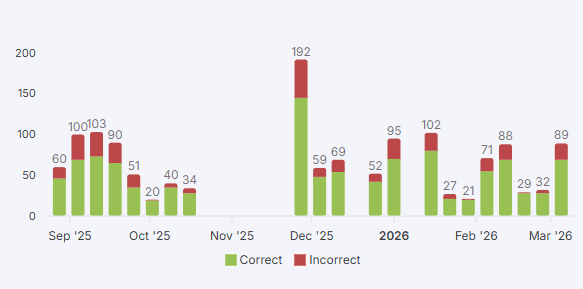
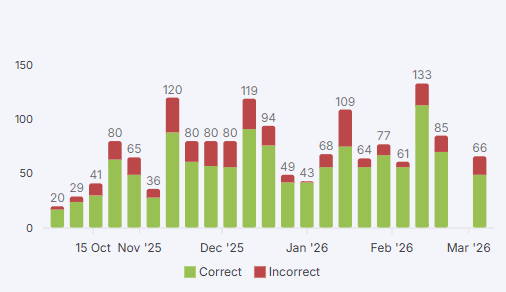
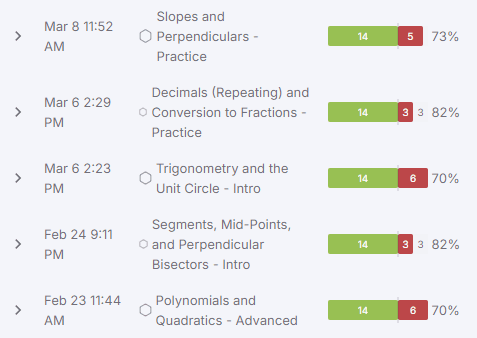
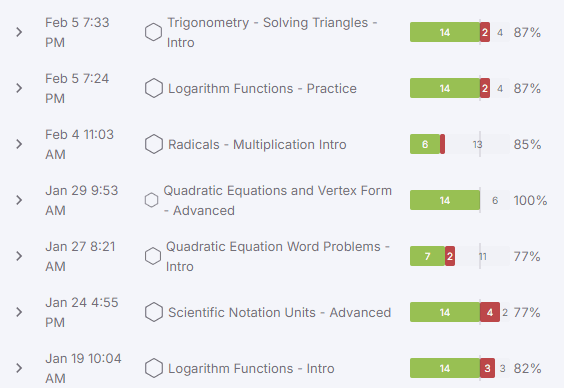
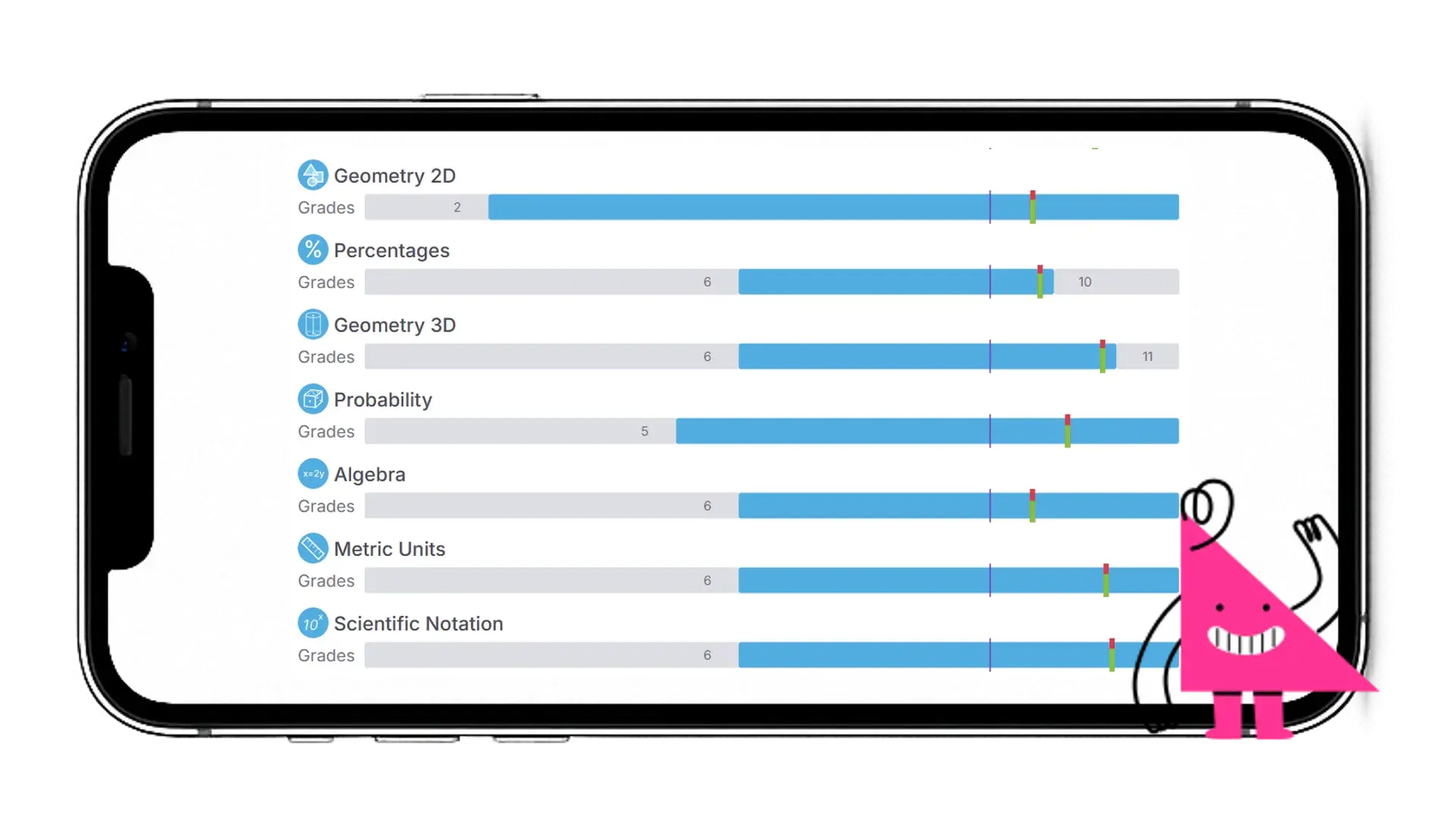
Families receive concise weekly updates that show what improved, where support is still needed, and which next focus area should guide the coming week of learning.
That gives parents practical learning evidence they can understand quickly, so decisions about pacing, reinforcement, and goals stay grounded in what the student is actually showing.