Teaching Tools
A practical guide for tutors
Matarus gives tutors a whiteboard, graphing, calculator, reference, solution, and explanation tools that make math easier to teach online or in person with less prep.
Tools Ready to Teach
Matarus brings core teaching tools into one place, so tutors can write, graph, calculate, and show each step as they teach.
That means less time gathering materials before a session and more time focused on the student, whether tutoring happens online or in person.
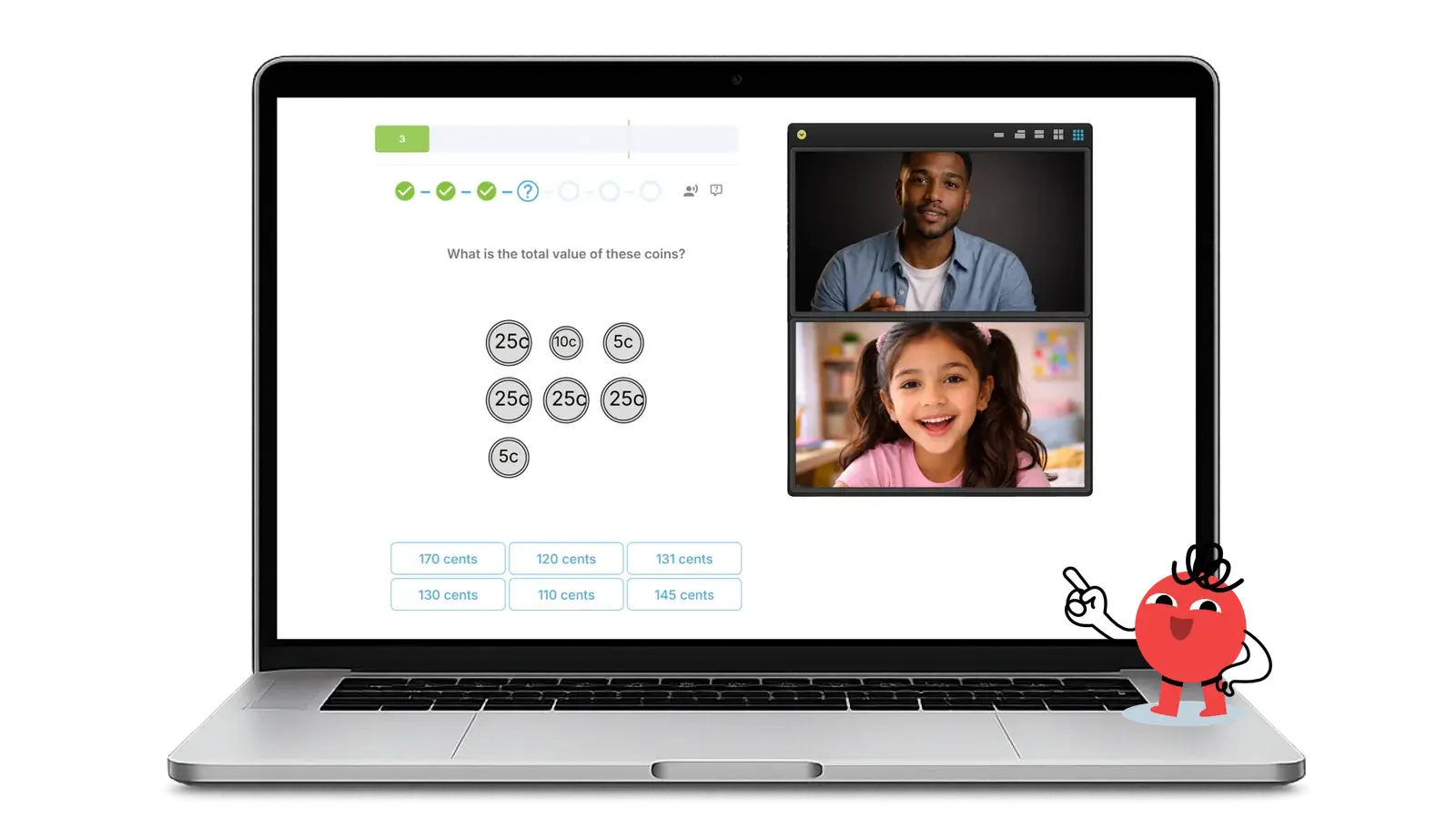
Seeing P grow in confidence is the best part. She knows that she can tackle any problem even if the solution is not obvious right away.
What Families Notice
Families notice when tutors can show the math clearly.
With built-in tools for writing, graphing, and walking through solutions, lessons feel easier to follow and students grow more confident.


Visuals for Key Ideas
Graphing and calculator tools help tutors make functions, equations, and calculations easier to see during a lesson.
That gives tutors clear ways to model ideas, compare strategies, and talk students through what the math is doing in real time.
Built to Explain Step by Step
Teaching tools in Matarus help tutors explain, model, diagram, and solve math with students as ideas unfold.
When a question gets hard, tutors can use the platform's built-in supports to check the prerequisite skills, revisit the foundation, and guide the student forward step by step with confidence.

Math Across Grade Levels
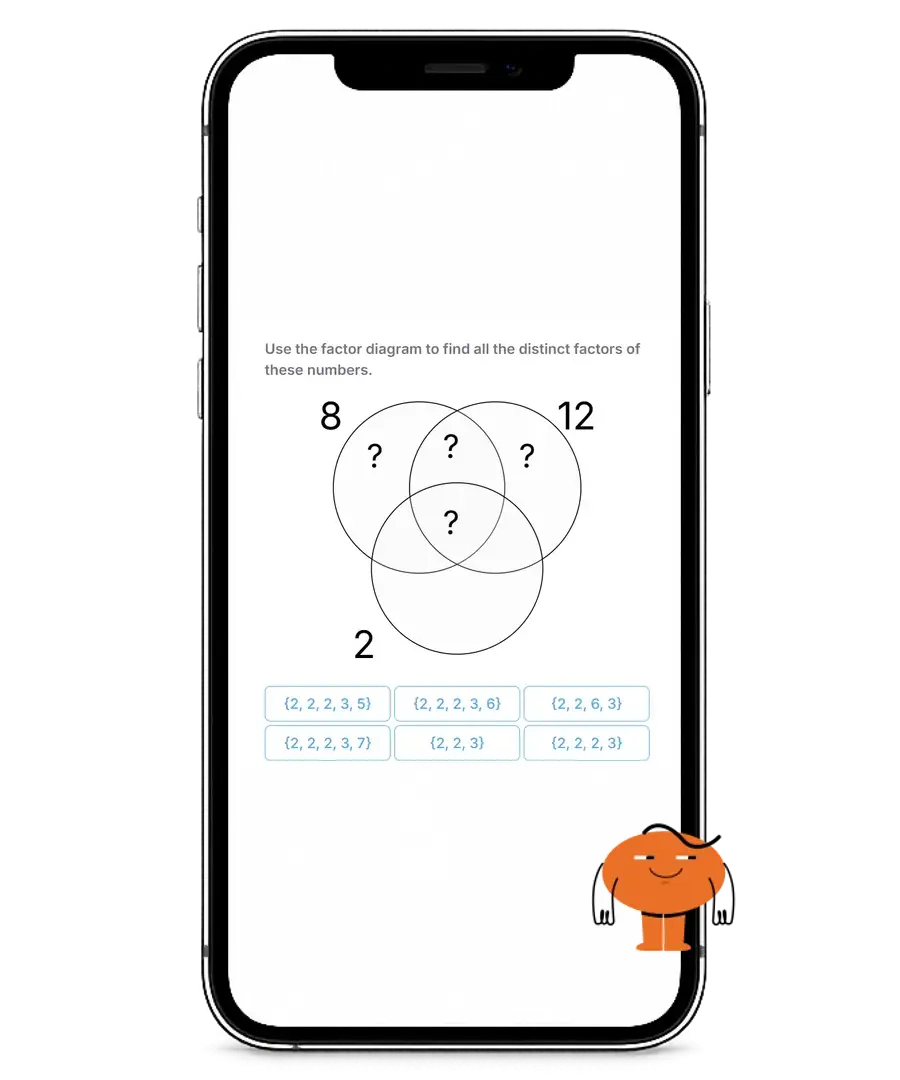
Matarus supports a wide span of school math, from foundational skills through advanced high school topics, so tutors can teach across grade levels in one familiar environment.
That matters when a student starts a new unit, moves into a harder course, or needs to reconnect earlier skills before taking on more difficult questions.
Explore Math Support by Grade
Support Inside Questions
Many Matarus questions include a reference sheet, full solution, and clear explanation that tutors can use when revisiting a topic.
That built-in support helps tutors confirm the math quickly, refresh an approach, and, when a student is stuck, check the underlying skills before moving deeper into the question.

One Place for More Math
Matarus helps tutors move smoothly through the work of a real session.
A tutor can introduce an idea on the whiteboard, test it with a graph or calculator, then use built-in references, solutions, and explanations to revisit a method or check what a student needs next. The tools work together in one place, so it is easier to stay responsive, explain clearly, and keep the lesson centered on student understanding.