Curriculum Management
Recommendations with tutor control
Matarus suggests strong next steps from each student's progress history, while tutors keep control of topic and difficulty when a session needs a specific focus.
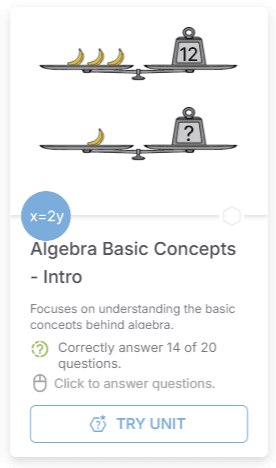
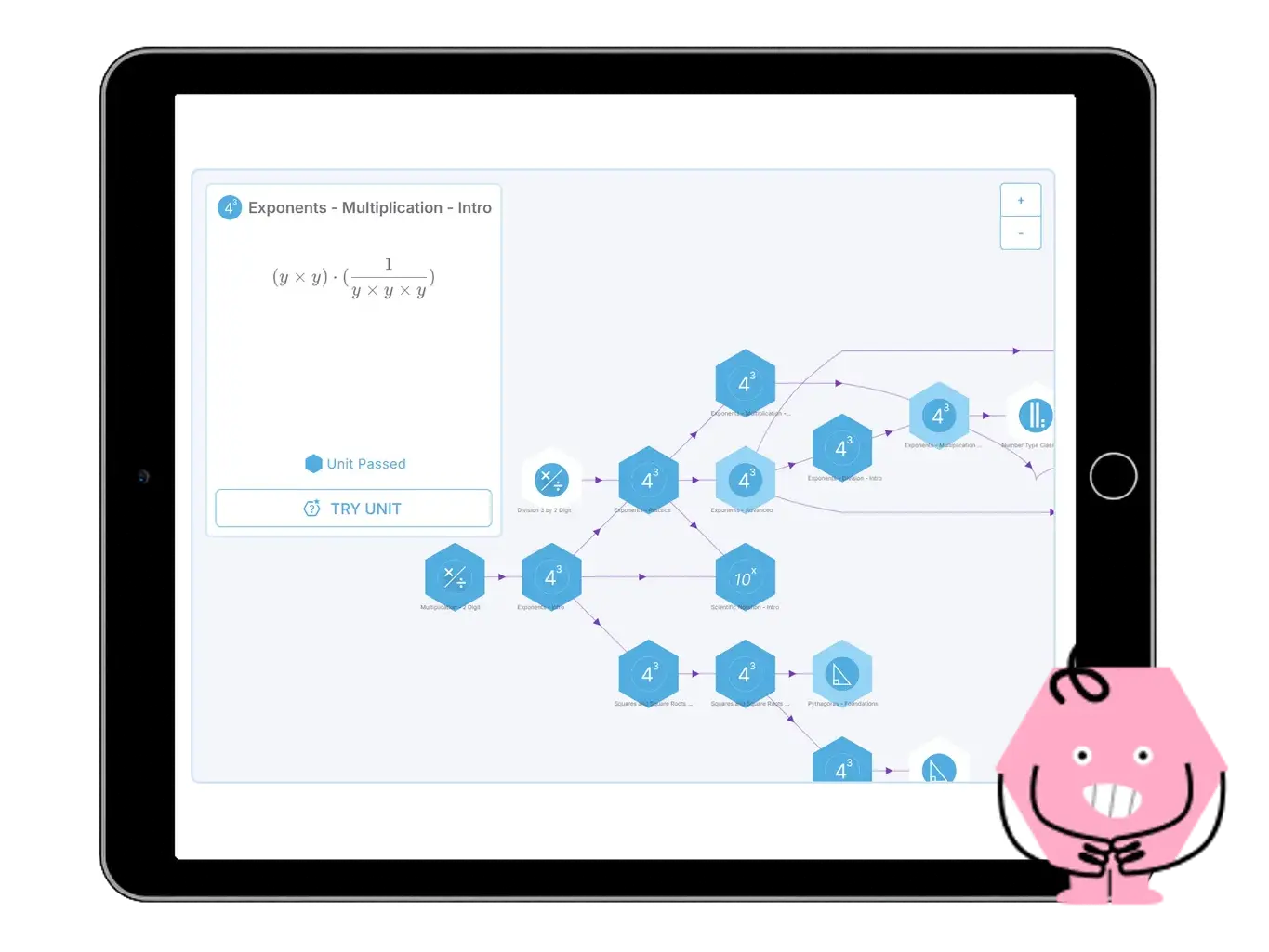
Recommended Next Steps
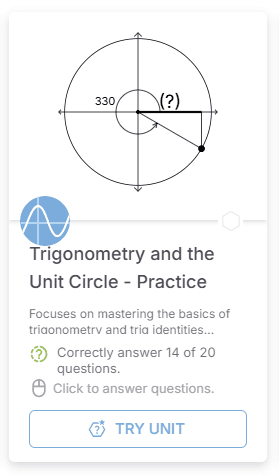
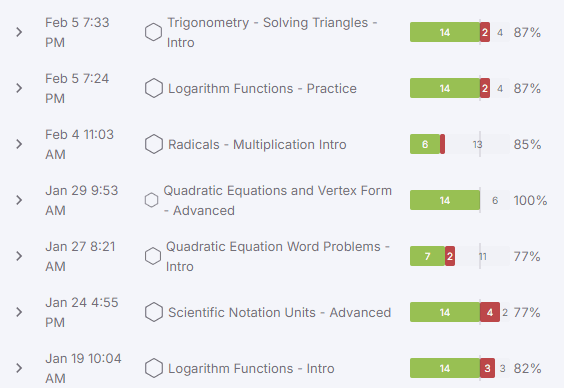
Matarus shows a recommended next step for each student based on current progress and past work.
That gives tutors a clear place to start without taking away their judgment during the session.
Tutors can use that recommendation as a guide, then adjust the curriculum choice when a student needs something more specific.

Focused Topic Control
Tutors can shift to a specific topic when a student needs help with school math or wants to prepare for a test.
They still control the exact topic and difficulty, so the work fits what that student needs right then.
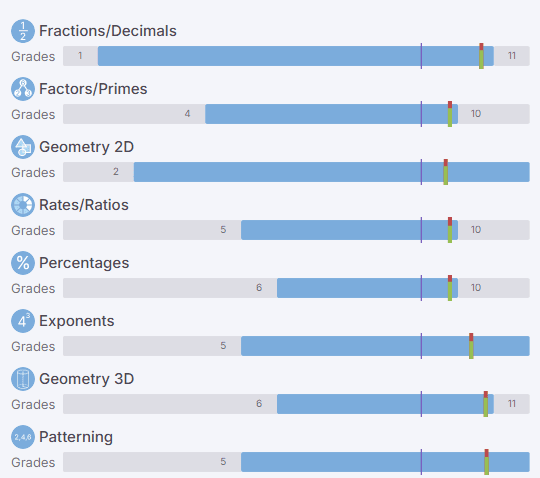
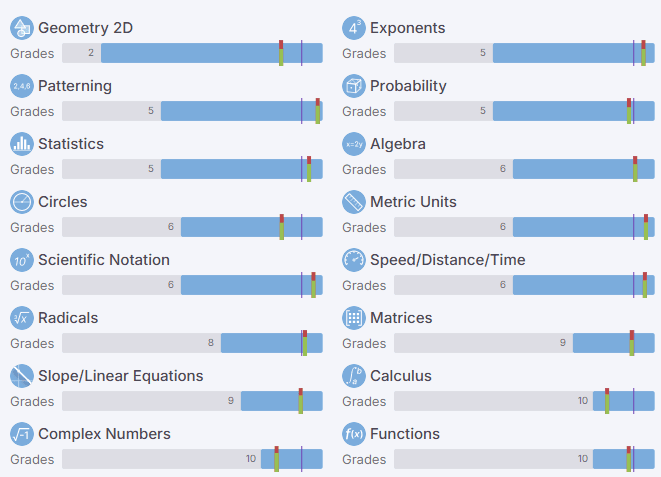
Explore Math Support by Grade
Stretch Problems, Useful Detours
Competition math problems can reveal more than whether a student gets the right answer. They often show where a quick review is needed or where a deeper conversation could help a student grow.
With Matarus, tutors can respond in the moment by choosing the right topic and difficulty for that student. That makes it easier to turn a hard problem into focused review, richer discussion, or a better next step.
Progress Signals for Decisions
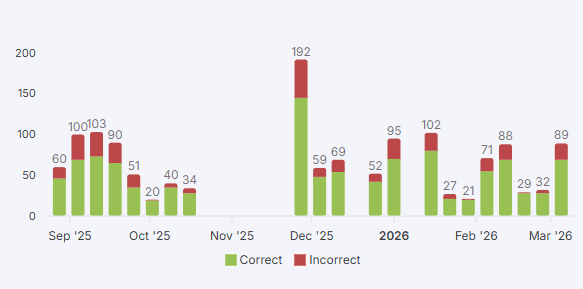
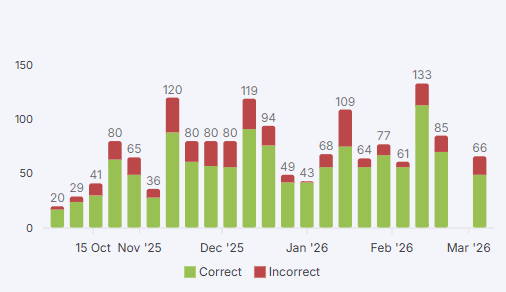
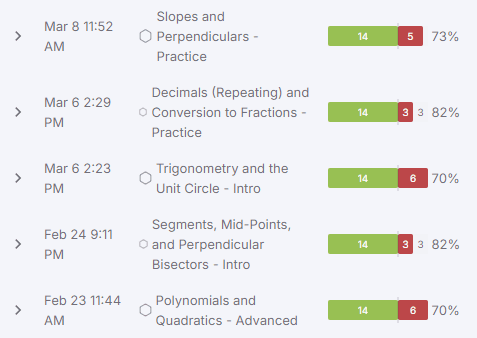
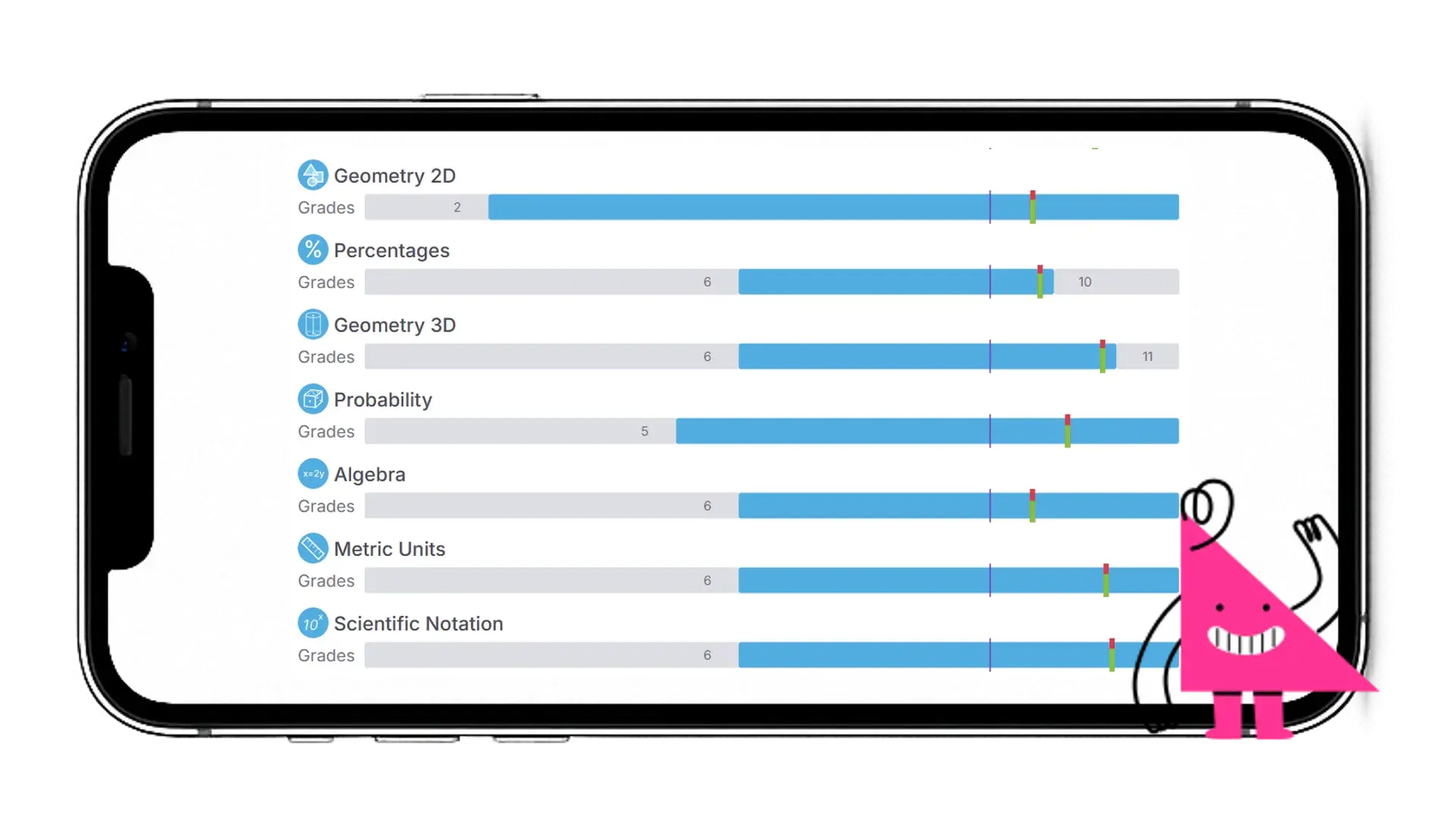
Matarus gives tutors progress signals that support curriculum decisions for each student.
A recommended next step based on current progress and history helps tutors see a strong option for what to do next.
When a session calls for a different focus, tutors can still choose the topic and difficulty themselves.
Visible Weekly Progress
Families receive concise weekly updates that show what improved, where support is still needed, and which next focus area should guide the coming week of learning.
That gives parents practical learning evidence they can understand quickly, so decisions about pacing, reinforcement, and goals stay grounded in what the student is actually showing.