Challenge Beyond Class
Guide for ambitious tutors
Help bright students who are not challenged enough in school math grow through competition math with Matarus.
Creative Problem Solving
Some bright students move through regular school math without enough challenge. Competition math gives tutors a practical way to re-engage those students and keep them growing.
It also builds creative problem-solving skills that carry into advanced math and science work, giving ambitious students a stronger foundation for long-term STEM goals.

Flexible Competition Focus
Competition math can serve different goals for different students. Some classes use competition problems for variety, while some students want a deeper focus with regular work on contest-style questions.
For tutors, the key is using that challenge in the right way. It can re-engage a bright student who feels under-stretched, or it can become a steady part of a bigger plan for advanced math growth.
How Tutors Use It
Competition math works best when tutors use it with a clear purpose. For some students, contest-style questions are a focused way to add challenge when regular classwork is no longer stretching them.
With Matarus, tutors can guide students through demanding questions, check whether the needed foundation is secure, and help them build the creative reasoning that supports stronger math and science learning.

Loved by parents and students alike
Real Competition Problems
Some students see competition problems only occasionally for variety, while others want regular exposure to this kind of challenge as part of deeper enrichment.
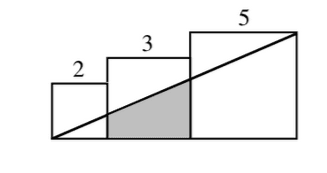
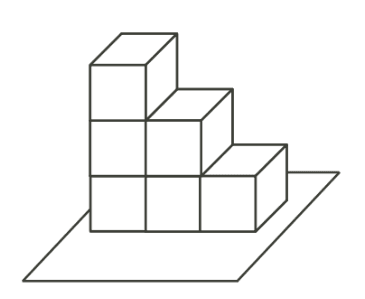
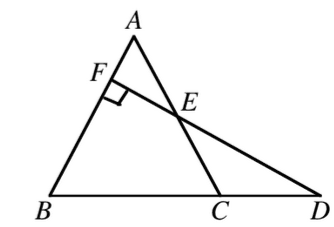
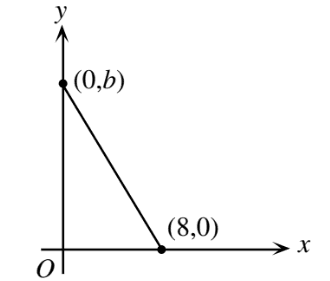
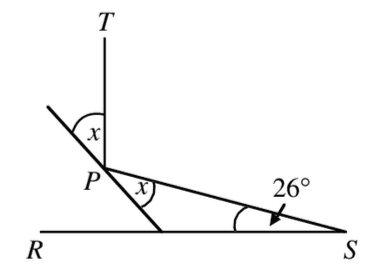
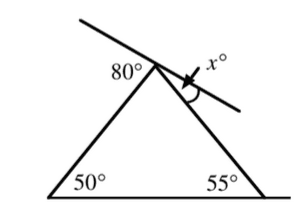
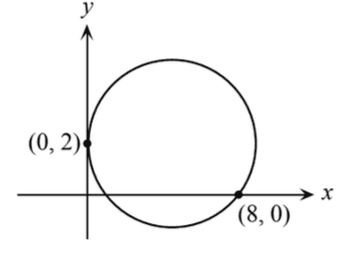
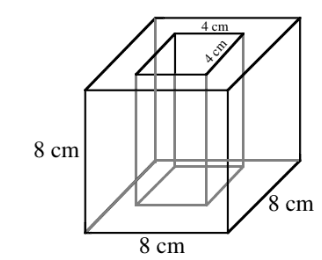
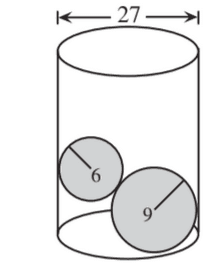
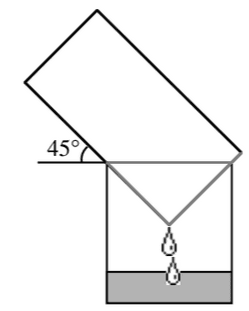
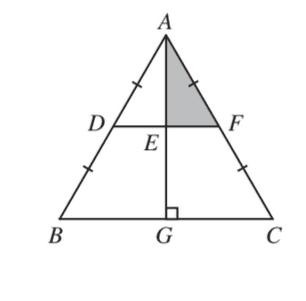
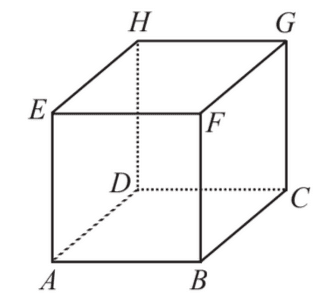
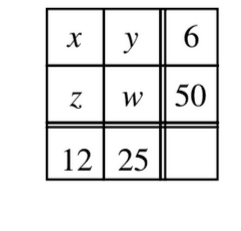
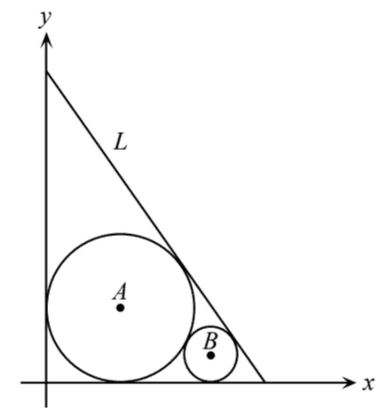
This gallery helps tutors and families see the kinds of contest-style questions students may work on when competition math becomes a more serious part of their learning.
Real Competition Problems
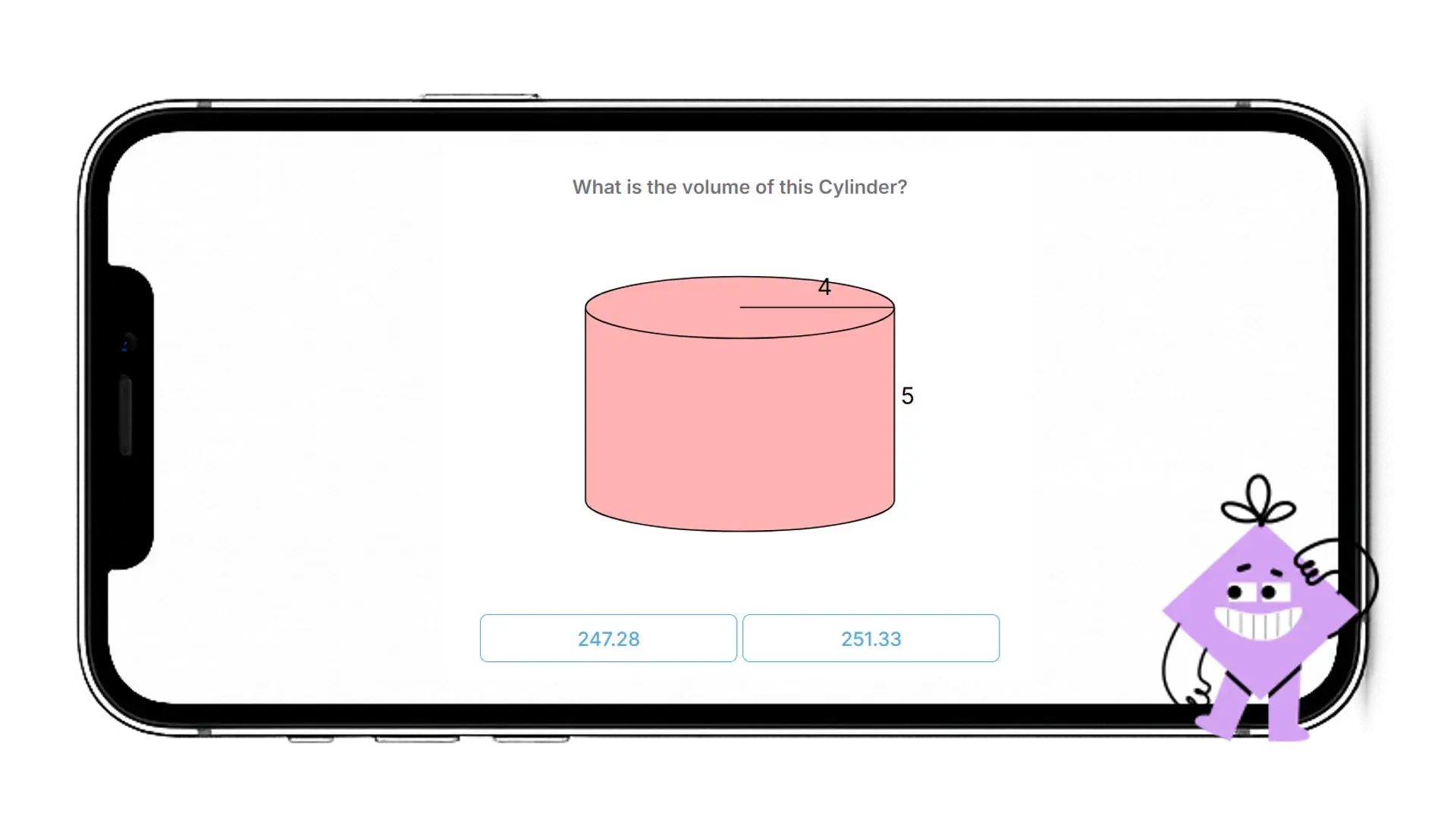
See a sample of the competition-style diagrams and problem layouts students can practice with as they build contest fluency.



Support for Hard Problems
Competition math often depends on whiteboarding, discussion, and step-by-step written solutions. Matarus supports that kind of work so tutors and students can think through demanding questions together in a clear, visible way.
When a student gets stuck, the tutor can use the platform to check whether the needed precursor skills are secure before moving deeper into the question. From there, Matarus helps the student grow into harder work step by step while the tutor guides the reasoning and solution writing.
What Families Can See
Competition math can feel abstract unless families can see what is changing. Clear updates help parents understand whether a student is becoming more persistent, more precise in written work, and more confident with unfamiliar questions.
That visibility also makes it easier to talk about next steps. Families can see whether competition math is working best as enrichment, as contest preparation, or as a broader way to strengthen advanced mathematical thinking.

Visible Weekly Progress
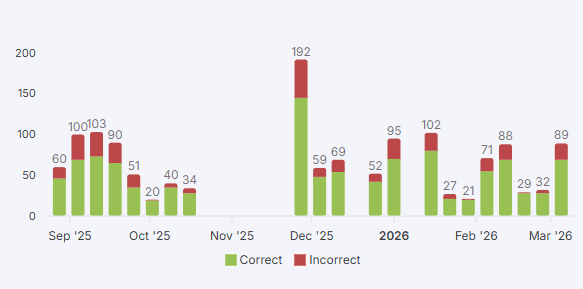
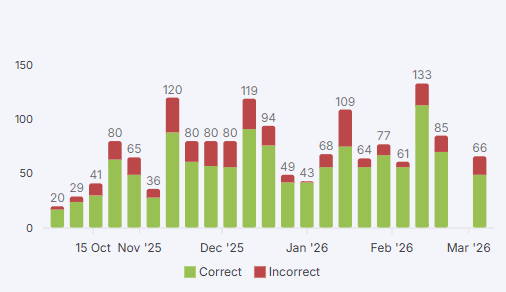
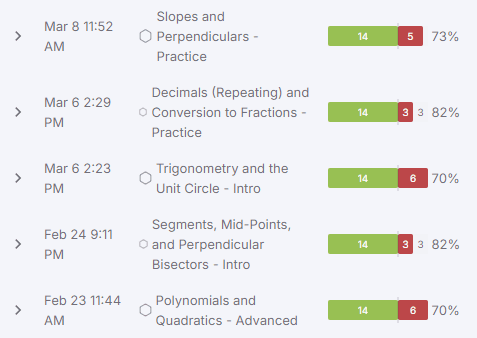
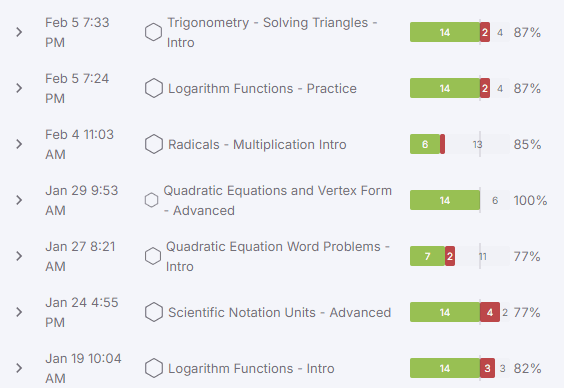
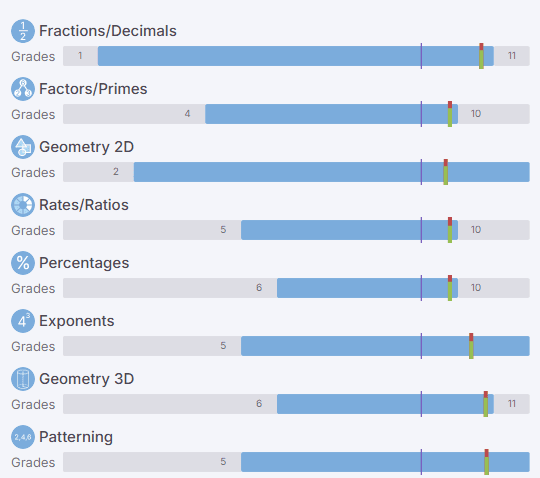
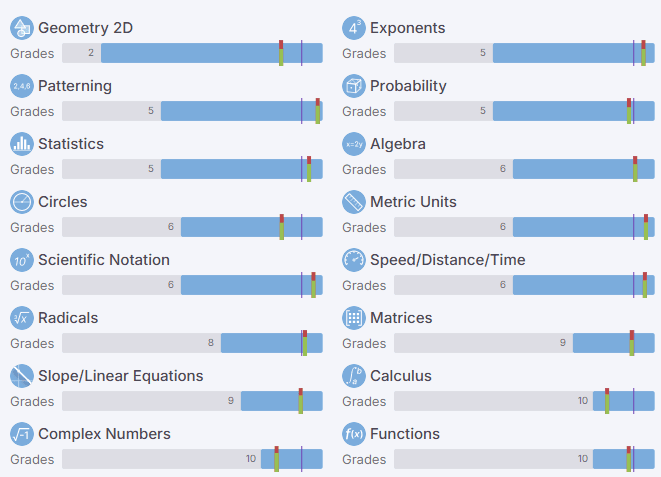
Families receive concise weekly updates that show what improved, where support is still needed, and which next focus area should guide the coming week of learning.
That gives parents practical learning evidence they can understand quickly, so decisions about pacing, reinforcement, and goals stay grounded in what the student is actually showing.


Build Contest Readiness
Students benefit from seeing the kinds of questions that make competition math different from routine school exercises. Diagrams, unusual setups, and multi-step reasoning all push students to slow down and think more creatively.
That is why sample contest problems matter. They give tutors and families a concrete view of the level of challenge students can practice with and the kind of mathematical writing and persistence that this work develops.