Your First Student
A practical guide for tutors
Choose a low-pressure first student, connect the account properly, and build confidence for your first Matarus session.
Choose the Right First Student
The best first student is someone friendly, patient, and low pressure. A younger family member, a neighbor, or the child of a close family friend can be a strong fit because everyone starts with realistic expectations.
That kind of start gives you room to learn the rhythm of a live class, get comfortable on Matarus, and build confidence without feeling like every moment has to be perfect.
Start With the Right Setup
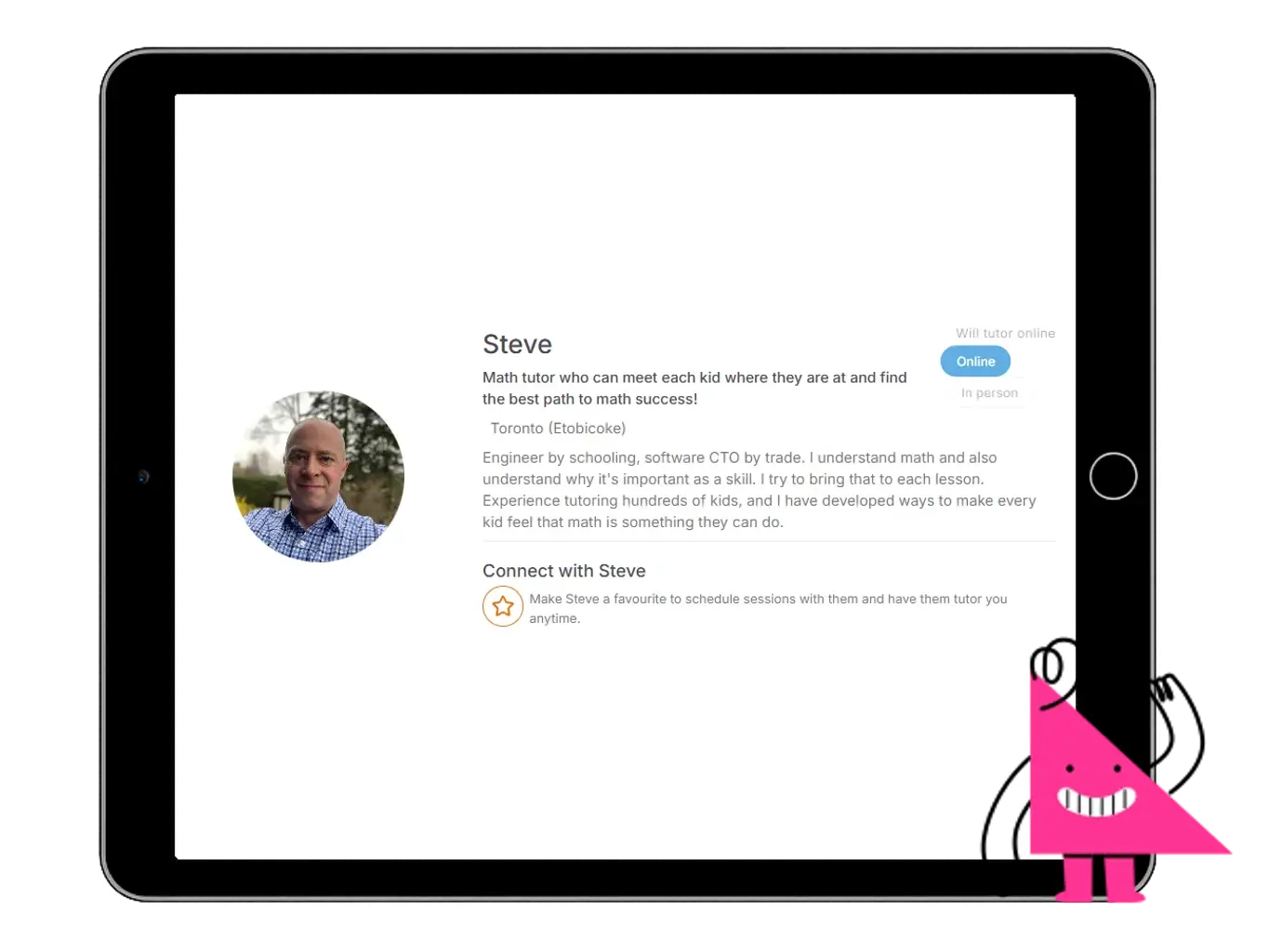
Have the family sign up through your public tutor profile so the student is connected to you correctly from the start.
This is a simple part of a strong first-student plan. It keeps the account associated with the right tutor and helps the first class begin on the right footing.
Loved by parents and students alike
Practice the First Session
Before your first live session, do a short practice run on your own. Open the tools, click through the class setup, and get used to the basic flow.
The goal is not a perfect rehearsal. It is a calmer first day, less pressure on you, and more attention available for the student in front of you.

Y has always done well in math, but I felt like she wasn’t being challenged at school, Matarus helped with that. The first day Y tried Matarus, she told me she had a lot of fun and her brain had to work hard! Sounds like success to me.
Early Signs It Works
One of the clearest early signs of a strong start is simple: the student stays engaged, enjoys the challenge, and leaves class feeling capable of more.
That kind of response gives a new tutor useful proof that the level, pacing, and session flow are working well enough to keep building from week to week on Matarus.

Visible Weekly Progress
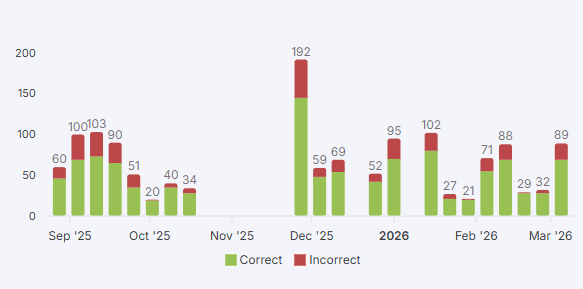
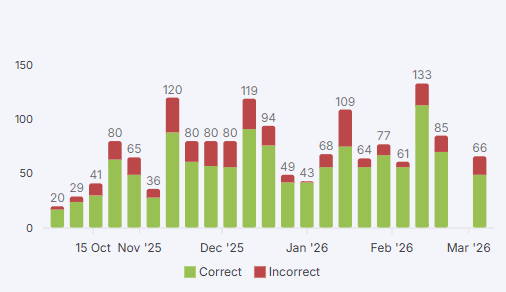
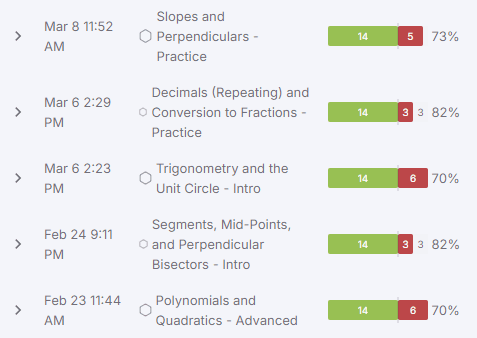
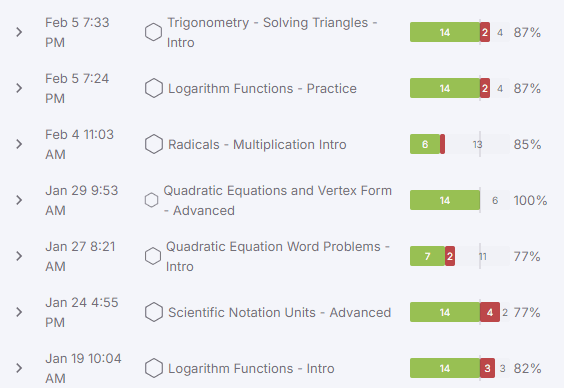
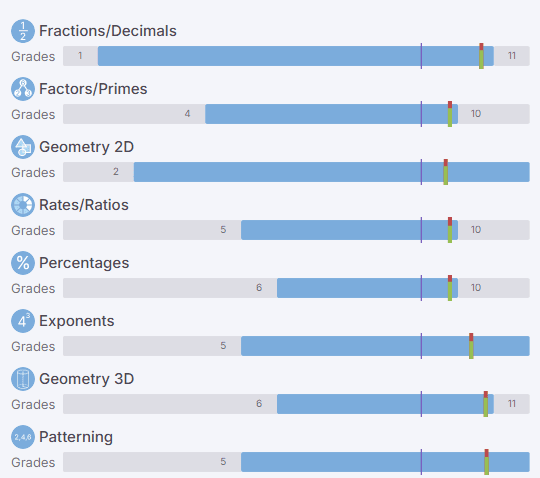
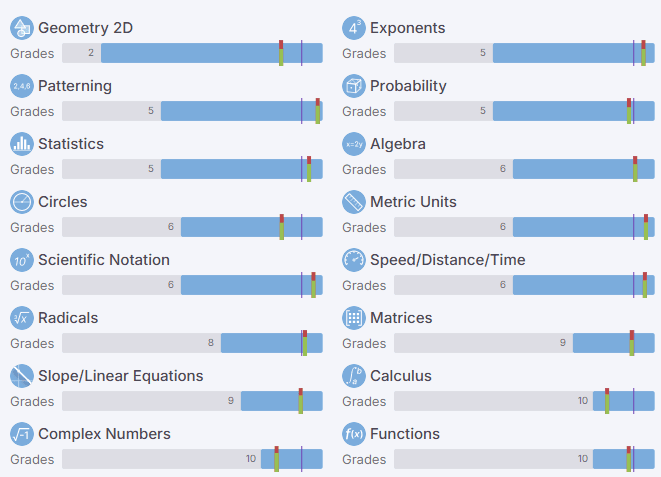
Families receive concise weekly updates that show what improved, where support is still needed, and which next focus area should guide the coming week of learning.
That gives parents practical learning evidence they can understand quickly, so decisions about pacing, reinforcement, and goals stay grounded in what the student is actually showing.