Set Up Your Profile
Help parents find and trust you
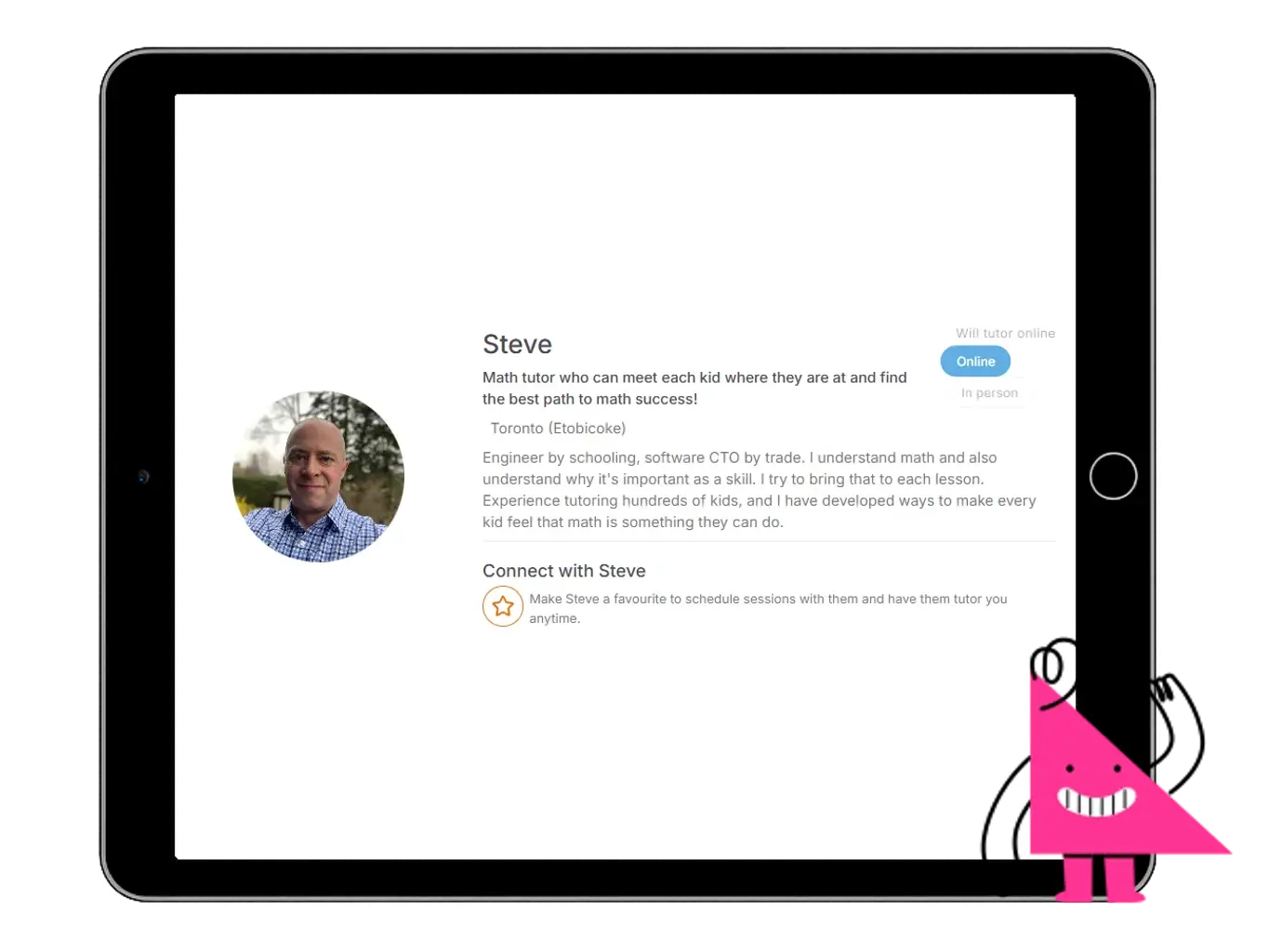
Create a public Matarus profile that helps families understand your experience and feel ready to reach out.
How Families Use It
Parents use your profile to learn about you, decide whether you are a fit, and take the next step toward contact or scheduling.
A clear profile supports discovery, trust, and reputation by giving families one place to understand who you are as a tutor.
What Families Can See
Matarus lets tutors create an account, add profile details, and publish a public profile at no cost.
That public page gives families one clear place to review your profile and decide whether they want to reach out or schedule classes.
Your Public Tutor Identity
Your public profile is the core of your identity on Matarus.
Families use it to learn about you, decide whether to contact you, and move toward scheduling classes. A strong profile supports discovery, trust, and reputation by giving parents one clear place to understand who you are as a tutor.
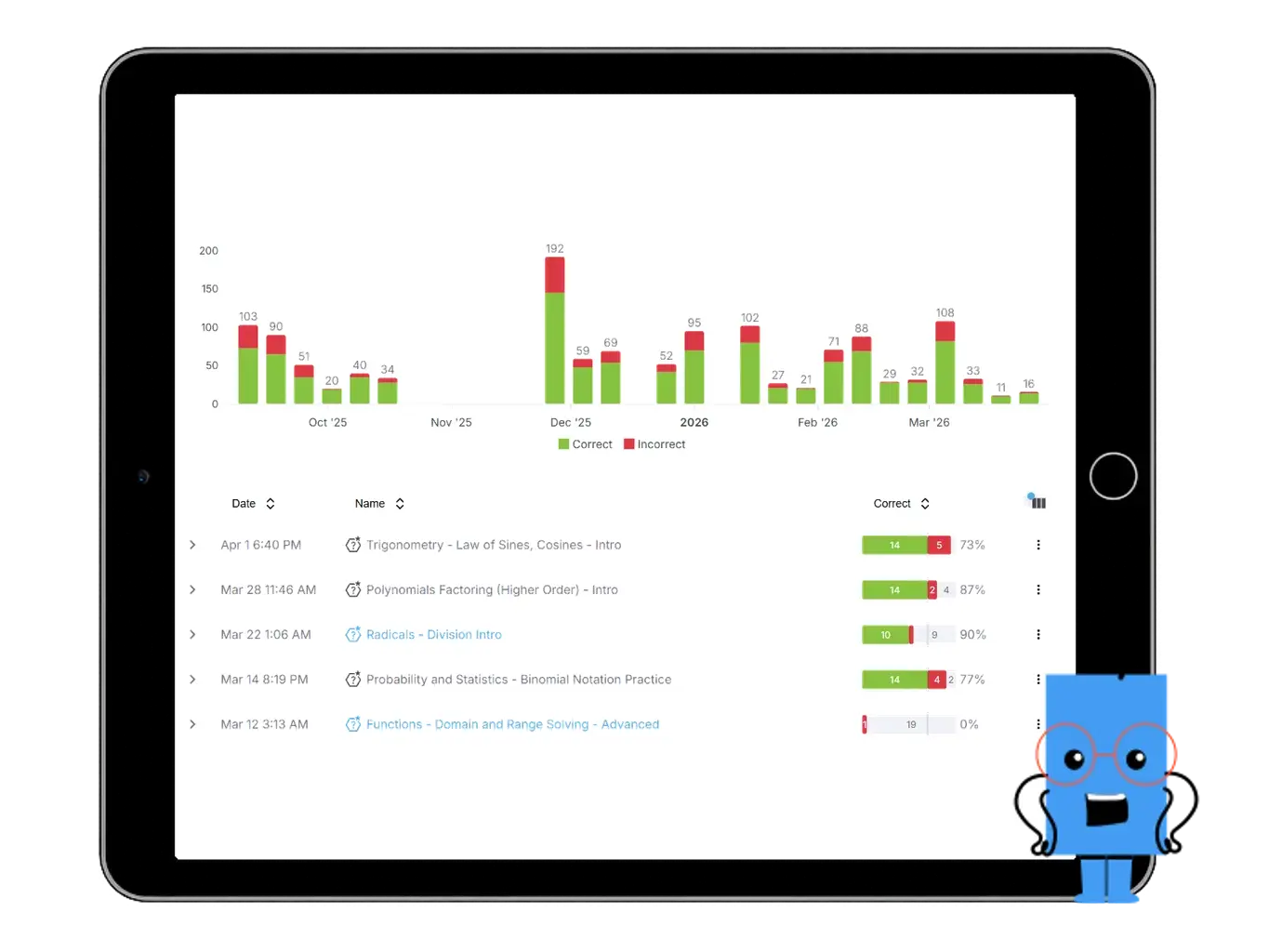
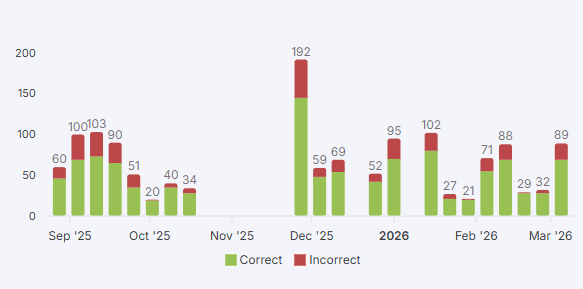
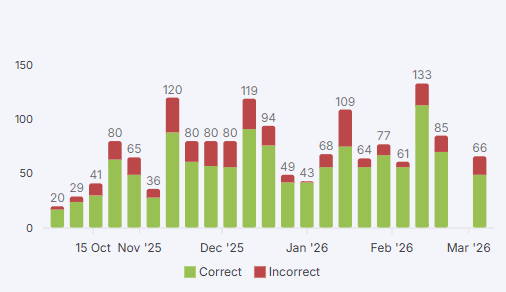
Visible Weekly Progress
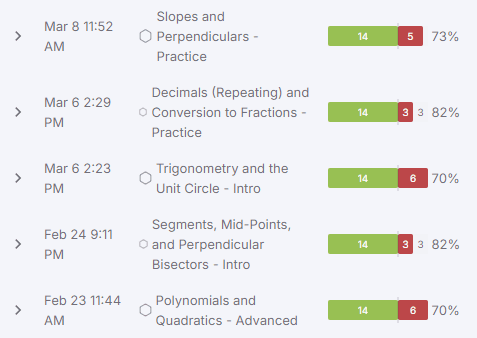
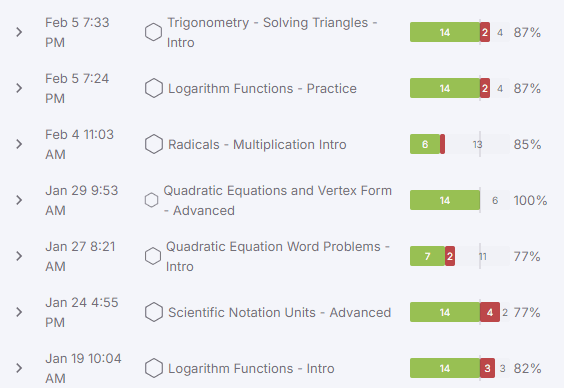
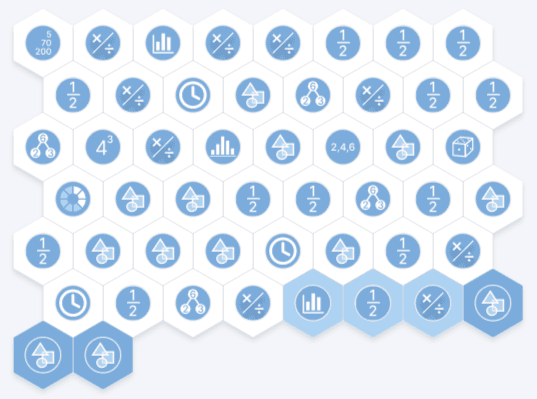
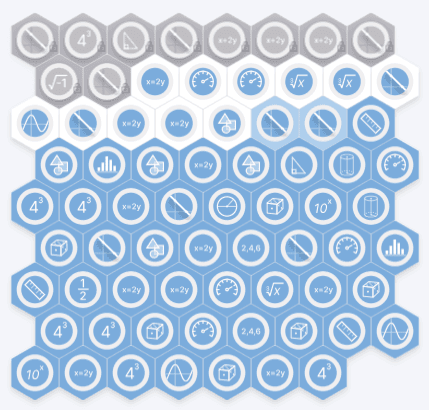
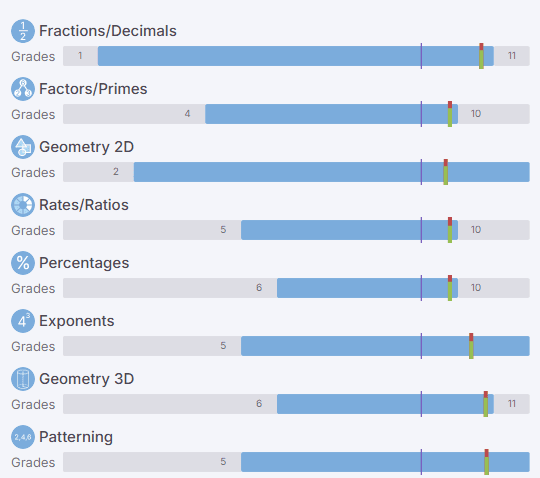
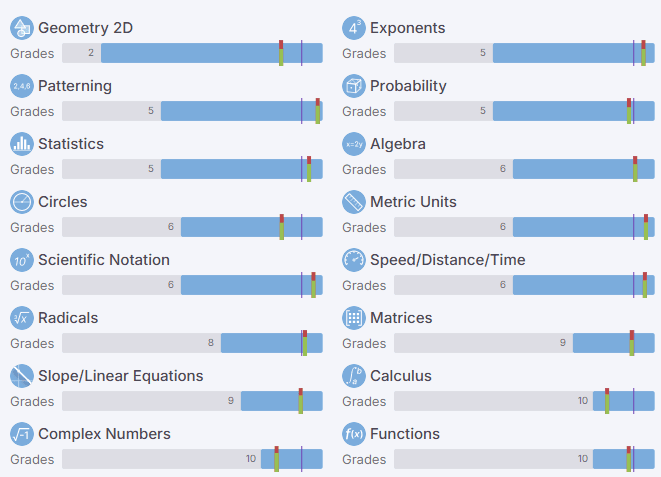
Families receive concise weekly updates that show what improved, where support is still needed, and which next focus area should guide the coming week of learning.
That gives parents practical learning evidence they can understand quickly, so decisions about pacing, reinforcement, and goals stay grounded in what the student is actually showing.
What Strengthens Your Profile
Skills, experience, and parent quotes make your profile more useful because they help families judge fit more quickly.
Together, those details build trust and reputation. They give parents clearer reasons to feel confident about contacting you through Matarus and make your public profile easier to understand at a glance.
Loved by parents and students alike

Where to Go Next
Once your profile is public, keep it accurate and easy to trust.
As you gain experience, update the parts that matter most to families: the students you work with, the subjects you teach, and any parent feedback that strengthens your reputation. Fresh details help your public profile stay useful over time.
Why Your Profile Matters
Your profile is the core of your public identity on Matarus.
Parents use it to learn about your teaching, decide whether to contact you, and move toward scheduling classes. It also helps to show how you support students through hard questions: on Matarus, the platform checks prerequisite skills and foundations, then helps guide step-by-step growth into harder work while you support the student.