Build Your Tutoring Business
Start Free, Grow Your Reputation
Create your Matarus profile and learn the platform for free, then start with students you already know as you decide how to grow.
Start Building with Clear Economics
Create your Matarus profile and explore the session tools without an upfront platform charge. You can learn the workflow, try the teaching experience, and decide whether it fits your goals before committing to a larger practice.
Use that early experience to test how Matarus supports your teaching style and the students you want to serve. Once the fit is clear, you can choose how to price your sessions, invite students, and build your tutoring business.
Entrepreneur vs MBA
Learn about business by starting one, or by analyzing case studies. Both are amazing ways to learn about business.
Learning | Entrepreneur | MBA |
|---|---|---|
| Core revenue areas (sales, marketing, customers) | ||
| Core back-office areas (accounting, finance, operations) | ||
| Hands-on business experience | ||
| Full knowledge of entire business | ||
| Advanced finance and strategy | ||
| International network | ||
| Cost | Minimal | Expensive |

Set Your Rate
You set your own session rate, typically between $30 and $120 depending on your subject focus, experience, demand, and growing reputation.
Your pricing can match the practice you want to build, whether that means developing a focused specialty or offering broader math tutoring through Matarus.
Understand Your Take-Home Pay
Matarus charges a flat $15 fee for each student referred through the platform, so a $60 session leaves you $45 before any other business costs. The fee stays clear as your rate changes.
For students you bring yourself, the fee is $5 per session. That difference can help you keep more of the rate you set while using the same platform and learning tools.
How the money works
Matarus is built so tutors can learn free, set their own rates, and grow significant revenue through sessions, direct students, and referrals.
| Business stage | Economics | What it means |
|---|---|---|
| Setup and learning the system | Free | Tutors can start with a free profile, learn the platform quickly, and understand the workflow without paying to get started. |
| Tutoring practice | Free | Tutors can practice on the platform and build familiarity with the teaching workflow without paying for access while they develop confidence. |
| Tutoring sessions | Set your own rate (typically $30-$120) | As a tutor, you choose the session price. Matarus keeps a flat $15 platform fee for students we refer to you, or only $5 for your students, so you keep the majority of the session value. |
| Students you refer | $10 on any session with any other tutor in their first 6 months | Students you refer stay attached to you as your referrals, so direct recruiting creates a strong revenue stream regardless of whether the student books sessions with you or other tutors on the platform. |
Plan Your Take-Home Pay
Estimate what your tutoring business could earn by testing different session rates, student counts, and referral mixes. The calculator turns those choices into a practical view of weekly and annual revenue.
Try a few scenarios before you commit to a schedule or pricing plan. You can see how students you bring yourself and students referred through Matarus affect the amount you take home.
See What Your Tutoring Could Earn
Estimate what a Matarus tutoring practice could earn as you take on students and build referrals. Adjust the number of students you teach, students you bring yourself, and your session rate to see weekly and annual revenue update instantly. Matarus keeps a flat $5 fee for students you refer and $15 for Matarus-referred students, so the figures below use the referral-rate economics to keep the estimate honest.
Your Numbers
Your Estimate
Build Trust Through Visible Progress
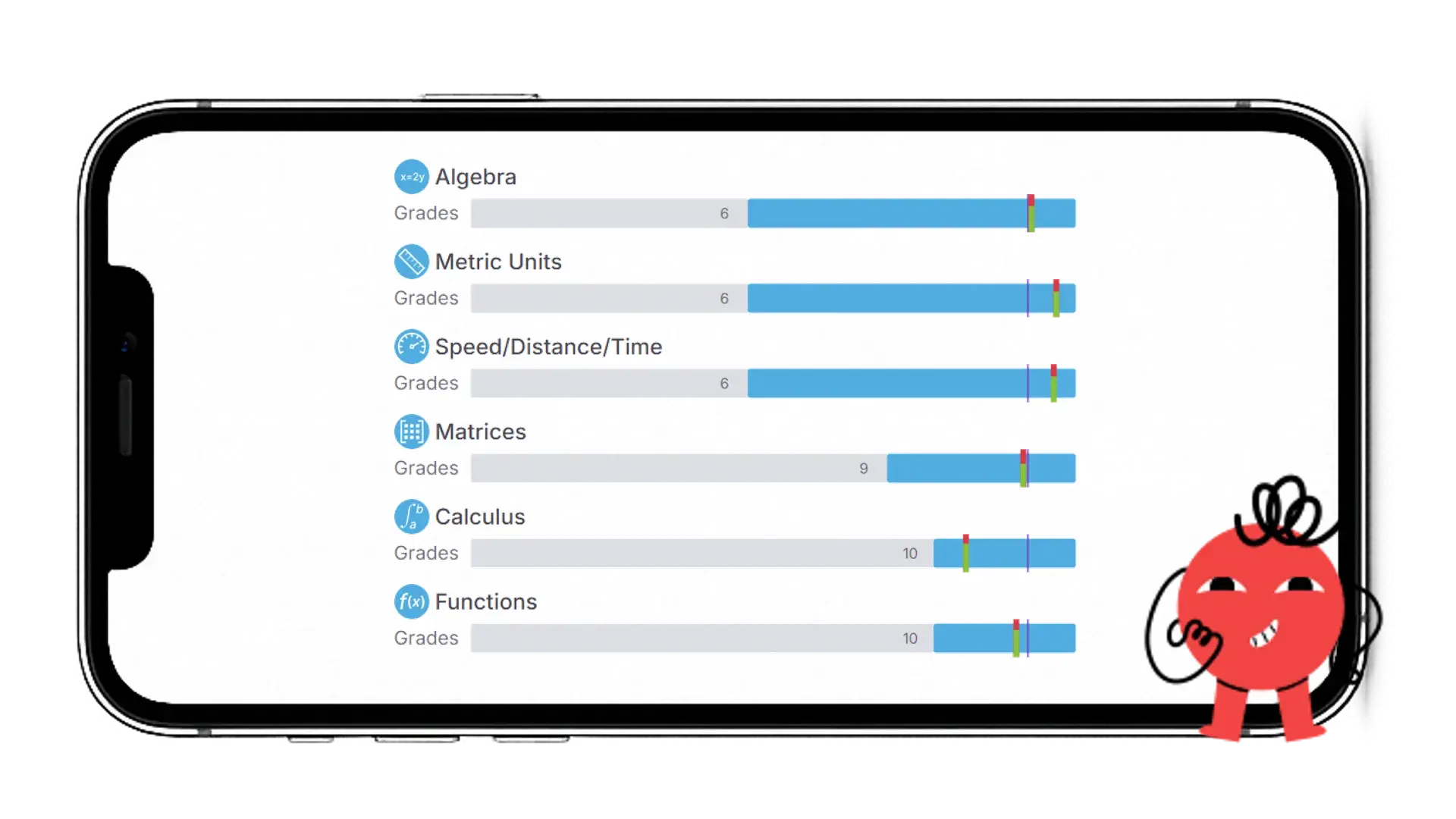
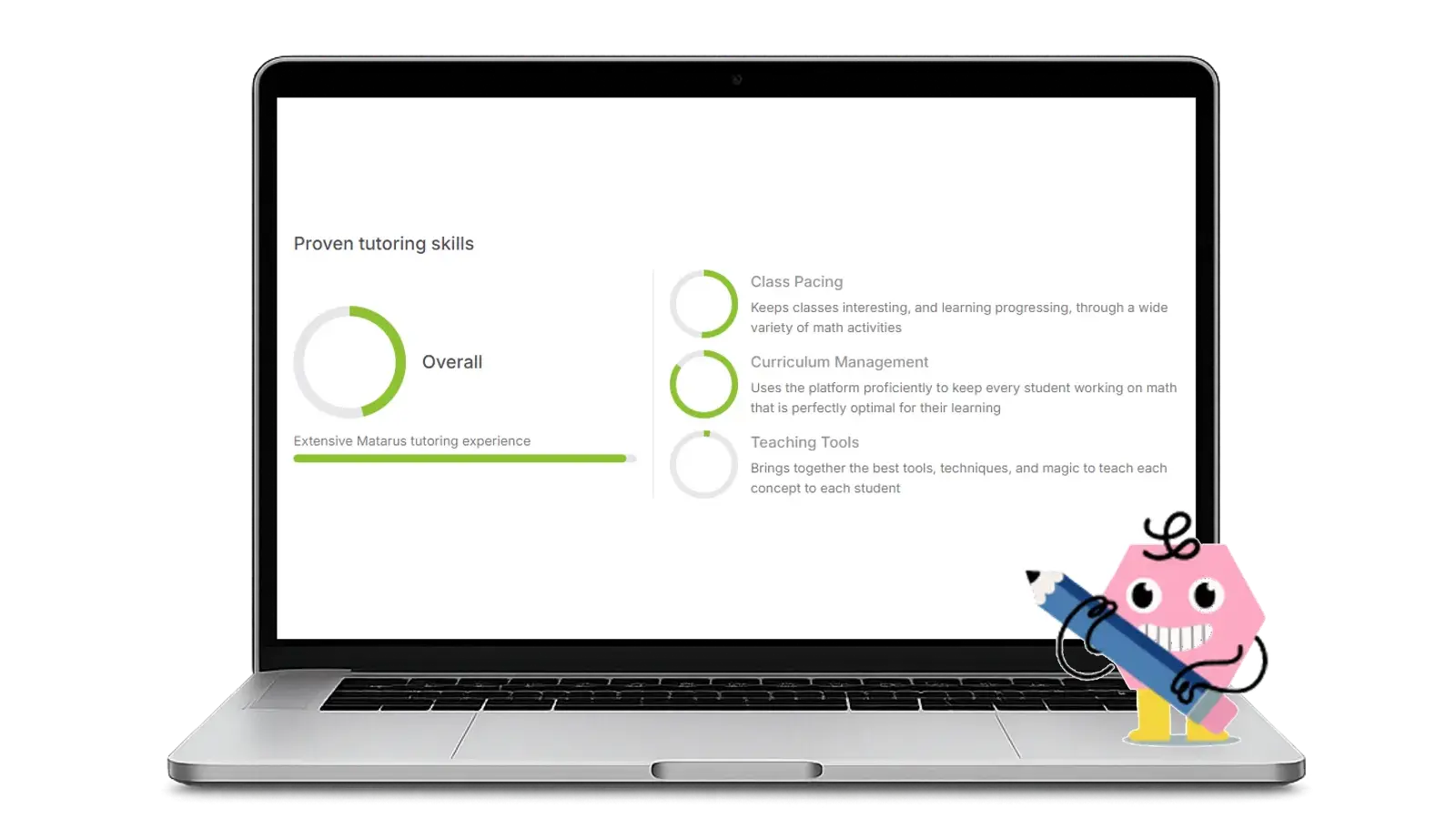
Families want to know what happens in a tutor’s sessions and whether students are making real progress. Completed-session records give you a clear way to review the math each student has practiced, the skills that need more work, and the progress made over time.
That evidence can strengthen the story your public profile tells. Alongside parent feedback, it helps prospective families understand your teaching approach and feel more confident when deciding who to contact.

Every week we see detailed results on what T did and anywhere she struggled. We can work on practice problems right then and there. This is much better than waiting for an end-of-year report card to know how things are going.
Help Families Evaluate Your Work
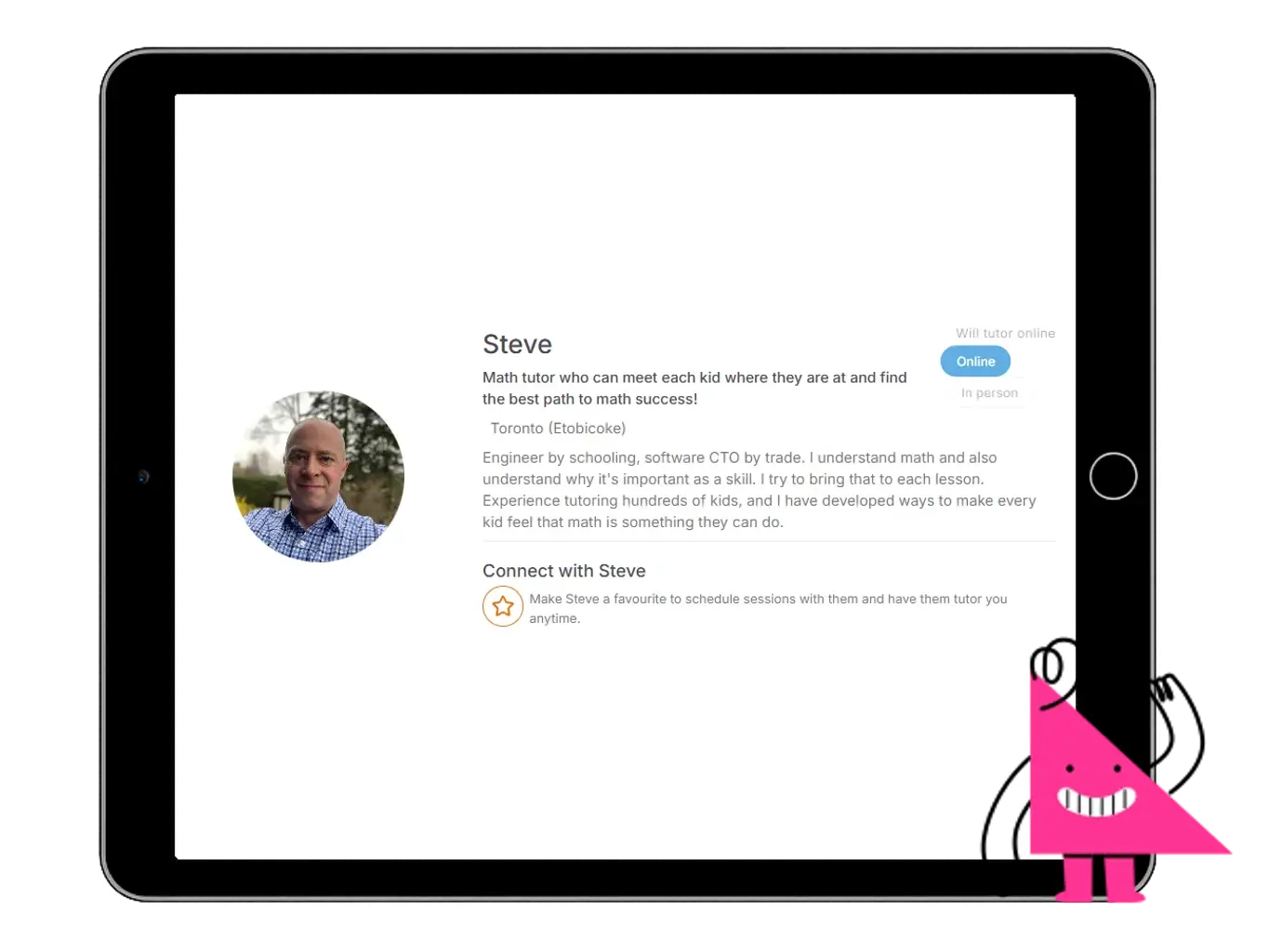
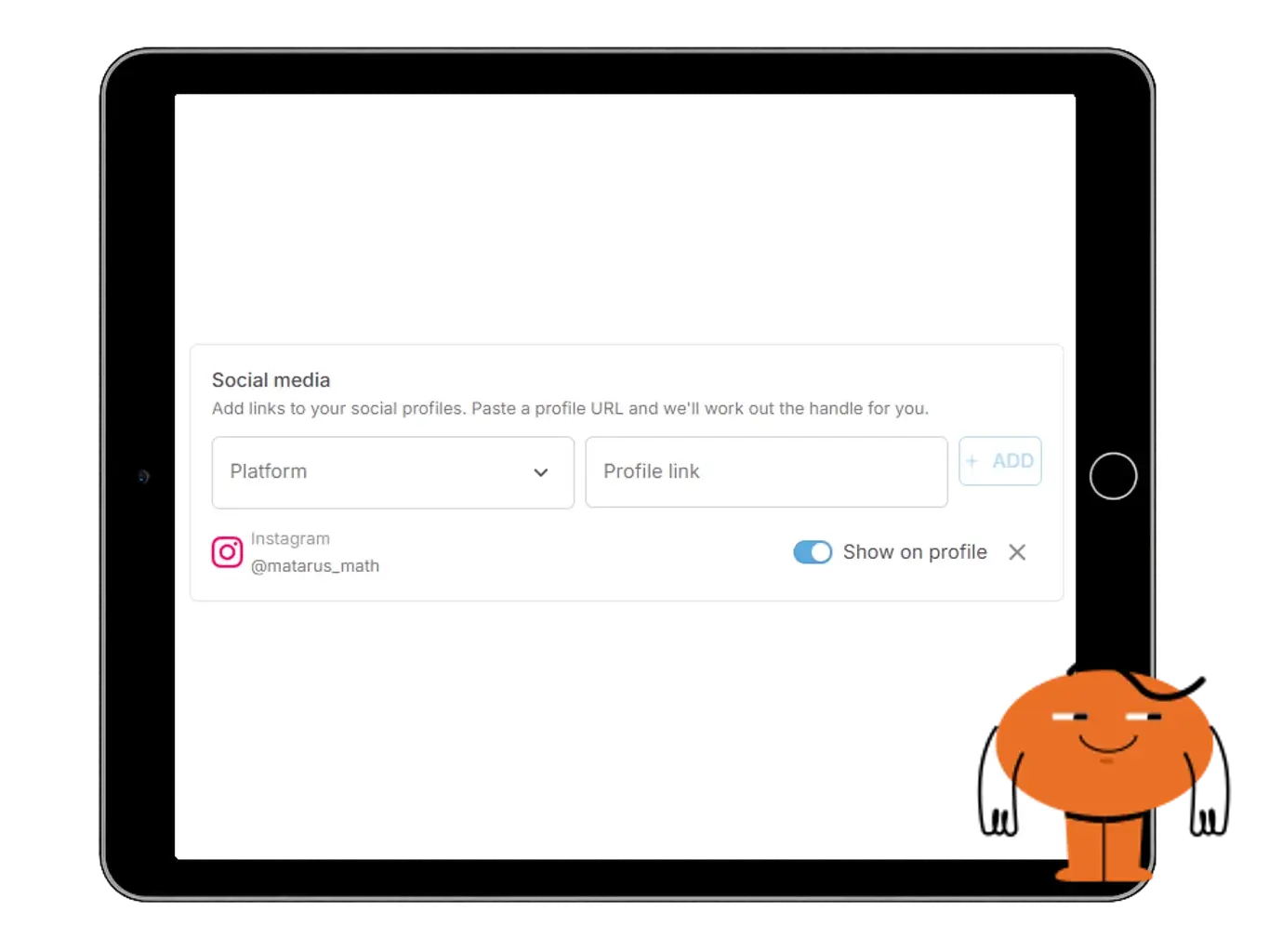
Your Matarus public profile gives families a practical way to learn about your approach and discover your tutoring practice. It can also help families who already know your work stay connected with you.
A clear profile, completed-session history, and parent feedback show more than a list of subjects. Together, they help prospective families evaluate the quality of your work and understand how you support progress in math.

Validation That Sharpens Your Practice
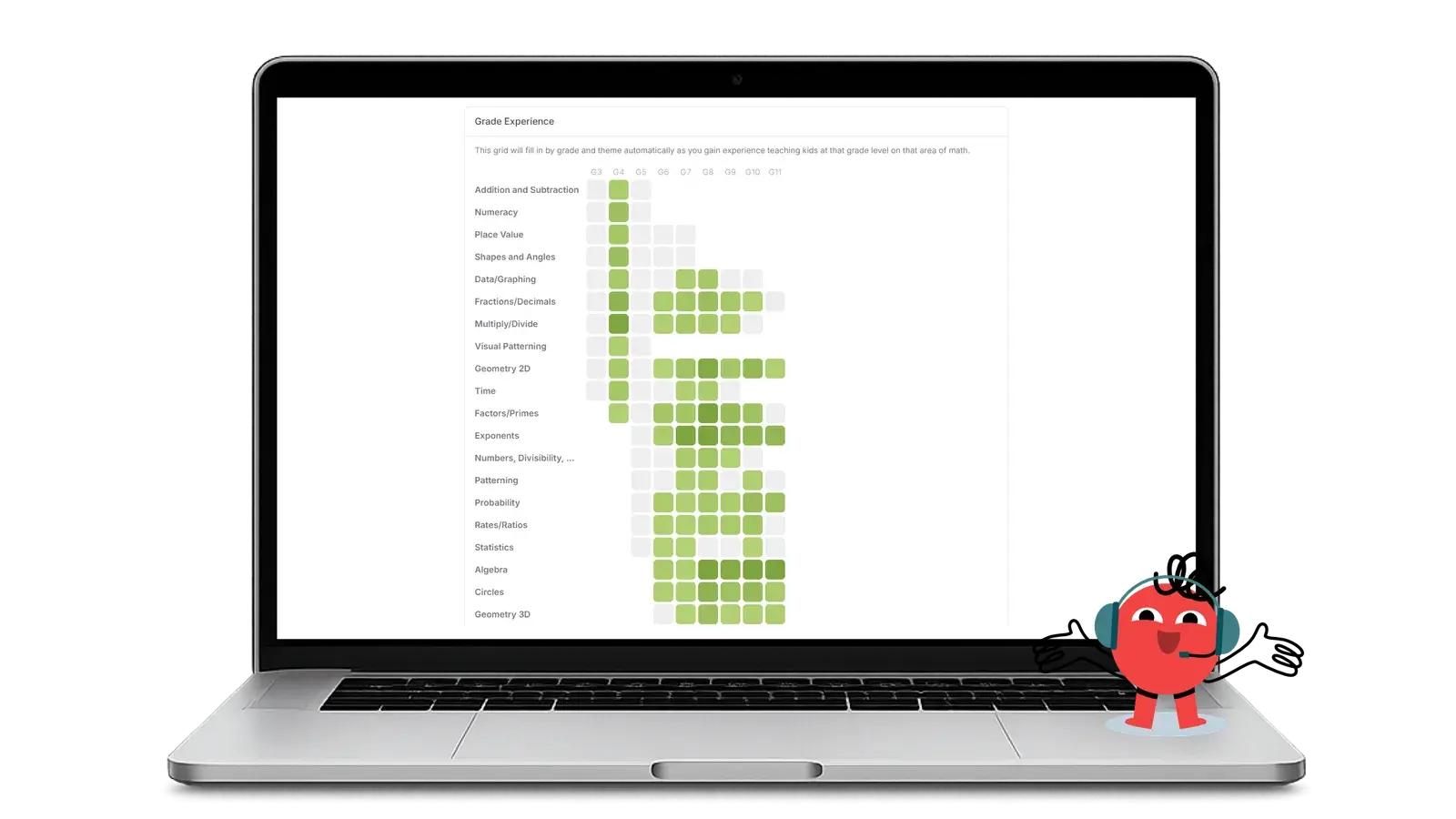
Completed sessions contribute toward validated tutor status across the math topics, student ages, and learning goals you have supported. Over time, that validation helps define the areas where your experience is strongest.
Use that clearer picture to make focused business choices. You might develop a specialty, adjust your rates as your experience grows, or shape your profile around the kinds of students and math work you serve best. Validation gives you a grounded way to decide what to build next.
Planning That Fits Real Weeks
Families get clear reminders, concise progress summaries, and practical next steps after each session. That shared view keeps scheduling, coordination, and follow-through easier to manage when weekly plans change. With fewer updates to organize manually, you can spend more time preparing focused instruction and supporting each student. Consistent communication also helps families stay engaged and makes it easier to build lasting tutoring relationships.

Bring Your Current Students
Bring students you already teach into a more structured Matarus experience without starting those relationships over. A consistent learning record makes each student’s progress easier to follow and gives every session a stronger foundation.
Keeping those records in one place can also reduce administrative friction. You can spend less time reconstructing past work and more time preparing focused instruction that helps current students continue moving forward.
Earn from Referrals
Referral earnings add a second way to benefit from the relationships you build. When a student you refer takes sessions with any Matarus tutor during their first six months, you earn $10.
That amount is separate from your own session income, so referrals can continue contributing value even when another tutor is the best fit for a student’s schedule or needs.
Learn more
Learn how to build every aspect of your tutoring business from setting rates to growing your client list.
 EconomicsLearn about the economics of a tutoring business
 Focus AreasChoose what area of math to focus on as a tutor
 Setting RatesSet your hourly tutoring rate
 MarketingBegin to market your tutoring business online or in your neighborhood
 SalesLearn the art and craft of sales
 Customer service and operationsBuild excellence into your business
 ReputationDevelop your reputation as an excellent tutor