
GRADE 1-3
Start strong
Early curiosity grows when strong math foundations make bigger questions feel reachable.
Use Matarus to build a clearer tutor profile, share it more easily, and give families a simple way to reach out.
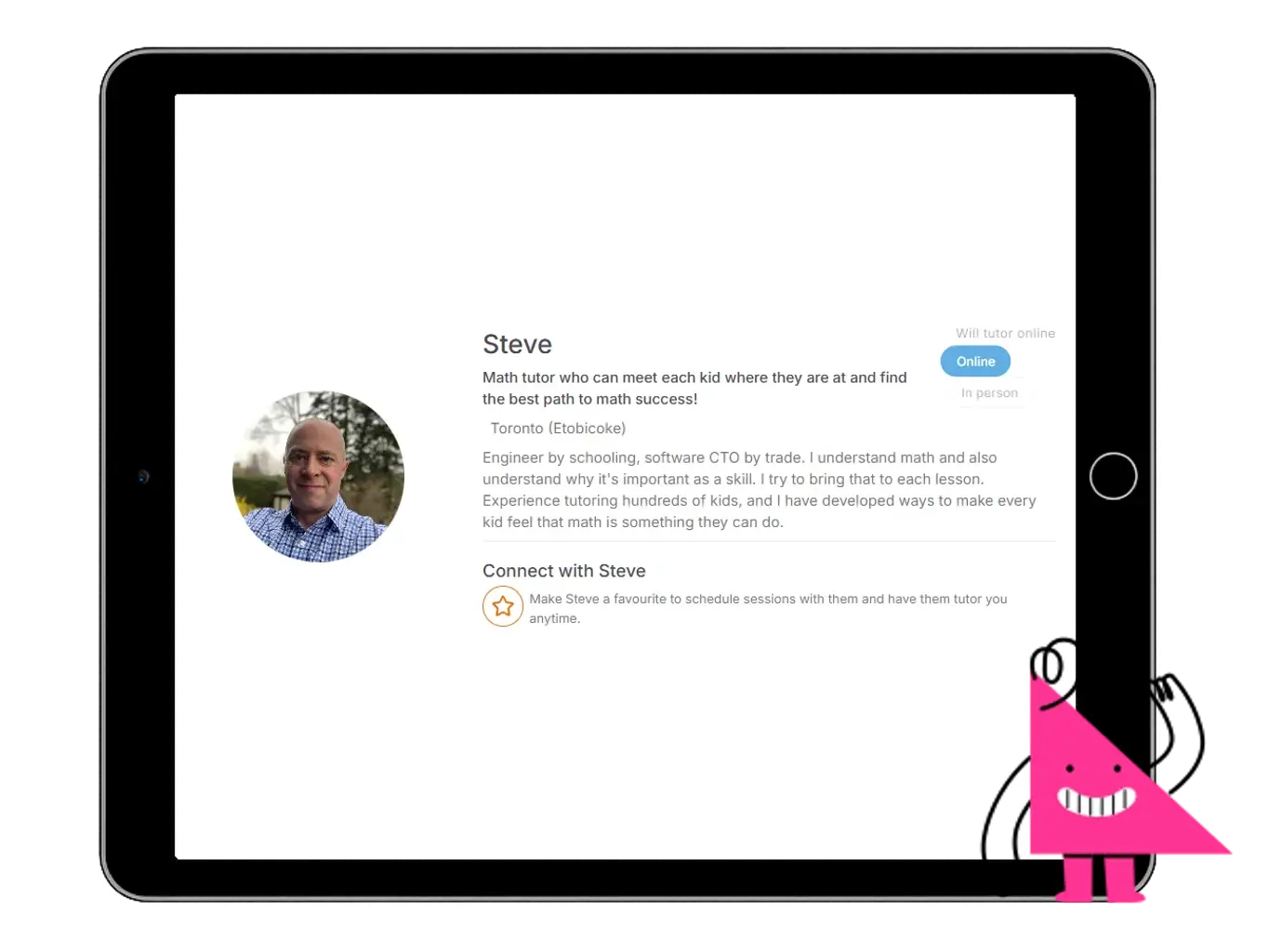
Matarus helps tutors treat marketing as a practical business skill they can build over time. One of the clearest places to start is the tutor profile families will actually read.
A strong profile explains who you are, what kind of math support you offer, and how families can connect. That gives tutors a simple foundation they can keep using in outreach and referrals.
See how a round of local marketing could grow your Matarus tutoring practice. Enter how many pieces you distribute, what each one costs, the share that turns into a new student, and your session rate to estimate the marketing spend, the new weekly revenue it creates, and how many weeks it takes to pay back. The estimate uses your referral-rate economics ($5 fee per student you bring), so the payback figure reflects what you actually keep.
Your tutor profile should anchor the rest of your marketing. It gives families one clear place to understand who you are, what you teach, and how to contact you.
Once that foundation is clear, it becomes easier to share your business in neighborhood groups, direct messages, referrals, and local posts without rewriting your introduction every time.
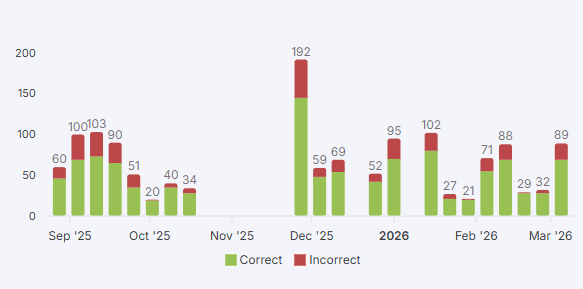
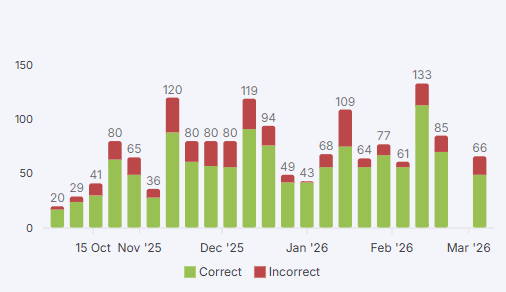
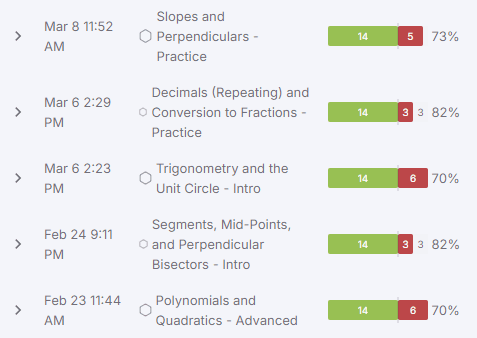
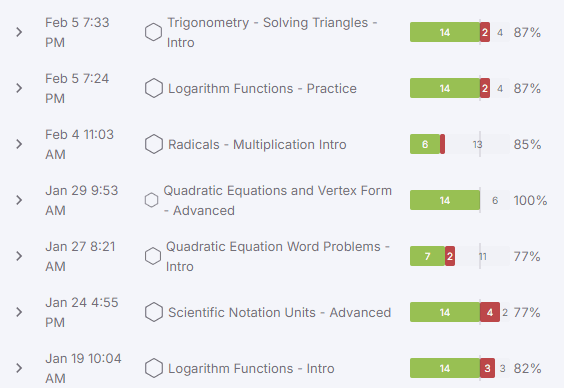
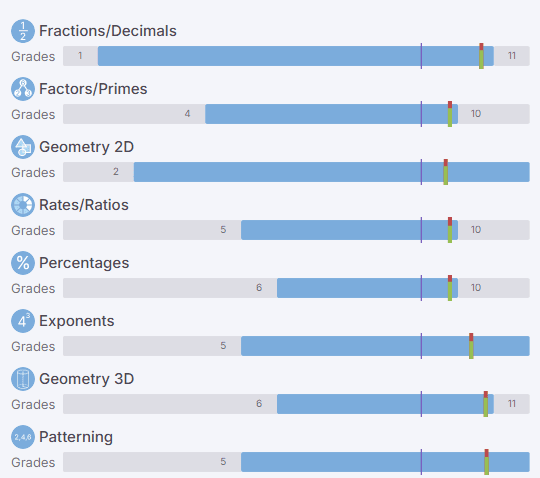
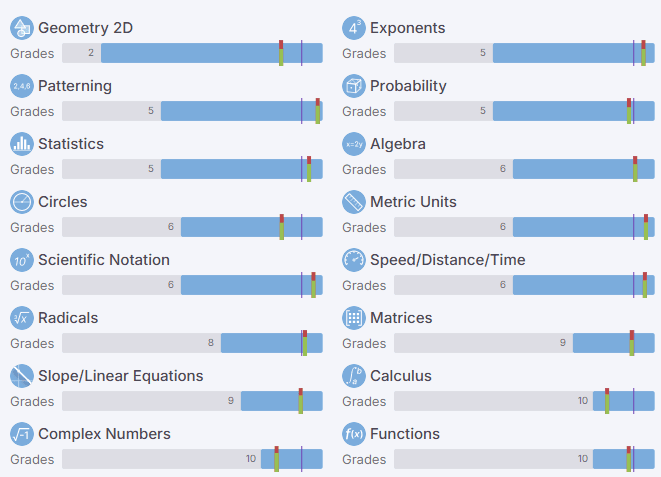
Families receive concise weekly updates that show what improved, where support is still needed, and which next focus area should guide the coming week of learning.
That gives parents practical learning evidence they can understand quickly, so decisions about pacing, reinforcement, and goals stay grounded in what the student is actually showing.
Good marketing is easier when real family experience supports what you say. Parent and student feedback helps new families picture what your tutoring feels like and why it matters.
When your page includes clear proof of confidence, challenge, and progress in math, referrals feel more believable and first-time visitors have a stronger reason to reach out.

Not only did T perform very well on the last math contest, but he gained tremendous confidence in using his math knowledge to solve challenging problems.
Parents often describe the strongest tutoring as both challenging and encouraging.
When students feel stretched in the right way, families notice growing confidence and steadier progress in math.


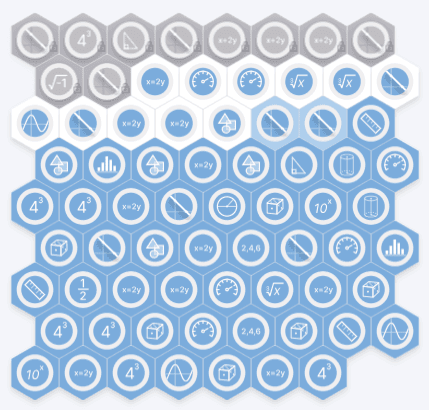
Families often look for more than short-term help. Your marketing can show the bigger path, from early number sense and problem solving to pre-algebra, algebra, advanced high school math, and preparation for college or STEM goals.
When you describe tutoring as a long-range journey, families can better see the value of clear support over time. That gives them a clearer reason to reach out if they want help that grows with their student.
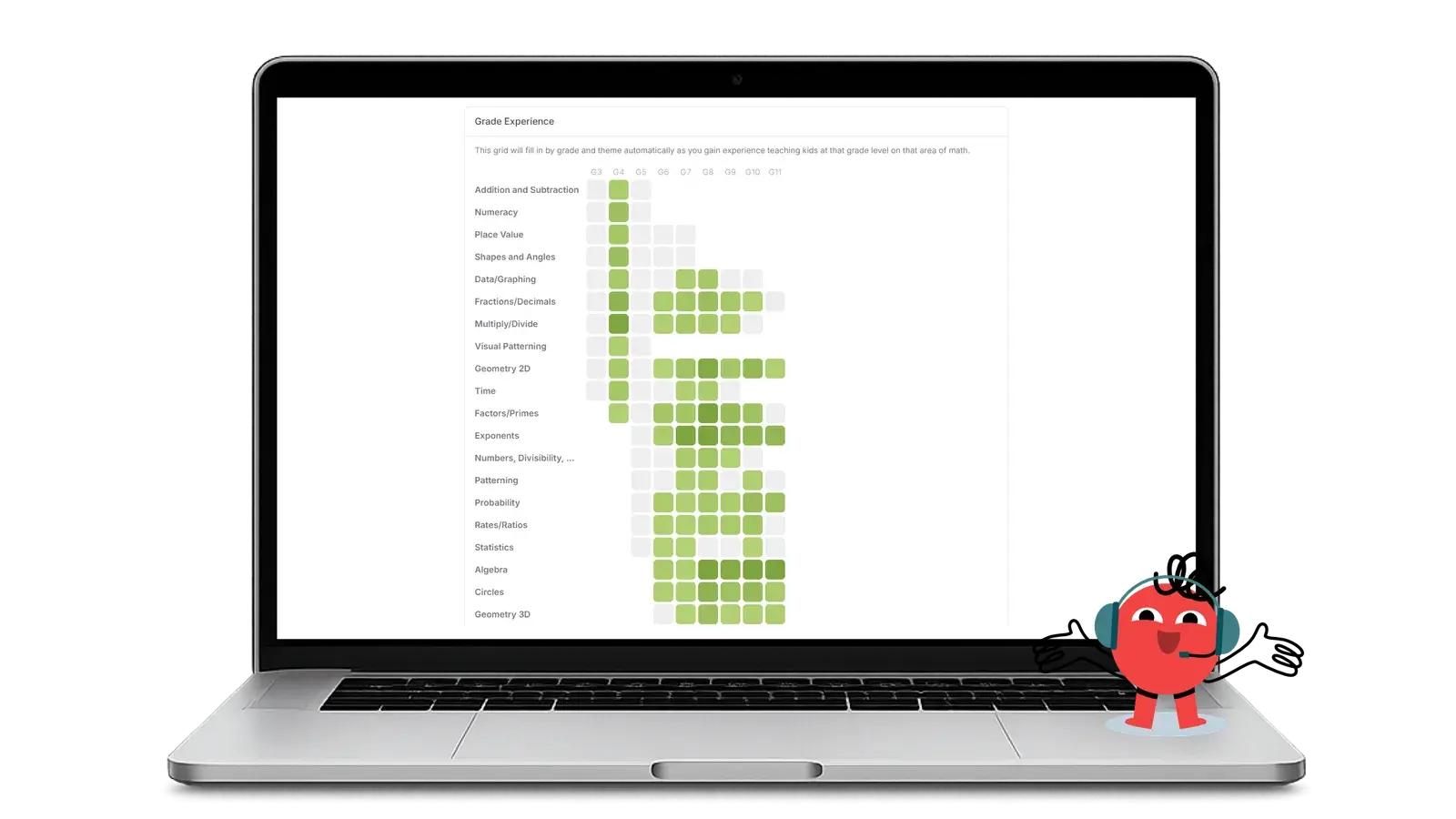
If you support students across a wide age range, organize your profile so families can quickly find themselves in it. Group your offerings by stage, such as elementary foundations, middle school math, high school courses, or contest and advanced work. That makes your range easier to scan and helps families see both the help they need now and where you can keep supporting their student next.

Matarus supports practical marketing you can use offline and online. That can include print-ready materials like posters, door hangers, lawn signs, and business cards, along with simple links families can open right away.
You can pair those materials with QR codes and trackable links to see which outreach is getting real attention. That gives tutors a simple way to test ideas, learn what families respond to, and improve over time.

Use the related Matarus tutor business pages to improve one part of your marketing at a time.
Start with your profile page to sharpen the first impression families get. Then visit the outreach ideas page to find more ways to reach local families. Review the print asset page if you want offline promotion options, and check the tracking page to see which efforts are turning into real interest. Pick one next step and improve it today.
STEM PATHWAYS
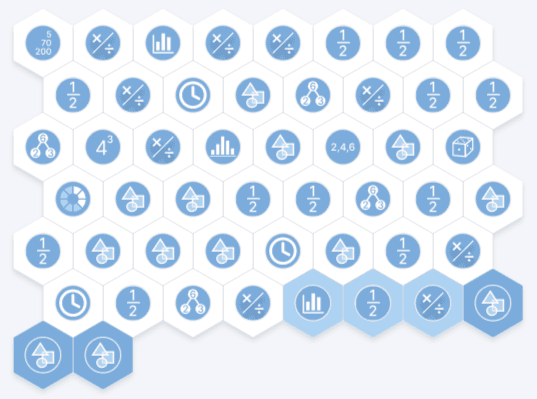
Strong math development can support a longer pathway toward future STEM possibilities for ambitious students.
GRADE 1-3
Early curiosity grows when strong math foundations make bigger questions feel reachable.

GRADE 4-6
Structure, persistence, and problem solving start to build an identity as a budding mathematician.

GRADE 7-9
As success increases, future plans in medicine, engineering, and technology become more ambitious.

GRADE 10-12
Ambitious students look toward competitive STEM programs at top-tier colleges and universities.