Grow Your Tutoring Business
Ownership plus platform support
See how Matarus helps tutors build a real tutoring business with more control than marketplaces, learning centers, or going fully independent.
Own the Relationship
Compared with marketplaces, Matarus helps tutors build their own business with their own clients instead of letting a third party control the core relationship.
That creates stronger ownership economics and gives tutors a clearer path to retention, referrals, and long-term growth.

Control Without the Center Model
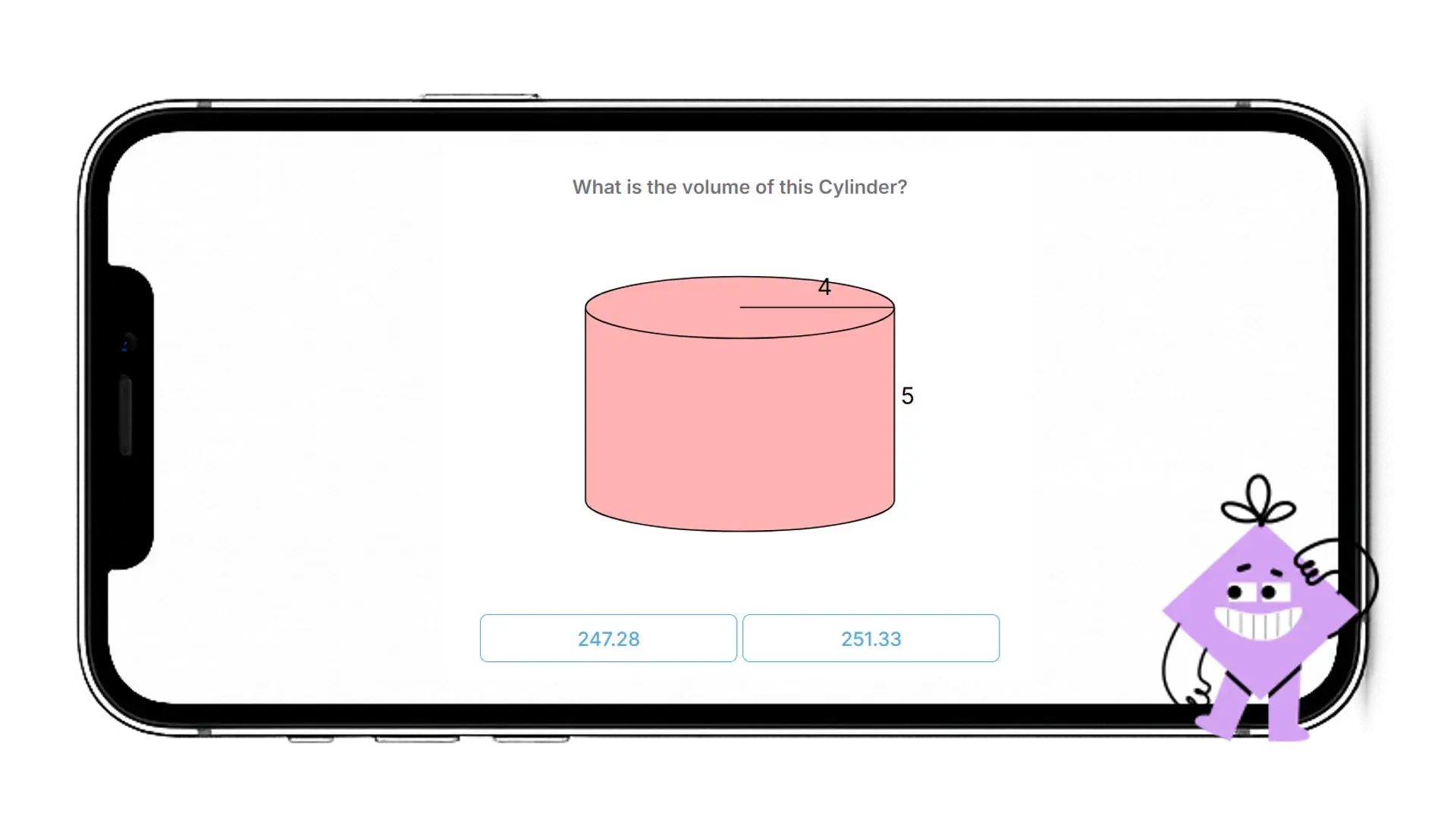
Compared with learning centers, tutors on Matarus control their own rates and schedule while still offering students a modern math experience families can feel good about.
That means more independence in how the business runs, without being boxed into a preset center structure or a one-size-fits-all tutoring format.
Less Admin, More Control
Going fully independent often means spending extra time on marketing, scheduling, billing, curriculum, and prep. Matarus gives tutors platform support for the work around tutoring while they still own the business and client relationship.
That means less time managing scattered tools and more time delivering strong math instruction. Tutors keep control of their business while offering a more structured experience than a fully independent setup can usually support on its own.
Your Clients, Your Growth
Compared with marketplaces, Matarus helps tutors build their own business with their own clients instead of giving up the core relationship to another platform.
That leads to stronger ownership economics and gives tutors more room to grow through retention, referrals, and trust they have earned directly.

Better Support, More Control
Matarus combines business ownership with platform support, so tutors do not have to choose between control and a stronger student experience. Compared with marketplaces, tutors keep their own client relationships. Compared with learning centers, they keep control of rates and schedule while using modern math activities students enjoy.


Loved by parents and students alike
Teach Beyond Homework Help
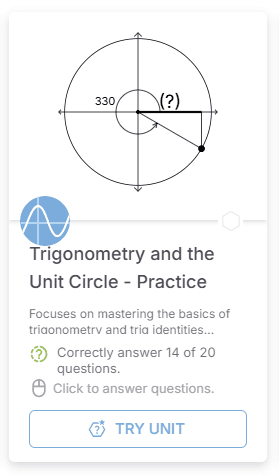
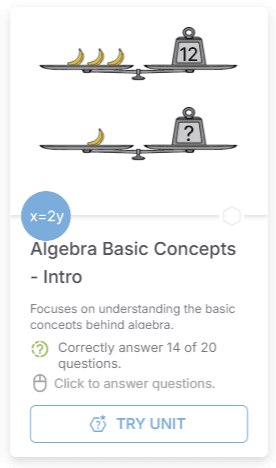
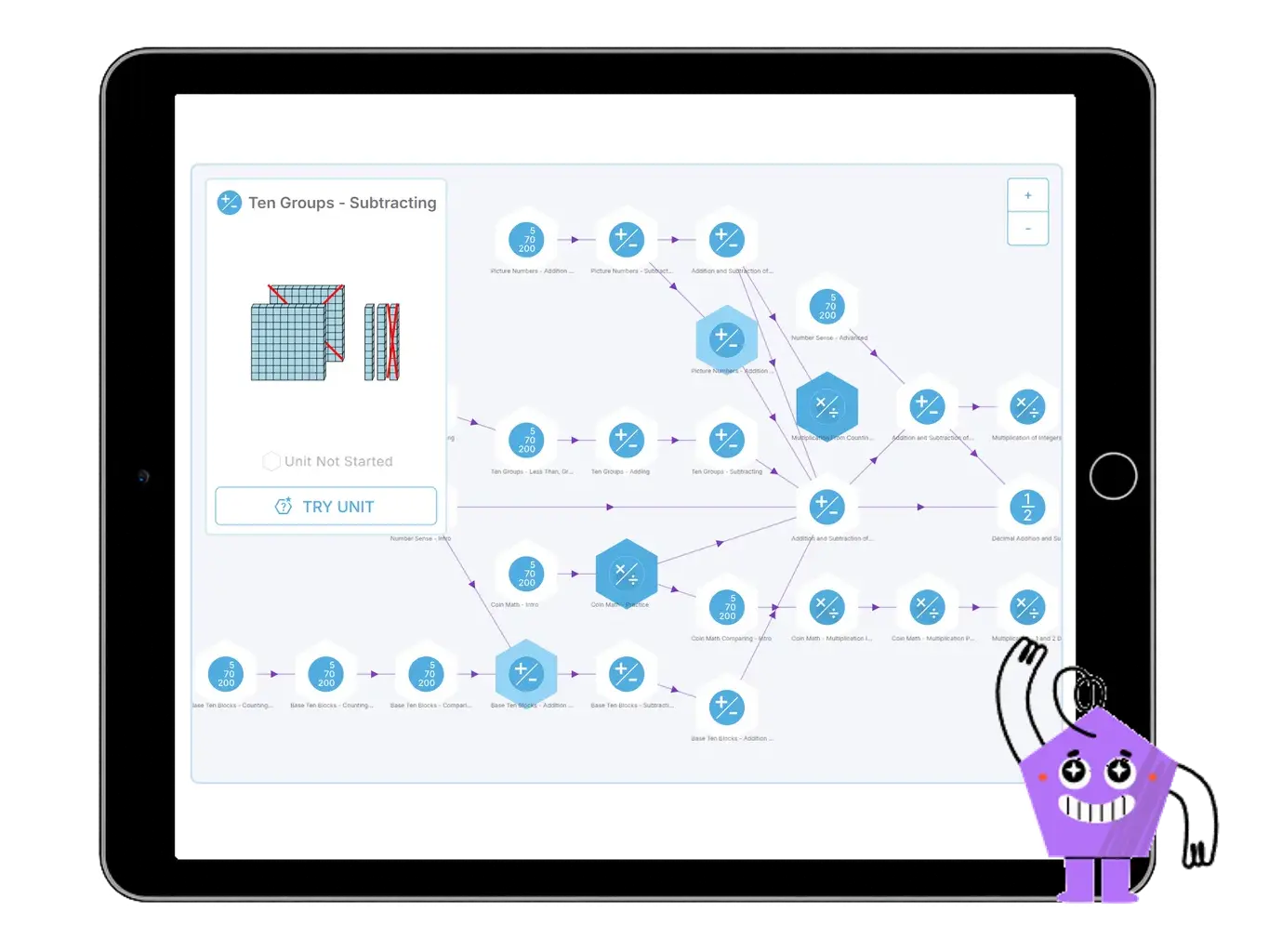
Matarus helps tutors do more than react to the next worksheet or assignment. The platform supports richer math work that can challenge ambitious students and build deeper understanding over time.
That gives tutors a clearer academic edge than a fully independent setup built around ad hoc prep, and it helps families see that sessions are about lasting growth, not just tonight's work.
Visible Weekly Progress
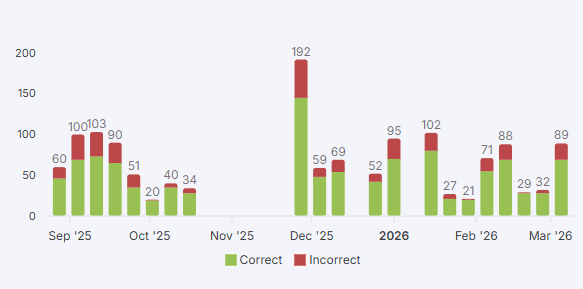
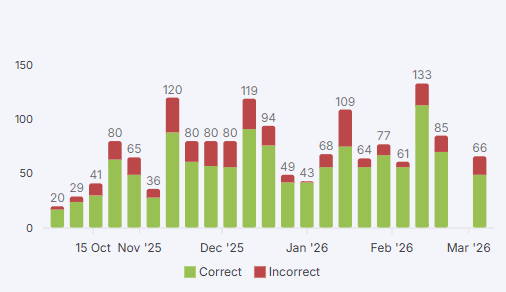
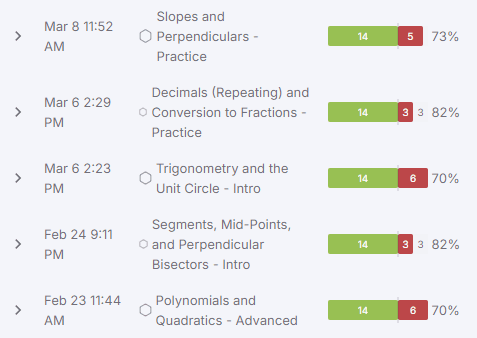
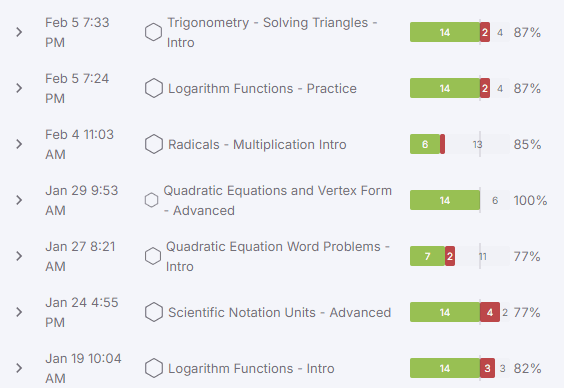
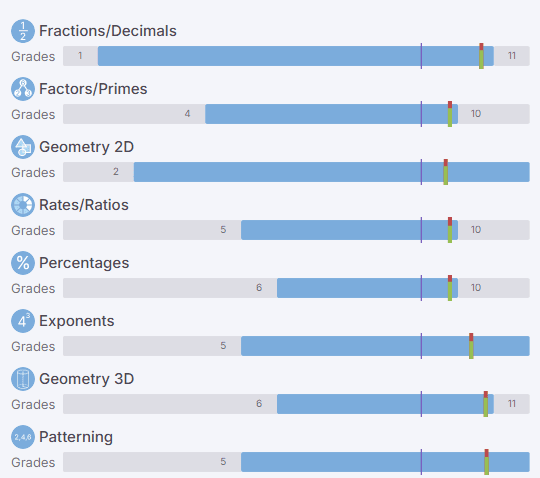
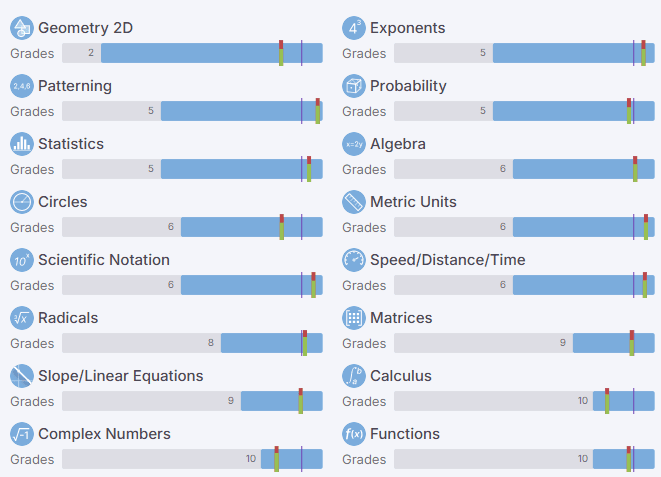
Families receive concise weekly updates that show what improved, where support is still needed, and which next focus area should guide the coming week of learning.
That gives parents practical learning evidence they can understand quickly, so decisions about pacing, reinforcement, and goals stay grounded in what the student is actually showing.