Scheduling and Availability
A practical guide for tutors
Set your availability clearly, communicate changes early, and protect family trust every time a class is booked.
You Set Your Schedule
Matarus tutors control their own availability, so it is important to post times you can consistently honor. A smaller schedule you can keep is better than offering hours that often need to change.
When families see dependable open times, booking feels simple and predictable. That consistency helps recurring classes run smoothly and gives parents confidence in what to expect.

Keep Families Informed
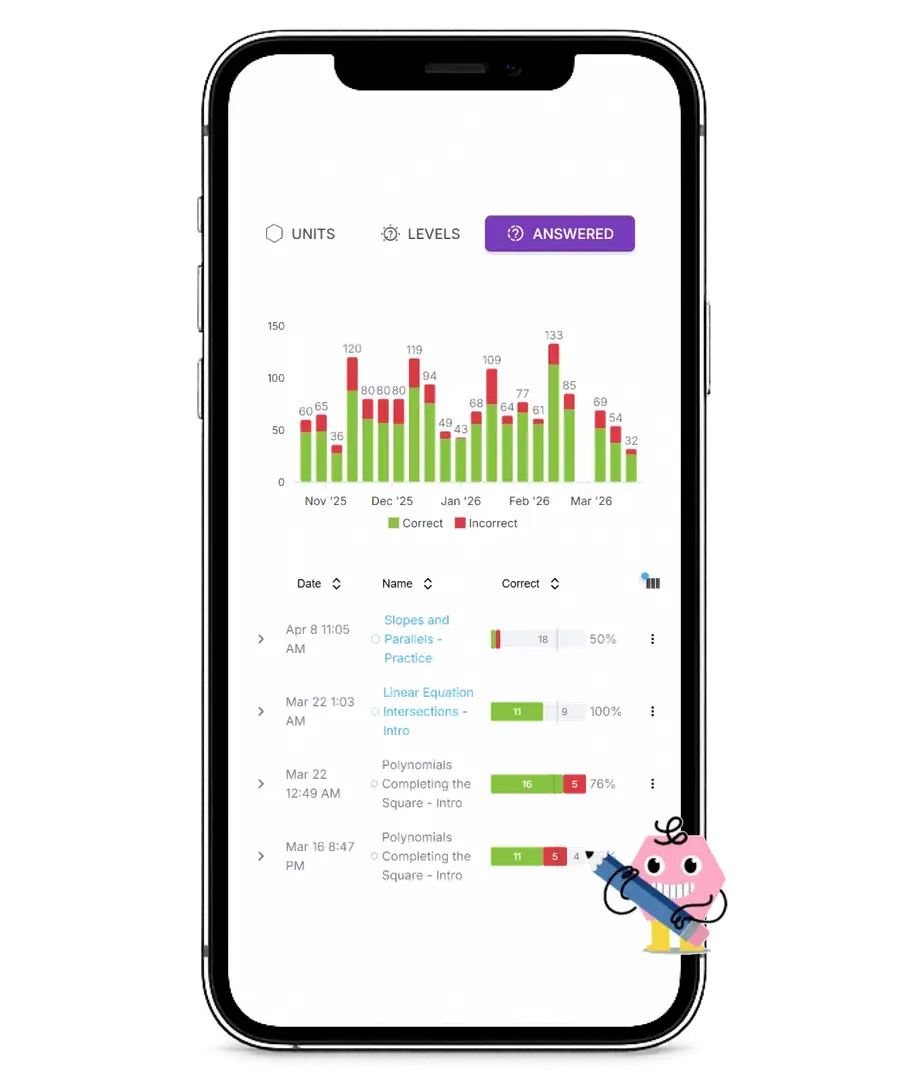
Tutors control their schedule, but families still need advance notice when availability shifts. Updating your calendar early gives parents time to choose a different class time or adjust plans without last-minute confusion.
That habit keeps scheduling clear, reduces avoidable back-and-forth, and shows families they can rely on your communication as well as your teaching.
Recurring Classes Families Can Control
Families can view recurring class options, choose a schedule that fits real weeks, and keep planning simple without losing flexibility.
| Mon | Tue | Wed | Thu | Fri |
|---|---|---|---|---|
5:00 PM 7:00 PM 8:00 PM | 5:00 PM 7:00 PM 8:00 PM | 5:00 PM 7:00 PM 8:00 PM | 5:00 PM 7:00 PM 8:00 PM | 5:00 PM 7:00 PM 8:00 PM |
Visible Weekly Progress
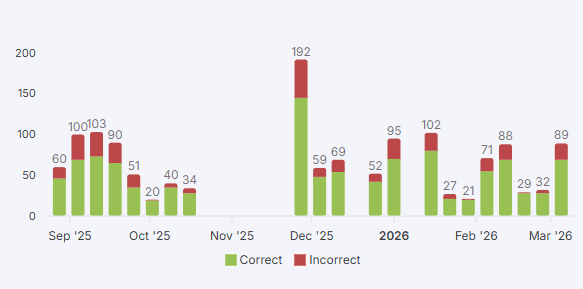
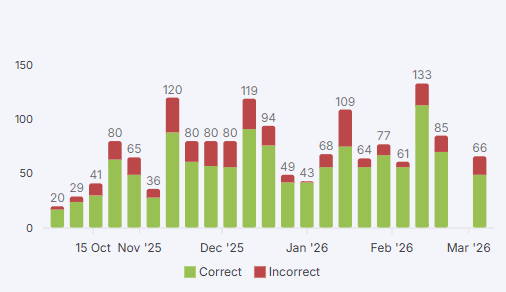
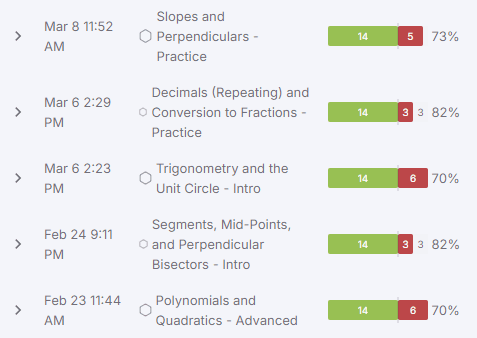
Families receive concise weekly updates that show what improved, where support is still needed, and which next focus area should guide the coming week of learning.
That gives parents practical learning evidence they can understand quickly, so decisions about pacing, reinforcement, and goals stay grounded in what the student is actually showing.







Reliable Teaching on the Go
Online sessions make it possible to teach from different locations, but reliability still matters every time a class begins.
If you will be away from your usual setup, make sure your internet, audio, and workspace are ready before you open time on your calendar. Families should feel the same steady experience whether you are teaching from home or somewhere else.
Flexible, Clearly Shared
Online tutoring gives you freedom to teach from different places, as long as your setup is reliable and your schedule is clearly posted.
That flexibility works best when families are not surprised. Keep your availability updated and communicate changes early so parents know what to expect before the next class.


Coverage When You're Away
Sometimes you need time away. When that happens, early communication matters most.
Let families know as soon as you can. In some cases, another tutor may cover the class, which helps preserve continuity for the student while keeping the family informed about what to expect next.
Habits That Build Trust
Families feel more confident when your schedule is steady and realistic. Small habits like leaving buffer time and checking your calendar regularly can prevent avoidable disruptions.
Over time, dependable planning supports stronger relationships with families and makes recurring classes easier to sustain.