Focused Math Practice at Lunch
A simple block for steady progress
Give students a structured lunchtime math block that builds fluency, confidence, and visible progress while strengthening your school’s reputation for STEM excellence.

Achievement
for every child



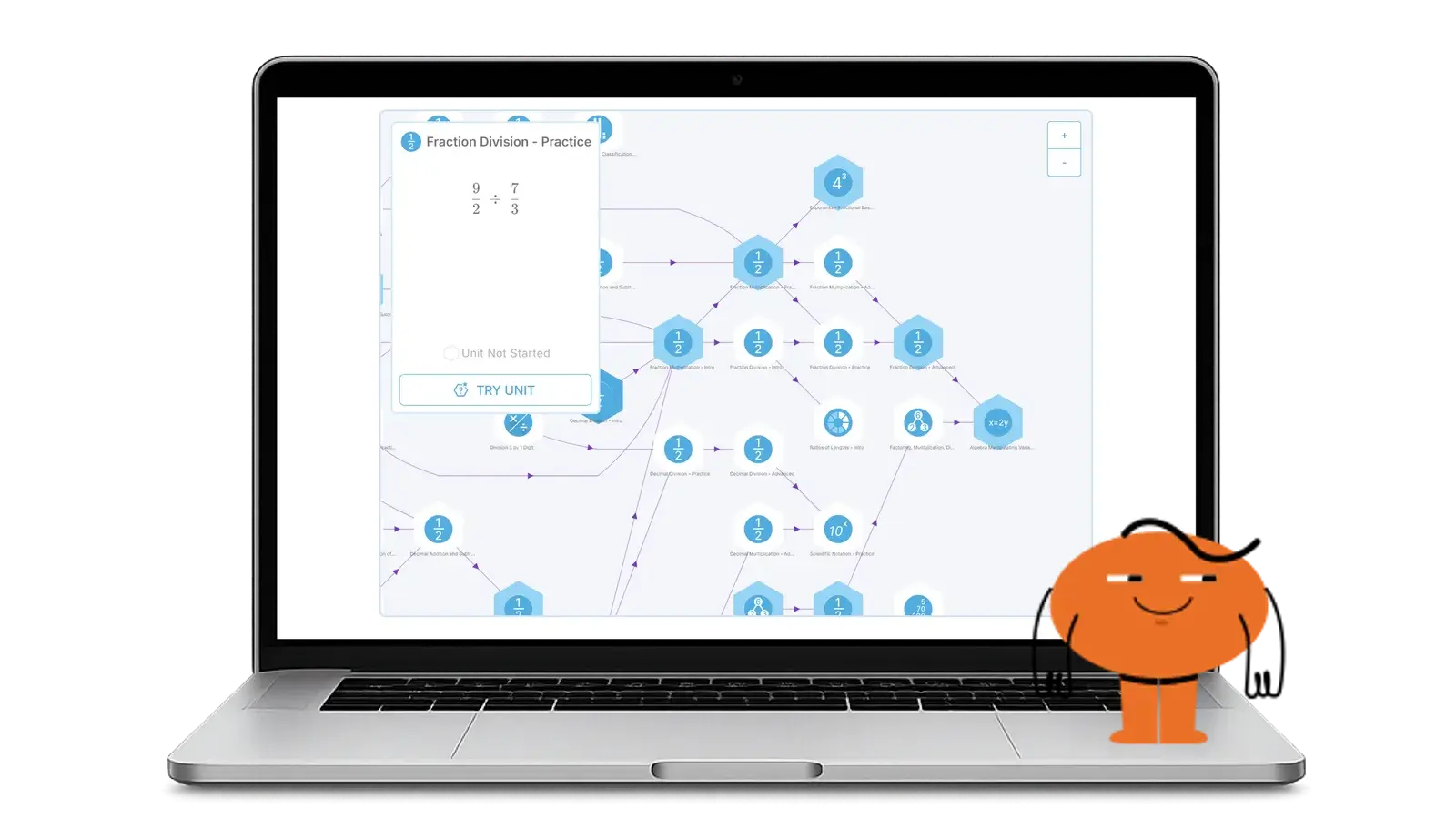
Each student follows work that matches their current readiness, pace, and confidence, even inside a shared tutoring group.
The platform keeps every child on a path that fits them, while the tutor guides pacing and steps in exactly where an individual learner needs support to keep moving forward.
That keeps the experience personal and makes the small-group format feel meaningfully different for every child, instead of one identical lesson delivered to the whole group.





Set the Schedule
Choose lunch blocks and a session frequency that fit your school day and give students a dependable practice routine. Even short, recurring sessions can create useful time for focused math work when the format is simple to supervise.
Schools can begin with one block and adjust the rhythm as participation and staffing become clear.
Assign Supervisors

Assign teachers or support staff to supervise the group without requiring them to plan a separate math lesson. Matarus provides the adaptive work, explanations, and solutions, so the adult can focus on helping students settle in, stay engaged, and use the lunch block well.
This keeps the program workable even when staff do not have deep math specialization.
Manage Enrollment
Enroll students and manage additions or removals locally so the group fits your school’s needs and capacity. Schools decide which students join, how families hear about the opportunity, and when the roster changes.
Clear local ownership helps schools connect practice with student support plans while giving families a dependable way to see students build confidence and make progress over time.

Prepare Devices
Make sure each student has a laptop or Chromebook for individual adaptive work during the session. With devices ready, students can spend the block solving problems at their own level instead of sharing one generic worksheet.
A simple preparation step also helps the supervising adult start and finish the session on time.
Set Focus Areas
Use classroom feedback or in-session diagnostics to set the skills and topics each student should practice next. When teachers can share current challenge areas, lunch-time practice reinforces the work happening in class.
When it runs independently, diagnostics still give the group a practical starting point instead of asking students to choose topics at random.

Run Adaptive Practice
Run the session while each student completes individual math work that adapts to their current readiness. Students in the same room can work at different levels without being split into separate groups, so the program supports mixed ages and mixed confidence levels.
The shared routine remains calm and practical while every learner receives work that is neither too easy nor overwhelming.

Learn From Solutions
Use built-in explanations and solutions to reinforce method understanding when students make mistakes or reach a new challenge. Students can see why an approach works rather than simply learning whether an answer is correct.
That feedback turns extra practice into a stronger opportunity to build fluency, confidence, and durable habits.

Track Progress

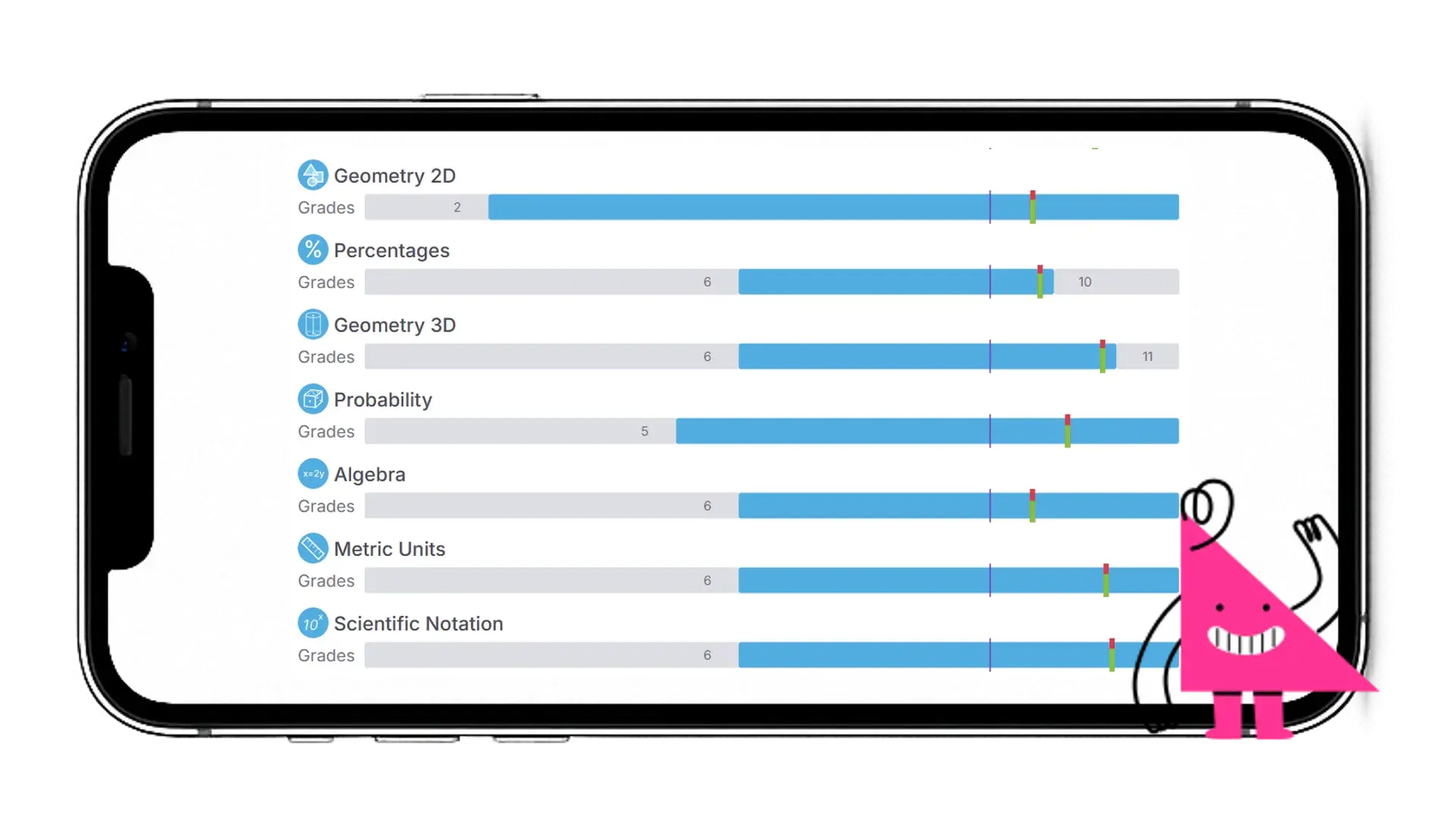
Track movement through levels and units over time so students and staff can see sustained practice taking effect. Progress information helps the school understand participation and growth patterns, while students gain a clearer sense of the skills they are building.
The routine becomes more motivating when effort is connected to visible next steps.
Adjust Priorities
Adjust focus areas with classroom teachers as priorities change so lunch-time practice stays useful throughout the school year. A new classroom unit, a recurring challenge pattern, or a change in student readiness can all inform what comes next.
This keeps the extra practice complementary to class instruction instead of becoming a disconnected parallel activity.