Small Group
Math excellence through small group learning.
- Accessible price point
- Math excellence
Explore small group

Meet tutors who combine strong math knowledge with practical coaching that keeps students engaged, challenged, and supported.
Matarus tutors are selected for strong math knowledge and the ability to make challenging ideas clear, encourage honest effort, and keep students engaged in meaningful work. Matarus supports consistency by giving tutors shared teaching expectations and using student work and learning signals to keep instruction grounded in real responses.
Those standards apply across formats without making every session identical. In small-group tutoring, the tutor manages a shared live conversation while each student receives an appropriate challenge. In private math tutoring, the same focus on clear explanations, active thinking, and steady progress supports closer attention to one student's goals.

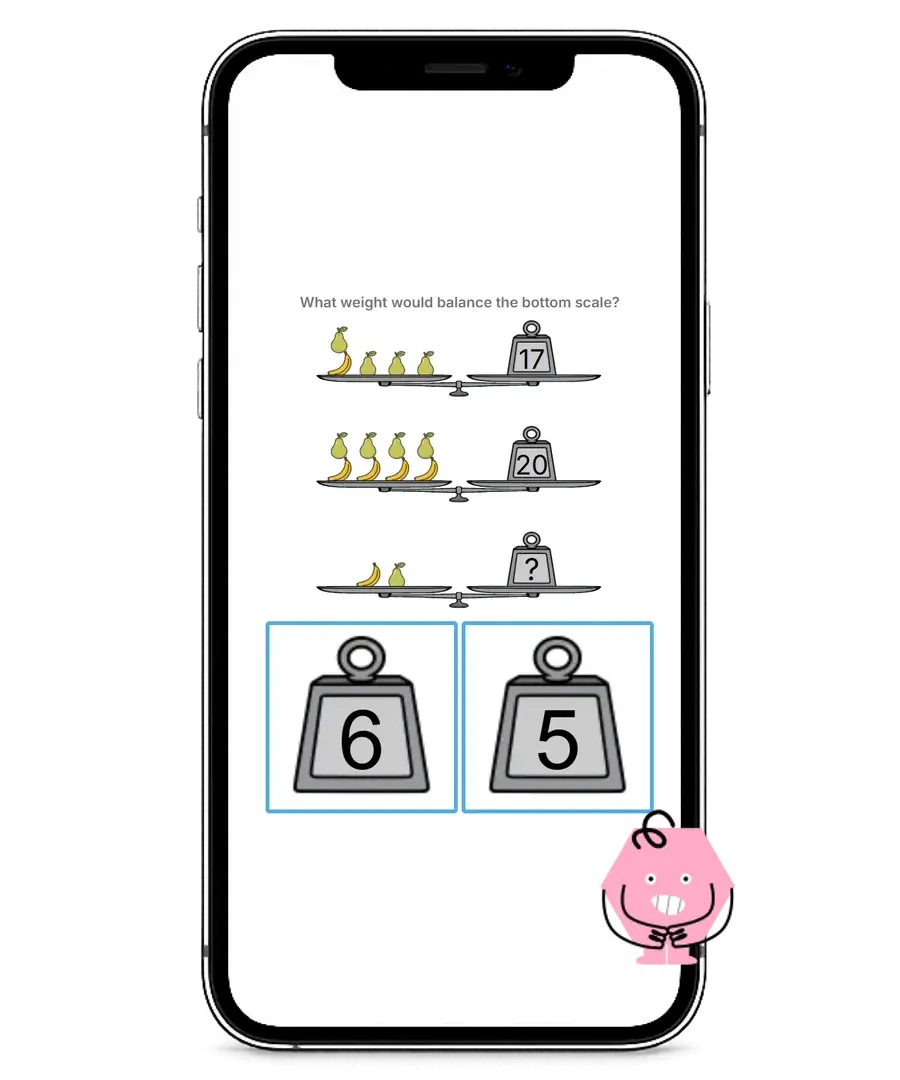
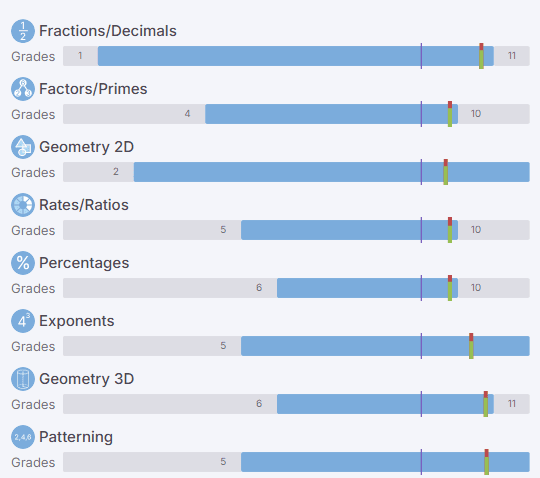
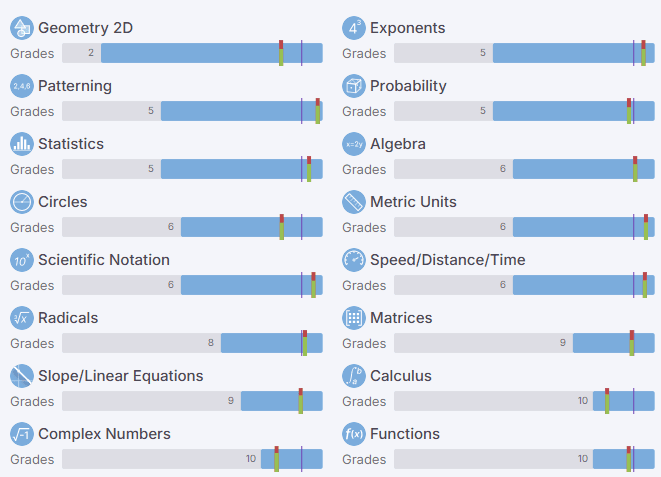
When a student gets stuck, the tutor uses Matarus learning signals to check whether the prerequisite skills behind the question are secure. This helps the tutor give clear explanations and encouragement that feels credible and motivating to the student.
The platform shapes the sequence of practice and advances difficulty as the student is ready. The tutor notices struggle, guides the student through each stage, and helps them keep moving as harder math becomes a supported progression.
Small-group tutoring gives students an accessible way to learn with Matarus, a tutor, and peers while still receiving clear guidance and meaningful challenge. It suits families looking for focused math growth in a shared setting.
Private math tutoring provides sustained one-to-one attention when a student needs detailed focus on current classwork or immediate school demands. Session times are arranged directly with the tutor, so the format can flex around the family calendar.

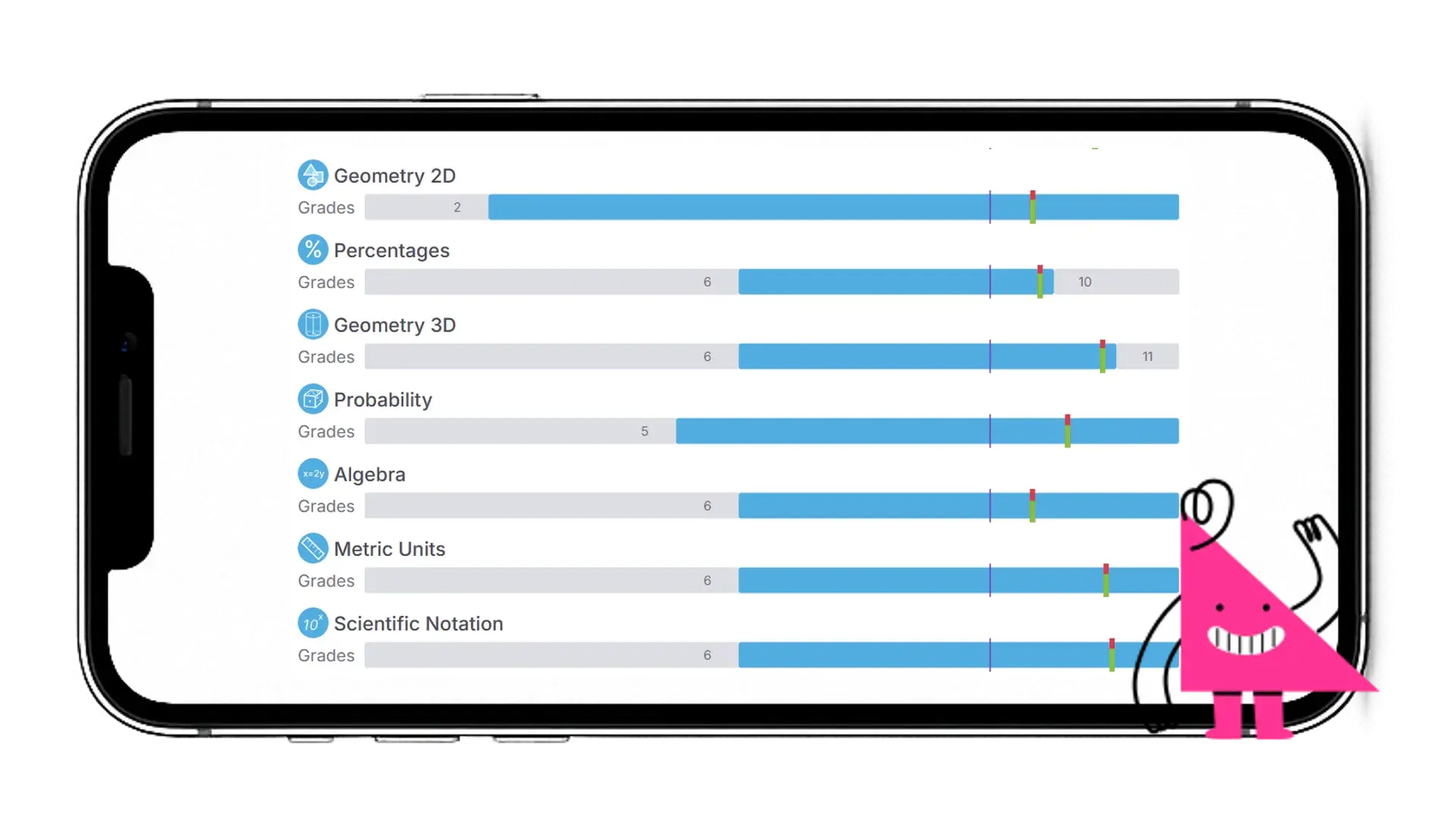
Families value tutoring that helps a student understand the path forward, not just finish one difficult problem. Clear teaching can make math feel more manageable and rewarding.
Over time, students notice that they can take on challenging questions with greater confidence. That growing independence is one of the clearest signs that the right support is making a difference.
The Matarus competition math sessions were challenging, but fun. They helped me understand how to break down problems into parts that were solvable.
Families appreciate when difficult math begins to feel approachable instead of overwhelming. Clear explanations and steady guidance help students recognize their own progress.
Students also notice that challenging problems become easier to enter and work through. With the right support, they can build confidence in math and carry that confidence back to school.

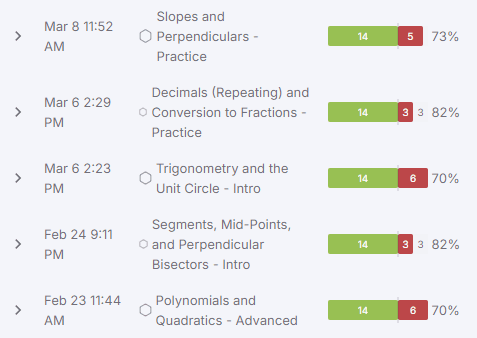
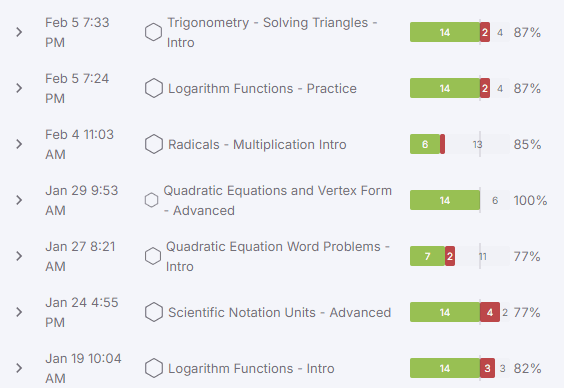
Weekly updates can identify skills the student has mastered, misconceptions that still appear, and work completed during the week. They can also include the tutor's recommendation for the next practice target or a useful change in focus.
These concrete details help parents judge whether instruction is responding to the student's needs. Instead of relying on a general impression, families can follow what the student is learning and how the tutor is adjusting the path forward.
Start with the signals that matter most for your child: age and math experience, the level of challenge they need, and whether they are likely to thrive in a shared or private format. Tutor profiles can help you compare how each person explains ideas, encourages participation, and supports students through uncertainty.
Then use the evaluation call to test that first impression against your child's current level and goals. The conversation helps clarify the right format, the kind of guidance your child needs, and which tutor relationship is most likely to support steady progress.
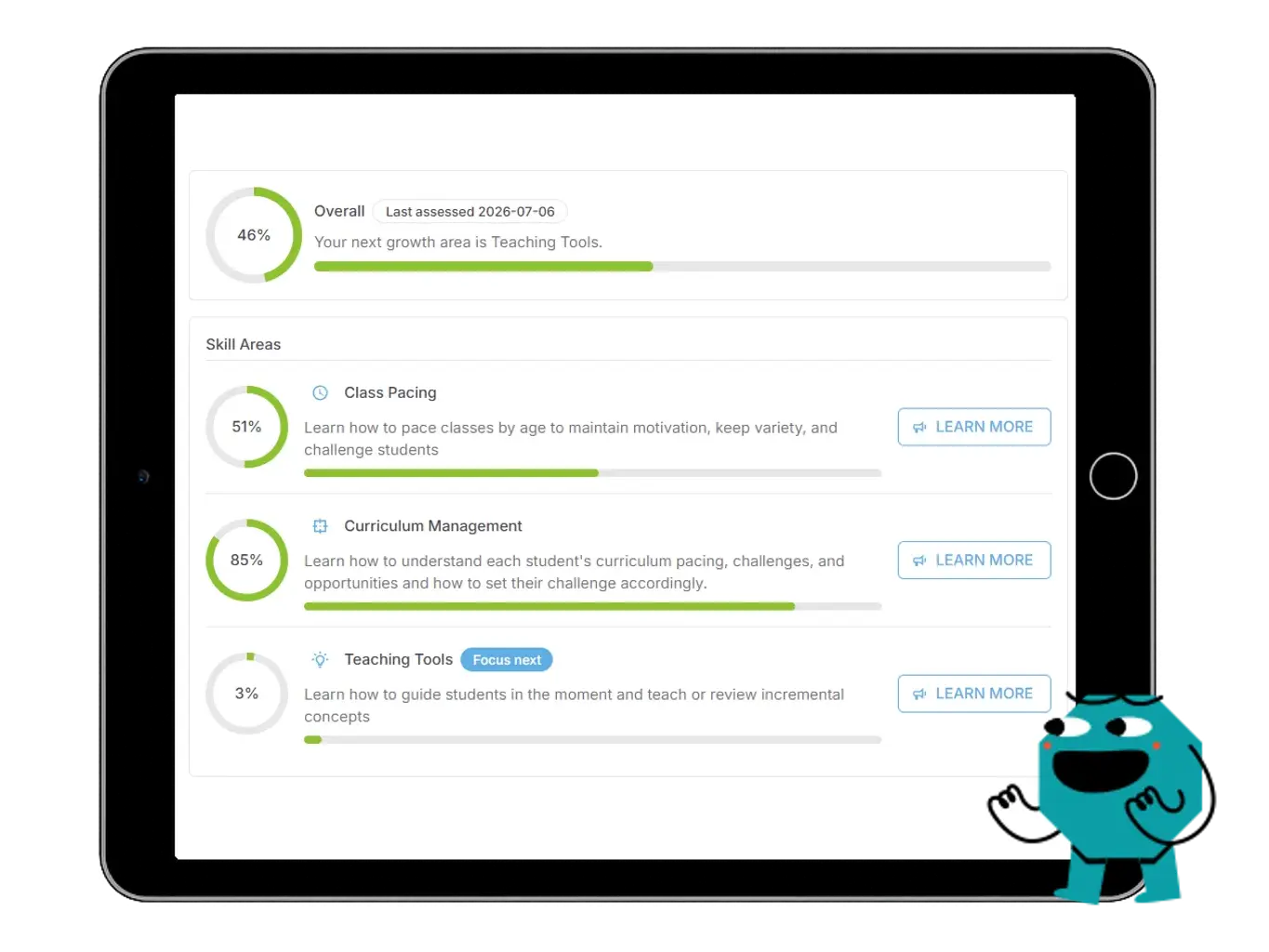
Book a short evaluation call to review your child's current level, goals, and the best tutoring format for steady progress.