Stronger Thinking
Why math matters in AI
Use this guide to explain how math builds reasoning, logic, and the habit of checking whether an answer is actually true.
How Matarus Tutors Teach
A Matarus tutor keeps the session active by asking the student to explain each step, defend a choice, and revise shaky reasoning out loud. The goal is not just to reach an answer, but to understand why it works.
That matters when polished answers are easy to get. Students still need practice thinking through a problem, checking the logic, and noticing when something sounds confident but does not hold up.
Why Math Matters Now
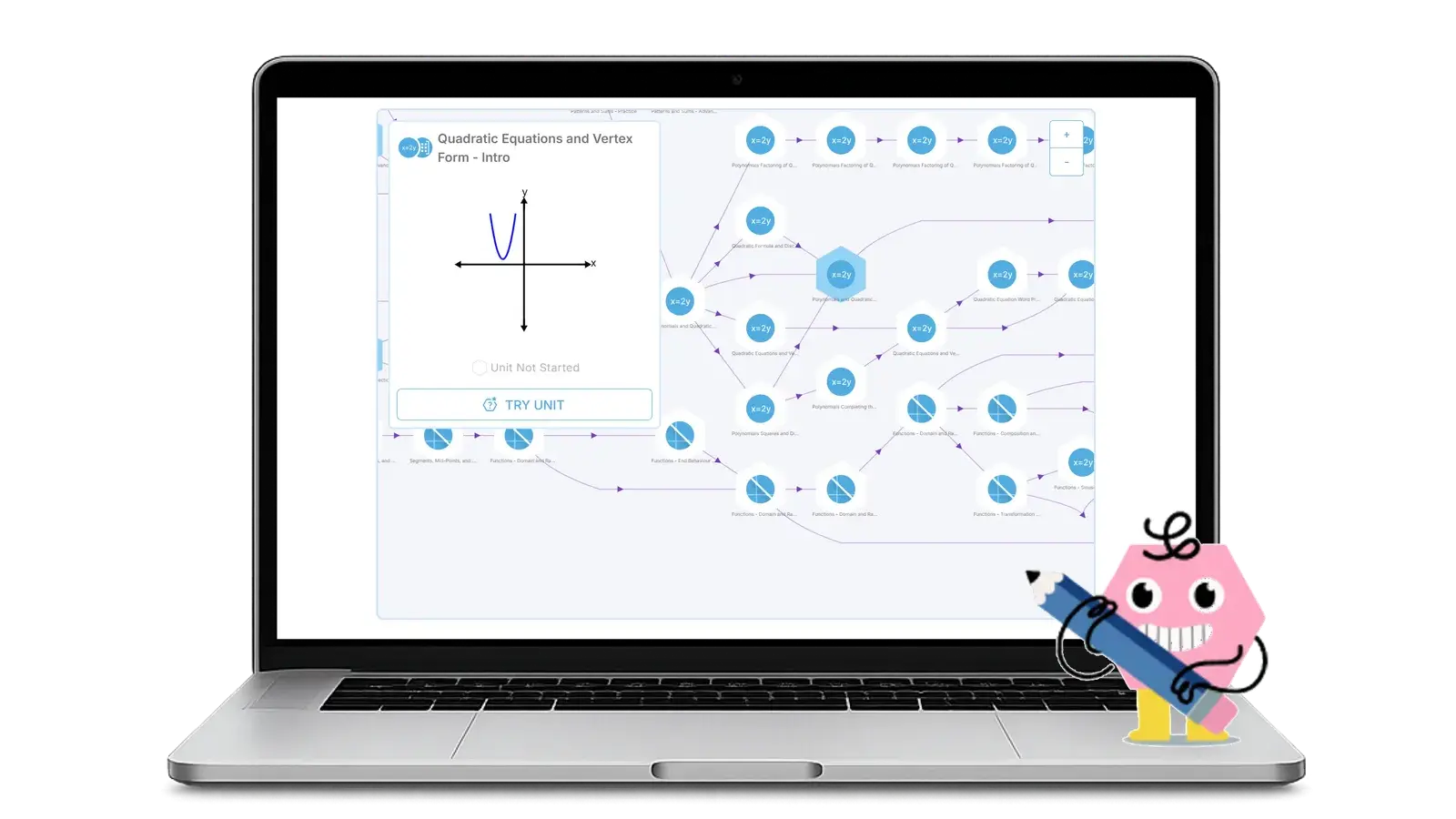
In an AI-driven world, quick answers are easier to get than ever. What becomes more valuable is knowing how to reason through a question, use logic, and decide whether a conclusion is actually sound.
Math gives students repeated practice with that habit. Instead of trusting the first answer that appears, they learn to follow the reasoning and check whether it truly works.
Skills That Last
Students may use fewer direct procedural math skills in some future work, but the critical-thinking habits they build through math still carry forward.
They will keep using judgment, logic, and the ability to reason through a problem carefully. That makes math a practical way to build durable skills for the years ahead.
What Families Notice
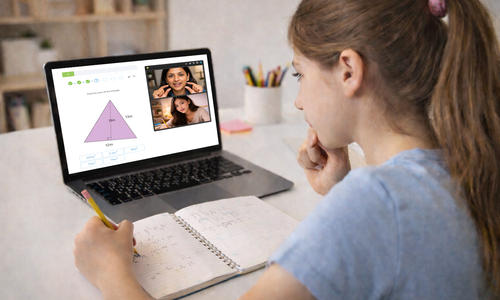
Families often notice that a student becomes more willing to stay with hard math instead of backing away from it. The student sounds more confident, more steady, and more open to working through a challenge.
That shift matters because it is credible. A tutor can encourage the student in a way the student will actually accept, which helps the student keep going when the work gets difficult.
Thinking That Transfers
The habits students build in math show up far beyond homework.
They help students slow down, weigh evidence, and explain their thinking before they trust a result. That carries into science, writing, coding, and everyday decisions where a quick answer is not always a good one.
For families, that means math can strengthen more than grades. It can help students become more careful, independent thinkers across school and beyond it.
Loved by parents and students alike
Optional Extra Challenge
Competition-style math gives interested students an enrichment path beyond regular school work. It creates room for longer problems, less familiar setups, and more practice staying organized when the answer is not obvious.
For the right student, that extra challenge can build stamina, flexible thinking, and a deeper comfort with difficult questions. It is an optional path for students who want more stretch, not a requirement for strong overall progress.

Real Competition Problems
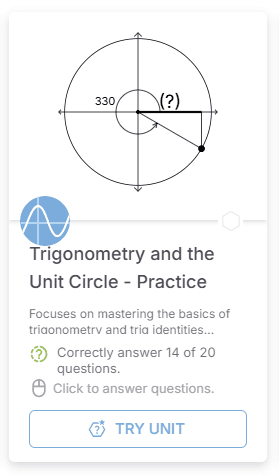
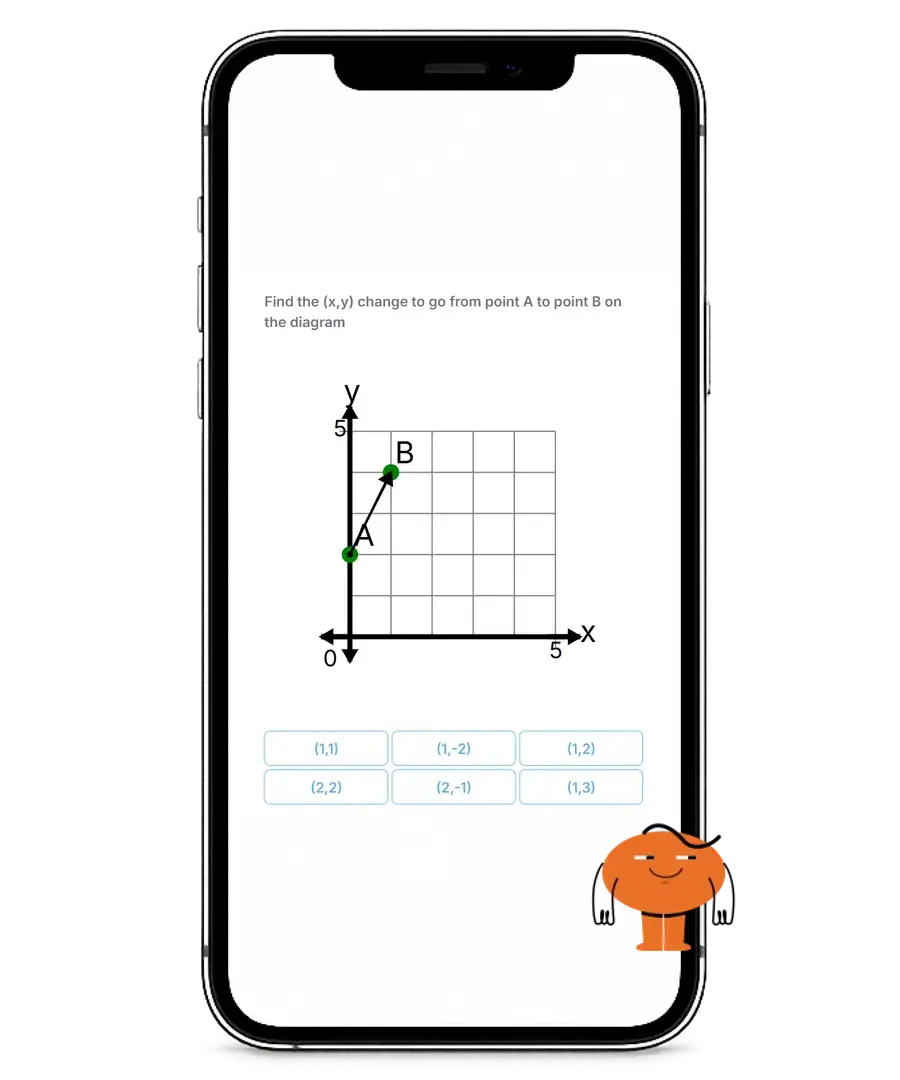
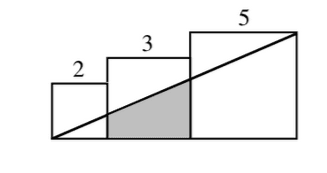
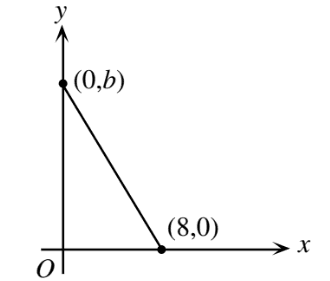
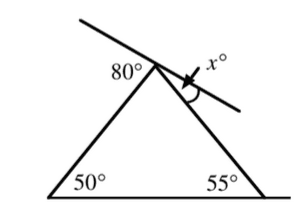
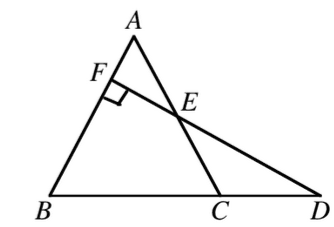
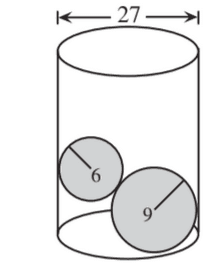
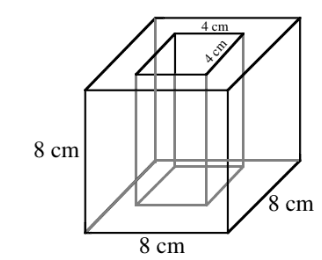
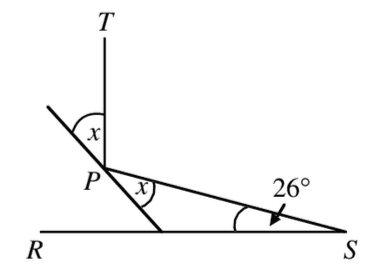
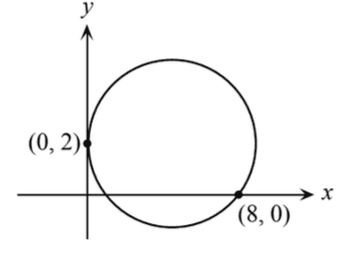
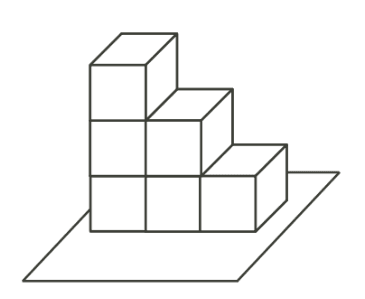
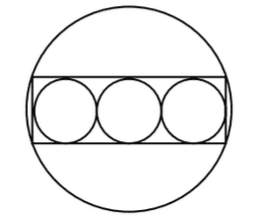
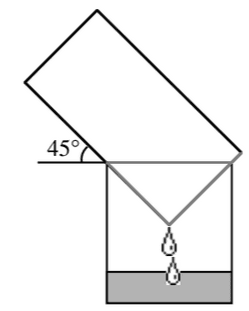
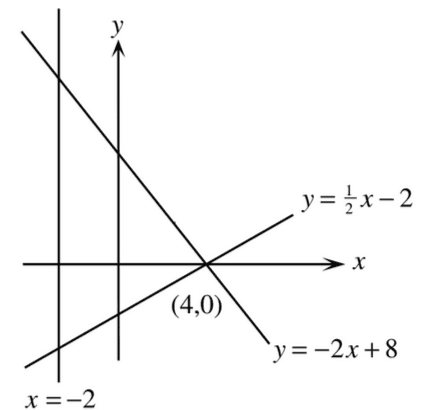
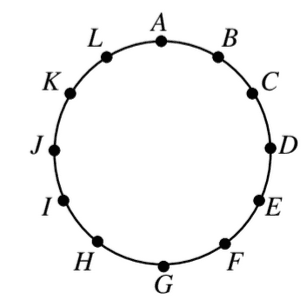
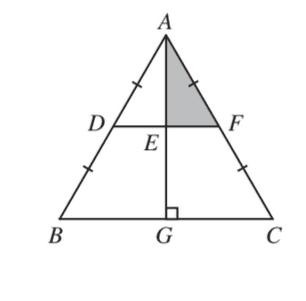
See a sample of the competition-style diagrams and problem layouts students can practice with as they build contest fluency.



When Challenge Math Fits
For students who want more challenge, competition-style math can be a strong fit. It asks for patience, structure, and a willingness to stay with a hard problem instead of looking for the fastest path out.
That kind of work is not for every student, and it does not need to be. But for students who enjoy deep challenge, it offers another way to strengthen reasoning and disciplined problem solving.
Visible Weekly Progress
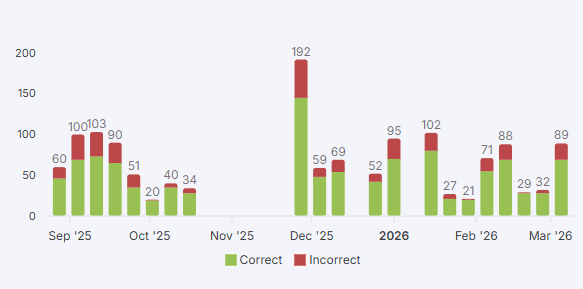
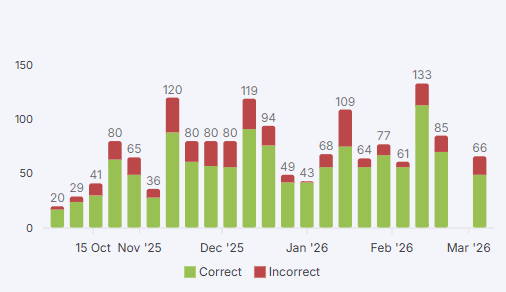
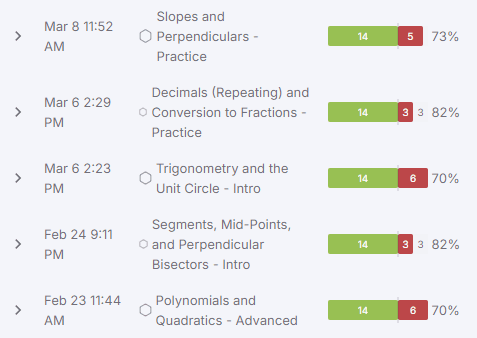
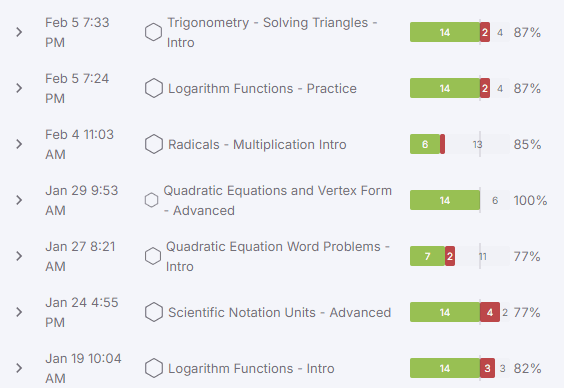
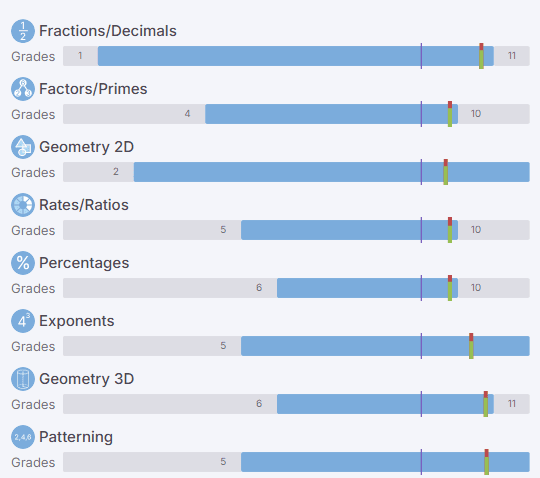
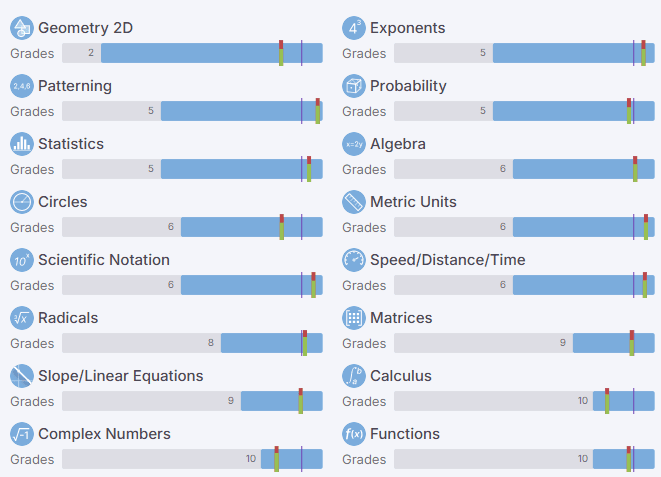
Families receive concise weekly updates that show what improved, where support is still needed, and which next focus area should guide the coming week of learning.
That gives parents practical learning evidence they can understand quickly, so decisions about pacing, reinforcement, and goals stay grounded in what the student is actually showing.