
GRADE 1-3
Start strong
Early curiosity grows when strong math foundations make bigger questions feel reachable.
Many strong math students do well in school, but classroom structures do not always create the next clear stretch they are ready for.
Classrooms work within real limits: one teacher, many students, limited time, and limited technology.
Those limits matter even more when a bright student is ready for more challenge but the class still has to move together.
That gap helps explain why families sometimes look beyond school for math that keeps a strong student engaged and growing.
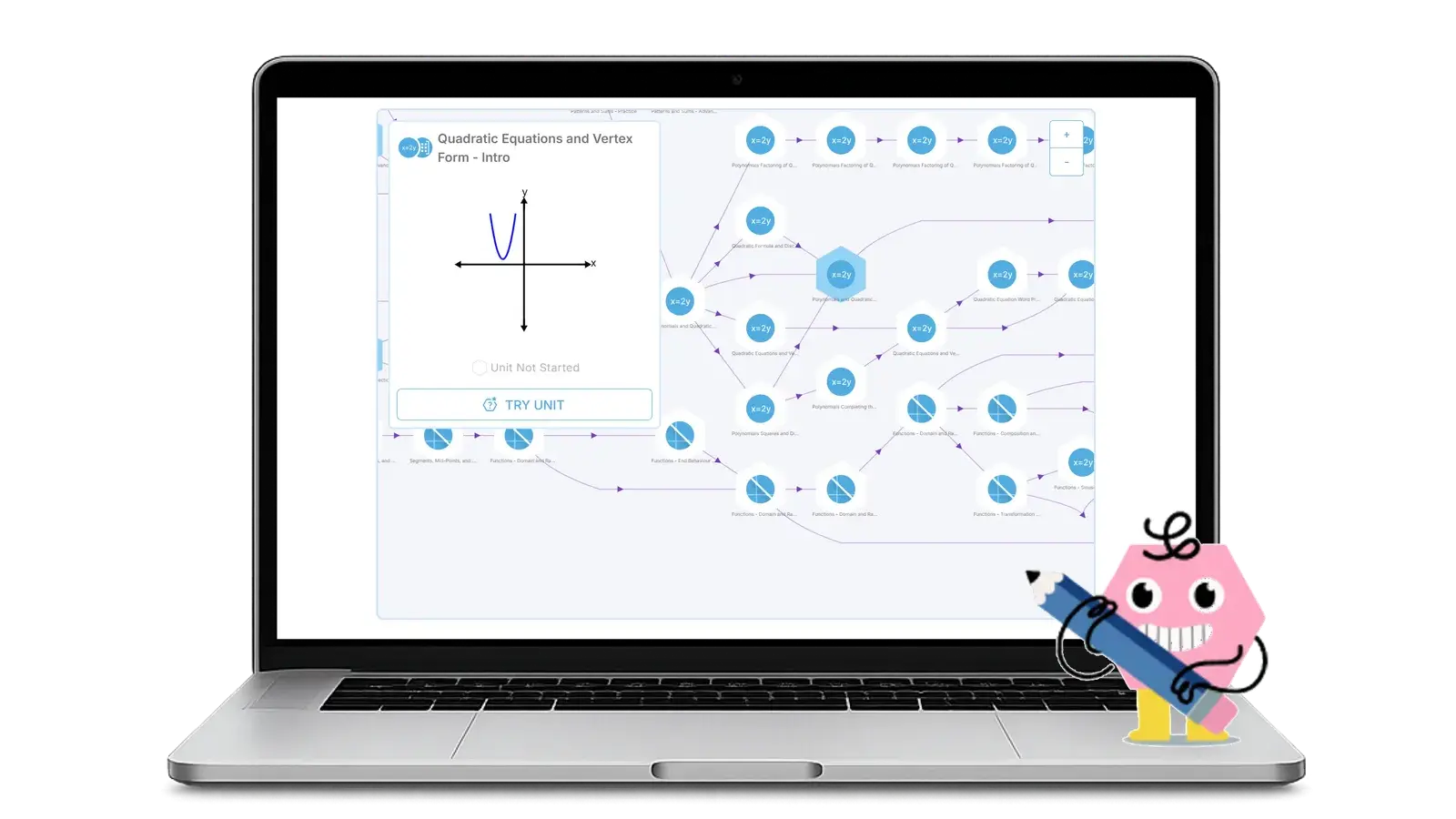
When school math moves at a shared class pace, strong students do not always get a steady path into the next level of challenge. Extra worksheets or occasional harder problems can help in the moment, but they do not always create connected growth over time.
Matarus addresses that gap by checking whether foundation skills are secure, then moving students into harder work step by step as they are ready. Tutors guide students through each new question and help them stay with the challenge.
That gives strong students matched difficulty, connected growth, and progress families can clearly see.

Curriculum standards give schools a shared roadmap, but they also set a common pace for the class.
That pace often has to protect time for review, reinforcement, and students who need more support before moving on.
For ambitious math students, that can mean the class keeps moving responsibly, but not always at the next level they are ready to tackle.
Teachers often try to support strong math students with enrichment, but the add-on work is not always part of a connected sequence.
A student may get a harder worksheet, a challenge problem, or extra practice, yet still miss the steady progression that helps new skills build on each other.
That is why families sometimes look for math support outside school: not because school is failing, but because a strong student needs a clearer next path than occasional add-ons can provide.

These sessions provide interesting challenges for A to explore mathematical concepts, boosting her math confidence by connecting her with her problem-solving abilities and giving her opportunities to work through areas she was less comfortable with.
Families often notice the shift quickly: when math is challenging in the right way, students stay engaged, grow in confidence, and bring that steadier progress back to school.

STEM PATHWAYS
Strong math development can support a longer pathway toward future STEM possibilities for ambitious students.
GRADE 1-3
Early curiosity grows when strong math foundations make bigger questions feel reachable.

GRADE 4-6
Structure, persistence, and problem solving start to build an identity as a budding mathematician.

GRADE 7-9
As success increases, future plans in medicine, engineering, and technology become more ambitious.

GRADE 10-12
Ambitious students look toward competitive STEM programs at top-tier colleges and universities.
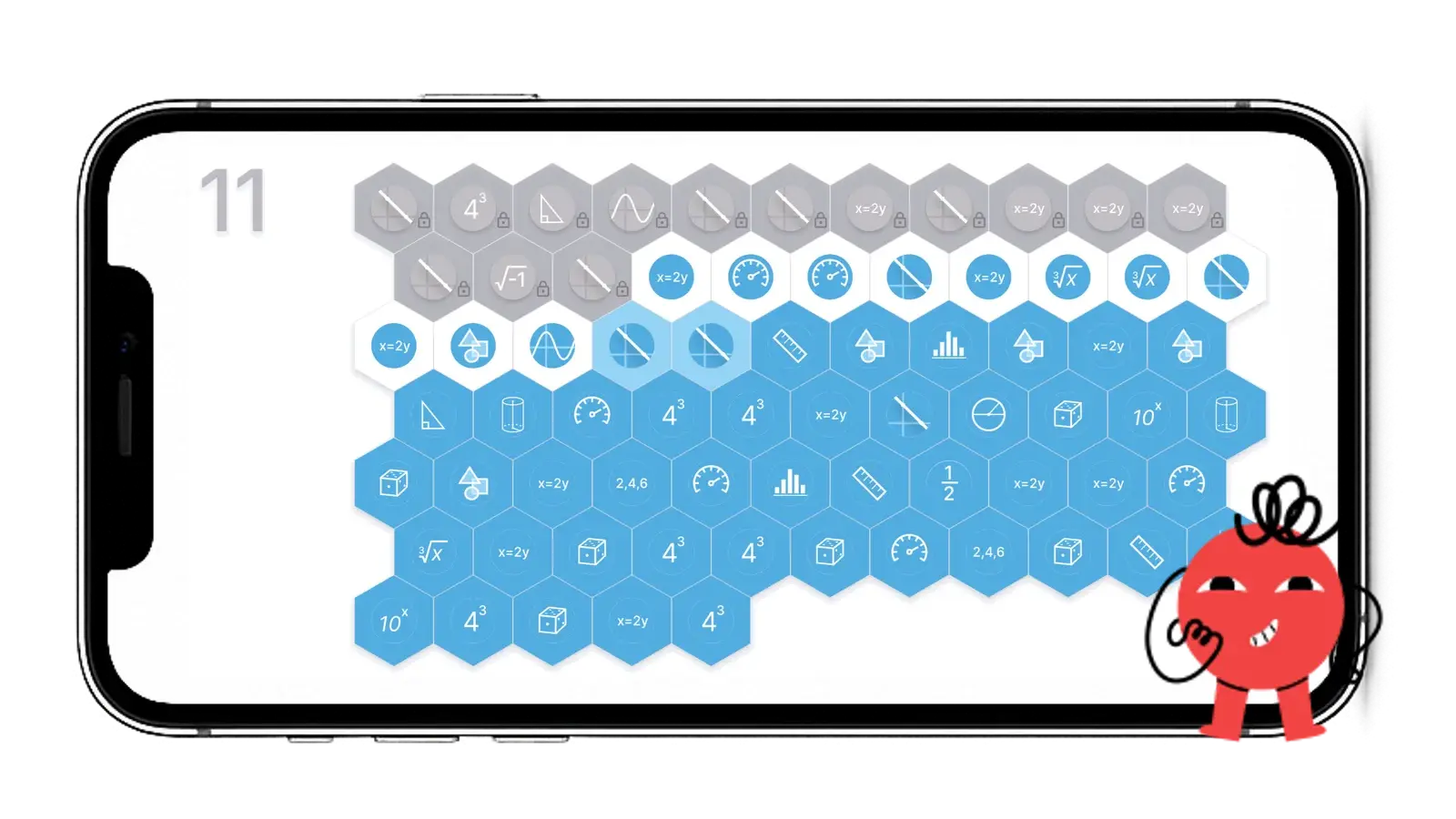
Families do not just want more difficult math. They want challenge that leads somewhere, progress they can follow, and support their child will stay engaged with.
Matarus makes that experience easier to see. Students work at the right level, build confidence as they grow into harder questions, and bring stronger understanding back to school.
That is why families often describe better math progress, stronger motivation, and more trust in the process over time.
Under-challenge does not always look like low marks. More often, a strong student finishes quickly, stops thinking deeply, or starts treating math as something to get through.
Over time, that can dull curiosity. A student who could be building stronger habits and tackling richer questions may instead stay comfortable for too long.
That is often the moment families start looking for math that restores momentum, depth, and a clearer sense of progress.
