Backed by Leading Research
The evidence behind our method
Our approach to teaching math is backed by leading research, and the Matarus method follows that research to maximize student learning.
A Method Built on Evidence
Every part of the Matarus method maps to a body of research, not opinion. Decades of studies point to a consistent set of things that help children genuinely learn math.
We build our teaching around that evidence, then follow it closely so each session reflects what actually works.


Research Across Many Areas
The evidence spans spacing practice over time, freeing up working memory, scaffolding hard problems, and matching work to a child's level.
It also covers preventing learning loss, keeping students actively working, and putting a real human at the center of learning. Explore each area below.
The Research Areas Behind Our Method
Explore the evidence area by area. Each one links to the specific studies and a plain-language summary of what the research means for your child.
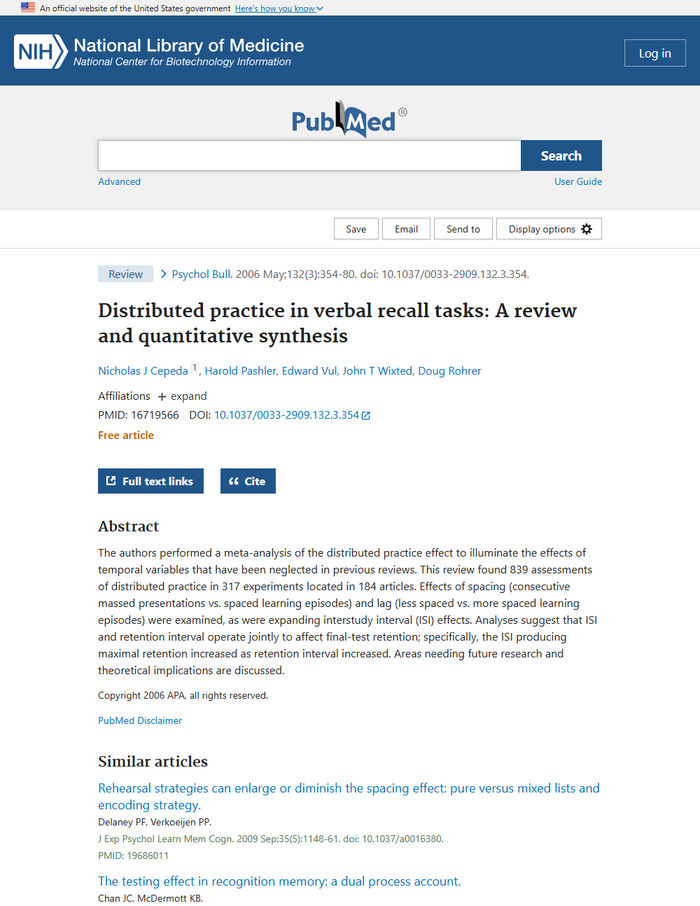
- Spaced PracticeSpacing math practice out over time and returning to the same topics every few weeks builds far stronger long-term retention than cramming.
- Cognitive LoadMaking the fundamentals automatic frees up working memory so students can spend their mental effort on harder, more advanced problems.
- ScaffoldingLearning hard problems through incremental, scaffolded steps is key to lasting progress and genuine understanding.
- Adaptive LearningMatching instruction to each student’s readiness — not too easy, not too hard — is crucial for real learning.
- Learning Loss During BreaksLong breaks — over summer or during semesters without math — lead to significant, measurable loss of skills.
- Active LearningStudents learn most when they actively work through problems themselves, rather than passively listening to instruction or watching videos.
- Practice and Time on TaskTime spent actively doing the hard work of math practice is the strongest single indicator of a student’s progress.
- Human-Led EngagementHuman engagement — from a tutor, teacher, or parent — is what keeps students wanting to learn instead of drifting and losing focus.