Review the standards and expectations first so you can decide whether Matarus matches how you want to teach math and support students.
From Standards to Sustainable Growth
A practical tutor onboarding path
Matarus gives tutors a practical path from a free profile and platform learning to a public launch, validated experience, a trusted reputation, and a growing practice serving students who want math excellence.
How Tutor Setup Works
Start by reviewing the standards and expectations so you can decide whether tutoring on Matarus fits how you want to teach. Then move through the setup path in order: learn the platform with a free profile, launch publicly, earn validation, build visible proof through completed sessions, and grow your tutoring business.


Use a free profile to learn how tutoring works on Matarus. It is free to start, simple to use, and quick to learn.

Go public so students can sign up with you. You can begin with students who already know your work while you start building tutoring experience on the platform.

Become a validated tutor through evaluation of your tutoring experience on Matarus and the sessions you have completed.

Each successful session adds visible proof of tutoring expertise across math themes and age groups, giving families stronger reasons to trust your profile.

Recruit students directly, get discovered by new families, and raise your rates as demand for your tutoring grows.
1
Check the Fit
Review the tutor standards and expectations before you begin. They explain the level of teaching, professionalism, and student support expected on Matarus.
Use that review to assess the practical fit: how you want to teach, which students you can serve well, the availability you can offer, and the kind of tutoring business you want to build.
2
Learn the Platform

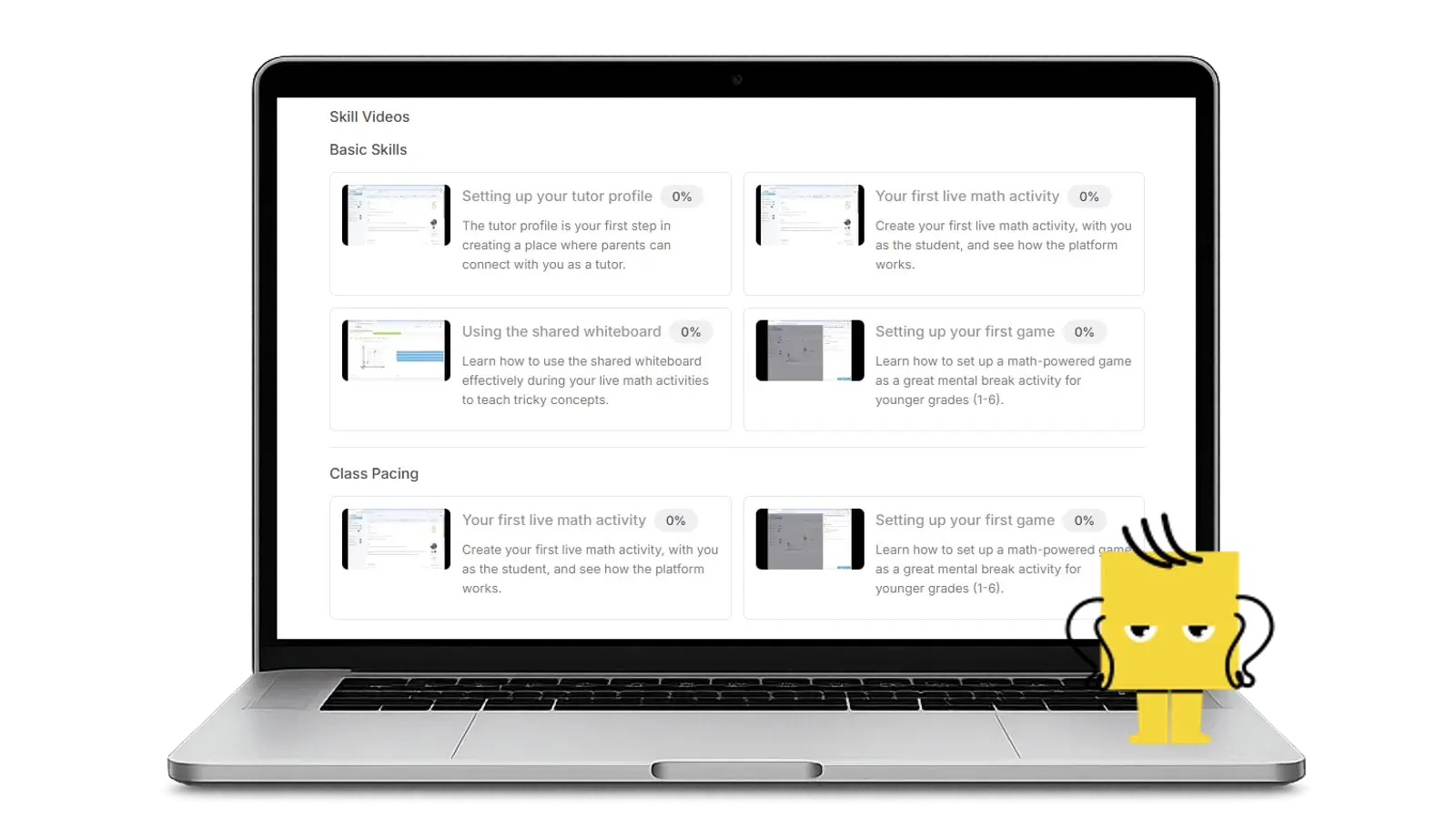
Create a free profile and use it to learn how tutoring works on Matarus. It is free to start, simple to use, and quick to learn, so you can get comfortable with the leveling tools, session flow, and whiteboards before you take on students.
There is no pressure to launch until the platform feels familiar.
3
Launch Your Profile
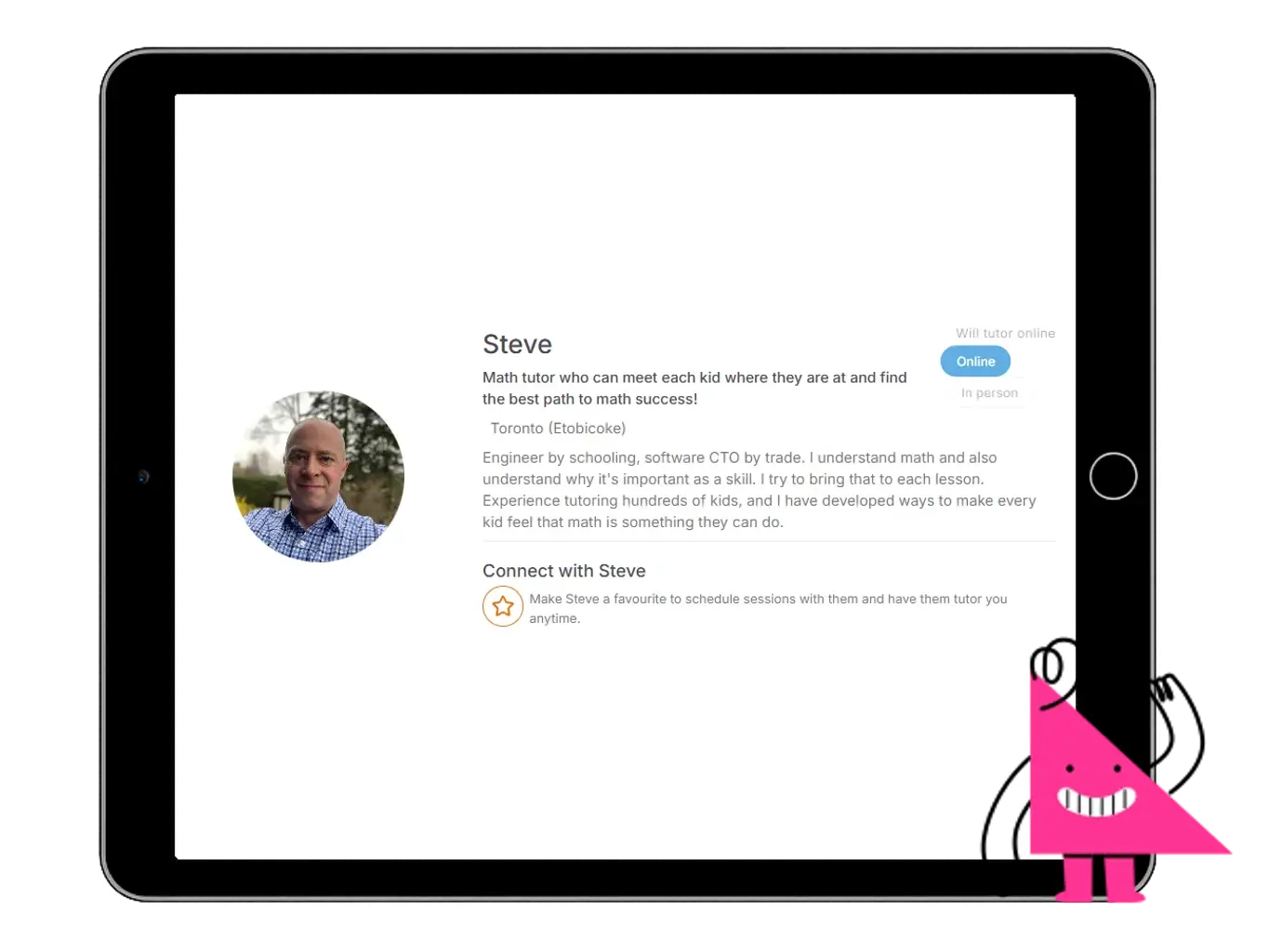
Publish your profile so students can sign up with you. Starting with students who already know your work can make the first step into public tutoring feel familiar and manageable.
Those early sessions also help you learn which students, ages, and areas of math are the best fit for your practice. Their questions and needs can guide how you shape your services.
4
Earn Validation

Earn Validation Through Real Sessions
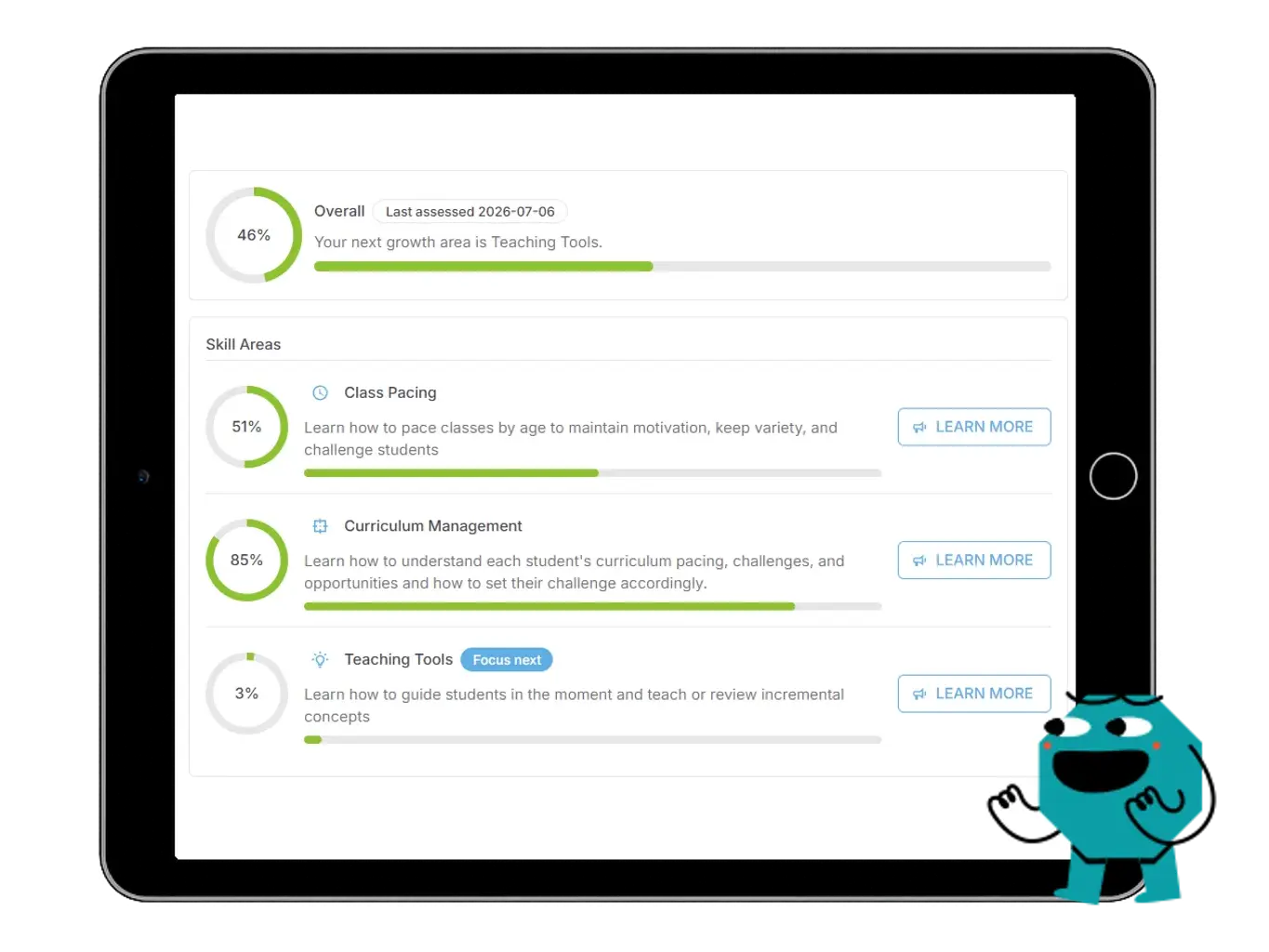
Become a validated tutor through evaluation of your tutoring experience on Matarus and the sessions you have completed. Validation signals to families that your teaching has been reviewed against the platform’s standards, not just self-described.
It is a meaningful marker of quality that helps new families feel confident choosing you over an unknown option.
5
Build Trust
Build A Trusted Record
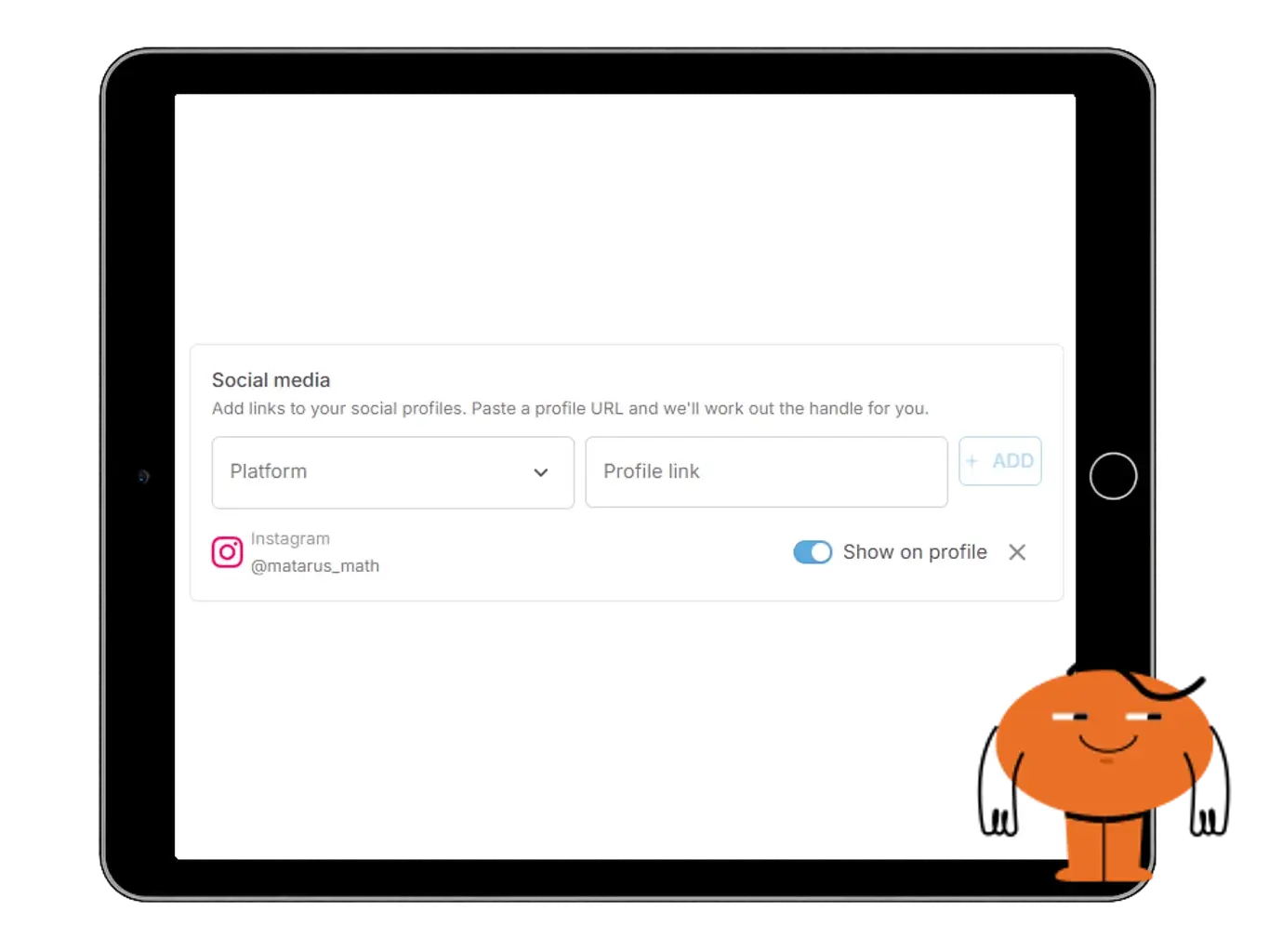
Every successful session adds to the record families can use to understand your tutoring experience across math themes and age groups.
As that record grows, it can help you define and communicate a specialty. Families may see more clearly whether your strengths match a student's stage, goals, and areas for development.
6
Grow Demand
As your reputation develops, you may recruit students directly, get discovered by new families, and review your rates as demand for your tutoring changes.
Completed sessions and a strong record can create more opportunities to attract students and shape a practice that fits your expertise. Growth depends on the market, your availability, and the experience you provide.

Strengthen Your Validated Practice
After validation, keep using the tutor standards to review how you explain ideas, support student effort, use the platform, and create a focused learning experience.
Strong completed sessions give you useful examples to reflect on and improve. Continued quality helps you maintain a clear, credible record that families can use when deciding whether your teaching fits their student's goals.
Learn more
Learn how to set up your tutor profile, master the skills, and get started with tutoring clients.
 Tutor ProfileSet up and optimize your public tutor profile
 Teaching ToolsMaster the broad set of tools you have as an educator on the platform
 Curriculum ManagementUnderstand how to assess and set curriculum for kids
 Running a ClassSee the flow of a class from setup through to running activities and following up
 Your First StudentA walk-through of your first student and what to expect
 Class PacingThe art of class pacing and what types of activities to run based on the grade of your students