
Class Workflows That Scale
Clear steps, steady progress
Set up classes, add students without student PII, and run classroom routines that help every student keep moving forward.
How the Classroom System Works
Teachers can start with zero-friction classroom activities when they need students working quickly; these activities do not require student-account setup. For persistent profiles, initial leveling, and deeper differentiation, class-based usage provides the fuller system.
Create classes that match your timetable and teaching groups. Add students without collecting personal identifiers, then use initial leveling to identify a realistic starting point for each learner.
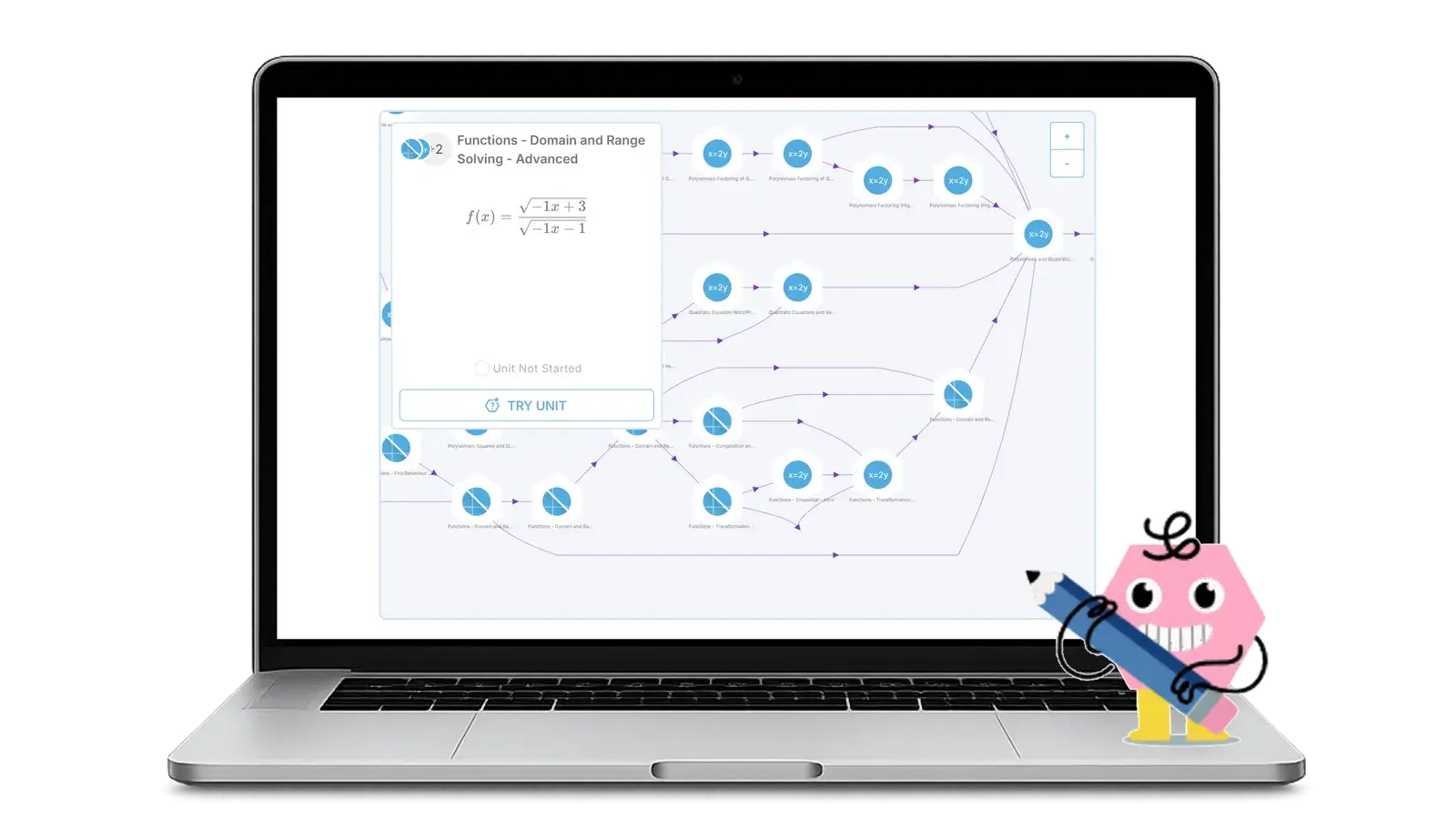
Students work through adaptive pathways connected to shared curriculum goals. Live classroom insights show how learning is progressing and help teachers plan regrouping, instruction, and the next learning block.

Proof From the Start
Once classes are ready, students complete initial leveling so Matarus can place each student at a realistic starting point.
That gives teachers early proof of where students are ready, where unfinished learning is getting in the way, and where extra challenge is appropriate.
From there, progress is tracked over time, so classroom decisions are based on evidence instead of first impressions alone.
A Daily Classroom Flow
Begin with a whole-class activity or minds-on task that introduces the day's shared mathematical focus.
Students then move into short adaptive work blocks during the same period. Each learner practices skills at a level that reflects current readiness, with pacing and challenge able to differ across the room.
Teachers can bring the class back together to discuss ideas, address common needs, and connect individual practice to the wider unit.

Live Classroom Signals
Teachers get live classroom signals that show who is moving well, who needs support, and which skills are slowing progress. That visibility helps teachers regroup students, adjust instruction, and plan the next lesson with clearer evidence. It also gives departments a better view of where students are building strength and where more support is still needed.


Differentiation Without Guesswork
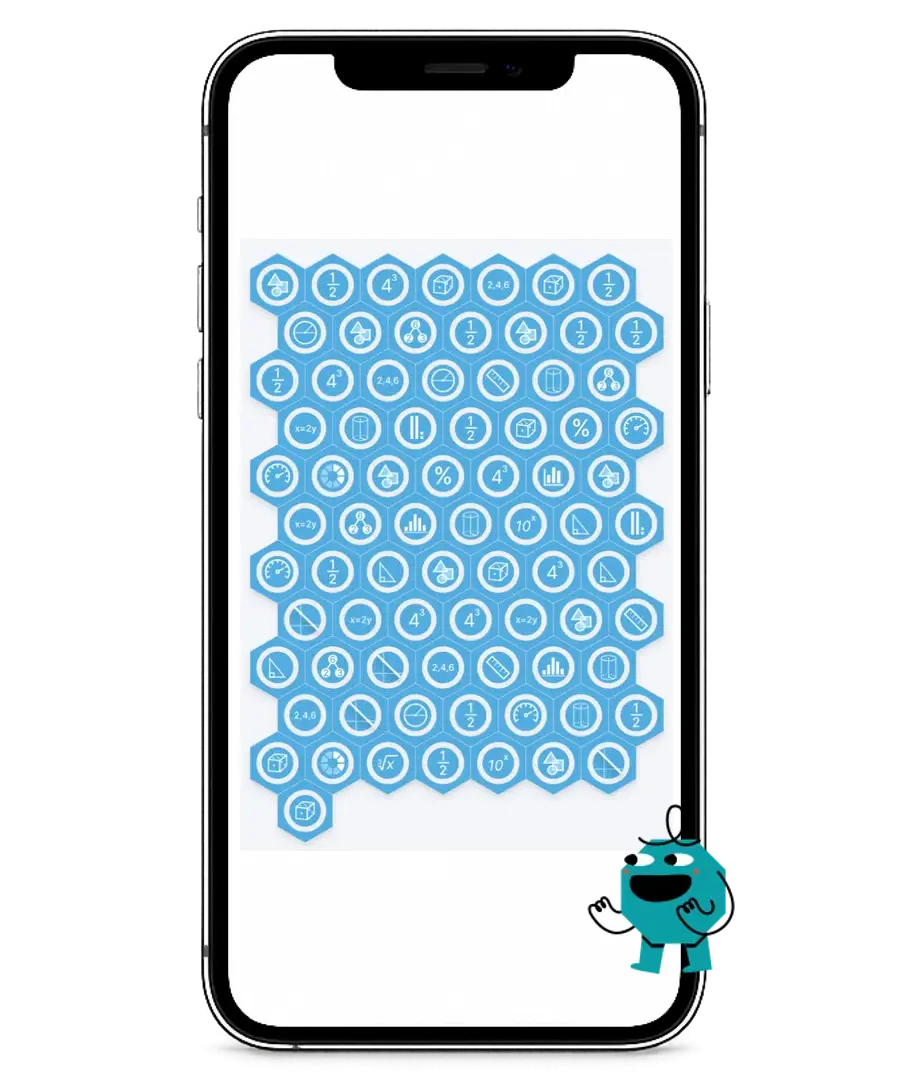
In one class, students can work at different readiness levels while staying connected to the same unit goals.
Automatic marking and curriculum mapping give teachers clearer evidence about who is ready to move on, who needs reinforcement, and where small regrouping can help.
That makes differentiation more manageable across multiple classes without turning daily planning into extra admin work.

Achievement
for every child



Each student follows work that matches their current readiness, pace, and confidence, even inside a shared tutoring group.
The platform keeps every child on a path that fits them, while the tutor guides pacing and steps in exactly where an individual learner needs support to keep moving forward.
That keeps the experience personal and makes the small-group format feel meaningfully different for every child, instead of one identical lesson delivered to the whole group.





Ambitious Learning Paths
Students can work at different readiness levels inside the same classroom structure while staying connected to shared curriculum goals.
That makes it easier to support unfinished learning, extend strong students, and keep ambitious learners moving toward college, university, and STEM futures.

Communication That Builds Continuity
Matarus gives teachers a consistent record of the skills students have practiced and the progress they have made over time.
That record can support clearer conversations with families: teachers can explain what a student is working on, celebrate growth, and identify a useful next focus without relying on a single test or lesson.
Departments can also use shared information to coordinate support across classes and keep learning conversations connected from one term to the next.

Extension Connected to the Unit
Curriculum mapping keeps advanced work connected to the ideas the class is studying, rather than sending students down an unrelated path.
When a learner is ready to go deeper, teachers can see how the extension fits the unit and which skills support it. This keeps ambitious work purposeful, makes classroom conversations more connected, and gives students a clear route from current learning to more demanding mathematics.

One View Across Classes
Matarus helps teachers carry a consistent math routine across multiple classes while preserving a clear view of each learner's pathway.
Curriculum mapping links daily practice to broader goals, so teams can compare coverage and coordinate support without relying on disconnected records.
Over time, shared information gives departments a stronger basis for planning, collaboration, and conversations about student growth.